







Andalusia no longer votes as it used to. The second largest community in Spain, which fought for the highest level of self-government in the streets and is recognized as a historical nationality in its statute, has shown sometimes surprising electoral shifts. It went from endorsing PSOE-A with more than 50% of the votes to giving power to the PP in its worst result in 35 years. Four experts in political science and sociology from Andalusia explain with data support the electoral peculiarities of a land with 8.7 million inhabitants that usually anticipates voting trends for all of Spain.
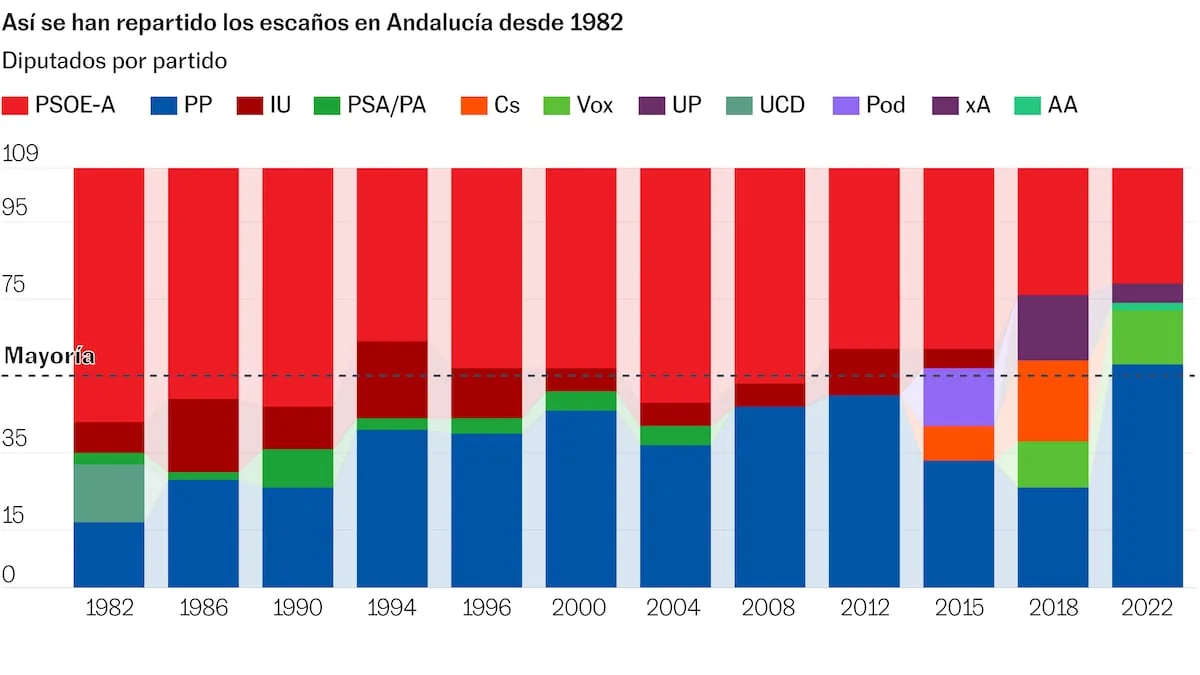
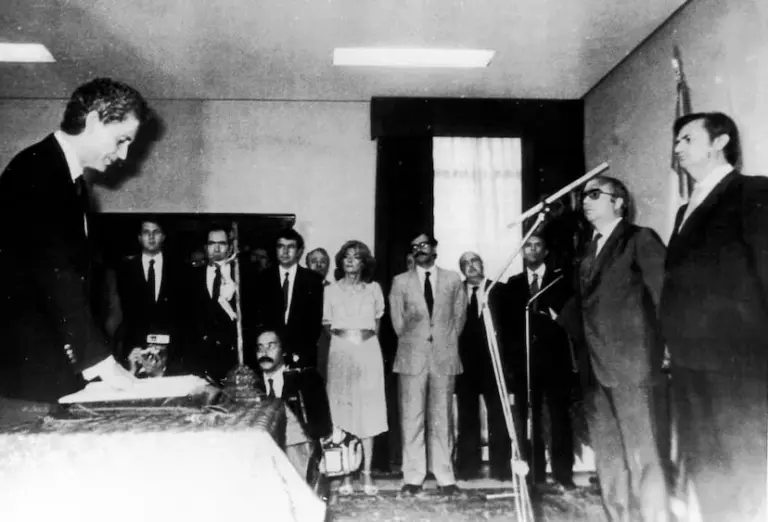
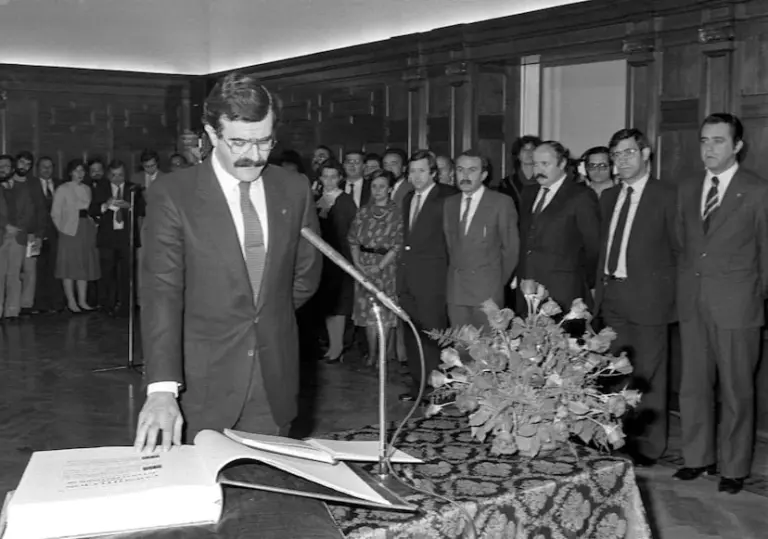
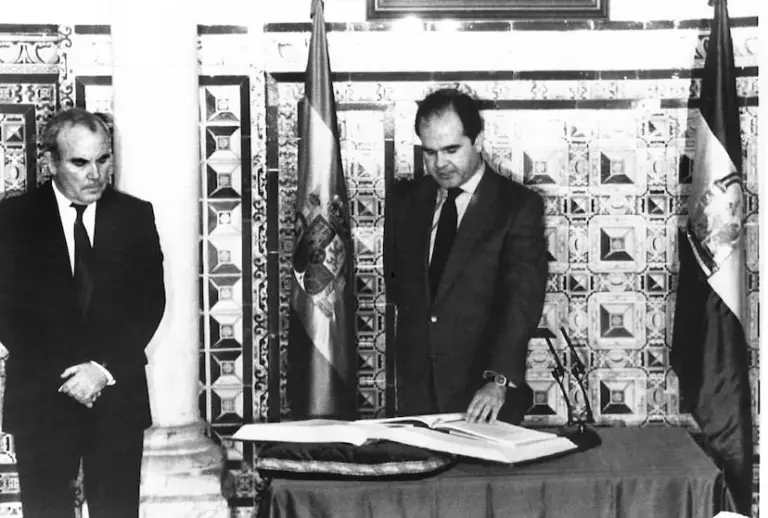
The Andalusians inaugurated their autonomy with three overwhelming absolute majorities of the PSOE, which even exceeded 50% of the votes, and remained in power for more than three decades, although some legislatures needed the crutches of the now extinct Andalusian Party and United Left. The Socialist Party governed 10 consecutive legislatures, and one of its presidents, Manuel Chaves, was in power for more than 18 years.
However, for more than 20 years the PSOE has not stopped losing representation election after election, to the point that the PP even won the elections in 2012, although then it could not appoint a president and govern. The real turnaround occurred in 2018, when, surprisingly, with the second worst result in its history, the Andalusian Popular Party did manage to join forces with Ciudadanos and a Vox — which appeared for the first time — to reach the presidency and form an Executive with Ciudadanos. It took four more years, until 2022, for the PP to achieve its only absolute majority to date and for the socialists to collapse like never before.
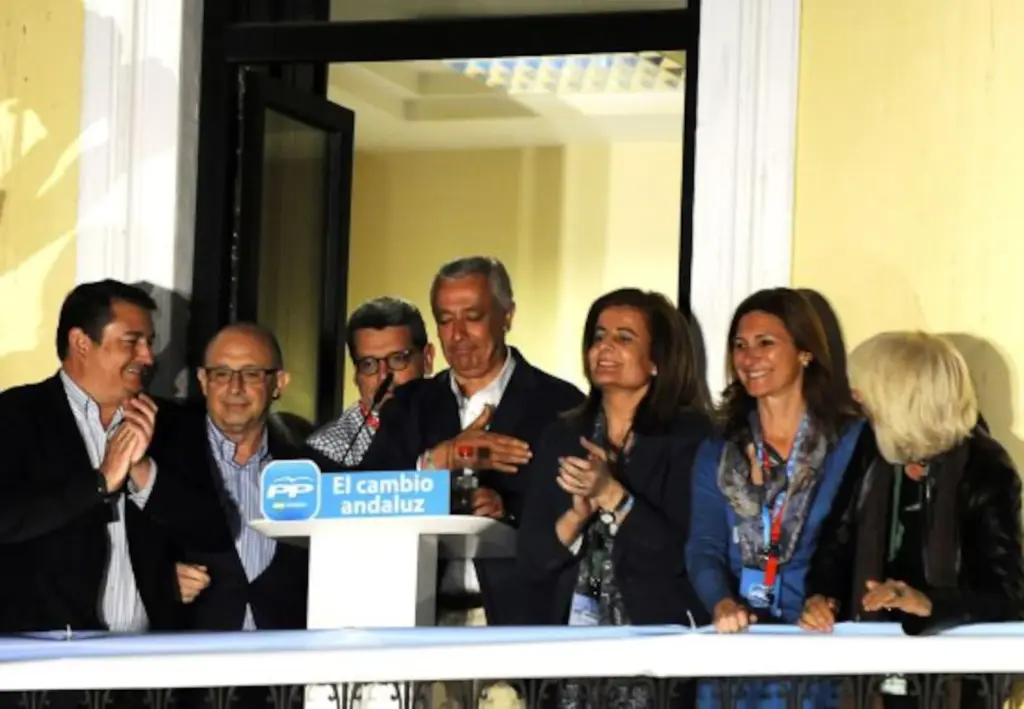
How did such a socialist community become popular? The generational gap between children and parents or grandparents can largely explain it. “Our studies have found a very important shift in family party loyalties. There was a lot of loyalty to parents and socioeconomic status was also decisive, explaining the vote anchoring to the PSOE,” says Ángel Cazorla, professor of Political Science at the University of Granada. However, “in recent years, that vote, which was partly social position and partly family-based, has broken. Young people are a differentiating element,” they have crossed “a line that was unbreachable: coming from a left-wing voting environment and voting for the PP.”
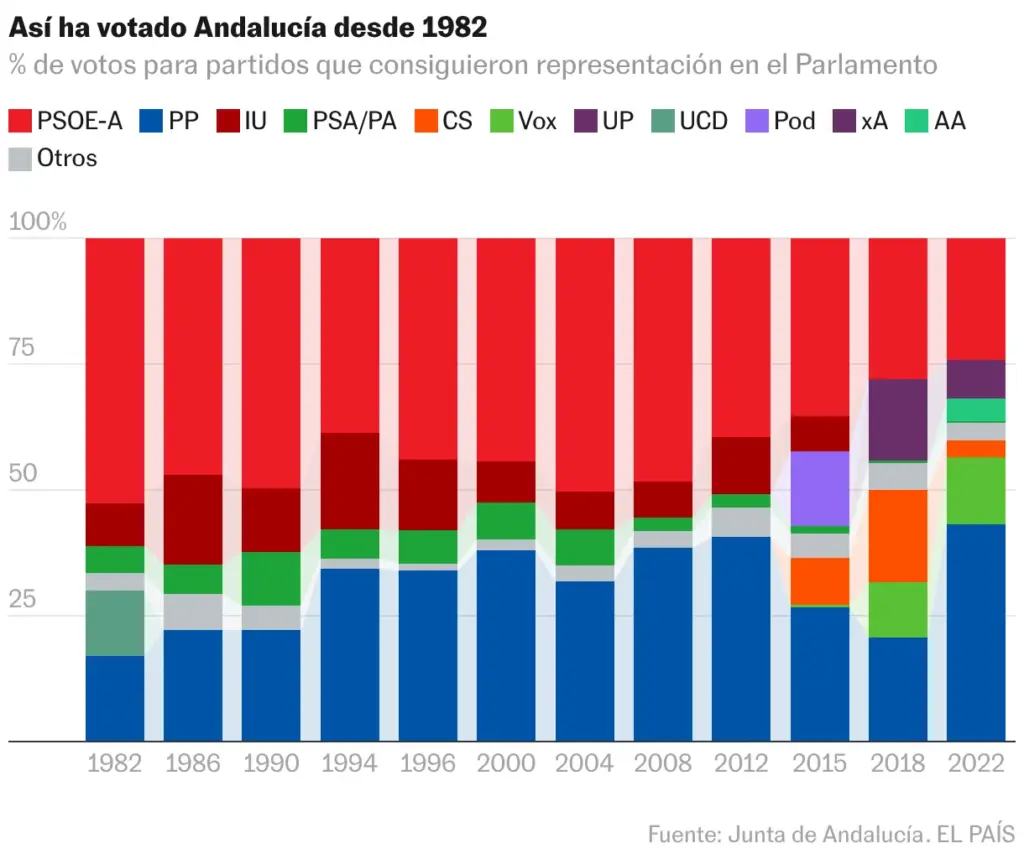
“The phenomenon materializes with the arrival of Juan Manuel Moreno, with whom they identify more for something less ideological and more serene, compared to the traditional ideological vote,” explains Cazorla. The year 2018 was key because there was a “punitive abstention” against the PSOE by young and older voters, but in the following elections, many of the youngest felt freed from the family vote and found it easier to “jump the fence” to the right. Abstention also prevented those former socialist votes from turning into votes to the left of the PSOE.
In 2022, Ciudadanos, which had co-governed the Junta, disappeared. “The electoral disintegration of Ciudadanos forced that vote — which had gone to moderate liberalism — to relocate. The PP began to recover with a realignment where people from the liberal center, but also many young people no longer aligned, voted for the PP,” explains Cazorla.
Grandchildren versus grandparents
That break in patterns seems confirmed in 2026. “The youngest segments of the Andalusian population already show a noticeably different behavior from their grandparents, especially from the population over 50 years old.” This is told by Juan Montabes, professor of Political Science and Administration at the University of Granada. According to the CIS of April 30, while in direct vote Andalusians declare that 8% would vote for Vox, the youngest (up to 24 years old) would double that percentage, more than 15%. In contrast, “from 55 to 74 years old, they would vote for it three times less.”
In the case of the PP, the youngest are the least likely to vote compared to all their elders, who in some cases would almost double them. The PSOE would get its lowest percentages in the three youngest age groups (approximately 15%), while from 45 years old it would be between 20% and 32.5%. “The opposite would happen in Adelante Andalucía, where its vote would decrease as age increases, while Por Andalucía shows an age group evolution more similar to that of the PSOE,” clarifies the professor from Granada.
The end of the ‘satisfaction paradox’
The wear of the PSOE not only broke a political hegemony: it broke an emotional culture of voting in Andalusia. “Andalusia was so bad at the beginning of democracy that everything achieved was attributed to the PSOE,” explains Professor Cazorla. That collective gratitude prevented criticism of pending problems. It was the satisfaction paradox coined by sociologist Manuel Pérez Yruela. “That paradox broke because Andalusians realized they could have more than they have had and their expectations have not been met.” So? “We have gone from that paradox to emotions, a very distinctive key of Andalusians,” he clarifies. “They voted against all odds: first punishing their own party and then supporting a leader — Moreno — unthinkable 15 years ago and who did not fit the classic progressive scheme, in which voting right was little more than a ‘here come the Indians’.”
The candidate for re-election has made voting right no longer feel like an identity break in Andalusia. “The vote is emotional: [Moreno’s figure] eliminates feelings of anxiety and aversion, does not arouse enthusiasm, but above all does not generate rejection,” explains the professor from the University of Granada, who researches precisely the weight of emotions in politics. “He does not want trouble.”
If more people vote, the night gets complicated
If this May 17 there is an increase in mobilization above 5 or 10 points, “it could be a long night,” warns José Manuel Trujillo, professor of Political Science at Pablo de Olavide University in Seville. “A priori, one might expect that to benefit the interests of left-wing parties, but if with that increase the PP manages to maintain or increase the absolute majority, that could be symptomatic of a more intense vote transfer from the left block than has been projected so far.”
“An electoral turnout below 60% would hardly alter previous results, while the closer it gets to that 60%, sensitive modifications could be introduced,” adds Montabes, who presides over the Spanish Association of Political Science and Administration.
“An increase in Jaén or Seville, traditionally PSOE strongholds, does not necessarily have to be due to a better result for that party,” but “greater abstention in PP strongholds like Almería or Málaga could indeed keep it from achieving the absolute majority,” Trujillo cautiously illustrates.
Be careful also when comparing turnout advances with those of 2022, because those elections were held on June 19, already in summer. “Surely many voters chose a voting time to adjust to a very hot day or even with their leisure.” This 2026, then, it will be necessary to wait “almost until the closing of the polling stations to have clearer trends,” warns the professor from the University of Seville.
In general, Andalusia votes slightly more in its autonomous elections (on average, 66.3%) than the whole of Spain in that type of elections (62.5%). In other elections — municipal, general, European — Andalusians usually participate slightly less than the whole of Spain. “The vote is activated with the general elections in Andalusia. The difference is striking. In the five autonomous elections held alongside general elections, turnout never fell below 68% and even reached its historical maximum in ’96, with 78.40%. In contrast, the lowest figure occurred in ’90, when almost half the electorate abstained,” clarifies Montabe.
Between the Junta and La Moncloa
There is no definitive consensus on whether Andalusians vote in an autonomous or state key. “Generally, the two dynamics mix and it is difficult to discern,” maintains Trujillo. “I think a good example of this is the employment issue: when there are good or bad data in Andalusia, who is politically responsible, who makes reforms for the whole country, including Andalusia, or whether it is the Junta that favors conditions for that to happen?” he wonders.
Professor Jaime Aja, who directs the Master in Management and Government of Public Administrations at the University of Córdoba, believes that “the electorate increasingly distinguishes and, moreover, is better informed.” “It clearly differentiates the competencies of each administration. In surveys, when asked about the main problems, it is perfectly identified that health care is an autonomous competence and that housing also largely depends on the communities.”
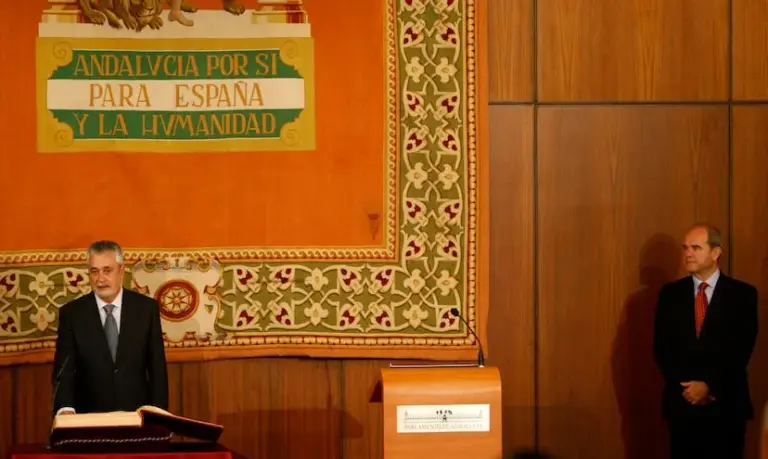
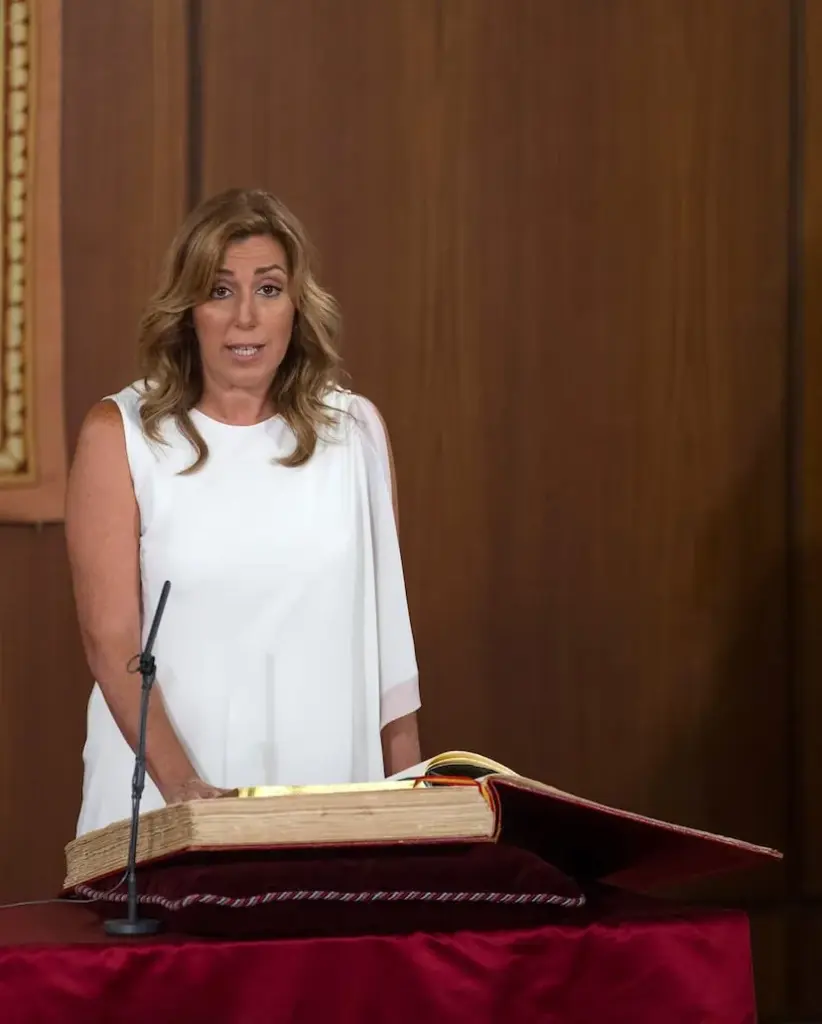
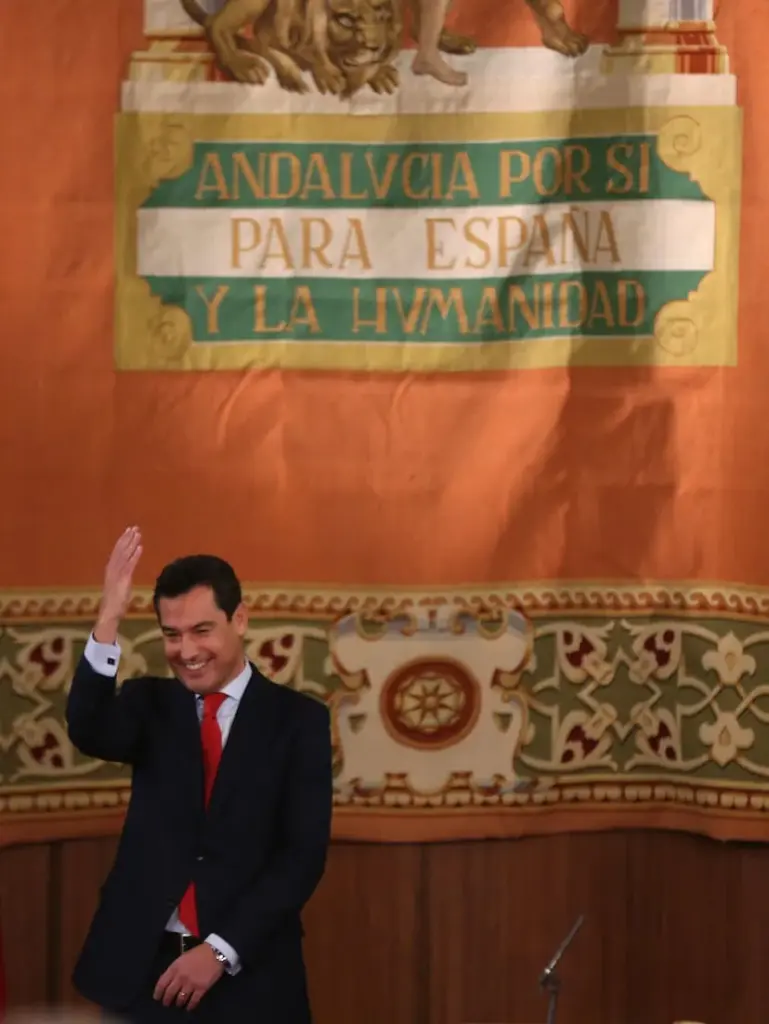
Would Andalusians vote the same as today if the elections were general? “According to some polls, it seems that if there were general elections, the results would be slightly different.” There would then be what is called “dual vote” or “differential abstention,” explains Professor Trujillo. “In that sense, we could think that there is a sector of the electorate that this Sunday will vote in an Andalusian key (or even not vote) and that will act differently” in the general elections.
An increasingly cross-cutting Andalusianism
Andalusia has been growing in collective self-esteem according to surveys from Centra, the Andalusian CIS. The latest, on the occasion of the last Andalusia Day, estimated that 83% of Andalusians believe their community “is better prepared for the future than a few years ago.” The feeling of identity is also very strong. 90.7% declare being very or quite proud to be Andalusian, and 83.7% say the same about Spanish identity.
59% feel as Andalusian as Spanish, compared to 25% who feel more Andalusian than Spanish and 11% who, between the two, prioritize the Spanish. The identity sign most identified by Andalusians is the way of speaking, followed by the flag (perceived as detached from ideologies and specific parties), the anthem, and the coat of arms, valued above Spanish symbolism.
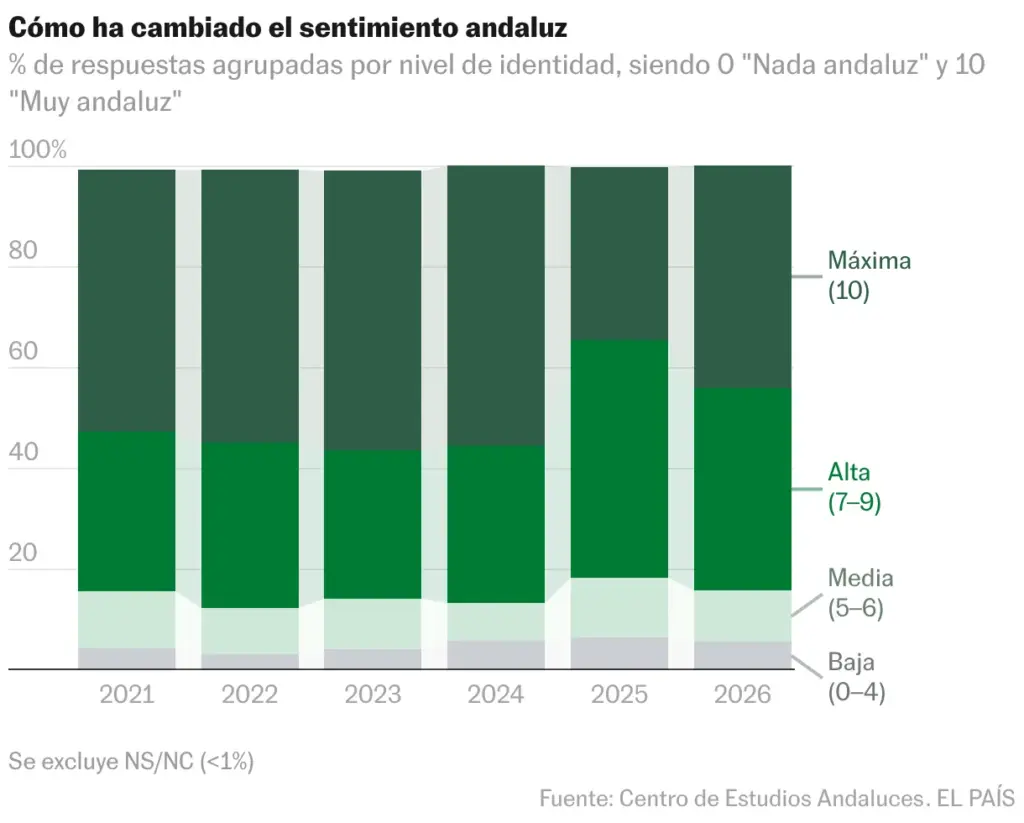
Andalusian identity remains one of the emotional forces of autonomous politics, but it does not belong to a single ideological space. “An Andalusianist feeling, not so much political as culturalist, has always existed,” assures Ángel Cazorla from Granada. Politically, it was once championed by the Andalusian Party, but then “it was absorbed by the Andalusian PSOE, very different from the national one, and later Juan Manuel Moreno did something similar. Now Adelante Andalucía tries it, showing a more political vein.”
There are no perfect ‘Ohios’
In Andalusia there is no single clear Ohio, that is, a place whose electoral result is a replica of the general one. The province of Córdoba, due to its central position, has often served to measure the balance between the two major blocks, left and right, although “not so much to measure the concrete strength of each party, because there the PP is relatively stronger than Vox compared to the whole of Andalusia, and the left to the left of the PSOE also has more weight than in the whole of Andalusia,” details sociologist Jaime Aja.
Approximate Ohios are many if we settle for those that have voted for the right and left blocks in a similar and recurrent way to the whole community: they shifted slightly to the right in 2012 and leaned much more toward that ideological option in 2018 and 2022, but none as clearly as Gelves (Seville) or Villacarrillo (Jaén). If the focus is only on the last four elections, Algarinejo (Granada) or Bollullos de la Mitación (Seville) have barely deviated a point from the left-right balance of the autonomous elections. Huétor Santillán (Granada) also came very close to the result obtained by the main parties in the whole community.
“Andalusia has been anticipating results and trends that have been confirmed months later at the state level in the general elections,” advances Montabes. “It does not mean that Andalusia is the Spanish Ohio, but that general trends manifest themselves as anticipatory of the cycle that will later appear in the rest of Spain.”
Six places to put under the magnifying glass
Sociologist Aja proposes these places in the extensive Andalusian geography to measure the significance of the election results from tonight.
Málaga capital (599,063 inhabitants). “Where years ago it clearly shifted to the right and where Moreno’s PP has triumphed the most, his city, which is one of the main economic engines of Andalusia, but at the same time suffers much tension around housing. It will be interesting to see if this causes any wear.”
Dos Hermanas (Seville, 142,519). “A historically socialist municipality that voted for Moreno, to see if the PSOE and the left manage to recover.”
Jaén capital (112,235). “A historically conservative city, but the only Andalusian capital where the PSOE won in the municipal elections.”
El Ejido (Almería, 91,440). “To check the strength of Vox and the competition between Moreno and that party. Vox is a party focused almost exclusively on the migration issue, and it will be necessary to see how it evolves.”
Los Palacios y Villafranca (Seville, 38,761). “A historically communist mayoralty where Moreno has won and where Vox has a presence even higher than recorded in the general elections, despite being a relatively poor area.”
Puerto Real (Cádiz, 42,527). “For the struggle between Por Andalucía and Adelante Andalucía. Adelante obtained good results there, although the mayoralty finally went to Por Andalucía.”
A more representative Parliament?
From this May 17 will come a new Parliament for the eight provinces. The Andalusian electoral system favors proportionality more than the Congress, although it also rewards less populated provinces. “The Andalusian Parliament is more representative than the Cortes,” because in the general elections provinces distribute fewer deputies, clarifies Montabe. “The community’s electoral system is highly proportional and one of the fairest in Spain.” However, there could be room to improve representation because Andalusia has fewer deputies per inhabitant than other large autonomous communities. Catalonia, with half a million fewer inhabitants, elects 26 more parliamentarians than the 109 Andalusians.
In the Andalusian Chamber, each province initially receives eight seats, regardless of its size. The other 45 are distributed according to population. That limits differences between territories: Seville elects 18 deputies and Huelva, 11, despite the former having almost four times the inhabitants of the latter. Andalusian law prevents any province from doubling another in seats.
<p“There are parties like Ciudadanos that included in their program the reform of the system to give more weight to population over territory (and that was somehow reflected in government agreements with the PSOE and PP in Andalusia in previous legislatures), but then that was shelved,” illustrates Trujillo.Read more Albiach pressures Illa on the Catalan budgets: “We do not set timelines”
6.8 million voters
- In Andalusia, 6.8 million citizens are called to vote this Sunday, of whom more than 300,000 reside abroad. For the first time, 368,000 voters will be able to vote for their autonomous Parliament. It is the 13th time Andalusians choose the Chamber that represents the most citizens (8.7 million) of all autonomous communities.
- The province with the highest percentage of voters outside Spain is Almería (9.49%) and the lowest is Huelva (2.22%), Seville has the highest percentage of first-time voters and Jaén the lowest.
- Correos has accepted 178,540 postal vote requests. Jaén is where, proportionally, the most people have requested to vote by mail, compared to the least, Cádiz. Of the 178,540 accepted requests, 97,829 have been processed in the postal office network and 80,711 electronically through the Correos website.
- Andalusia is the most populated community and the second largest, but it has far fewer municipalities than Castilla y León, 785. This May 17 they will host 10,402 polling stations.
- The largest parties that did not obtain representation in the Parliament in 2022 were CS (3.3% of the votes), PACMA (0.95%), Jaén Merece Más (0.51%), and the coalition Andaluces Levantaos (0.32%).