








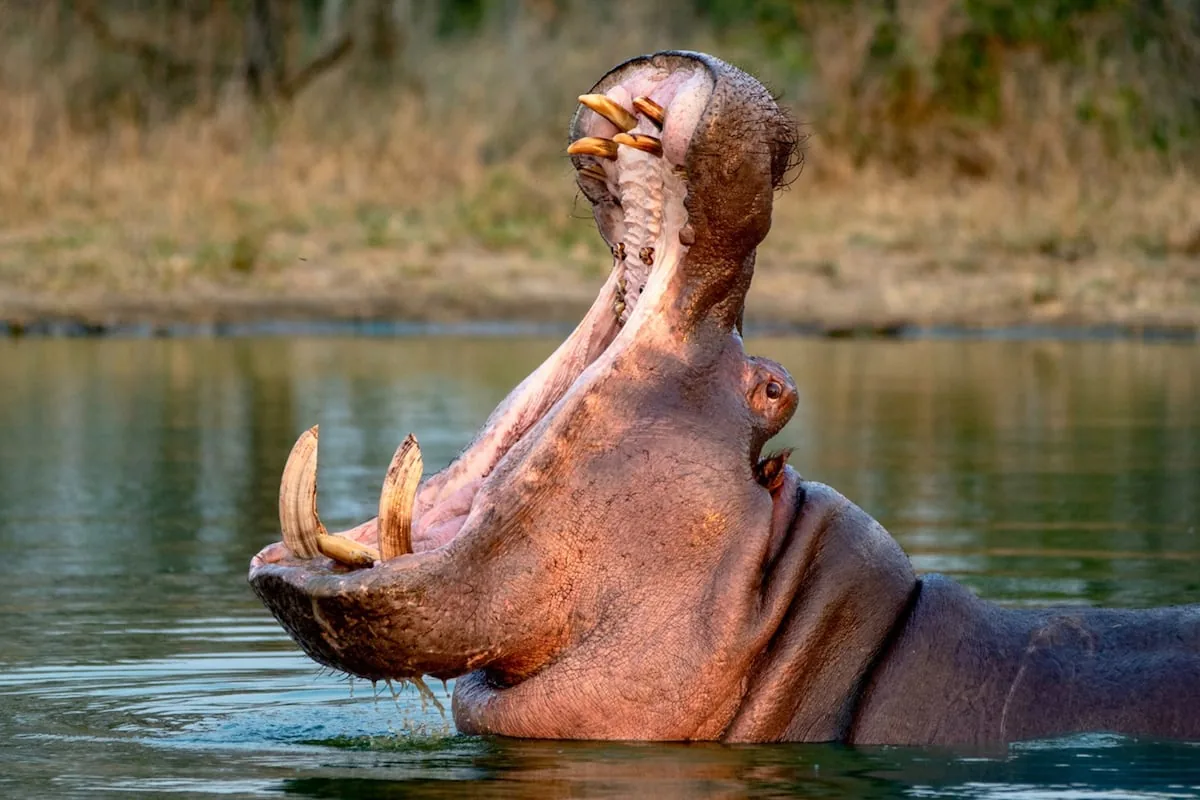
Even after his death, Pablo Escobar left a time bomb in Colombia. The four hippos he brought from Africa on a private plane in the 1980s ended up becoming a huge environmental, social, and now a tremendous political issue in the country. Four decades later, the hippos not only reproduced in Puerto Triunfo, the land where the drug trafficker built the Nápoles estate, but they roam freely along the Magdalena River basin among fishermen and farmers from six departments. It is no longer about four exotic animals added to Escobar’s Noah’s Ark with giraffes and rhinoceroses; the most conservative scientific studies indicate there are now 160 hippos, while the more daring speak of 200.
Read more Snap fires 1,000 employees, 16% of the workforce, to cut costs due to AI pressure
This week, Gustavo Petro’s government finally decided to listen to the scientific community that had been warning for years about the uncontrolled reproduction and environmental risk they cause to ecosystems and native species, such as the manatee and the river turtle. Based on a study by the Humboldt Institute that the government had in its hands since 2023, the Minister of the Environment authorized the killing of at least 80 specimens. Almost at the end of her term, she took a risk with an unpopular measure but one adjusted to the enormous problem of that legacy, although using a euphemism to talk about controlled hunting.
From Bogotá, animal rights activists raised an outcry, and once again, people with magical ideas appeared, such as relocating them to sanctuaries, something that has been attempted unsuccessfully because no country accepted hosting this invasive species. The country has been deciding for years whether to sterilize or kill Escobar’s hippos, and governments have oscillated between inaction that allowed them to reproduce, chemical castration, or hunting, as happened with the famous hippo Pepe, up to the attempt to relocate them to Mexico, which would be funded by a film production.
The public debate has focused on the animal and environmental aspects, but little is said about the risks to people. Hippos cause 500 deaths a year in Africa. In Colombia, by some miracle, there have been no fatalities, but in recent years several accidents involving humans have been recorded in the Magdalena Medio region. In one, a person was bitten and suffered psychiatric problems; in another, a man who tried to steal a calf to sell it was attacked—something that has been happening frequently; and in the most well-known case, there was a collision between a person on a motorcycle and a hippo.
Wilther López, Chocolate, a park ranger from Puerto Triunfo who knows them well and has worked since the beginning at the Nápoles theme park, says the news gives them a dual feeling: they have gotten used to living with them and hope other measures are not discarded. But they also know it is time to act: “the truth is these animals got out of control and are in the Magdalena River where they will be able to grow faster,” he says and sends a photo of a hippo in a corral he helped build. “Here we have lived with them, you meet them on the road and they run away, but that is because they are on land; in the water it is different, it is their habitat and they defend themselves. That is also the concern, in the river they can overturn a fisherman’s canoe and things could escalate.”
Chocolate met Pepe, remembers how that famous hippo killed another in a fight, and has participated in capturing hippos to castrate them. “I know the complexity of the captures. Maybe something can be done with those around the Nápoles Estate, create a perimeter, enclose them, and make a viewing platform as a tourist project that generates income to maintain them (they eat 70 kilos of grass a day); the problem is with those already out of control in the Magdalena River,” he concludes from the area.
The plan for euthanizing the 80 hippos is projected for the second half of the year when the country will be in election and World Cup mode. Whoever the new president is, the time bomb will have to be defused by that new government.
Other stories
This is a brief selection of other recommended news from EL PAÍS América Colombia:
Multidimensional poverty in Colombia drops to 9.9% in 2025
The indicator breaks below 10% for the first time and marks the fifth consecutive year of decline.
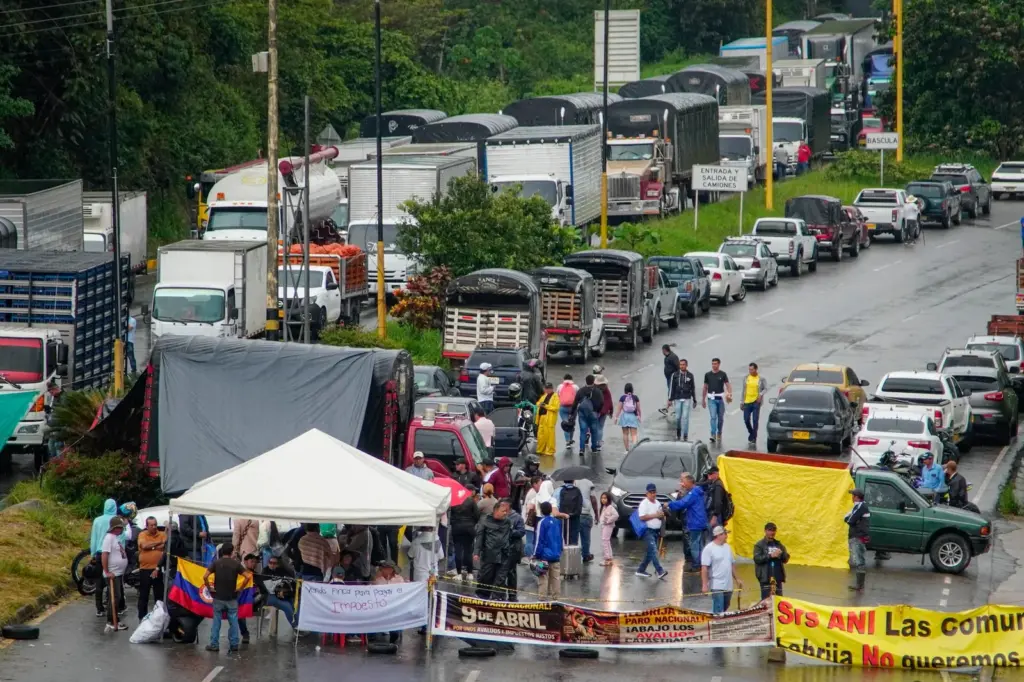
Farmers in Santander lift the strike over property tax after six days of blockades
The governor of Santander will meet with the Minister of the Interior to apply the department’s model in other territories where there are blockades.
The Green Alliance fractures amid debate over corruption in Petro’s movement
The party, which emerged in 2010 supporting Antanas Mockus’s centrist project, is negotiating a programmatic agreement with leftist Iván Cepeda. “It is the end of the party,” says Senator Angélica Lozano.
More fracking, more military, fewer taxes: Paloma Valencia’s program reflects classic right-wing formulas
The Uribista candidate also proposes using artificial intelligence against corruption, attracting data center construction, and creating agricultural prisons so inmates can work while serving their sentences.
Petro calls the shots even as he leaves office
His ability to control the narrative, turning every decision into a comprehensible ideological battleground, defines the final stretch of his government.
Read more Chess Analysis | Vaishali will challenge Wenjun Ju