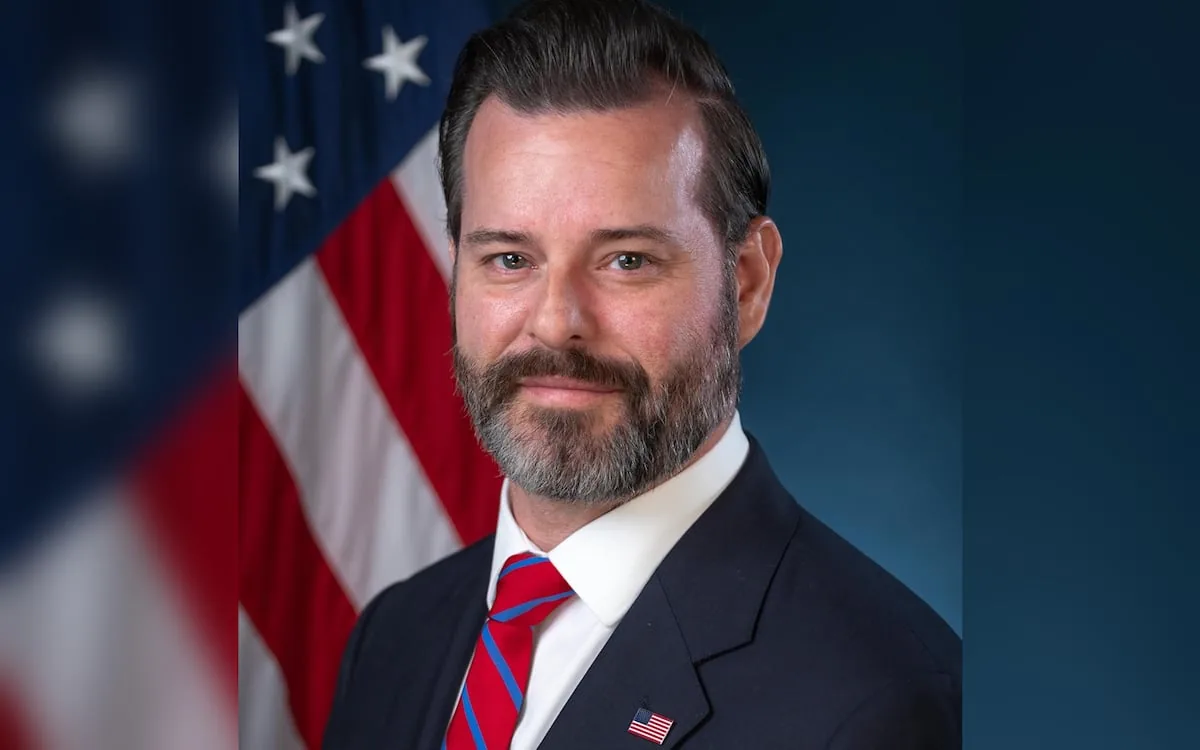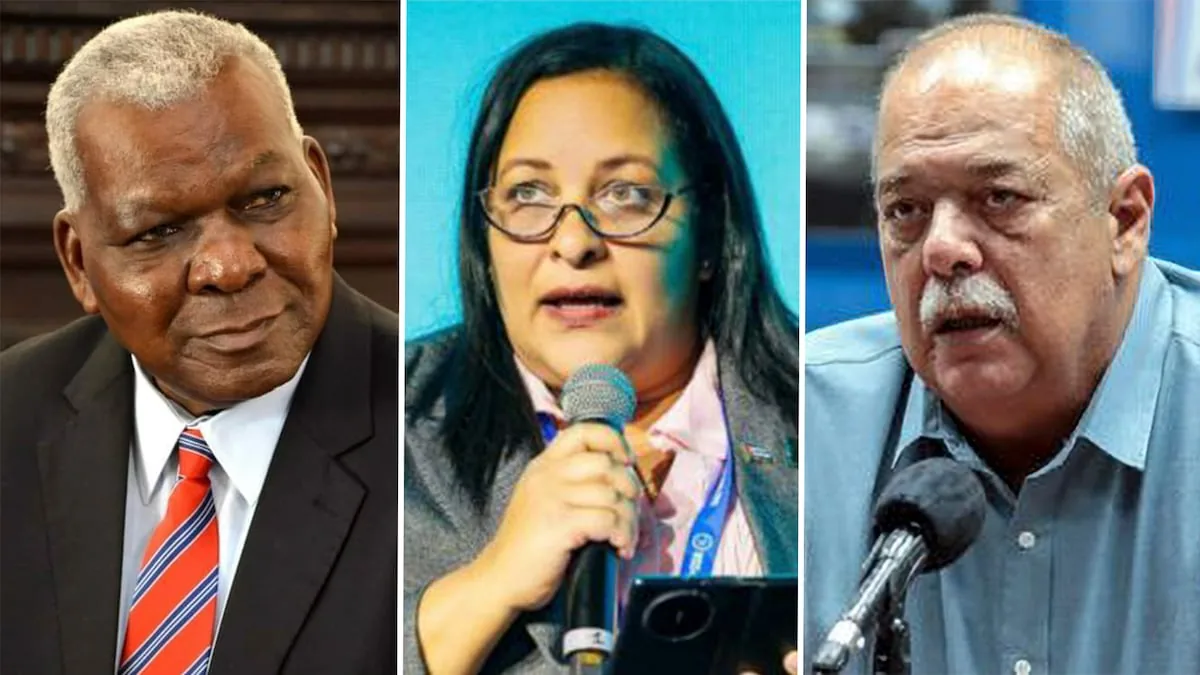





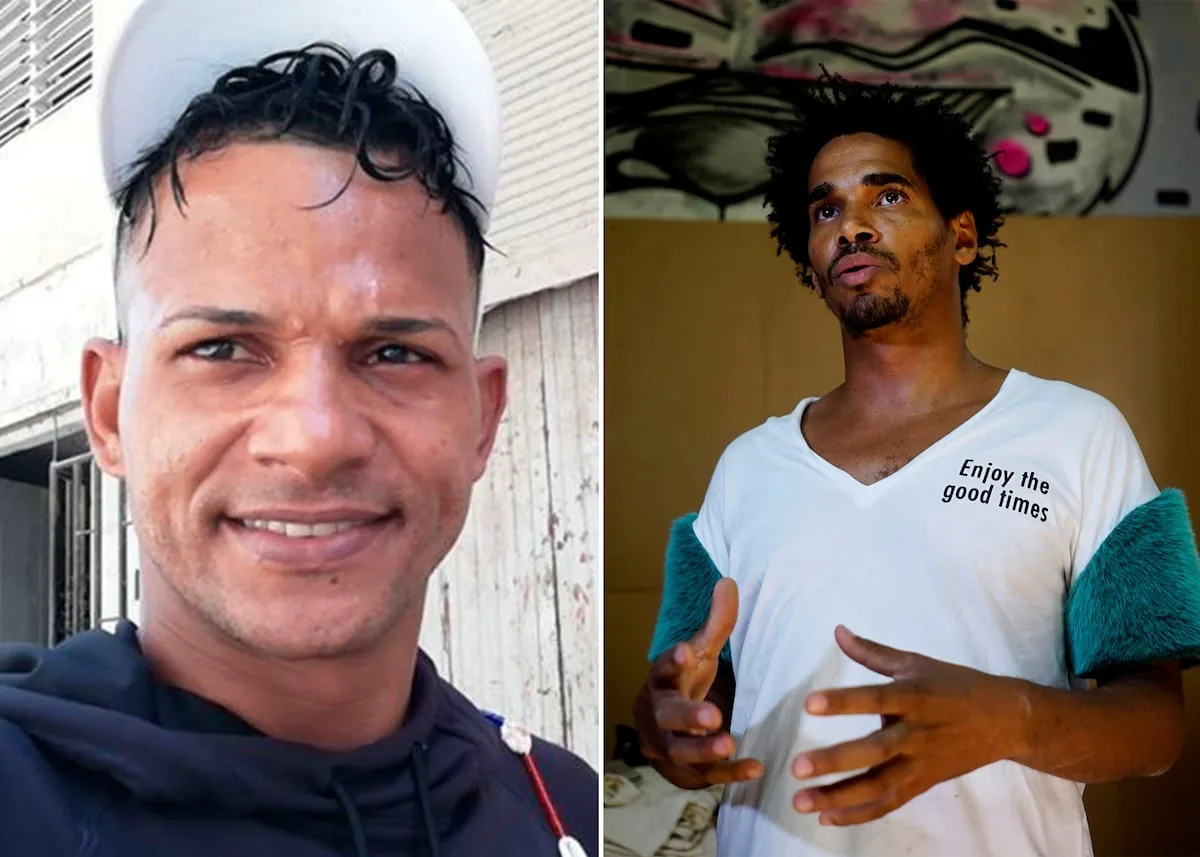
The United States Government has issued an ultimatum for Cuba to release artist Luis Manuel Otero Alcántara and Cuban rapper Maykel Osorbo, who have been held in prisons on the island for five years. In a secret meeting on April 10 in Havana, as part of negotiations that both governments have confirmed but of which very little is officially known, State Department officials offered Cuban authorities a two-week deadline for the release of the high-profile artists “as a gesture of good faith,” as well as the release of the rest of the more than one thousand political prisoners that the regime keeps behind bars.
Read more Vox and PP bring to Jaén the “national priority” in social aid over migrants
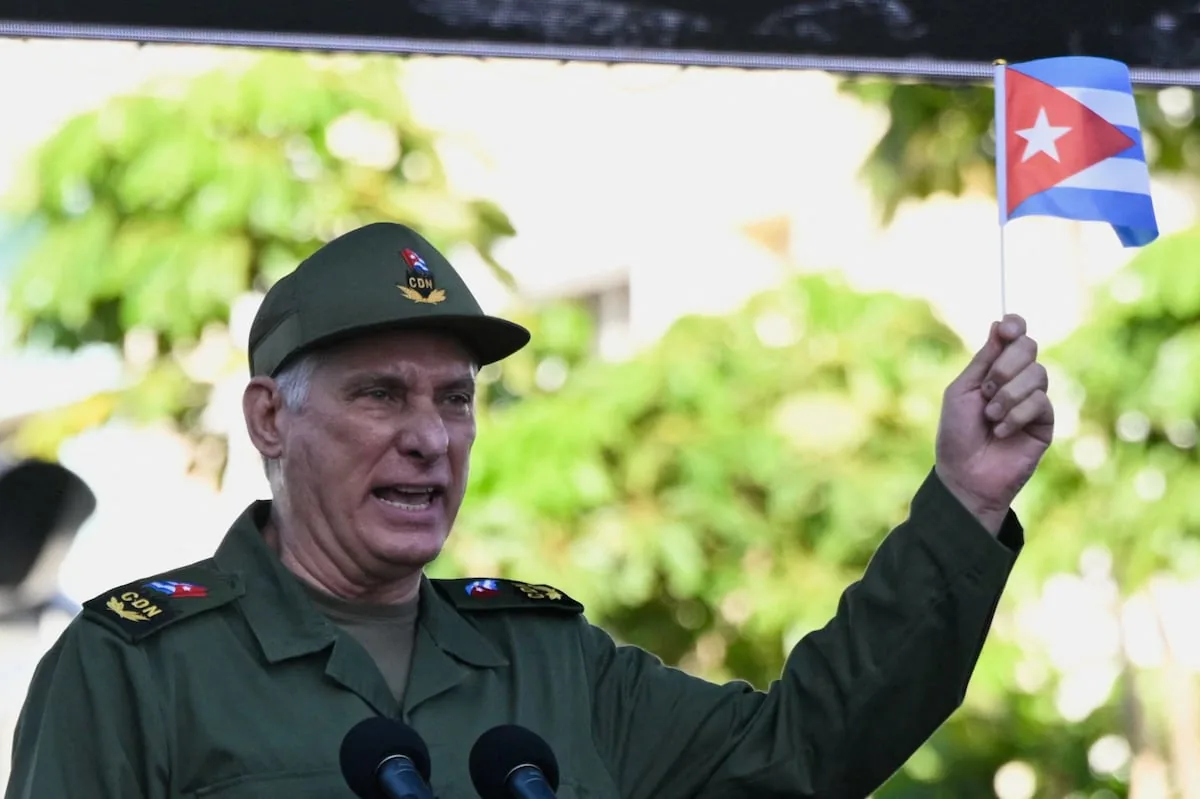
In the statement, accessed by the US media outlet USA Today, a State Department spokesperson insisted that President Donald Trump “remains committed to the release of all political prisoners,” in addition to generating the change that Trump recently called a “new dawn for Cuba.” Although a few months ago the Republican administration spoke of economic rather than political reforms on the island, the discourse coming from Washington has taken a turn in recent weeks, ruling out negotiations unless Miguel Díaz-Canel’s government also yields on the political front. “The Cuban government has a small window of opportunity to reach an agreement,” the source stated.
Osorbo and Alcántara, two of the island’s most recognized political prisoners, who led the symbolic hunger strike at the San Isidro Movement headquarters in 2020, were arrested a year later after being targeted by the regime for some time. The first was taken by Cuban political police from his home in Old Havana, naked and barefoot, while he was having lunch. The second was arrested on July 11, 2021, when he was leaving his house to join the demonstrations that took place throughout Cuba that day, leaving a toll of thousands of citizens turned into political prisoners to this day. Osorbo was sentenced to nine years of deprivation of liberty. Otero to five, so his sentence would formally be coming to an end in three months.
At the beginning of April, Havana announced the pardon of 2,010 prisoners, one of the largest it has made within the framework of negotiations with the United States. A month earlier, the Cuban Government had reported the release of 52 inmates. However, at neither point has it acknowledged that this is a pact amidst dialogues with Washington, but rather recognizes it as “a habitual practice in our criminal justice system and of the humanitarian trajectory of the Revolution,” and as part of the religious celebrations of Holy Week. Among those released, independent human rights organizations have detected very few releases of prisoners of conscience.
The mid-April meeting between Cuban and United States authorities in Havana is the first time a US delegation has traveled to the island since the re-establishment of diplomatic relations with former Democratic President Barack Obama ten years ago. The media outlet Axios reported that at the meeting —in which Raúl Castro’s grandson, Raúl Guillermo Rodríguez Castro, alias El Cangrejo, participated— US officials once again informed the Castro authorities that “the Cuban economy is in free fall and that the island’s ruling elites have a small window of opportunity to implement key US-backed reforms before circumstances irreversibly worsen,” according to an official told the aforementioned outlet.
Read more John Korir gifts a course record to the Boston Marathon, which celebrates its 130th edition
Among other things, the meeting addressed the US proposal to collaborate on internet connectivity through the installation of Starlink satellite services, and the possibility of gradually dismantling the economic embargo on the island that has lasted more than six decades. In that case, it would be necessary to compensate American individuals and companies whose assets and properties were confiscated after the triumph of the 1959 Revolution. The need to guarantee “greater political freedoms, which would eventually include free and fair elections,” was also discussed, according to Axios.
“President Trump is committed to seeking a diplomatic solution, if possible, but will not allow the island to become a serious national security threat if Cuban leaders are unwilling or unable to act,” the official said.
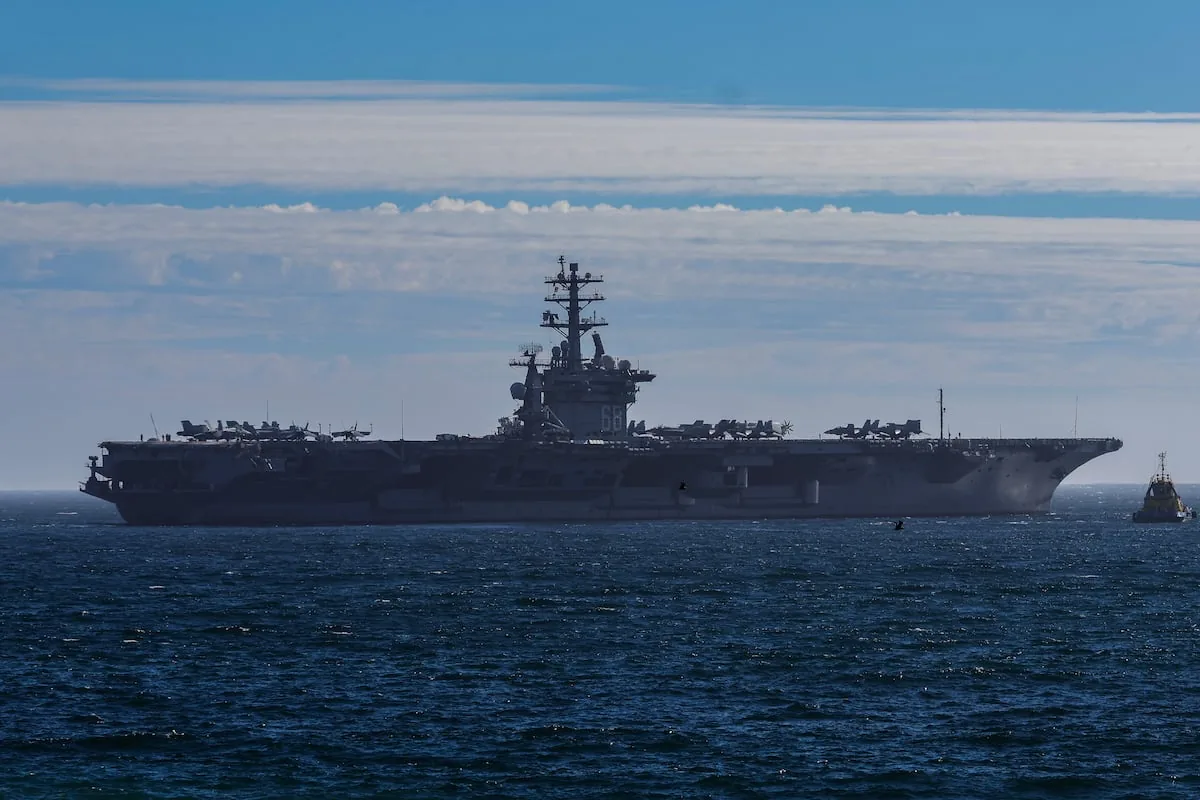
Although a haze still surrounds the diplomatic conversations between both governments —which constantly deny or contradict each other with rhetoric of sovereignty, on the Cuban side, or constant threats, on the US side—, the truth is that there is official recognition of the negotiations taking place after the capture of Nicolás Maduro in Venezuela, when Trump began to hint that Cuba would be his next destination. Since then, there have been moments of silence or more or less direct attacks. USA Today reported on April 15 that the Pentagon was discreetly preparing a military intervention, should Trump give the order to intervene in the country 90 miles from Florida.
Later, Trump was asked by journalists on Air Force One if he was considering the idea of a military attack on Cuba. “Well, it depends on your definition of military action,” he replied, accustomed to speaking without being precise, or leaving room for doubt. All these months, he had limited himself to saying again and again that Cuba was “a failed nation,” now with a noose around its neck without the fuel aid that came from abroad, with the blockade he decreed on January 29.