







At the age of twelve, Crazy Horse had already killed a buffalo and was riding his first horse. At the age of twelve, Hristo Stoichkov walked home crying. Three kilometers on foot, treading the dirt and mud of communist Bulgaria, crying non-stop. His team’s coach had told that short, thirty-something-kilo boy that he wasn’t good enough for football. That he shouldn’t come back to train. It was the hardest day of his life.
At the age of 24, Crazy Horse was named chief of the Oglala Lakota Sioux due to the aura of his charisma, his generosity towards his tribe, and his skill in combat against the white man. At the age of 24, Hristo Stoichkov, who had refused to throw in the towel because of that jinxed coach, left CSKA Sofia and signed for Cruyff’s Barça. He entered the battle of the Dream Team with Crazy Horse’s war cry: Hoka Hey, which means something like “Today is a good day to die”.
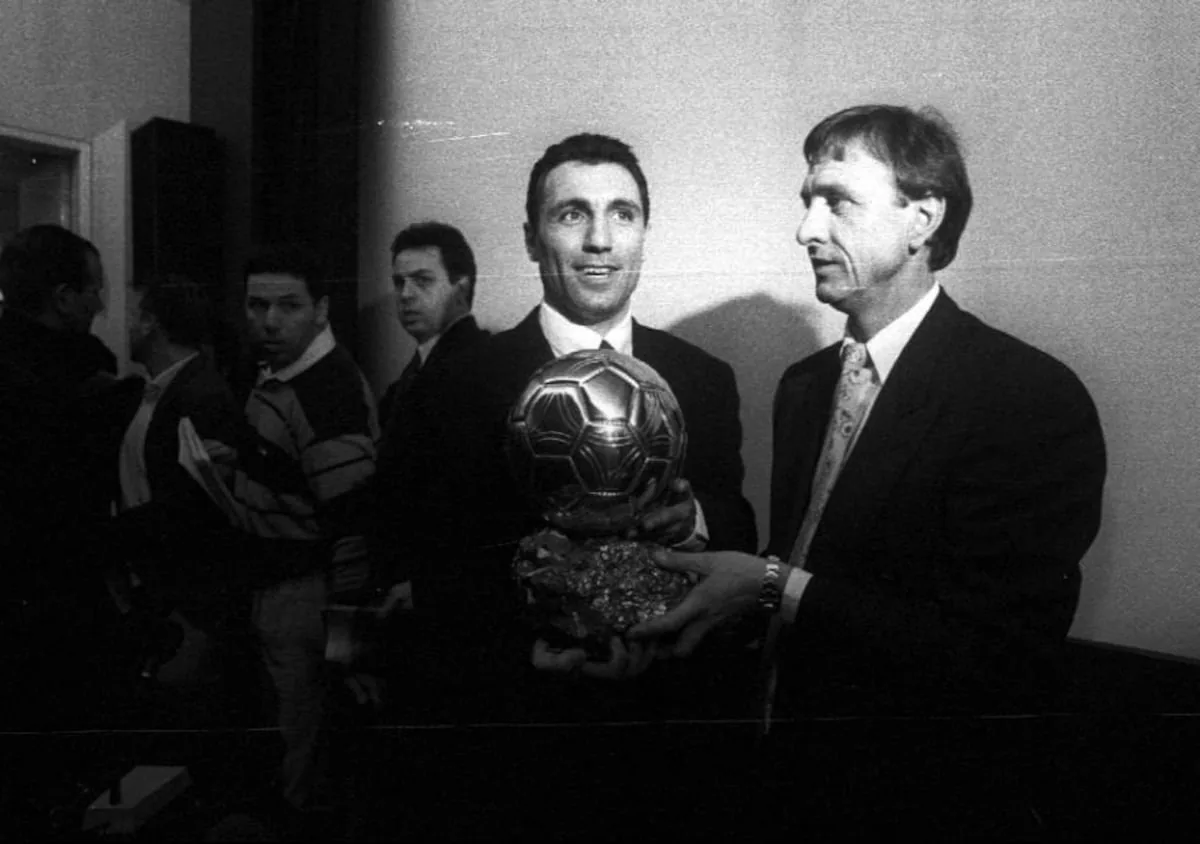
At the age of 37, Crazy Horse, the legendary warrior who had managed to defeat Lieutenant Colonel Custer’s Seventh Cavalry, was assassinated. At the age of 37, Hristo Stoichkov, the Barça footballer who had won four Leagues, one European Cup, one Cup Winners’ Cup, two European Super Cups, two Spanish Super Cups, two King’s Cups, a fourth place in the World Cup, and a Ballon d’Or, left football forever.
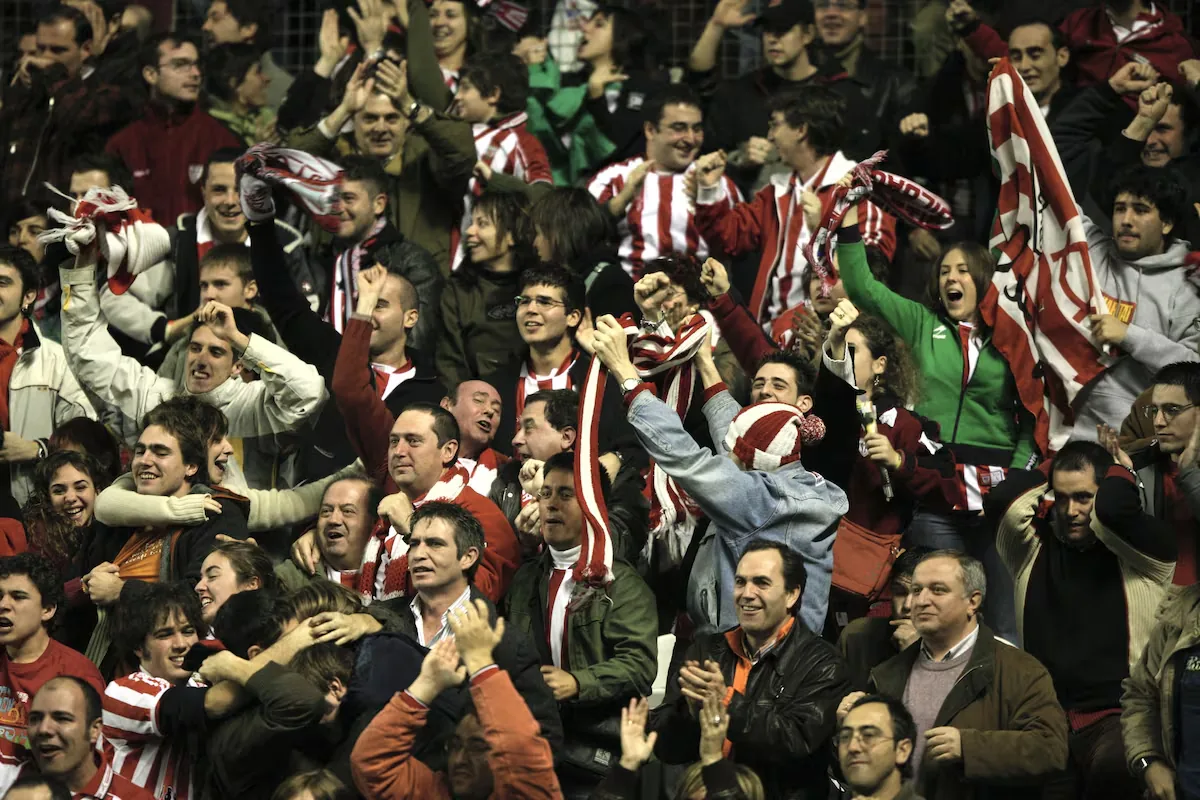
I haven’t stopped thinking about Crazy Horse while watching the three-hour exciting biopic about Stoichkov —Hristo, the Untameable— directed by David Fernández for TV3. It’s a journey into the heart of the Crazy Horse who captivated our childhoods with the number eight on his back and that walk, that look, and that slicked-back hairstyle so reminiscent of Andy Garcia in The Godfather III. Stoichkov was the countercultural footballer —as defined by writer Anna Ballbona— who combined his runs down the wing with a violent stomp on referee Urízar Azpitarte, a kiss on Koeman’s lips, shaking President Pujol to make him jump on the balcony of Plaça Sant Jaume, defending an estelada twenty years before the procés, or the electric clashes with rival players, with Cruyff, with Núñez, with the press, with anyone.
A rebellious man. Fearless. Impulsive. Aggressive. A fighter. Stubborn. Passionate. Visceral. The gladiator who made the Camp Nou roar. The perfect villain for Chamartín. The longed-for antihero in this standardized era where footballers taste like recycled plastic, colorless and odorless, like an Instagram post, a predictable tattoo, and the same faded haircut.
Read more From nail to nail: nothing is left to chance when a masterpiece is moved
There are no Stoichkovs left. It’s not a Panenka lament. It’s not an eternal hatred of modern football. It’s the realization of how current sport has been cornering —worse: taming— the personalities that broke the mold and crossed the line. Ayrton Senna’s charges into Alain Prost’s car on the Suzuka bend. Valentino Rossi’s kick to Marc Márquez in Malaysia to knock him to the ground for getting involved where he wasn’t wanted. Drazen Petrovic’s spit at the referee in the ACB final or Laurent Fignon’s phlegm at a Spanish camera that was chasing him in that 8-second Tour. Mourinho’s disgusting finger in Tito Vilanova’s eye. The rough play of the Bad Boys led by Isiah Thomas on the Pistons’ court. Chava Jiménez attacking his team leader Olano in that misty Vuelta that Escartín threatened. John McEnroe’s volcanic anger and his breaking more rackets than serves. The flying kick of the wild bull Cantona to the Crystal Palace hooligan who had shouted ‘go back to your country, you French piece of shit’.
They were the wild horses that enlivened the circus. The enfants terribles who electrified the story. Who made it not very edifying, perhaps, almost certainly, it’s true, but who made people get off their seats in the stands and off the sofa and turn on the radio at midnight. Who allowed a glimpse of some truth amidst so much canned product. So much profitable imposture for advertising.
A white-haired, sixty-something Hristo says that what matters is knowing where you came from, where you got to, and how you got there. He came from one of those nameless streets in communist Bulgaria. A country with a street dedicated to the Machine Gun, another to the Hammer and Sickle, and many others dedicated to Socialist Victory, the Barricade, the Heavy Tank, or the Great Turning Point. Hristo ended up a millionaire, a mass idol, king of a republican Catalonia. How. The how is the question. And it seems to me that Stoichkov has a lot of that short boy who one afternoon walked away crying down a dirt road. A boy who refused to grow up and who has done everything, as Crazy Horse demanded of the white man, living life his own way.
Read more The Kitchen trial shows the raw entrails of the Police