






Mario never has time. He’s always running, towards the next adventure. When he’s not saving worlds, or his beloved Peach, he sprints with a car, plays tennis, cures patients, or dances. “He’s good at all sports! He’s a plumber, but the truth is he’s an expert in all trades,” his website reads. “He’s very positive and always cheerful,” the same text adds. A universal talent, like the love he receives: Nintendo estimates 452 million video games sold, although some estimates reach double that. A survey in the US in the nineties concluded that he was more famous than Mickey Mouse. A colossal success, but also exhausting. That’s why in some video games, if the user leaves the controller still, the protagonist takes the opportunity to sit down. Soon, he falls asleep and even starts snoring. Because Mario is unique and, at the same time, like anyone. And that’s why everyone is fond of him, at least a little. Even more so now that he’s celebrating a triple anniversary. Let this report serve as a gift, then.
Read more Amitav Ghosh, writer: “In the US, the doomsday shelter industry has greatly expanded”
His creator, Shigeru Miyamoto ―whose thanks to EL PAÍS readers can be seen at the end of this article―, stated that the character is “between 24 and 25 years old.” But the truth is he appeared 45 years ago: however, in 1981 he didn’t have the name or the prominence he has today. He was christened Mr. Video, or JumpMan (jump man). And, in the video game Donkey Kong, he was the guy who dodged the barrels thrown at him by the evil ape, to rescue the princess. History, then, considered him a carpenter. So the myth needed some tweaking: a more appropriate profession, since he went down so many pipes; or the casual appearance during a meeting at Nintendo’s US offices of Mario A. Segale, an Italian-American businessman who leased the property to the company. He came to vehemently demand the rent. But he ended up giving the title to the 1985 video game Super Mario Bros.
The rest was done by technical limitations: a cap, so as not to design hair; mustaches, to hide the mouth; and overalls, to save more clothing animations. So 45 years have passed since Mario embarked on his journey towards his beloved stars. And four decades of his solo epic, whose celebrations continue. These weeks, he’s also sweeping the cinemas again, with Super Mario Galaxy. There is no other video game character capable of becoming such an icon of popular culture. Restaurants, theme parks, or the comic book Lonely Plumber, by Niall Breen are dedicated to him. He is seen in museums, t-shirts, toys, watches, backpacks, Legos, and even rattles, through the recent My Mario baby line. Because the young people who grew up with him are now spreading their passion to their children and grandchildren. His website says he loves “partying with his friends.” He has plenty of reasons for it.
1000 C H A N G E
There are also quite a few reasons for his triumph. “It’s like the quote from The Leopard: ‘If we want things to stay as they are, things will have to change.’ A user of the first Mario who tries the latest one will understand. You can play with a joystick and one button, it has a simple entry, although it then proves difficult to master. There is always something different, but the core remains,” reflects Manuel Curdi, Nintendo Spain’s marketing director for 20 years. “The most important thing is that it’s very entertaining, for all ages and audiences,” adds Pablo Díaz, a violinist with a passion for the plumber’s works. “It was literally the first title an entire generation got their hands on. It helped invent and define what we expect from video games,” adds Chip Carter, who followed the character’s growth since 1990, through his pioneering specialized column in The Chicago Tribune.
In the history of video games, Mario’s importance is, at the very least, difficult to exaggerate. It’s not just about a popular character or a long-running saga, but about a way of understanding design and the relationship between user and world. Specialized journalist Paula Sáez Pérez emphasizes the foundational nature of the first Super Mario Bros.: how it “managed to establish side-scrolling” and how it introduced learning mechanics without the need for text. “The first level of the game is still studied in design schools,” she points out, precisely because of its ability to teach without words. Some consider it the best implicit tutorial ever.
I C O N O
“His influence is absolute and remains relevant. At first glance, it seems to only affect mechanics, but it also encompasses the very concept of adventure and how to offer it to the player,” notes Adrián Suárez, co-author of the essay About Mario: From Plumber to Legend. This idea, condensed into minimal resources, was revolutionary at the time. “There were secret places, changes in the sky, very few elements… and yet it proposed an enormous journey,” Suárez adds. The key was not quantity, but precision. From the structure to the small visual details, Mario laid foundations that continue to be replicated. “Prestigious authors like Hideo Kojima or Hidetaka Miyazaki have recognized his influence,” points out the expert, doctor in video game narrative and professor at UNIR.
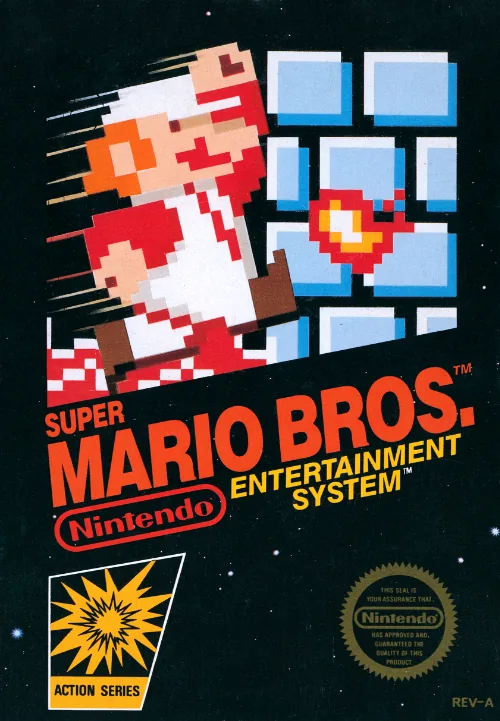
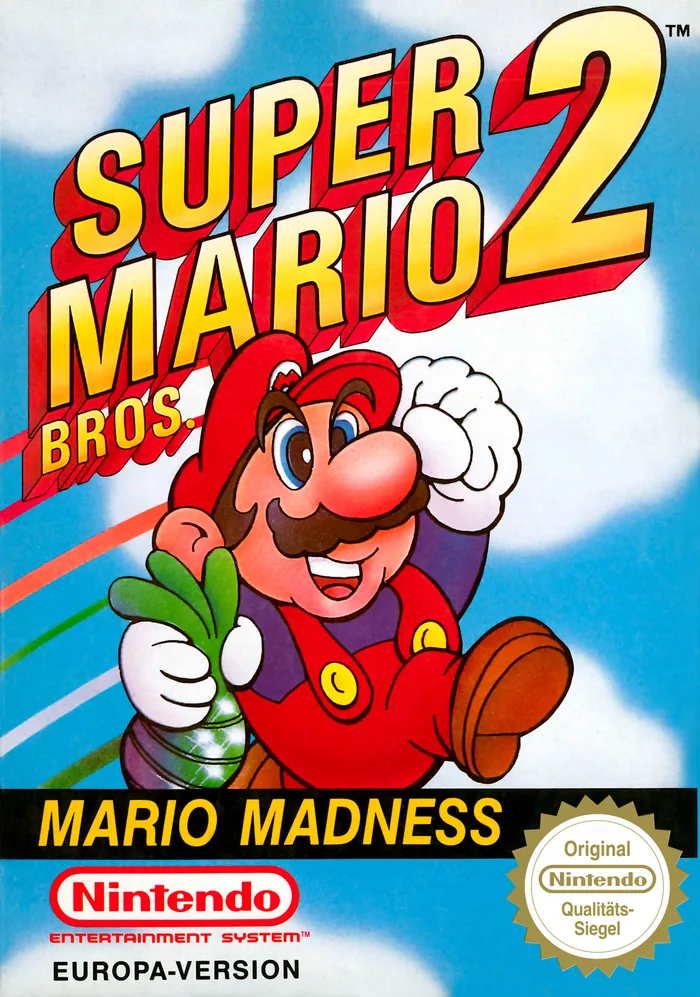
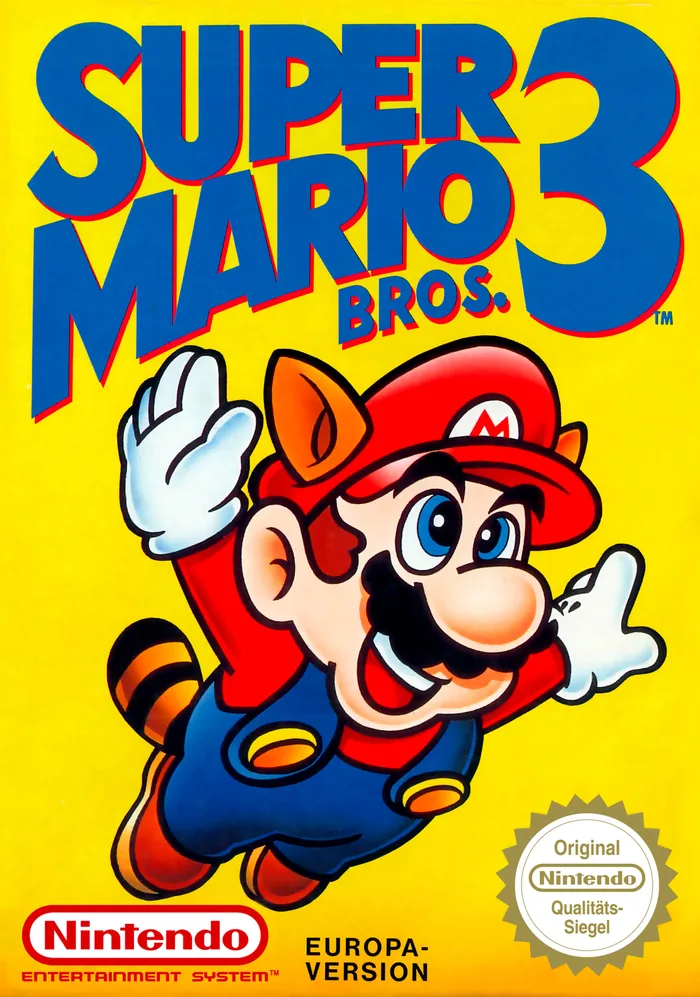
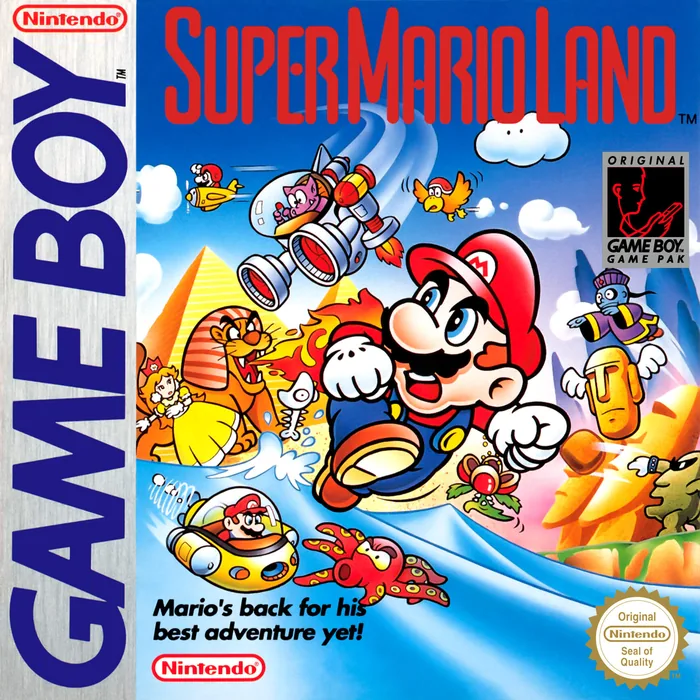
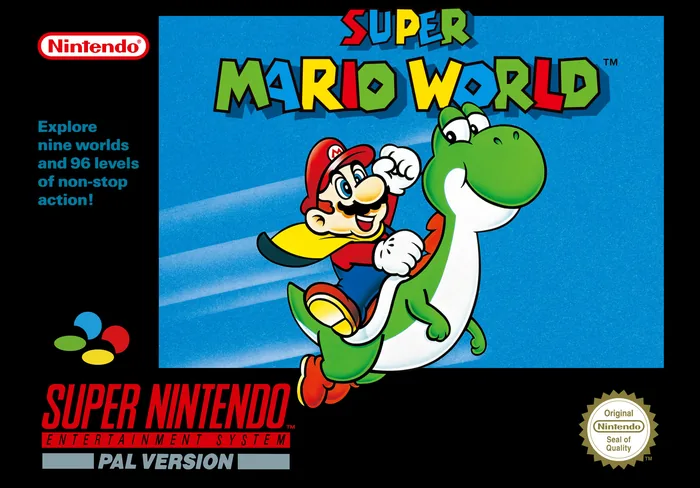
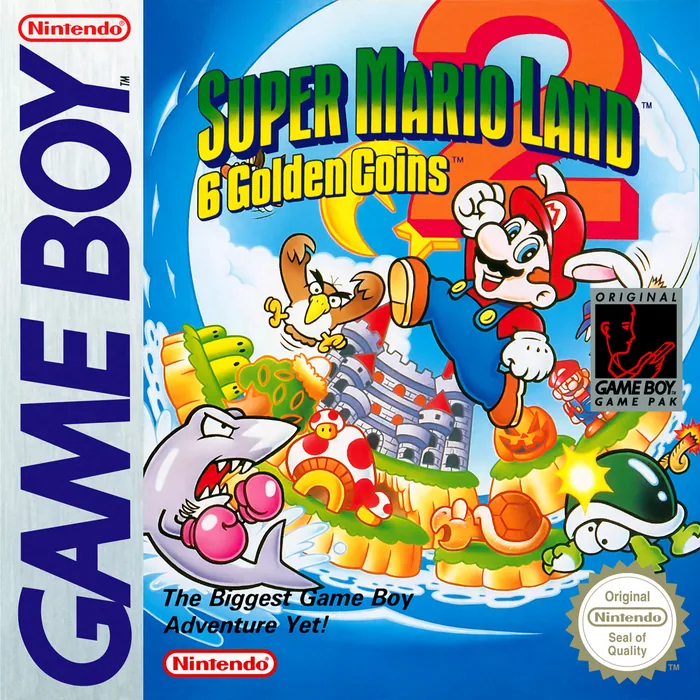
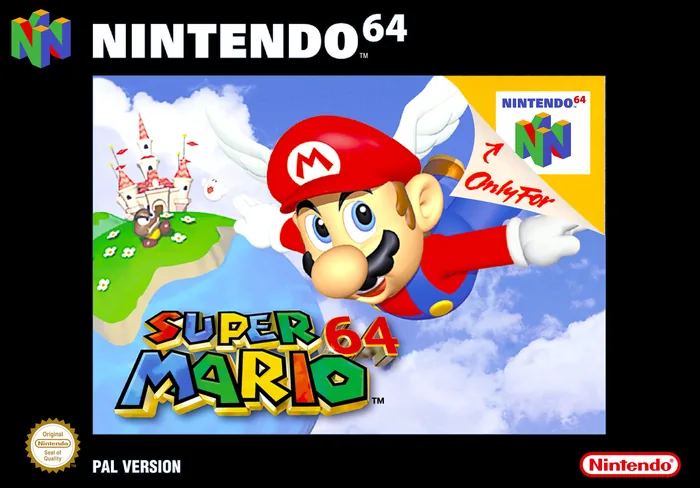
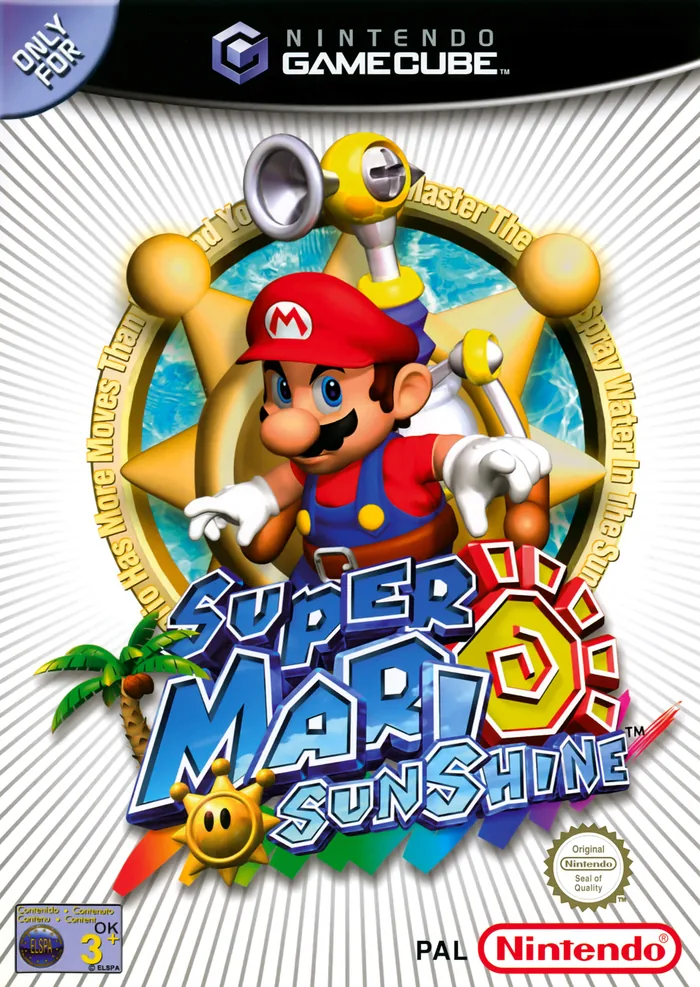
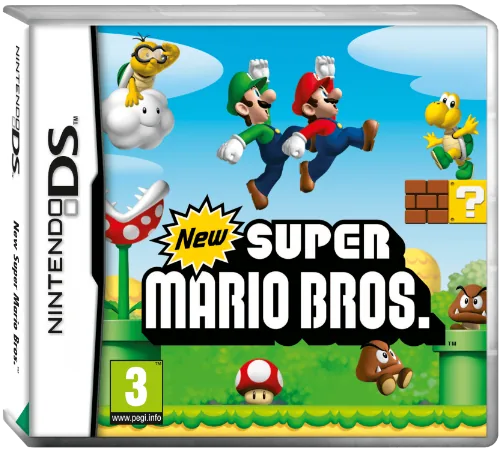
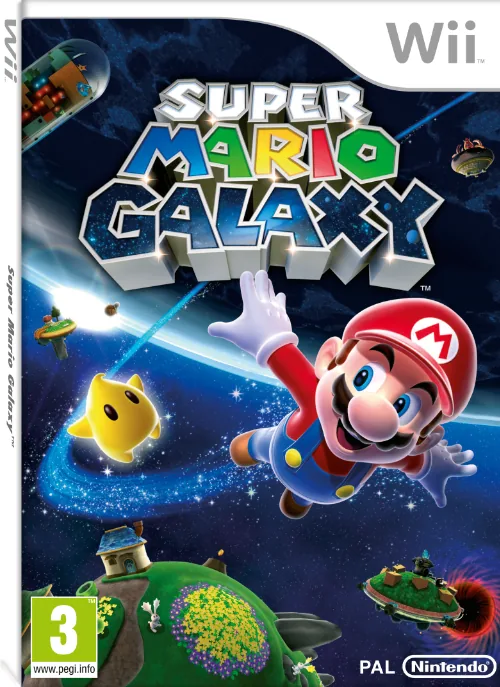
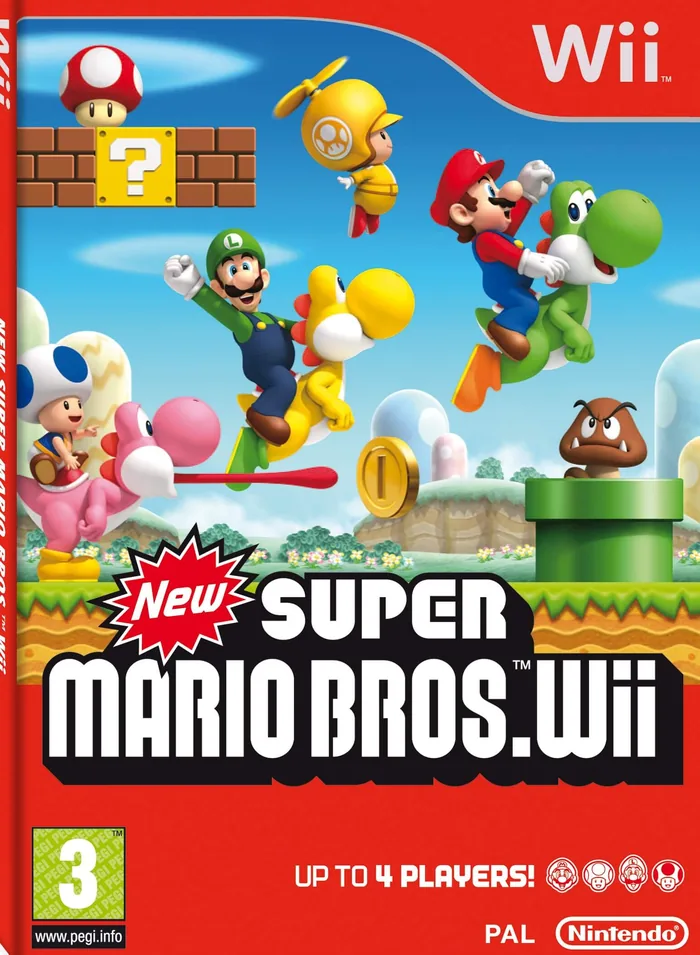
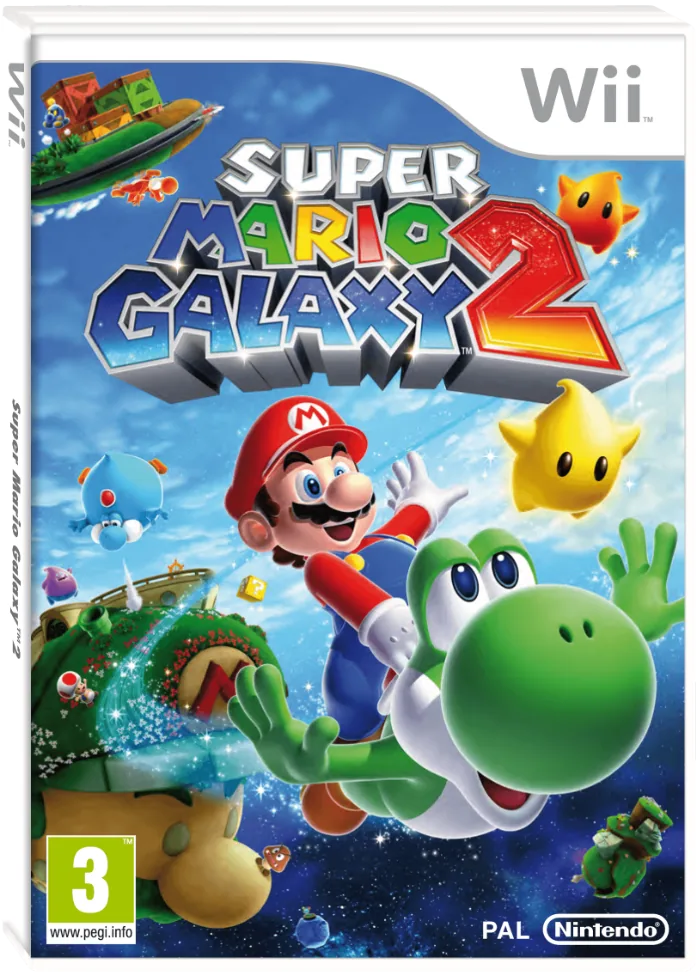
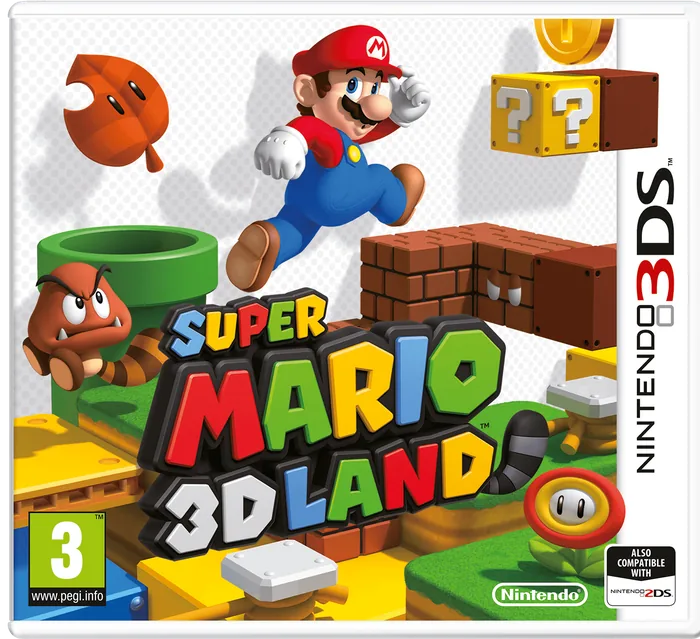
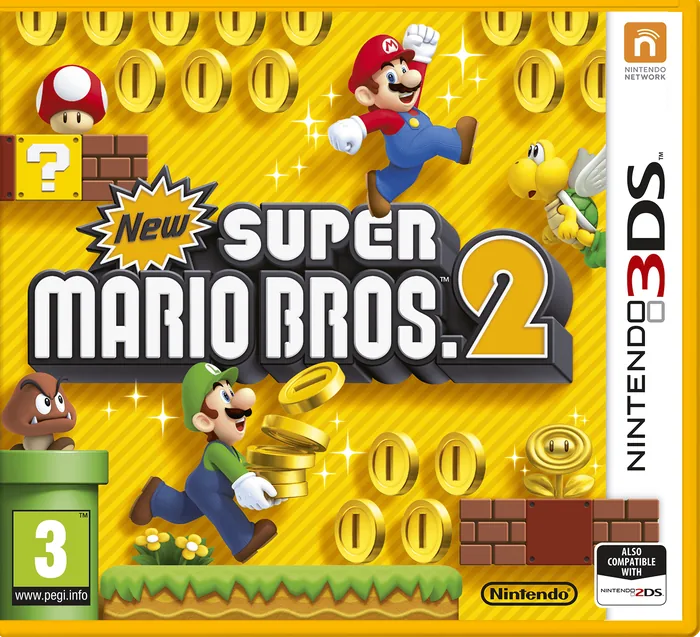
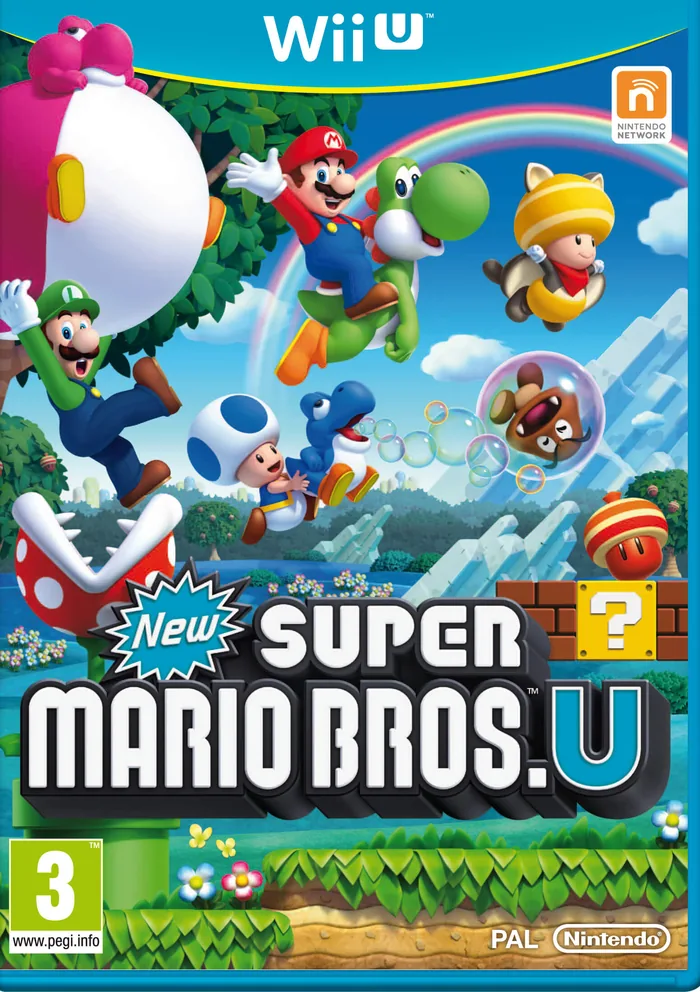
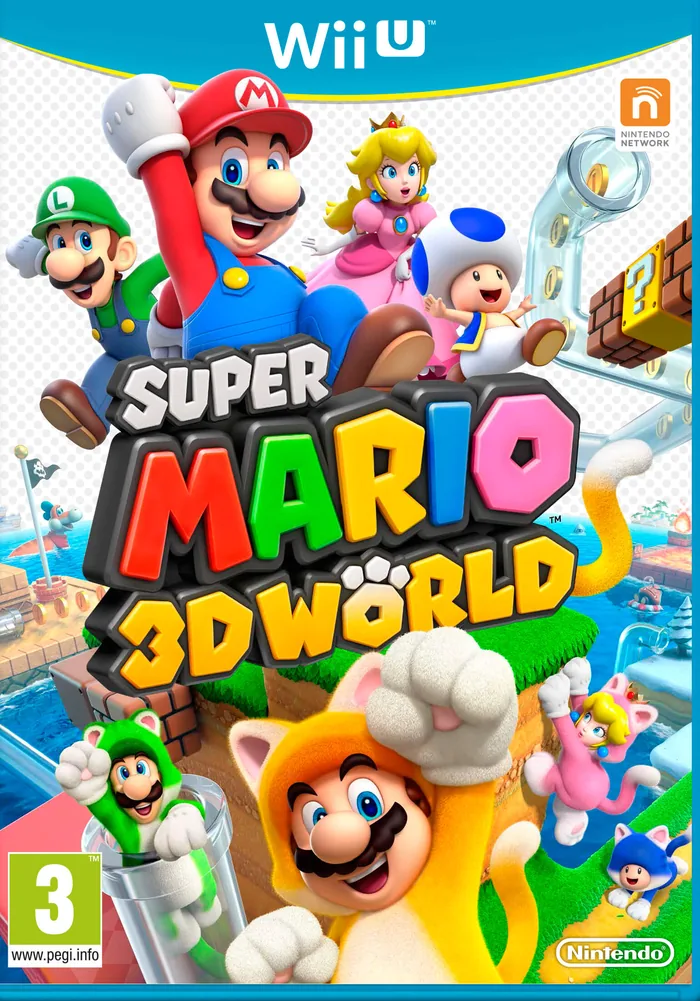
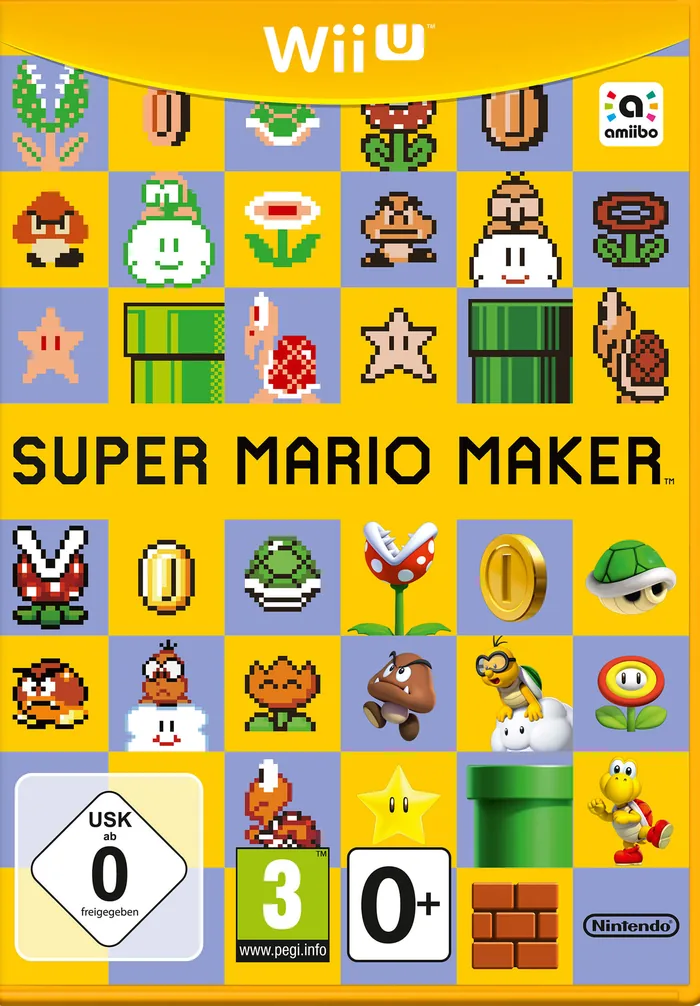
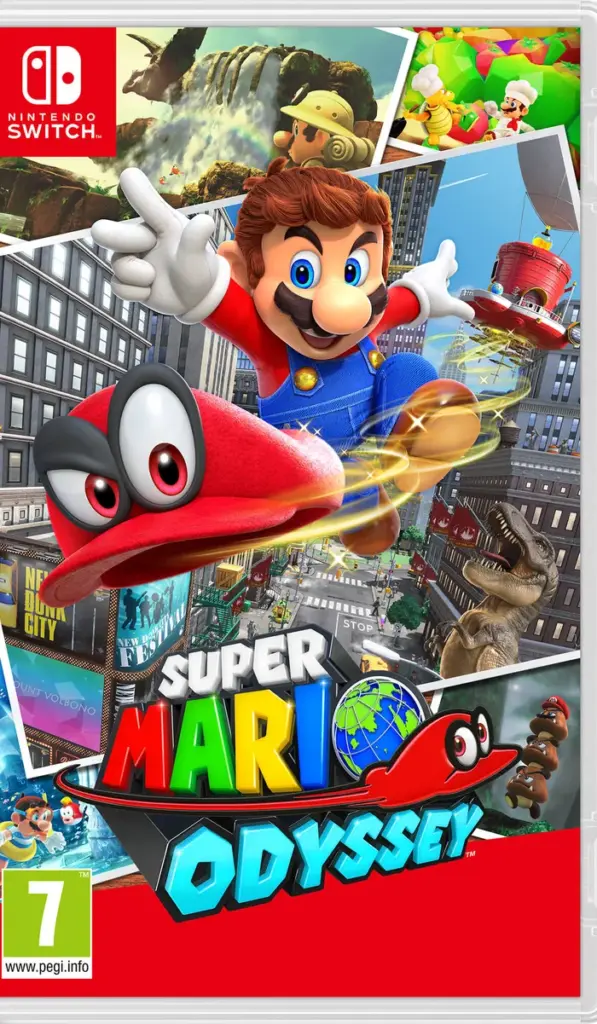
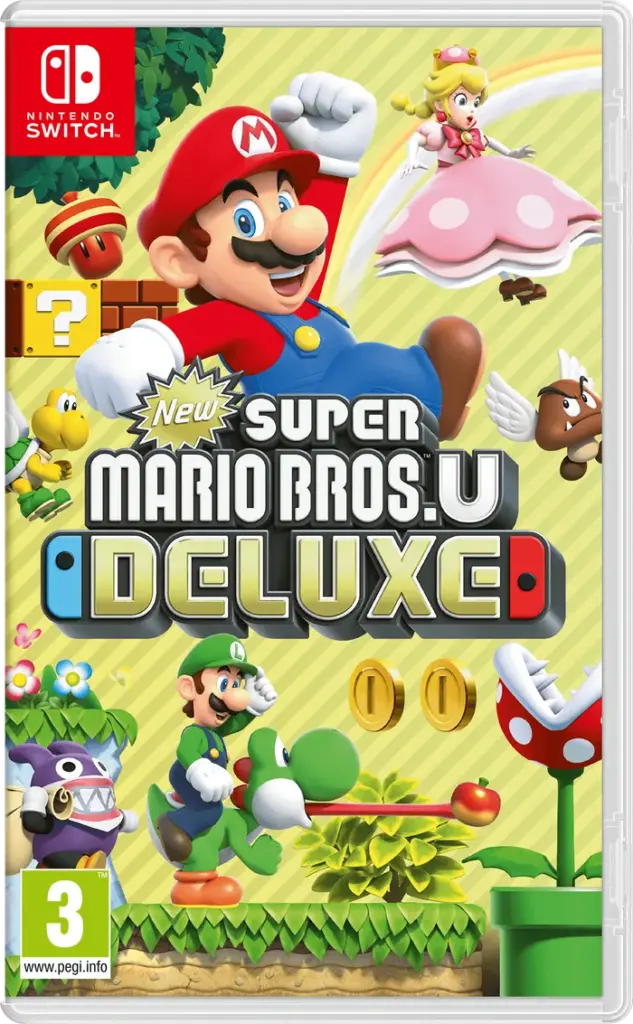
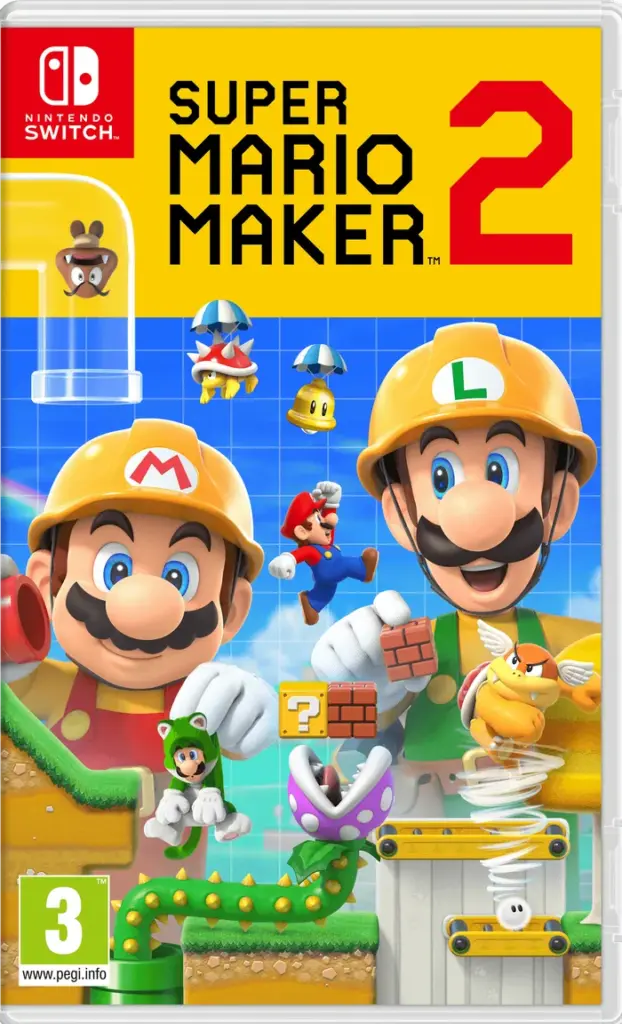
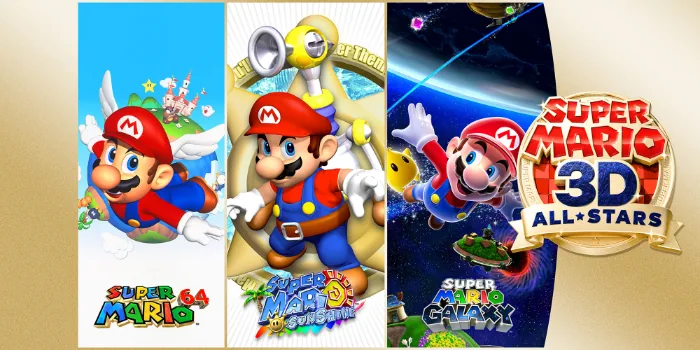
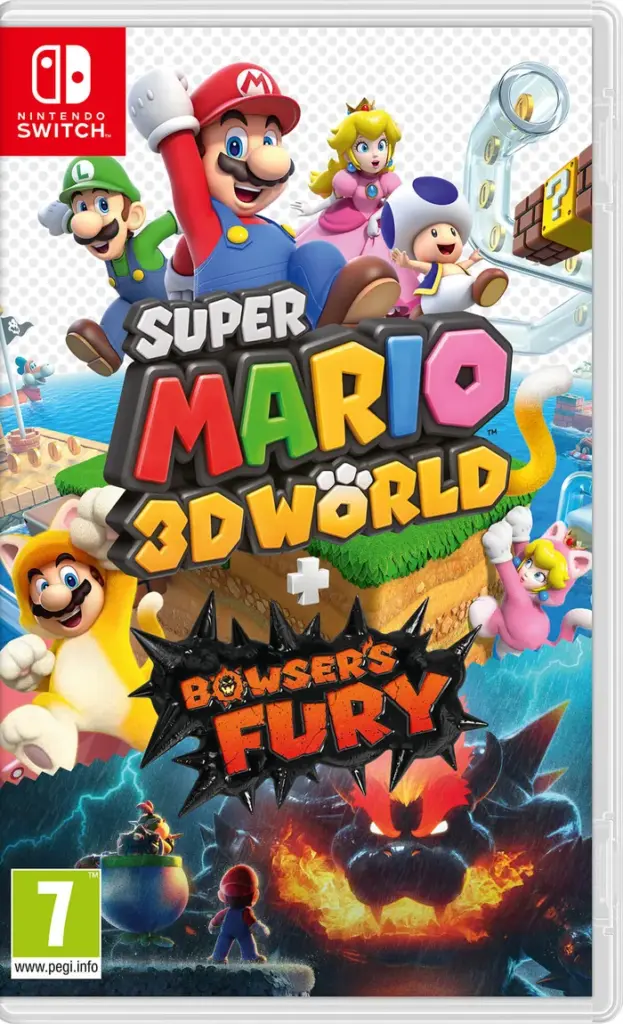
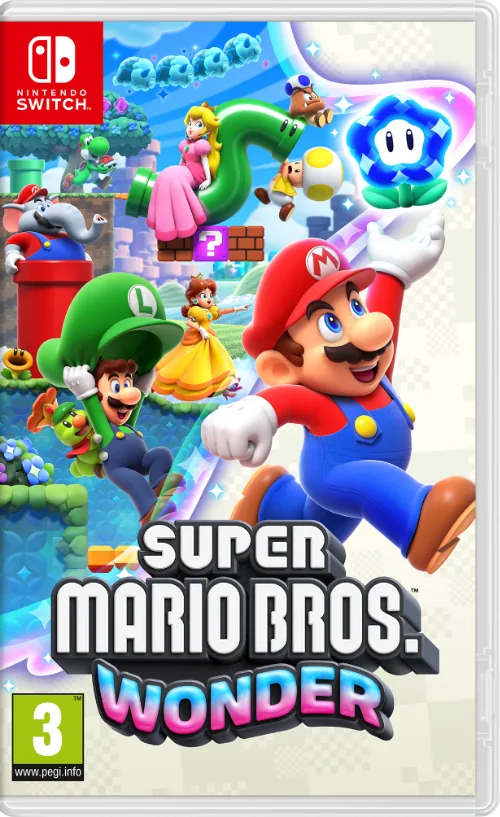
The saga, to date, totals 24 main games. And about 200, if the Kart series and any other screen appearance are included. Where, on the other hand, his biggest misstep also occurred: the 1993 live-action movie. Consoles have come and gone, from Nintendo and GameBoy to the current Switch 2, but Mario has remained its standard-bearer. Unreachable in popularity for any rival, be it Sonic ―condemned for once to run behind, not ahead―, Lara Croft or Pikachu. Also invincible in the market, just like when he grabs a star, or a mushroom. Miyamoto, by the way, had to clarify that the magic of those mushrooms was inspired by folklore tales and not by Alice in Wonderland, much less by hallucinogenic experiences.
All of this remains intact up to the most recent title, Wonder, from 2023. Although, in their development diary, the creators say they sought to reproduce the “wonder” of the first Mario. In line with the Leopardian vision, the plumber still advances and jumps from left to right, collecting bonuses and coins along the way, until he faces the most fearsome turtle: Bowser. Around him, however, ideas multiply even more than threats. The proposal of a realistic-proportioned Mario who would hum the famous music as he advanced and exclaim: “Boing!” when he jumped ultimately didn’t make the cut. But the work completely revolutionizes the gameplay of many levels, among flights, dragons, and bubbles, and transforms the protagonist into an elephant, or into one of those Goombas that try to chase him with their tiny legs.
R E V I E W
R E V I E W
The paradox, then, is that Mario’s simple consistency has gradually made him counter-current. In a medium that tries to become more sophisticated, where plot and graphics increasingly matter more and even prevail over gameplay, the plumber reverses that logic. “If we look at how he builds the world, we see a story that isn’t fully told, that remains implicit,” Suárez points out. This way of narrating, based on suggestion and exploration, has ended up becoming one of the pillars of modern design. “Mario explained to us how to tell adventures within playable environments. Gameplay comes first,” he adds. “Many times, to pursue a more complex and artistic status, the industry has moved towards niches. Mario embodies the opposite, the ambition to encompass everyone,” asserts Manuel Curdi. In 1985, when each player barely had a couple of cartridges and often one was Mario, just like today, when he sweeps through an unmanageable offer. So much so that the coincidence of celebrations, the debut of the Switch 2 console, and the long wait since his last 3D game (Odyssey, from 2017) have fueled anticipation for possible announcements of new releases.
Curdi, however, doesn’t give anything away. For now, we have to settle for what’s available. “Mario is charismatic, powerful, someone you easily identify with,” Suárez points out. His simplicity —a plumber with a cap and mustache— is one of his greatest strengths. “He’s almost a blank slate, he has very specific attributes, and adding more could leave someone out. He tries to be universal in everything, also in the plot or the interface,” Curdi notes.
Indeed, for someone so famous, very few characteristics are known about him. Much less political, social, or philosophical positions or values. He hardly speaks, except for an occasional “mamma mia!”, he always smiles, helps, never gives up, and little else. Hence, that same tradition that has cemented his success has been subject to critical review, especially regarding gender roles. Specialized journalist Marta Trivi points out that the classic scheme responds to a deeply rooted narrative logic: “Peach is kidnapped because in traditional stories, princesses… the hero has to rescue them. That structure is sexist.” She clarifies that it’s not about demonizing the saga, but about understanding the context in which it arises and repeats itself. “Women have always tended to be represented as passive figures and men as agents of action,” a dynamic that Mario has reproduced without questioning for decades.
Paula Sáez agrees in pointing out this imbalance, highlighting the “damsel in distress” trope as one of the most recognizable elements of the saga. However, both experts acknowledge certain advances in recent years. Trivi emphasizes that current reinterpretations seek to “turn these schemes around,” not only due to the influence of feminism, but also due to the need to surprise an audience already familiar with these narratives. Sáez, for her part, mentions the increasing prominence of characters like Peach, albeit still in a limited way. In this sense, they point out that the future not only involves innovating in gameplay, but also rethinking the dynamics that have defined its universe for years. Even the ending of Odyssey, with the princess who rejected marriage proposals from both Mario and Bowser and left, ended up falling back into the stereotype: both rushed to chase her to convince her.
Read more Leyla Kazim spent a year in the office without working and nobody noticed
T R E A S U R E
At least, in recent films, Peach is shown as a wise stateswoman and a brave warrior, from whom Mario learns. Although much deeper revolutions are not to be expected in the short term. “The character can be stretched very little. Even the smallest detail of any kind is supervised by Japan, perhaps even by Miyamoto himself. It is the intellectual property with which the company identifies itself. We have the trust of many families, that is a treasure that must be protected,” Curdi points out. Nintendo already entrusts its symbol to other companies, such as Lego or Universal, to help it explore toys or cinema, but always maintains control. After all, that’s how it has achieved 45 years of triumphs. And those to come. Enough to say Mamma mia!
There is no truce on the horizon for the myth, unless the user grants it by putting down the controller for a while. Then, finally asleep, the plumber will begin to dream of spaghetti, ravioli, lasagna, or carbonara. Even his fantasies are simple, pure nostalgia for home. No matter how much they call him Super, deep down he is always Mario: just an ordinary guy.
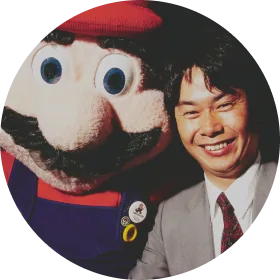
“Hello to all readers of El País. I am Shigeru Miyamoto, from Nintendo. It has been 40 years since we launched Super Mario Bros. in Japan for the Family Computer console, back in 1985. Thank you for your continued support for Super Mario!”
The Real Mario

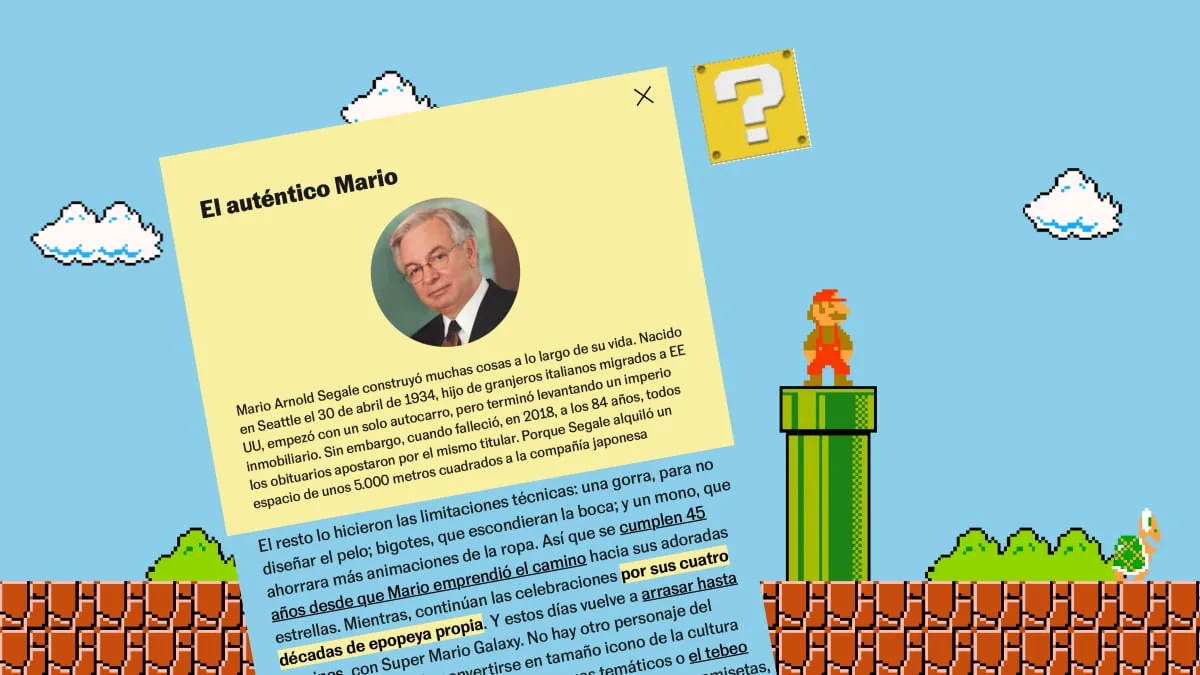
Mario Arnold Segale built many things throughout his life. Born in Seattle on April 30, 1934, the son of Italian farmers who migrated to the US, he started with a single truck, but ended up building a real estate empire. However, when he passed away in 2018, at the age of 84, all obituaries went with the same headline. Because Segale leased a space of about 5,000 square meters to the Japanese company Nintendo, which set up its offices there to expand in the US. And, one day, he burst into a meeting of his tenants, who were looking for a name for the protagonist of their video game Donkey Kong. David Sheff’s book Game Over: How Nintendo Conquered the World recounts that Segale angrily demanded the monthly rent still owed to him from Minoru Arakawa, president of Nintendo America. And, in doing so, he embarrassed him in front of everyone, until the executive promised to pay soon. At least, as soon as he left, the team had what they needed: Super Mario! The New York Times maintains that Segale was aware of what happened, but always shunned notoriety and preferred to be known for what he had achieved. In what is possibly his only statement on the matter, he told The Seattle Times: “You could say I’m still waiting for the royalty checks.”
You are Mario!
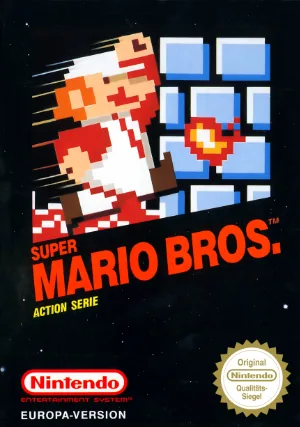
The first Super Mario Bros., released in October 1985, included this plot in its instruction booklet, now recovered by the character’s website: “One day the peaceful Mushroom People’s kingdom was invaded by Koopa, a tribe of turtles famous for their black magic. The quiet and peaceful Mushroom People were turned into mere stones, bricks, and even plants, and the Mushroom Kingdom fell into ruin. The only one who could undo this magic spell on the Mushroom People and return them to normal is Princess Toadstool, the daughter of the Mushroom King. Unfortunately, she is in the hands of Bowser, the king of the Koopas. Mario learns of the Mushroom People’s plight and embarks on an adventure to free the princess from the evil Koopa and restore the fallen Mushroom People’s kingdom. You are Mario! It will be up to you to rescue the Mushroom People from Koopa’s black magic!”
Speed Record
Pablo Díaz has managed to make a living from his talent with the violin. Which, given the precariousness of cultural work, is already an achievement. But the musician adds two more milestones: in 2021 he won the “rosco” (final round) of Pasapalabra; and he holds the fifth best global time for completing the video game New Super Mario Bros. He recounts that he saw his first speedrun, as the challenge of finishing a game as quickly as possible is known, when he was 12 years old. Although, in reality, he had already been doing it at home: “When I was little, maybe you only had one video game, or a VHS, which you would return to continuously. You would watch The Lion King or play Mario over and over again because there was nothing else. So I set myself challenges: now I’ll beat it by collecting all the coins, or without crushing any enemies.” As an adult, he discovered that a professional world existed, with its rules, training, competitions, fairs, judges, and verification systems. He started in 2021, with Super Mario 64. And he also boasts his record in Super Mario Galaxy: two hours, 15 minutes, and 27 seconds. “You practice a lot, specific levels, very difficult jumps. Distances aside, it resembles a high-competition sport. In my case, I could dedicate a couple of hours a day for weeks, but you don’t have to aim for the world record. There are games where he is so amazingly good that, if you want to try, you need years of practice.”
The Smallest Detail
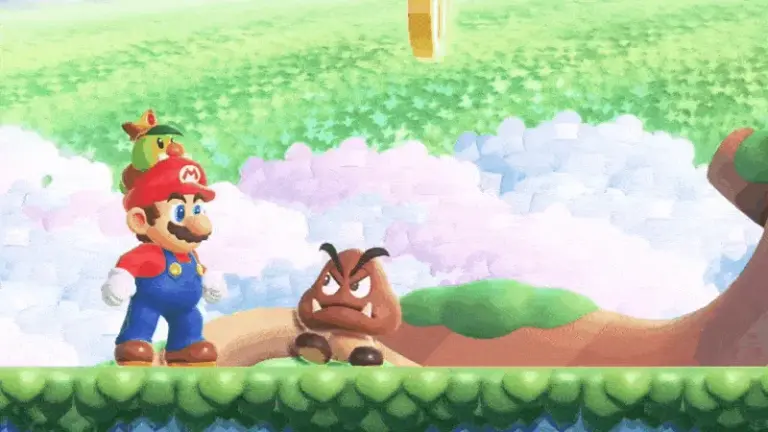
It is always difficult to get an interview with the people responsible for Mario games. They do publish, at least, development diaries, where the level of attention to detail can be checked. Thus it is discovered that, when Miyamoto was asked why Mario takes damage when he collides sideways with a Goomba, he apparently replied: “It’s because they bite him”; in the creative process of Super Mario Bros. 3, the famous author drew a sketch of Mario on horseback and hung it on the wall near his desk. Hence, the rest of the workers began to believe that Miyamoto wanted the plumber to ride. The final result was the birth of Yoshi; Super Mario World marks the first time Mario’s eyes have a white part. And in the recent Wonder, each character has a distinctive jump sound, even depending on the type of jump.
The Other Movie Adventure, No One Wants to Remember
In 1993, Super Mario Bros., the plumber’s first appearance in cinema, was probably his biggest failure to date. And an astonishing sum of wrong decisions: the script kept changing, along with its authors, from a family drama to science fiction, to a kind of Ghostbusters, to end up as a sort of Die Hard. Actors like Dustin Hoffman or Tom Hanks were considered, but the choice fell to Bob Hoskins, John Leguizamo, and Dennis Hopper. To the constant rewrites were soon added increasingly tense relationships between performers, directors – Rocky Morton and Annabel Jankel, then also a couple in real life – and producers. Over the years, a set climate of chaos, insults, and drunkenness has been revealed. The box office disaster finished off the film, and the careers of several of its protagonists. Although in 2023, Quentin Tarantino himself organized a screening in a theater, with Morton and Jankel, for the film’s 30th anniversary, it has since become a cult classic. Among many other debates, the film also opened the one about the characters’ surnames. In an interview with Game Informer in 2012, Shigeru Miyamoto stated: “There was a sequence in the script where they needed a surname for the characters. Someone suggested it should be Mario, seeing as they were the Mario Bros. So they made it Mario Mario. When I heard it, I laughed out loud. Obviously, it was eventually included in the footage. But, just as Mickey Mouse doesn’t have a surname, in reality Mario is simply Mario and Luigi, simply Luigi.”
The Best Mario
Identifying the best-selling Mario is easy: practically always Mario Kart, on any console. As for the best, however, each player will have their own idea. The cross-referenced average score from Metacritic and Filmaffinity websites offers a possible verdict: Super Mario Galaxy 2 and Super Mario Odyssey are the best titles in the plumber’s history. The former usually tops most specialized press lists. And Manuel Curdi’s personal favorite, Nintendo Spain’s marketing director: “Because it was a paradigm shift. Because of the soundtrack. And because it was probably the first video game my eldest daughter tried: she must have been five or six years old and I still remember the moment she realized she was the one controlling Mario.” Curdi maintains that there is no “bad” game in the character’s main saga, which consists of 24 titles. The original Super Mario Bros., its third installment, Mario 64, or the recent Wonder can also claim a spot among the best. The total, considering any game where the plumber appears, amounts to about 200. The worst? Mario is Missing, Hotel Mario, or Mario Party Advance are usually cited.
Monkey Kidnapper
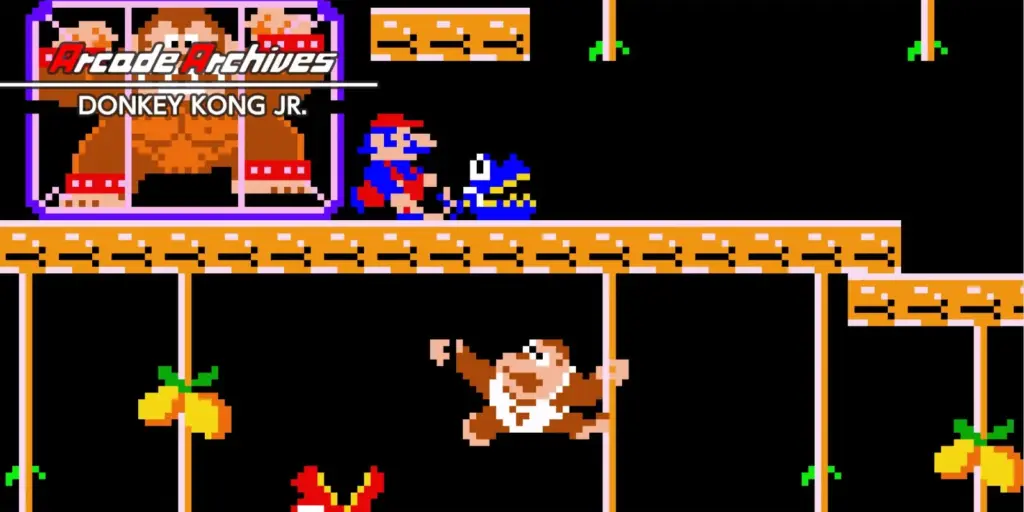
For 40 years, Mario has championed positive values. He helps, smiles, is surrounded by friends, confronts and defeats threats, which usually culminate in the final clash with Bowser. But in his early days, for once, the plumber also acted as a villain. In 1982, Nintendo released Donkey Kong Jr., which reversed the scheme of the original 1981 video game. In the first, Mario dodged the barrels thrown at him by the ape to rescue the princess. In the second, however, it was the man who had captured the gorilla and held him in a cage in the jungle. “Can Donkey Kong’s son save his dad from little Mario’s impenetrable prison?” read the game’s cover, where the human character also sported a mustache aligned with villain iconography.
Friends, Lovers, Brothers
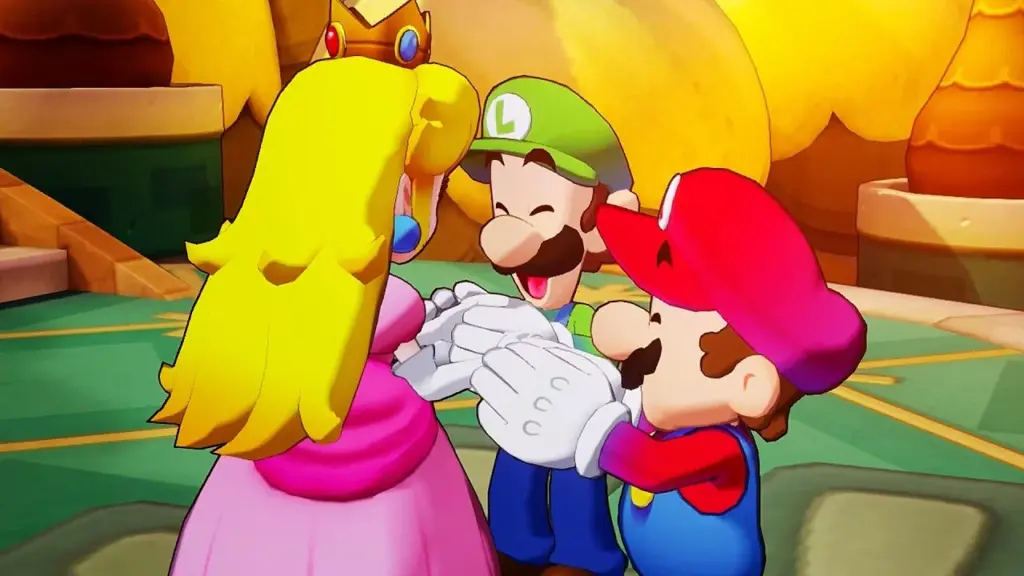
Mario’s website states: “Peach considers him her trusted friend, and everyone knows him and his brother Luigi for their acts of bravery.” And, in the princess’s profile, it notes: “She and Mario are very good friends and are always willing to help each other when they can.” In some games, however, the relationship between the two seems to go further, with exchanges of hearts or even marriage proposals. Many theories also suggest that Mario and Luigi are twins, with the former born a little earlier. In early versions, in fact, they were practically identical. Later, Luigi became taller, more timid, and donned his characteristic green clothes. Super Mario World 2: Yoshi’s Island, from 1995, offered a clue about their birth: a stork delivered both babies to their parents in the Mushroom Kingdom. Some have even found indications of something more: a theory circulating among fans suggests that Doctor Mario, protagonist of some video games, is not the plumber reinvented as a doctor, but a third brother. One of the alleged proofs in favor is that, thanks to the lab coat, the three would form the Italian flag: green, white, and red.