






This is an installment of the weekly Mexico newsletter, which can be followed for free at this link.
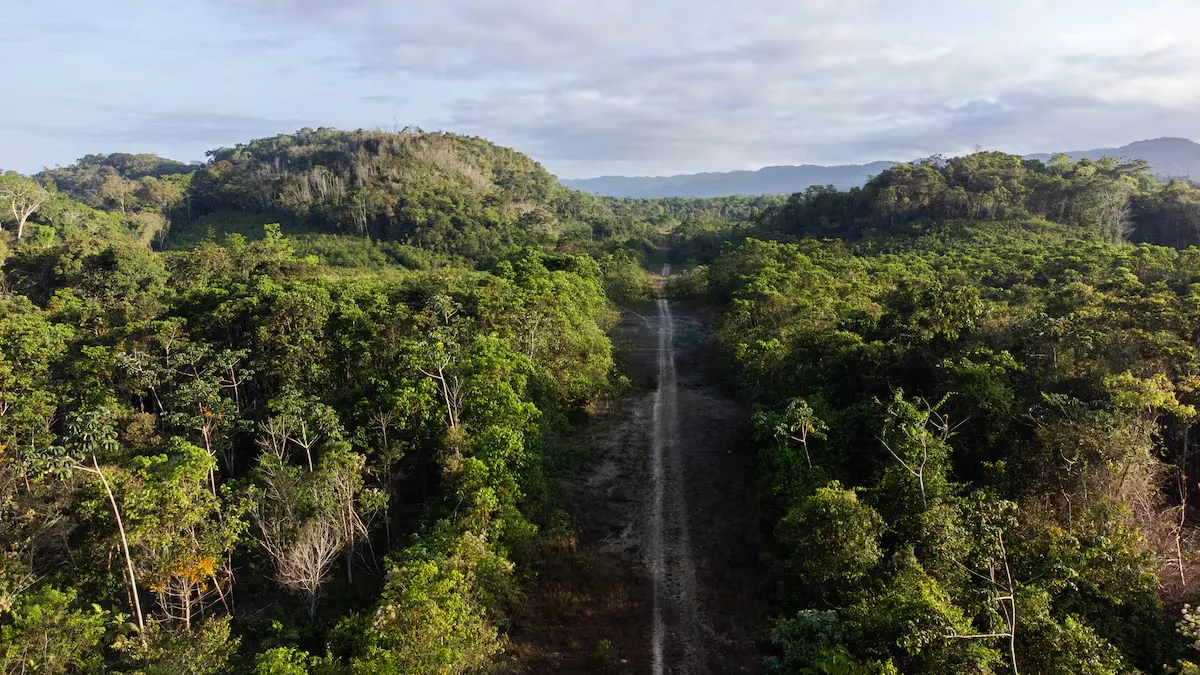
How did a Lacandon hustler, who for a long time had no more assets than a machete, come to make a fortune trafficking drugs and people, without anyone doing anything to prevent it? How did this former state police officer build two airstrips in the Chiapas jungle, one of them converted into the archaeological zone of Bonampak, the ancient Mayan city, which went from receiving archaeological experts to bundles of cocaine? Cabrero Segundo López is the protagonist of this story, which culminates with 33 soldiers kidnapped by El Cabra exchanged for the return of 100 kilos of seized cocaine.
This investigation by my colleague Pablo Ferri, several months in the making, included visits to the area, more than a dozen interviews, and readings of judicial files. Neighbors say that at first Cabrera made a living cutting a decorative palm called xate, which he sold by weight. But then came an arrest for carrying an unlicensed weapon, followed by three years by the Chiapas police. And from 2015, at 32 years old, he dedicated himself to building a criminal empire in the jungle bordering Guatemala, subjugating the police, the prosecutor’s office, and even the Army.
My colleague tells me that he is fascinated by “the fact that a character like El Cabra accumulated such an amount of power, for so long, without absolutely anyone doing anything.” And also, that “it was an interesting challenge, because we started from the extraordinary idea that the Army had knelt before a criminal group, in order to avoid greater evils.”
Read more When the bull’s breed is in charge…
It is the story of how drug and migrant trafficking grows and operates in the heat of corruption, impunity, and the fragility of institutions. But also of the complex and old conflicts in southern Chiapas, a tangle of violence where political and economic powers, armed groups, and, in recent years, organized crime are intertwined. The origin is the control of territory and natural resources, such as the Montes Azules biosphere reserve, one of North America’s natural jewels.
Behind this tangle is the distribution of land among the different ethnic groups – Lacandones, Choles, and Tzeltales, mainly – and the emergence of interests almost always from outside the communities that end up leading to the so-called shock groups. These same shock groups, serving different political or economic groups, ended up becoming part of El Cabra’s group, who, until his arrest last year, was the main criminal leader of the Lacandon jungle. So powerful in his land that he even ordered his life to be turned into a movie, more outlandish than epic.
Read more Colombia declares July 9th a holiday in honor of the Virgin of Chiquinquirá