








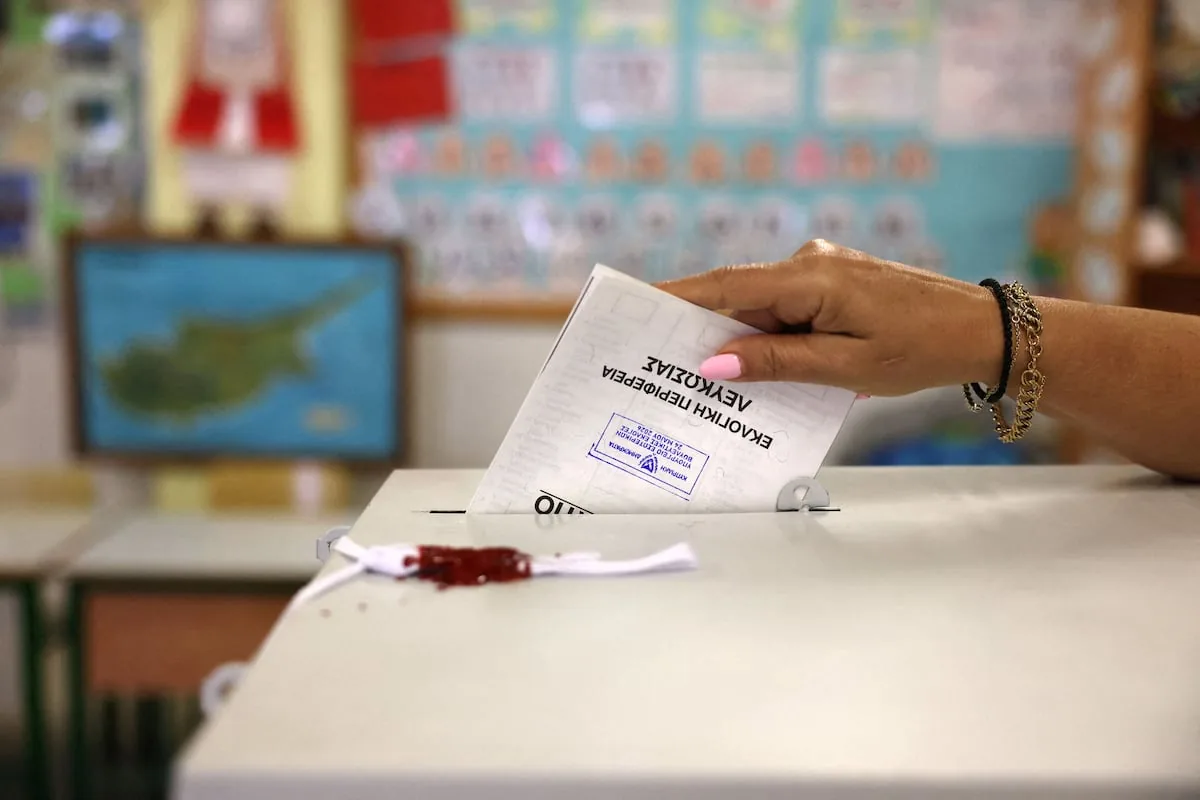
Cyprus, one of the smallest countries in the EU and its southeasternmost member, votes this Sunday in parliamentary elections marked by the expected fragmentation of the chamber, with the emergence of new parties and the decline in votes of the formations that have dominated the political landscape for the last half century amid several corruption scandals.
Just over half a million Greek Cypriots are called to elect the 56 deputies that make up the House of Representatives. Formally, the chamber is composed of 80 seats, but Turkish Cypriots have not participated in elections since they decided to withdraw from Parliament in 1964 when interethnic clashes intensified, which, 10 years later, led to the invasion of the northern third of the island by Turkey and its de facto partition.
At midday, turnout stood at 32.3%, an increase of more than six points above that recorded at the same time in the 2021 elections, reported the Electoral Commission cited by the Efe agency. This reveals greater interest in elections in which nearly twenty parties are running, most of them new.
Polls predict that the two major parties that have dominated Cypriot politics for the last half century, the right-wing Democratic Rally (DISY) and the communist Progressive Party of Working People (AKEL), will see their support base eroded even further. If until a decade ago they accounted for two-thirds of the votes, they have deflated to just over 45% in the last elections (the 2024 European elections).
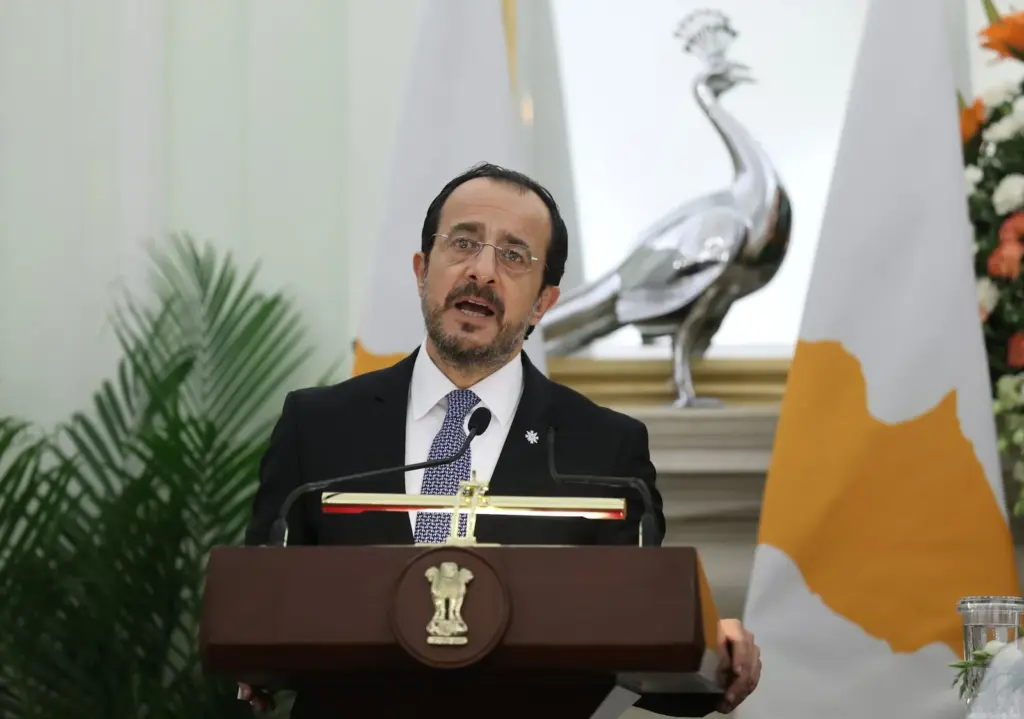
Polls also indicate that the centrist and nationalist parties (DIKO, EDEK, and DIPA), which have always been key in the parliamentary architecture and are the main support of the current president, the independent Nikos Christodoulides, will lose votes. “I do not feel anxious about the results. Whatever they are, they will be fully respected by the Executive and we will work with the new Parliament,” Christodoulides said after casting his ballot.
Cyprus is governed by a presidential system, so the elections will not determine the future of Christodoulides’ administration, which still has two years left in its term. However, they could hinder his government work if he fails to secure enough allies for the legislative process. Everything will depend on what the main conservative formation, DISY, decides, which has members who, independently, serve as ministers with Christodoulides but also act as an opposition formation with their own “shadow cabinet,” awaiting the 2028 elections.
Polls predict a significant increase in votes and seats for the far-right Popular National Front (ELAM), which acted for more than a decade as the Cypriot branch of the Greek neo-Nazi party Golden Dawn until this formation was banned and declared a “criminal group” by Greek courts and its former Cypriot comrades distanced themselves from it. Nevertheless, ELAM has been involved in violent attacks on migrants and Turkish Cypriot representatives and strongly opposes reunification negotiations.
Emerging formations
Other parties favored by polls include Direct Democracy, created by the youtuber Fidias after his success in the 2024 European elections, which gave him a seat in the European Parliament, from where he has maintained populist speeches that sometimes border on Russian narratives and are generally quite unclassifiable. Also on the rise are the pro-European Volt party and the candidacy of Odysseas Michaelides. The latter was the combative auditor general of Cyprus (an institution similar to the Court of Auditors) until, after numerous clashes with the country’s political authorities, and in a very controversial decision, the Supreme Court expelled him from his position accusing him of inappropriate conduct.
From Volt, one of their star candidates is journalist Makarios Drousiotis, who has published numerous investigations into alleged corruption cases among Cypriot elites and accused the former president, Nicos Anastasiades, of having turned the island into a business paradise for the circle of Russian President Vladimir Putin. In recent months, he has published information regarding an alleged cabal involving Cypriot politicians and judges. The origin is a leak to Drousiotis of thousands of supposed phone messages by a woman identified as Sandy, who accuses a Supreme Court magistrate of having raped her, in a case that would have been concealed through bribe payments. The explosive nature of the accusations has led to the involvement of the FBI and Europol in the investigation, although initial inquiries and interrogations have revealed that some of the messages could be fake.