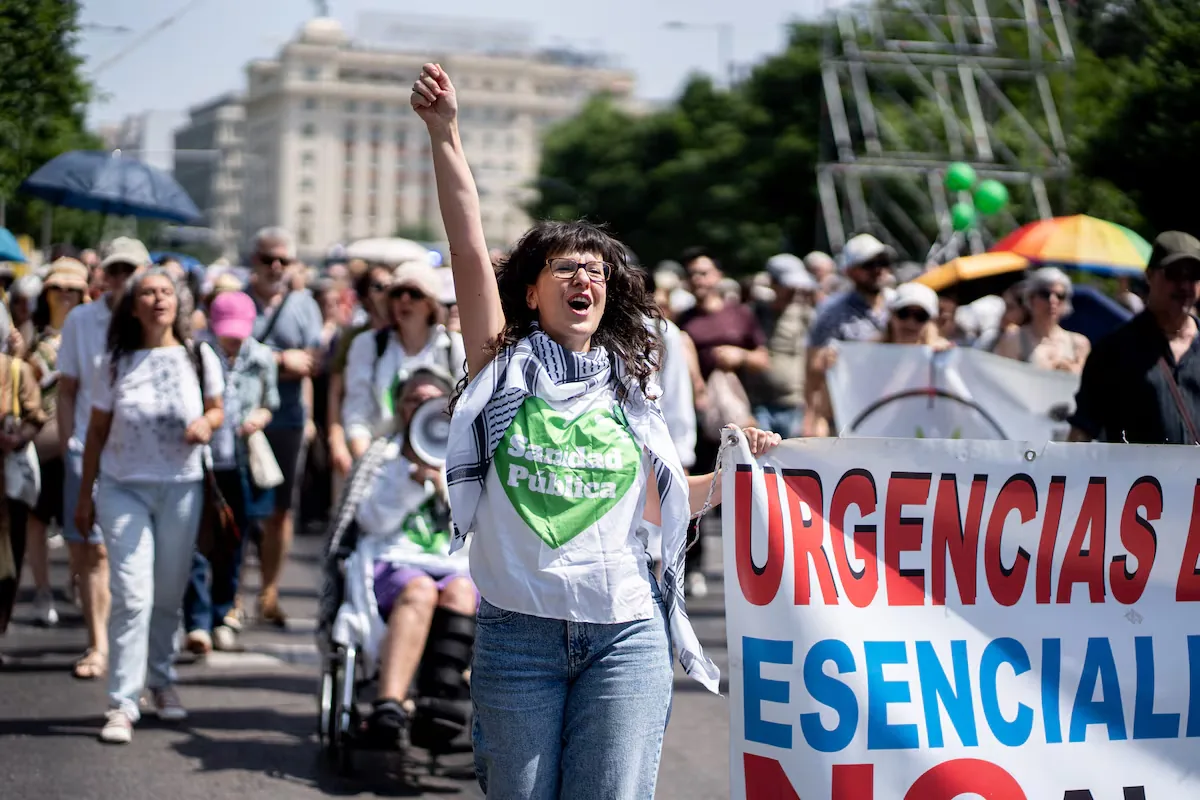









The Framework Statute regulating the working conditions of almost one million public health employees in Spain took a new step towards its entry into force this Tuesday. The Council of Ministers has approved a draft bill that has the support of the major unions in the sector, but with opposition from the specific doctors’ unions, who have been calling strikes against the regulation for months. It will now go through a hearing and public information process before reaching Congress, where it faces a difficult path for its final approval.
Read more Football shirts: the other great passion of fans
The text aims to replace the one in force since 2003. The Ministry of Health intends to improve the stability of system personnel, regulate working hours and breaks, and standardize the category of healthcare workers according to the European framework, among other changes that represent objective improvements in current conditions, but which are insufficient for the aspirations of many doctors.
These are the key points of the text:
Job stability. The text limits the maximum duration of interim appointments in vacant positions to three years and requires competitive selection processes to access permanent positions at least every two years. It also introduces compensation of 20 days of fixed pay per year worked in cases of abuse of temporary contracts.
Working hours and breaks. The maximum weekly working hours are reduced from 48 to 45 hours. On-call shifts will have a limit of 17 hours of effective work ―currently 24― and the breaks derived from them cannot generate time debt. The statute also establishes a minimum daily rest of 12 hours between shifts and a weekly rest of 24 hours.
Statutory research personnel. The document creates a specific category for professionals dedicated to health research. It will be necessary to have a doctoral degree and dedicate at least half of the ordinary working day to research. This activity can be combined with clinical, teaching, clinical management, prevention, and health promotion functions.
Professionalization of health management. Access to management positions is linked to criteria of competence, transparency, and accountability. A university degree is required, and selection will be made through a public call, evaluating training, experience, and a management project.
Work-life balance and labor rights. The regulation incorporates flexible working hours measures for those caring for children under 12 years old or dependent relatives. It also provides exemption from on-call shifts and night work for those over 55 years old, pregnant women, and nursing mothers.
Digital disconnection and occupational health. The Ministry of Health recognizes the right to disconnect outside working hours and defines “excessive working hours” as an indicator requiring organizational intervention. Additionally, it strengthens protection against aggression and discrimination based on health, sexual orientation, or gender identity.
New professional classification. Personnel are organized according to the Spanish Qualifications Framework for Lifelong Learning. Healthcare personnel are grouped according to the required qualification, from doctorate to technician. Management and service personnel are classified on a broader scale, ranging from higher qualification levels to categories without specific educational system qualifications.
Confrontation with medical unions
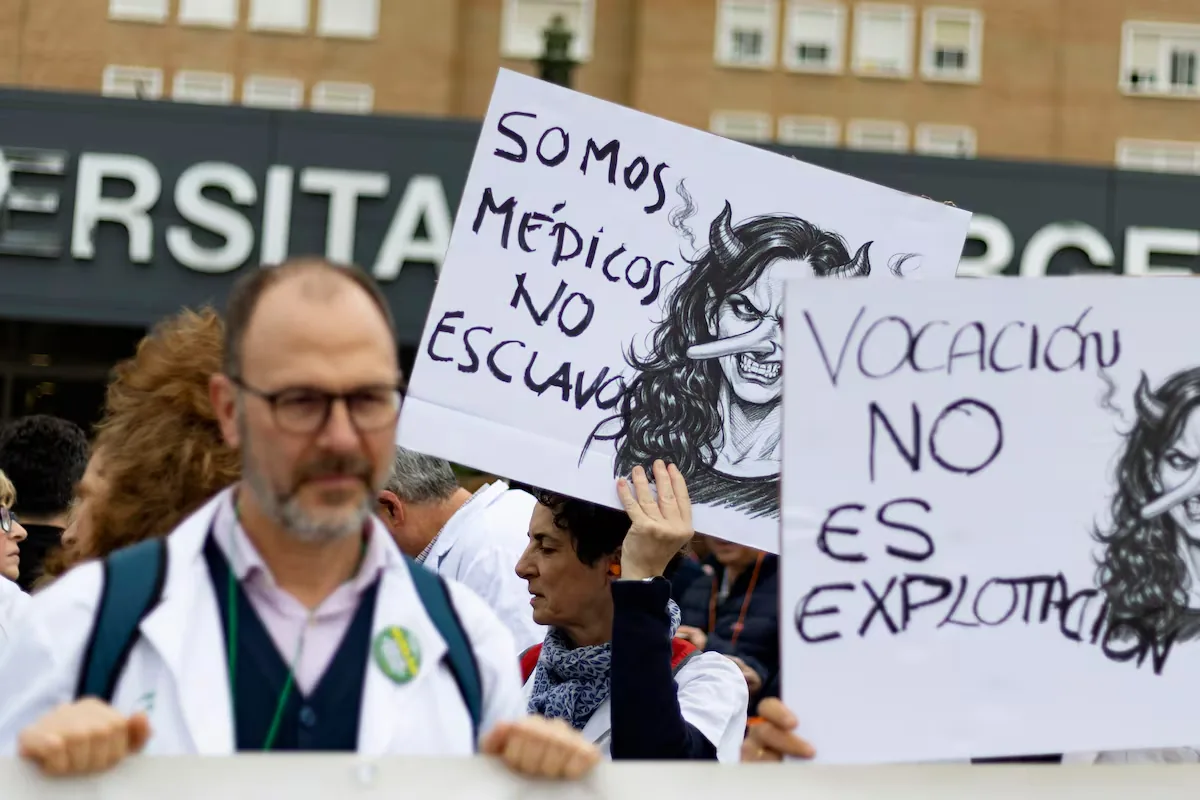
The approval by the Council of Ministers comes with opposition from the main medical unions, who have been calling weekly strikes, once a month, since February. Since this week, many of them in seven autonomous communities ―mixing protest against their regional and national governments― have also refused to do extra shifts: surgeries and diagnostic tests outside regular hours to reduce waiting lists.
Doctors have experienced a continuous increase in care pressure, especially since the pandemic, and believe that after more than 20 years without change, the Framework Statute falls very short. Among other demands, they ask for a maximum 35-hour workweek (including on-call shifts), 48 consecutive hours of weekly rest, better pay for on-call shifts, and their own statute that allows them to negotiate these improvements directly with the Government without interference from other unions.
Physicians consider that the weight of their work in healthcare and their responsibility is not reflected in committees where nursing, assistants, or orderlies have more influence, as they are many more and therefore largely determine union representation.
The last meeting to address the demands with the Ministry of Health was this Monday, without any rapprochement with the unions. The department led by Mónica García considers that the Statute now approved introduces a framework of improvement in conditions that the autonomous communities, responsible for healthcare provision, can exceed.
The minister has argued on numerous occasions that she has already conceded all demands within her competencies and that salaries or hiring more doctors to reduce on-call shifts are in the hands of regional governments.
For these reasons, the Government now approves a text that, when it reaches Congress, should receive the majority vote of the groups, something that seems very complicated: neither PP nor Vox nor Junts agree with the document and it would have to undergo significant changes in its processing to gain their support.
Read more The red Ferrari that looked authentic for sale at a ‘top manta’