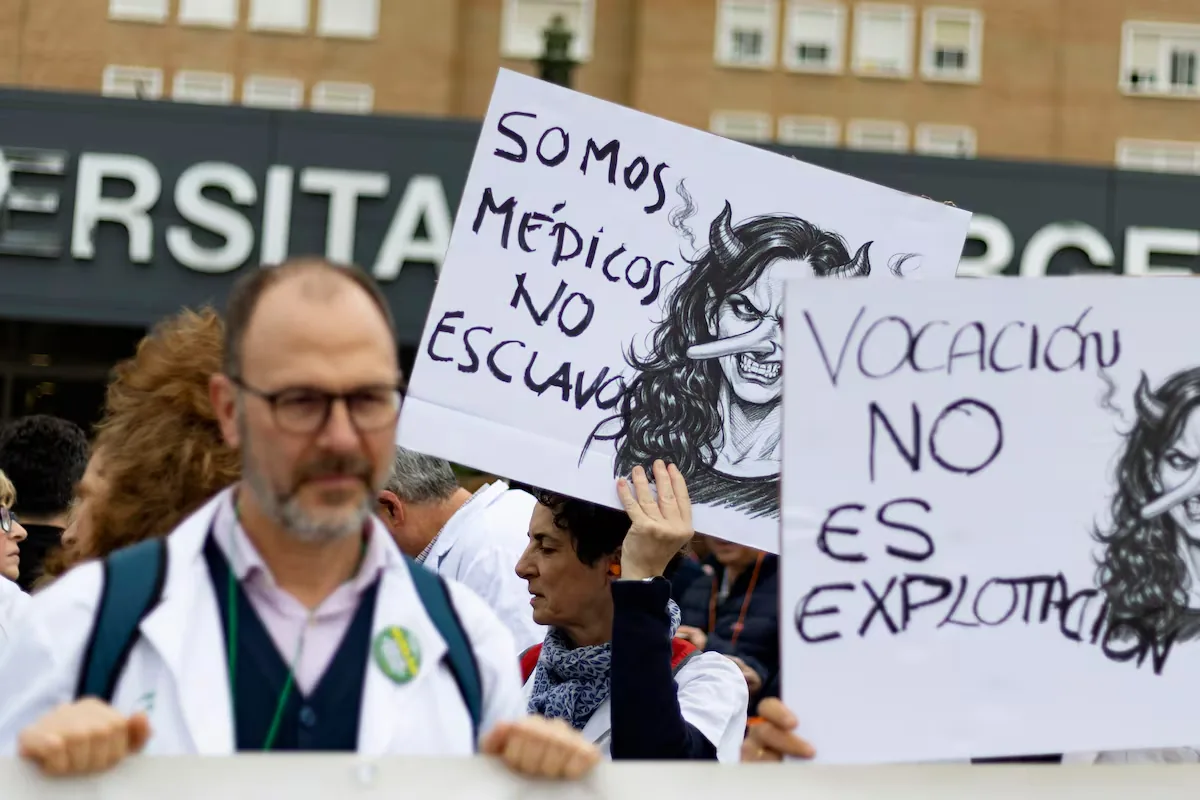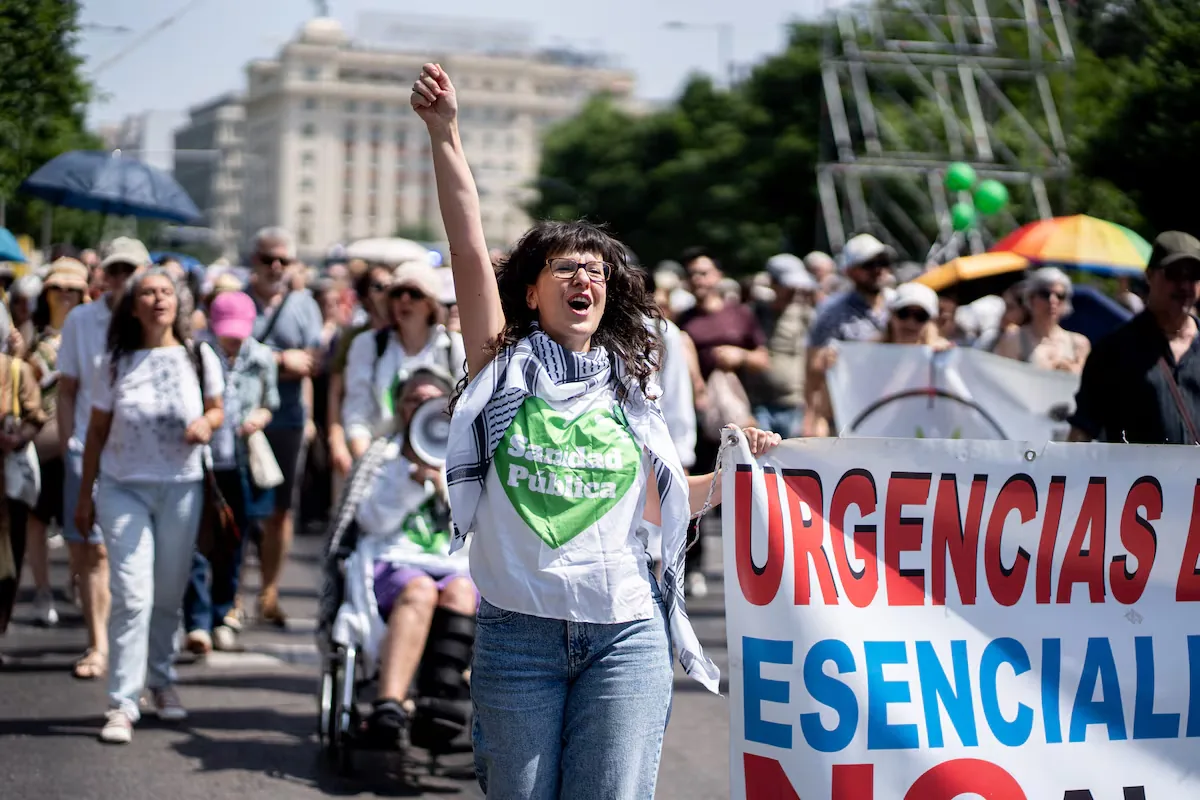










Since the beginning of the year, Spanish doctors have been called to a national strike for a total of 14 working days spread over three weeks; the last one being this very week. Although the autonomous communities have reported modest participation (between 5% and 25%, depending on the territory), the canceled medical acts reported by the health departments already number in the millions, although there is no national statistic to specify this.
Read more The 50 most influential people of the last 50 years
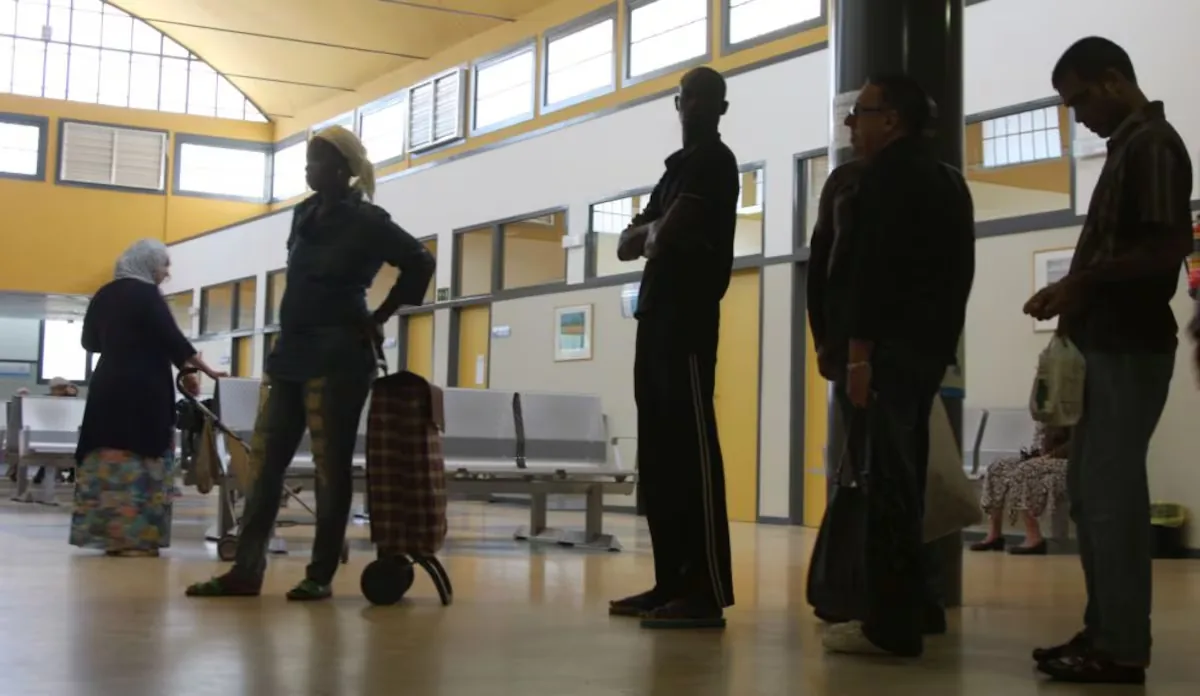
To what extent does all this affect the waiting lists? As of today, it is difficult to quantify. It seems inevitable that they will increase, although all those appointments do not automatically add to them. Many are rescheduled in gaps, referred to private care (with the consequent cost), or are taken on with more workload by the doctors themselves in their schedules, as largely happens in Primary Care, for which no official delay data is published.
Both these and the canceled tests, which are also not part of an integrated national statistic, will end up affecting longer waits for patients from the moment they fall ill until they are attended to or operated on, whether or not the official figures reflect it.
Euskadi has estimated an increase of almost 50% in the waiting time for surgeries: from 54 to 74 days, just in the last month, according to data provided this week by the Health Minister, Alberto Martínez, in the Basque Parliament.
These figures are not yet published, nor are those of most autonomous communities. By law, they must do so twice a year (in December and June) for the national accounting managed by the Ministry of Health. The figures for the first half of the year, which are the ones affected by these strikes, will not be known until after the summer.
A few autonomous communities do publish data monthly (even daily). Interestingly, in these, no impact of the medical strike on waiting lists is observed. In fact, some indicators have even decreased.
In Madrid, at the end of March — when the strike had already lasted two weeks — there were 106,511 people waiting for an operation. That is 3,000 more than two months earlier, but the average wait time was, according to their statistics, 47 days, five fewer than before the strikes.
In Navarra, also at the end of March, there were 10,273 patients on the surgical waiting lists, 400 fewer than in January. The waiting days were 92, five fewer. In Cantabria, there were 14,960 people awaiting surgery, barely a hundred more than in January, but the days also decreased: from 137 to 135. In the Balearic Islands, the delay had also decreased by two days.
And something very similar happens in the waiting lists for a consultation in those communities that publish updated data for the entire autonomy (Catalonia, Aragon, and Castilla-La Mancha do so by hospitals or specialties, which makes comparison unfeasible). They increase in Madrid and Cantabria, while the days of delay decrease, just the opposite of what happens in Navarra.
Read more The EL PAÍS festival starts this Friday at Matadero Madrid
Transfer of cancellations to delays
How is this possible? Jaime Pinilla, from the Health Economics and Public Policy Research Group at the University of Las Palmas de Gran Canaria, explains that there are several explanations and that the scientific literature often does not reflect a transfer of health strikes to waiting lists.
Pinilla recalls a study conducted in Norway after a two-and-a-half-month nursing strike in which, “surprisingly, no negative effects were found on patients waiting.” The key, he explains, was an intense effort to select patients by priority and to clean up the lists. “You find many slots that are occupied and not necessary because the patient has gone to another center or because they no longer need it,” he summarizes. In other words, they worked better with the list, “which is what is not being done routinely.”
This one-week-per-month doctors’ strike in Spain is also called months in advance. “Although schedules are very tight, it has been possible to anticipate it somewhat, slightly reducing them for the strike days,” Pinilla points out.
For the academic, the underlying problem is that the system does not measure the patient’s total wait well. “The quid of the matter lies in the chained lists. First is primary care, then the referral to the specialist, then outpatient consultations, diagnostic tests, and, if applicable, surgery. Our information system is compartmentalized and divided, and we can never see the total wait,” he warns.
This system of compartmentalized lists could cause that in a strike with a strong impact on outpatient consultations, it would not be reflected to the same extent in surgical delays, since requests for scheduled surgeries would not arrive at the normal rate.
The most fragile link in a strike, Pinilla maintains, is diagnostic tests, for which no homogeneous national information is published. “In the end, there may never be complete data on the effect of the strike, because part of the impact remains hidden before reaching the official indicators,” he concludes.
The Ministry of Health has launched the modification of a Royal Decree that aims to better measure the real wait of patients from the moment they first visit the family doctor with an ailment until they are operated on, discharged, or receive treatment. But until it comes into force, it will remain difficult to know the system’s real delays and, therefore, how the strikes are affecting it.