


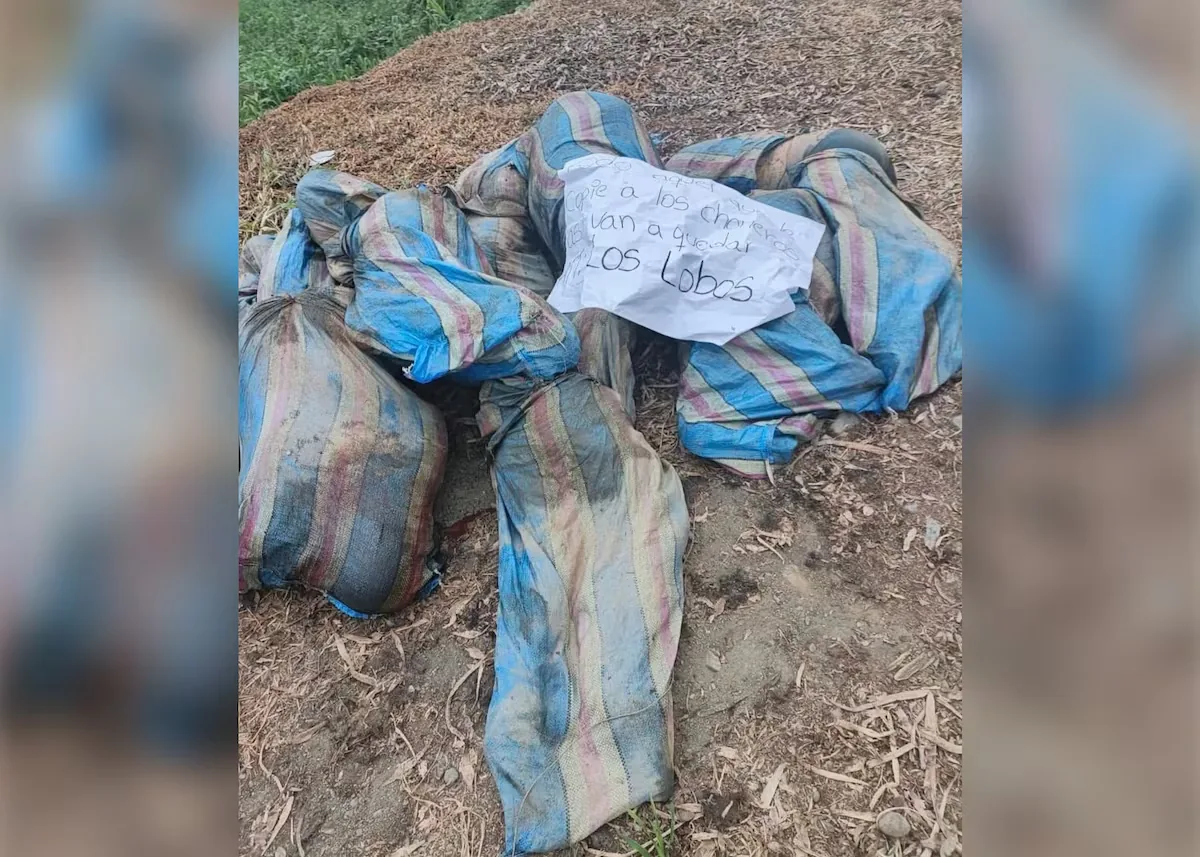
In the Daule T-junction, a dusty crossroads connecting the agricultural canton with the roads leading to Guayaquil, eight young men set off on four motorcycles at eleven in the morning on Sunday, heading for Milagro. It was a journey of less than an hour. As the hours passed, their families lost contact with them and began to hear contradictory versions. “That they were in Durán, that they had appeared in Yaguachi, that the military had taken them,” recalls one of their relatives. The search quickly turned into a race against fear. Three days later, as they organized a new day to find them, they saw news on TV that paralyzed them: eight bodies had been found inside jute sacks next to the road connecting Jujan with Babahoyo. “I hope it’s not them,” repeated Aura Sánchez, mother of two of the disappeared, without imagining the tortuous journey that still awaited her to identify the bodies.
Read more Julián Quiñones, the key to happiness for the Mexican national team
With the help of neighbors and friends, the families traveled to the province of Los Ríos, to the Cañitas sector, where the bodies were found, on the banks of the river. A territory that has become one of the main epicenters of criminal violence in Ecuador. There, disputes between gangs have driven homicides up to a rate of 106 murders per 100,000 inhabitants, the highest in the country.
The bodies were collected by Criminalistics teams who began an unusual journey between the morgues of Babahoyo and Milagro. In neither could forensic procedures be carried out because there were no forensic doctors available. “How is it supposed to be a morgue if there are no doctors? I don’t understand,” complains Brigitte Martínez, a relative of the young men.
The bodies were finally transferred to the Guayaquil morgue, where the institutional chaos with which authorities usually handle crises continued. The families kept vigil outside Legal Medicine while the authorities maintained absolute secrecy. Hours passed without answers. Until an official came out of the building with two identity cards in hand. They belonged to two of the young men missing from Daule.
Twenty-six hours after their arrival at the morgue, the autopsies had still not begun. Outside, family, friends, and neighbors remained waiting for official confirmation. “They say they don’t have enough staff to do it faster, and that they can only give us the identity of a body in four days,” says one of the relatives outside the morgue.
Although no one wants to say it out loud, everyone fears that the bodies found next to the Jujan-Babahoyo road are those of Anthony Martínez, Juan Carlos Martínez, Roy Martínez, Ariel Vera, Jackson Castro, Ricardo Castro, Jeremy Castro, and Andy Sáenz. Brothers, cousins, and lifelong friends. Two of them are minors.
For days, the families had protested to demand answers. They even blocked one of the main access roads to the canton. It all began on Sunday, May 31, when the group traveled to Milagro to pick up the documents for a motorcycle that one of them had bought. Security cameras recorded some of their movements. In one of the recordings, they appear inside a motorcycle shop in the city center around one in the afternoon. After that, they disappeared.
Read more Zverev delivers and Cobolli doesn’t even break a sweat: Roland Garros shapes the final
Although authorities have not yet officially confirmed the identities, police investigators are working with the hypothesis that the bodies correspond to the eight young men reported missing.
An intelligence source consulted by EL PAÍS maintains that Milagro is one of the territories where organized crime has consolidated a parallel governance structure to the State. According to that version, the city operates under the influence of alias Alan, linked to the criminal organization Los Águilas. Everything operates under his orders.
The logic of this power consists of exercising control over crimes such as extortion and kidnapping to gain legitimacy among part of the population. Dozens of men monitor the territory and report any strange movement. Like other cities on the Ecuadorian coast, Milagro has become a scenario of dispute between armed groups attempting to expand their power through violence, which is why it is presumed that the eight boys were mistaken for members of the opposing gang trying to enter this already taken city.
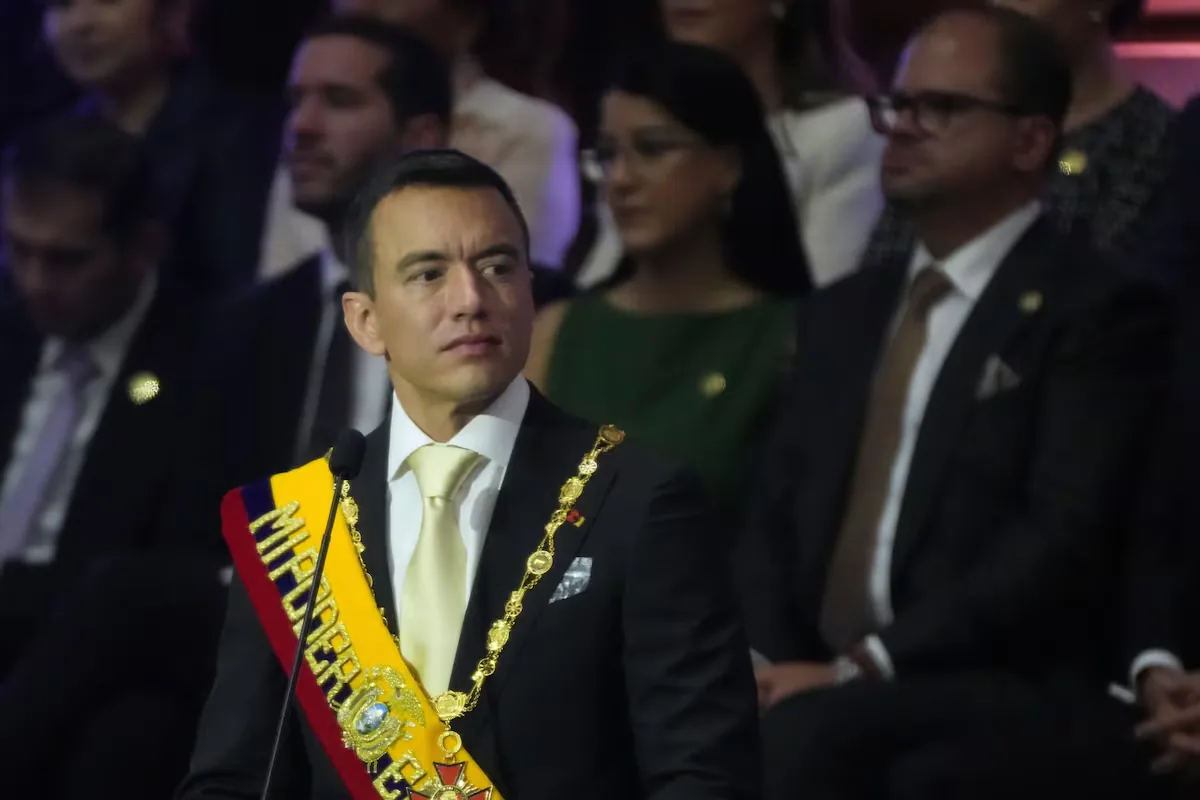
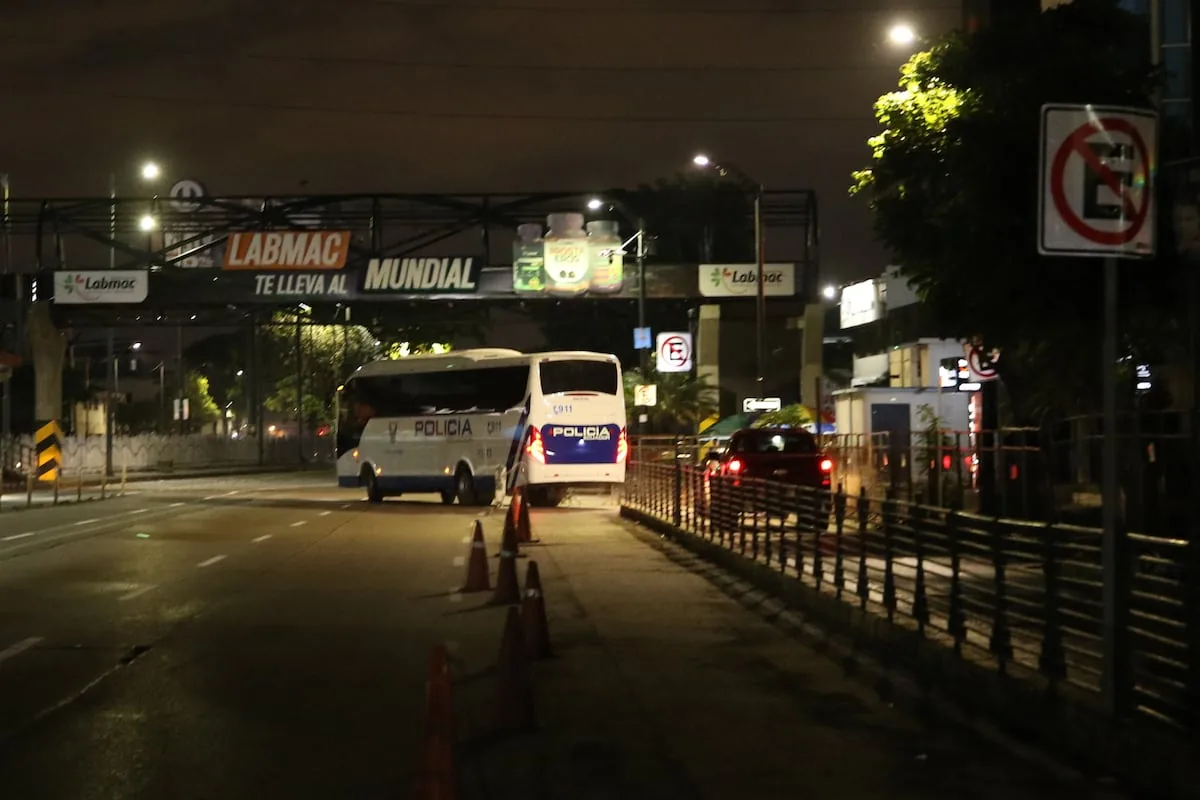
That entire area of the Ecuadorian coast was under a curfew for fifteen days, ordered by the government of Daniel Noboa to try to contain violence that, despite constant exceptional measures and militarization, continues to leave dead and missing people.
The eight young men were students and agricultural day laborers. They worked preparing the land for planting, especially rice. None had criminal records or open judicial processes. “They are good boys,” their relatives repeated at every protest, while waiting for news that never came.
Read more Seismic swarm in O’Higgins: over 10 tremors in less than two hours generate alert