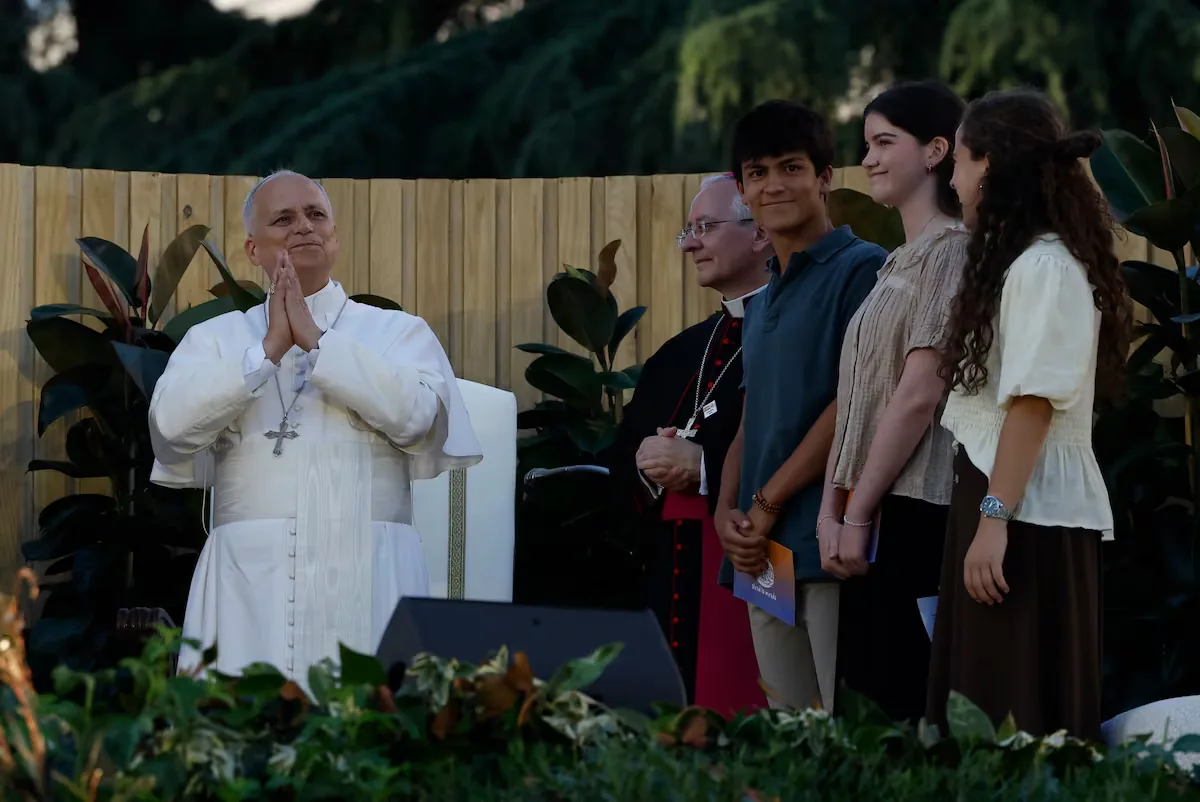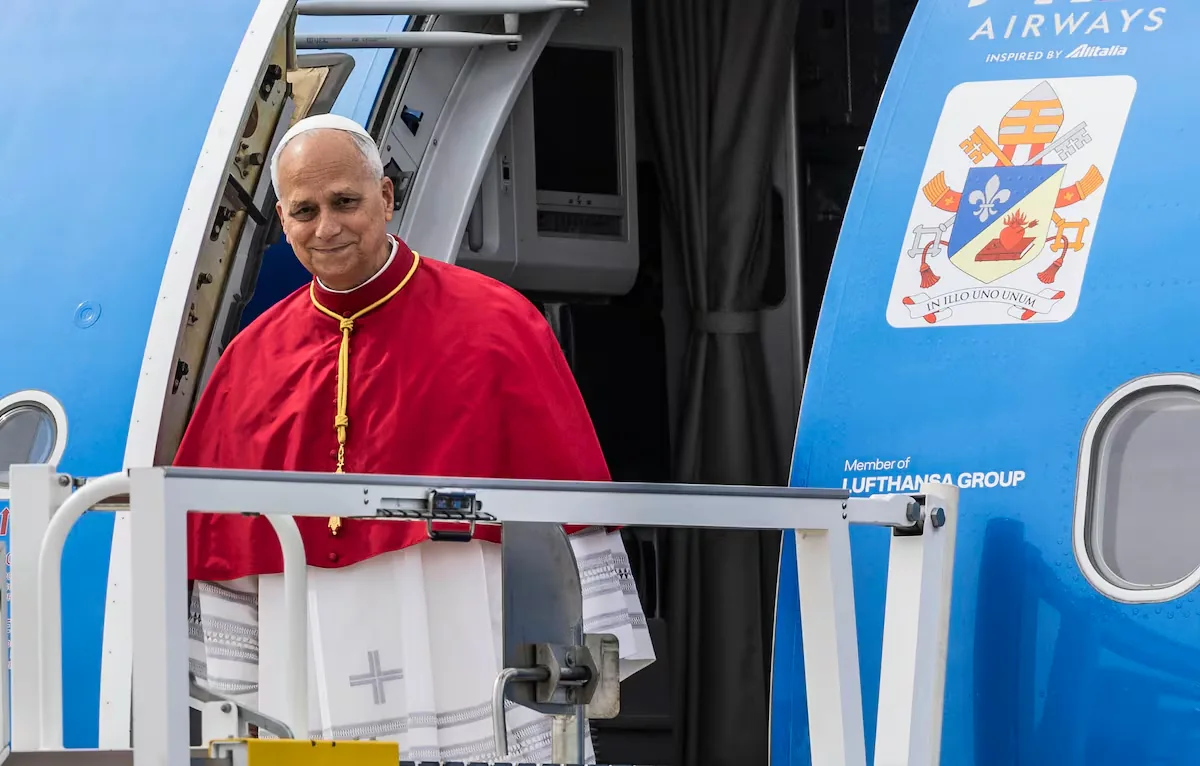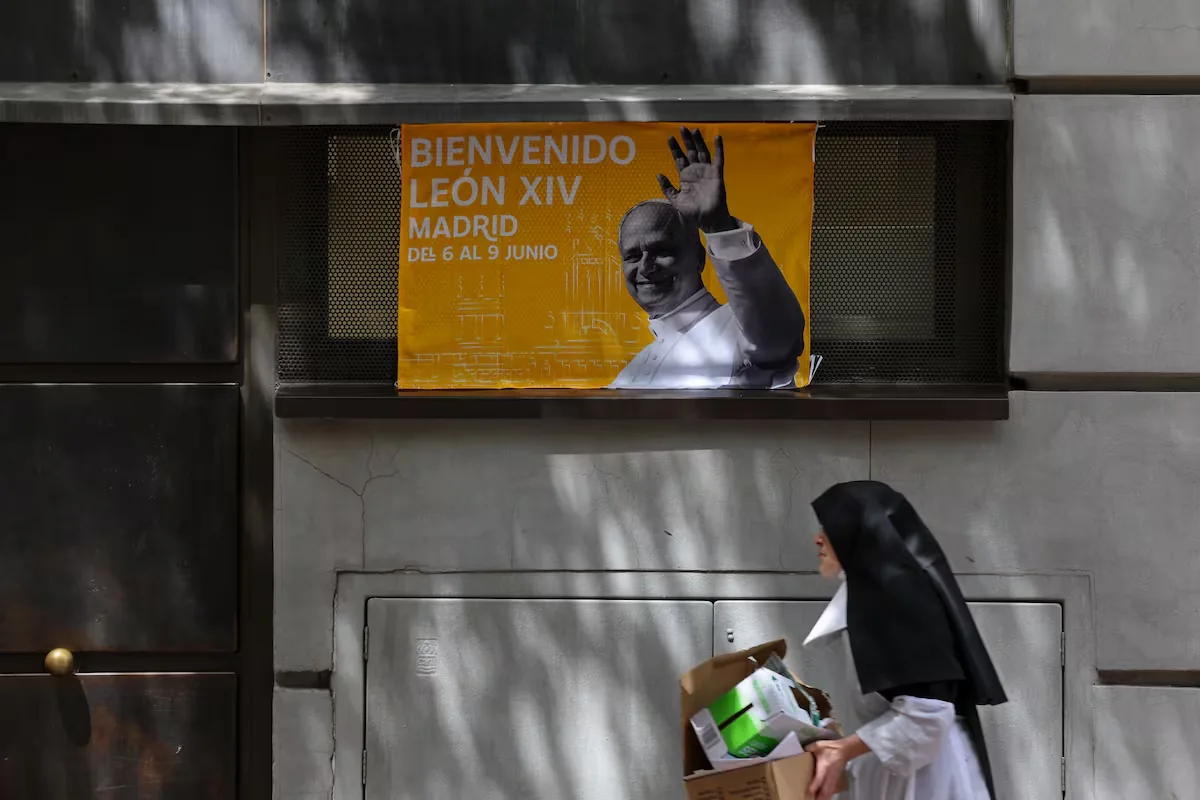

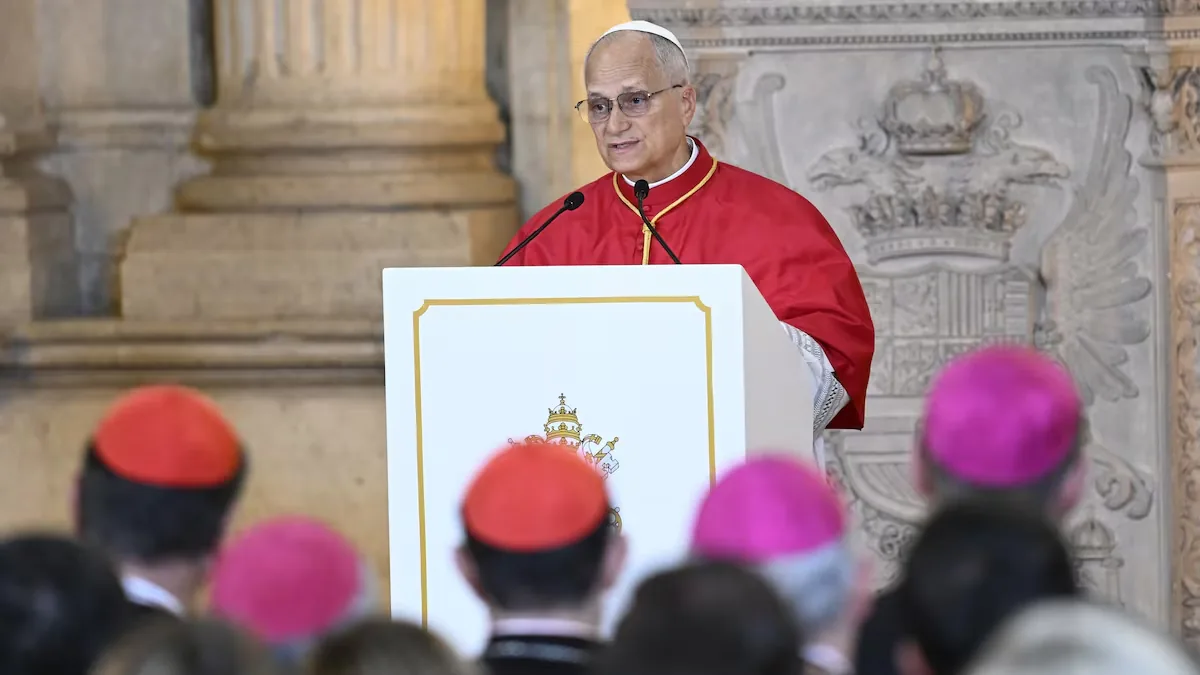
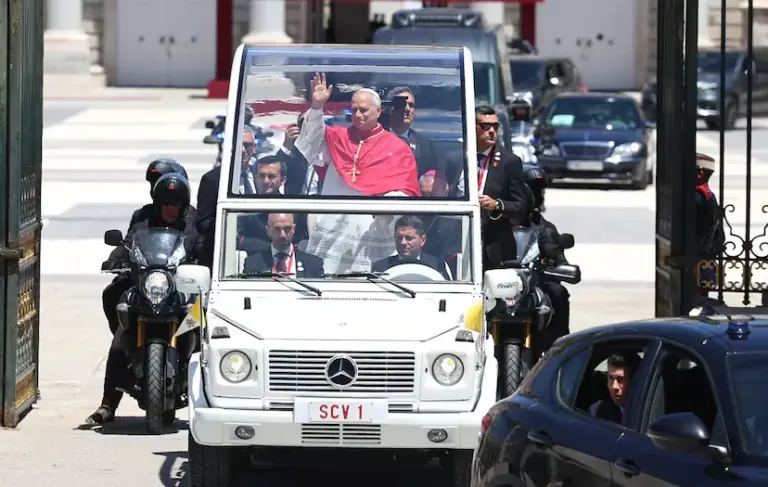
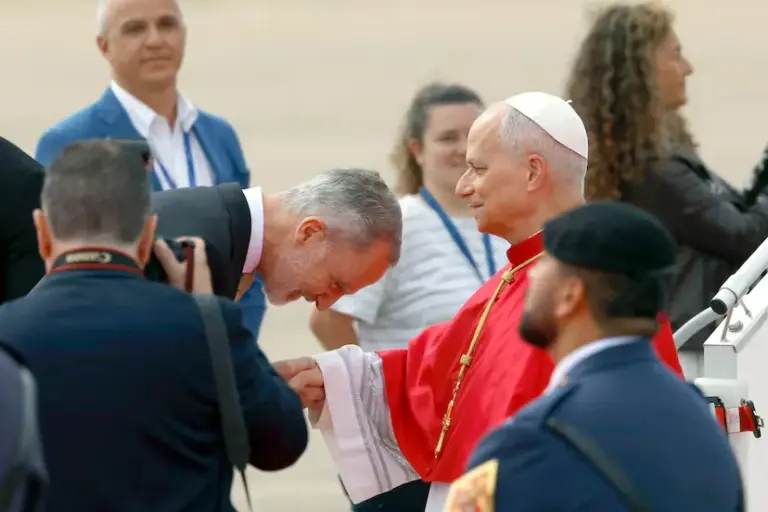
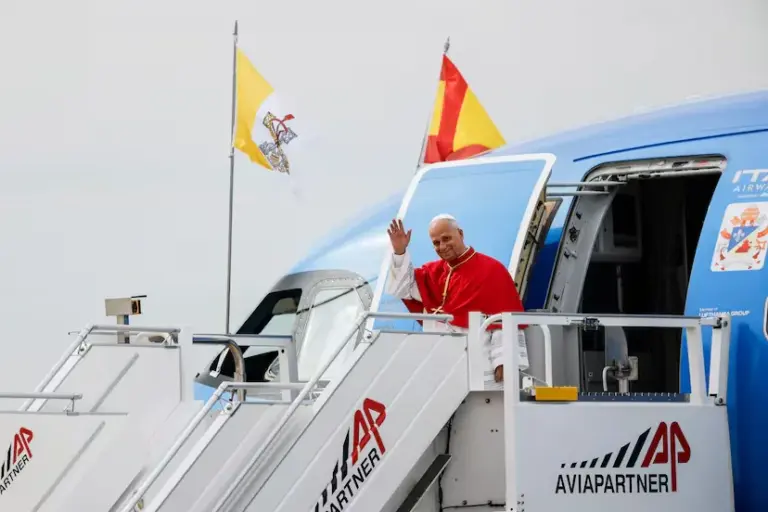
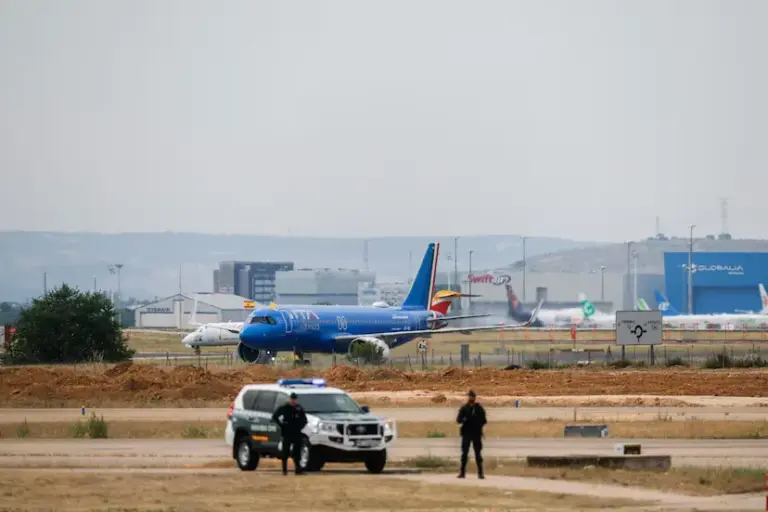
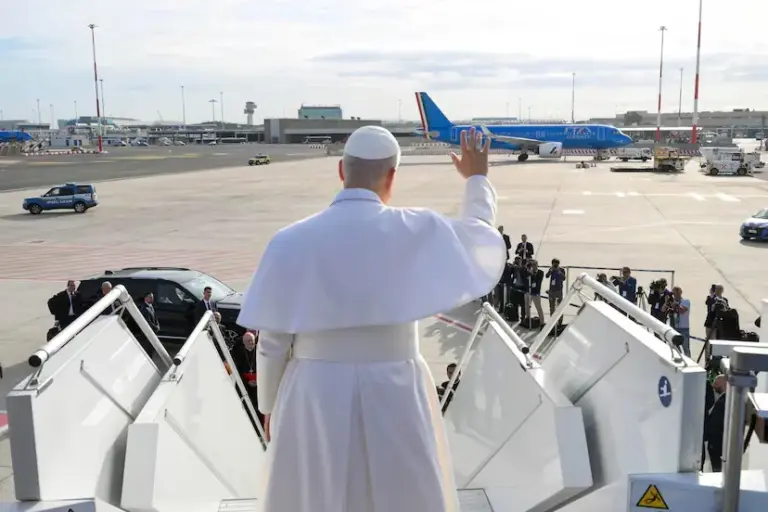
The Pope did not mince words, and in his first speech in Spain this Saturday, immediately after landing in Madrid, he fully addressed the issues that most concern him: the risk of polarization, the populist drift, and the threat of the far-right. Without explicitly mentioning it, but with forceful words in defense of an open, plural society committed to public education. He invited to “appreciate complexity and study it, learn not to deny it and live it as a blessing, to flee from those identitarian approaches that seem to clarify everything, but which populate the world with ghosts and enemies.” He clearly called for abandoning “weapons and walls.”
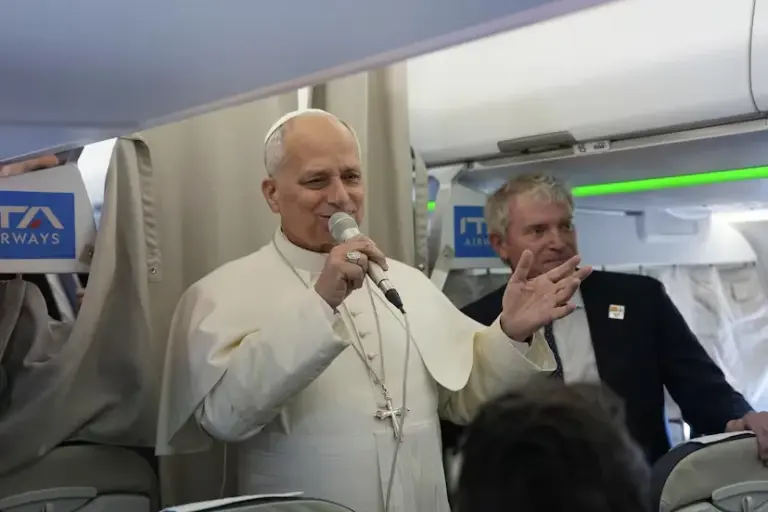
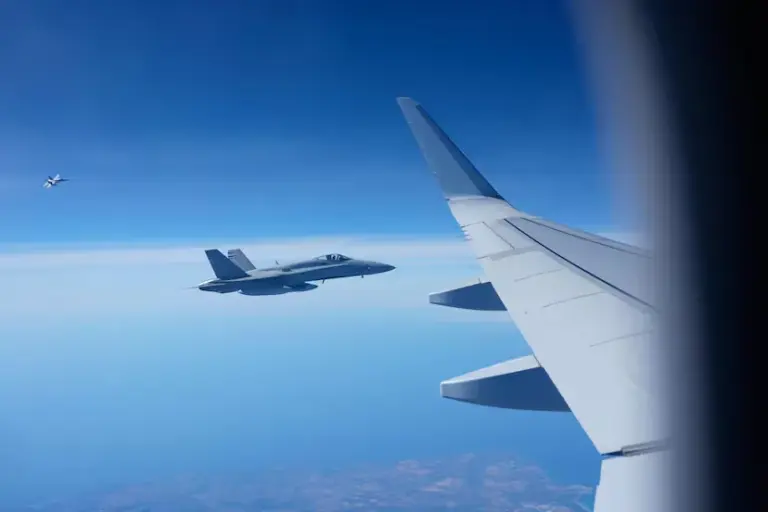
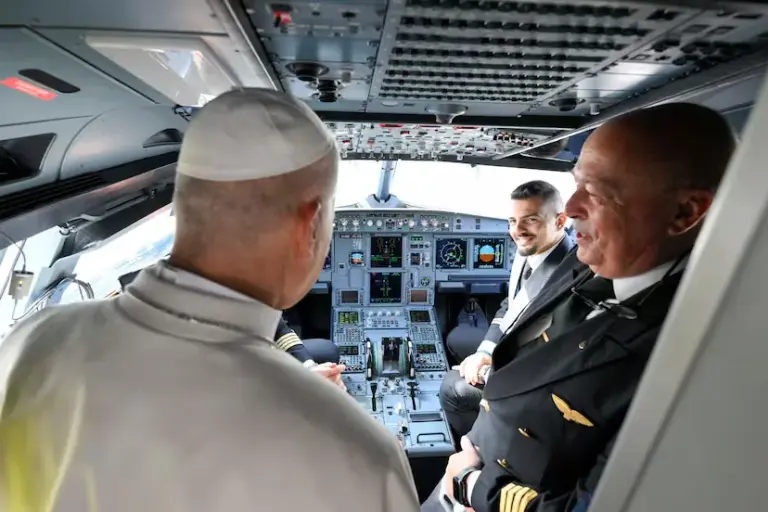
Read more The Pope confesses, during his flight to Spain, that he is a Real Madrid fan
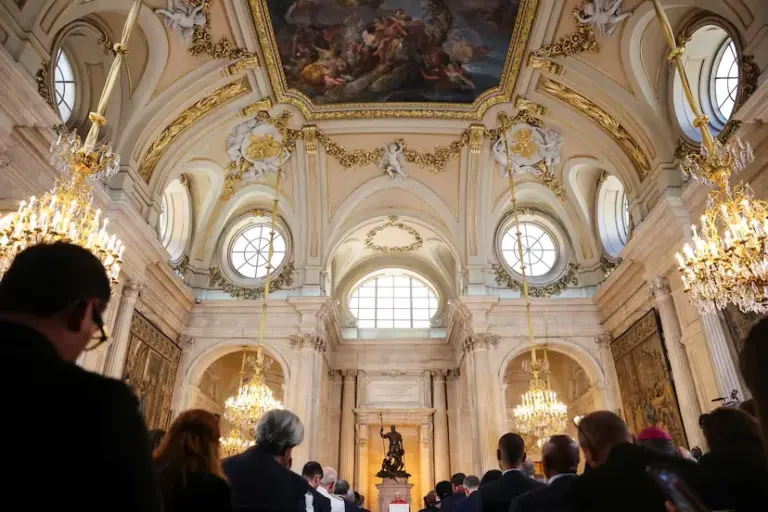
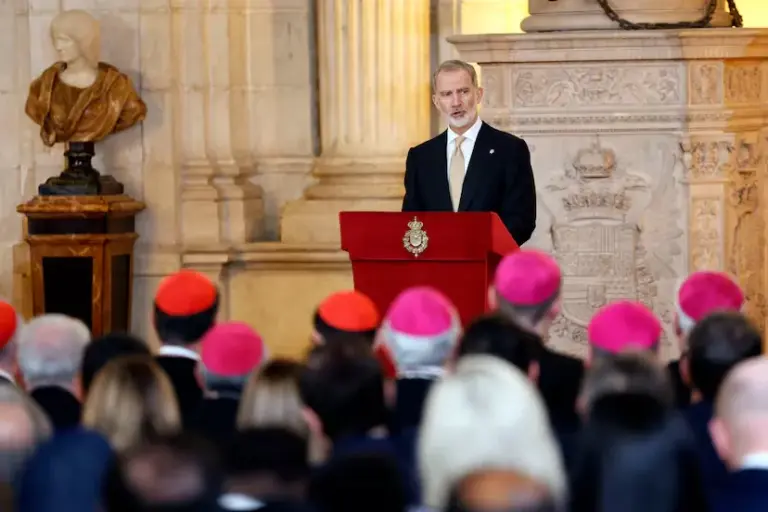
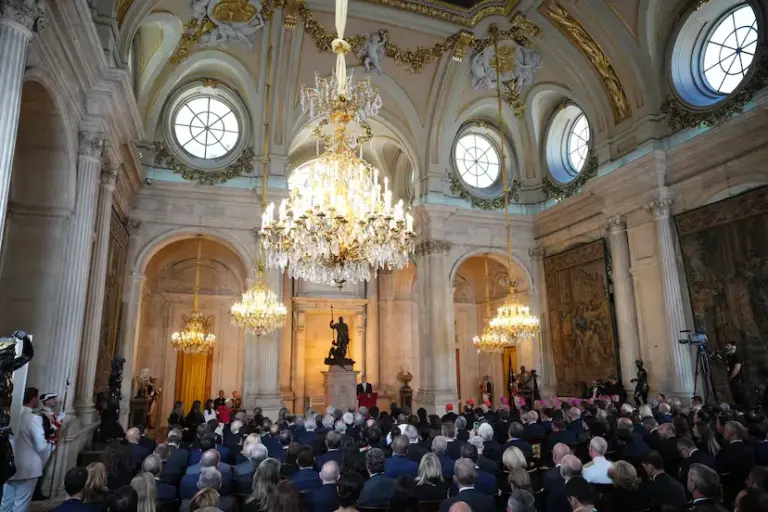
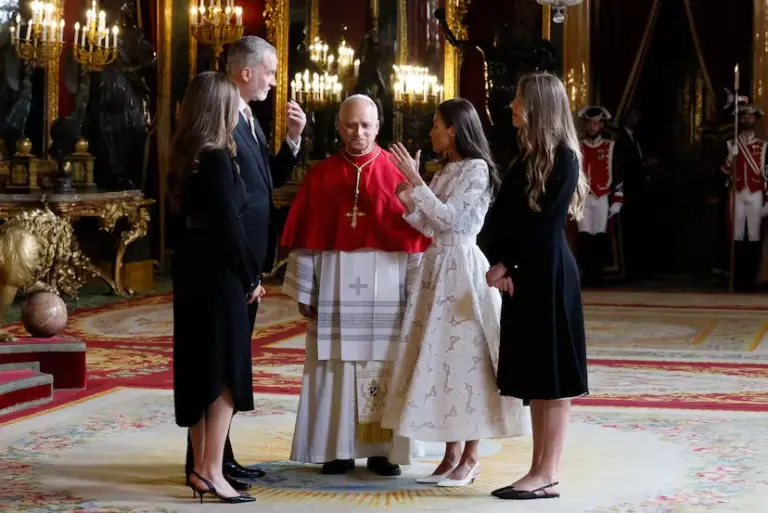
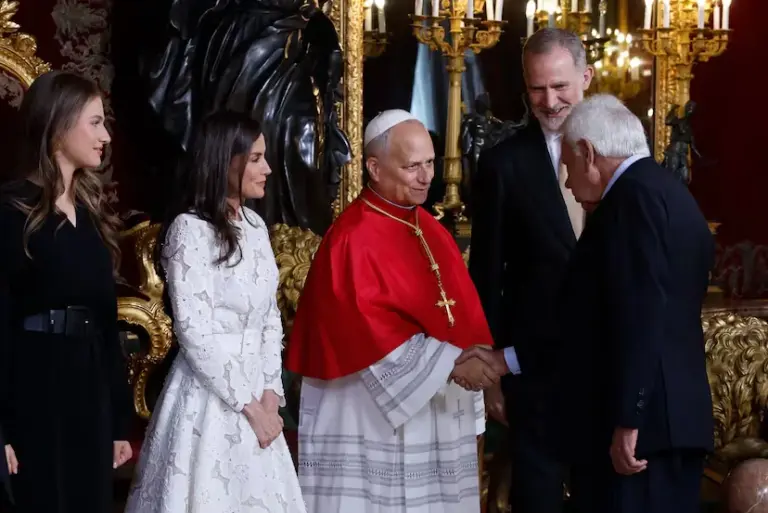
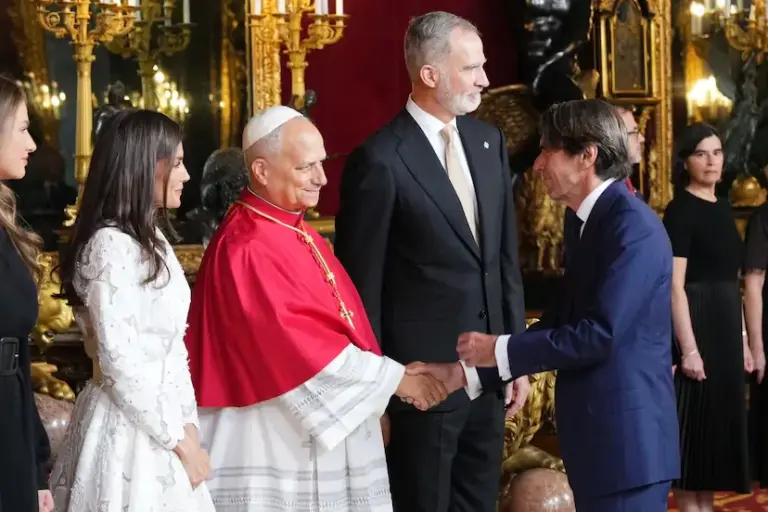
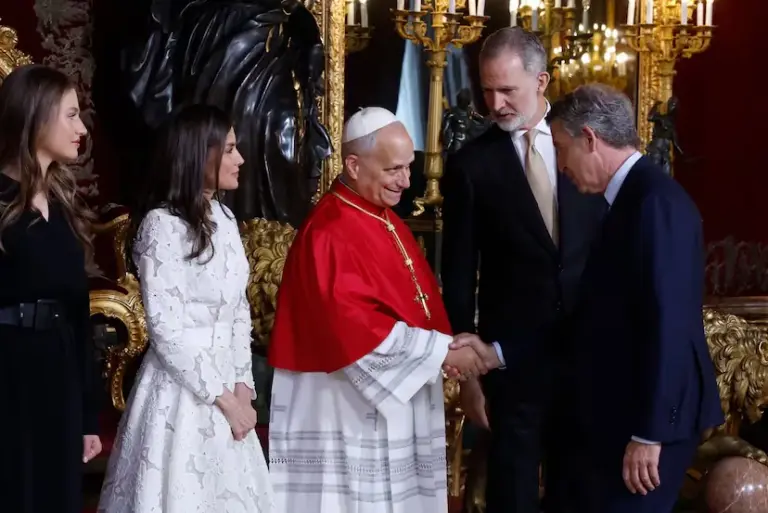
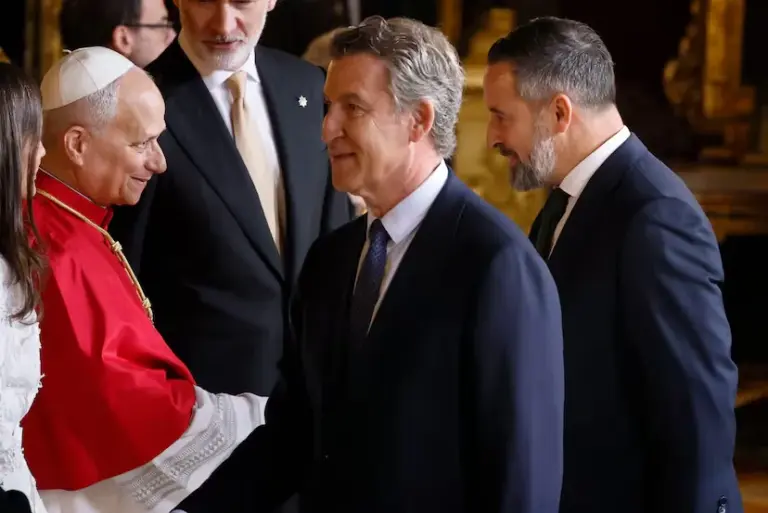
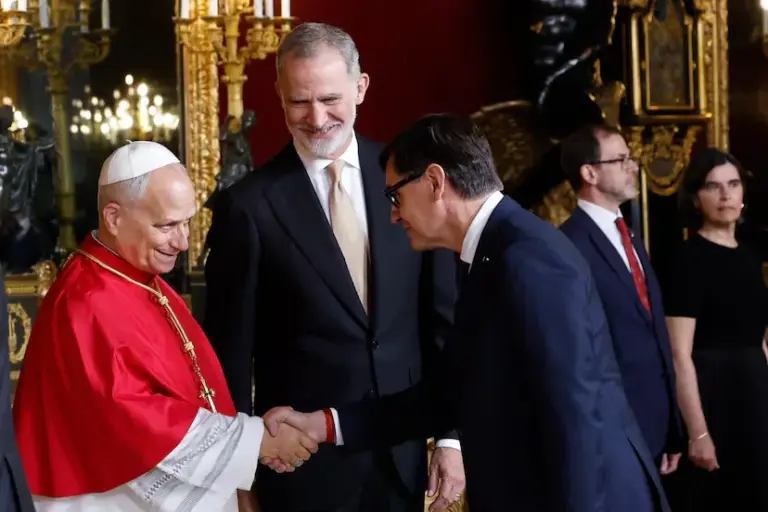
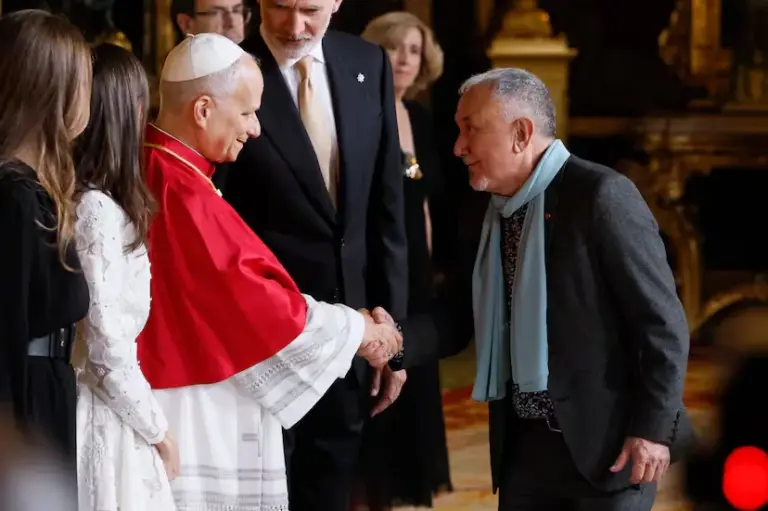
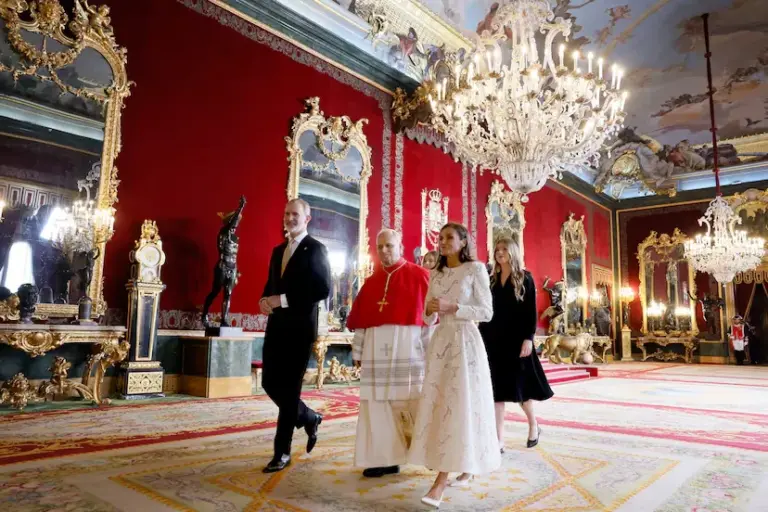
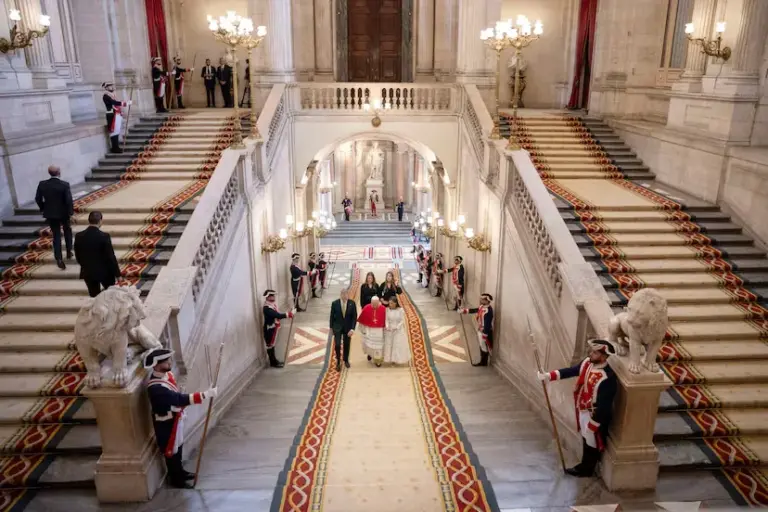
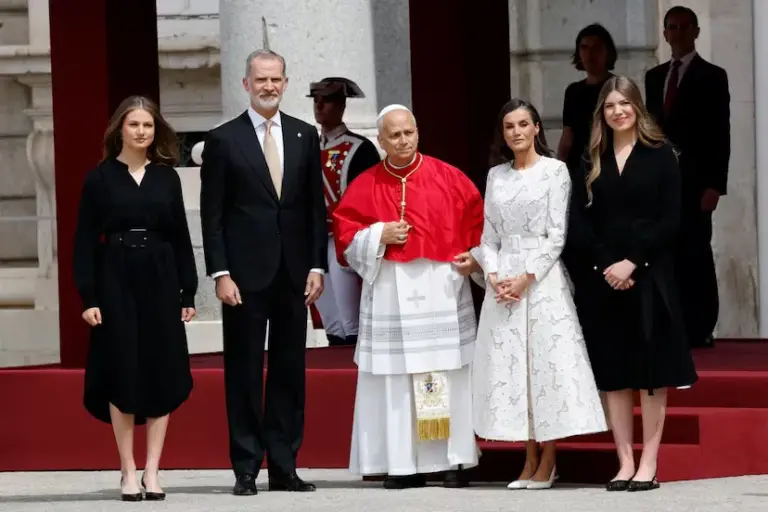
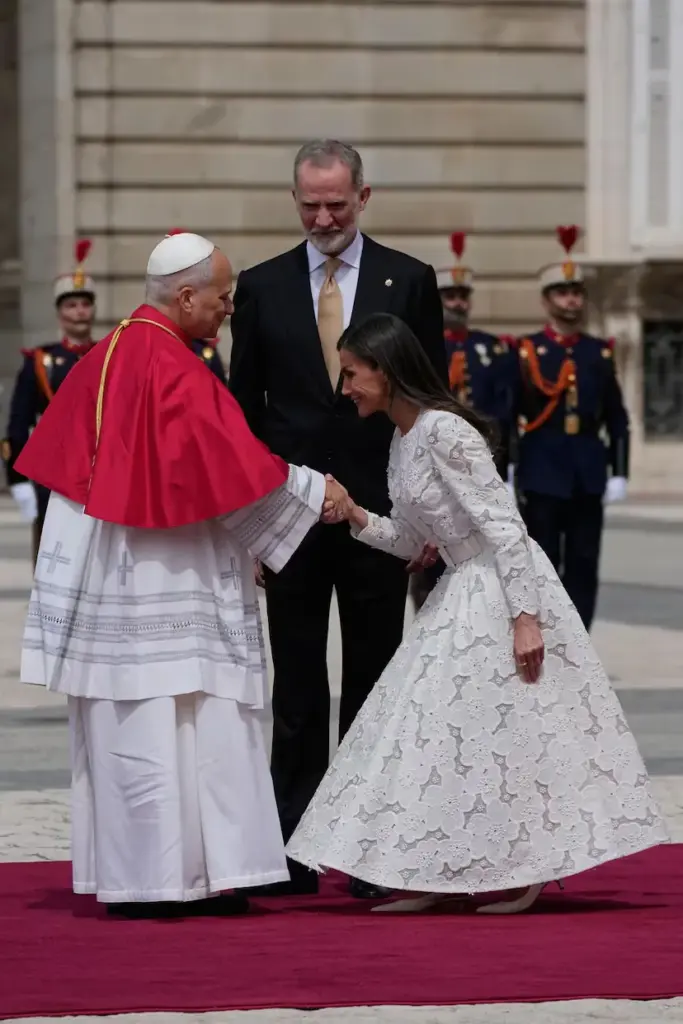
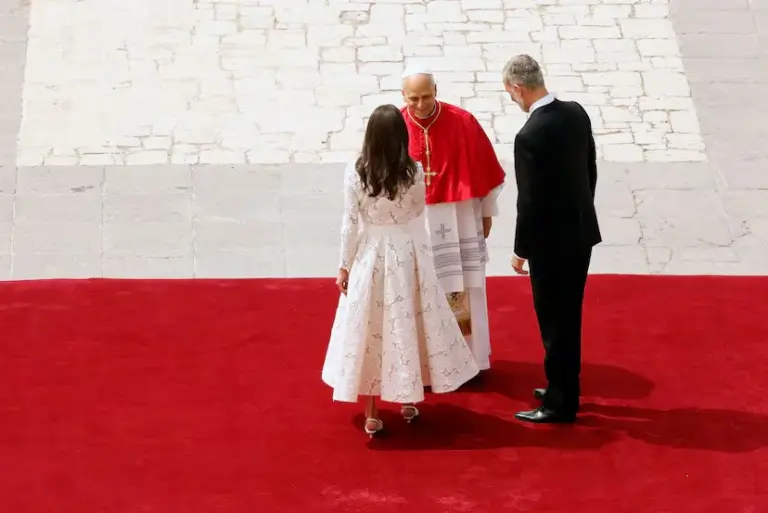
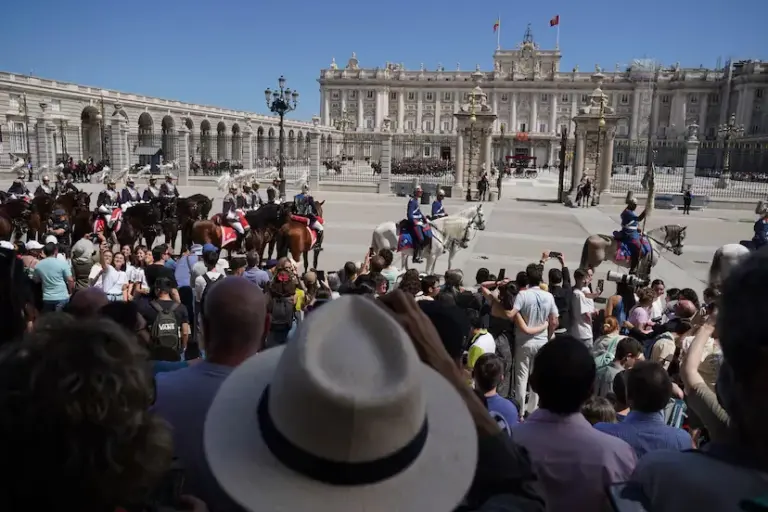
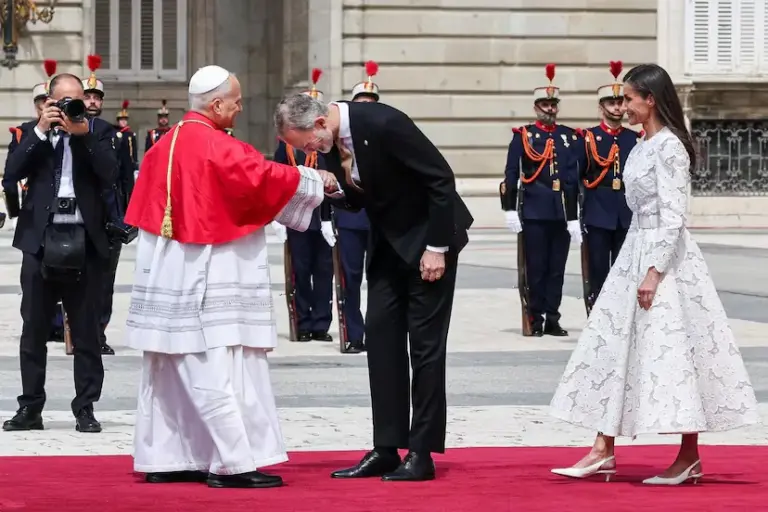
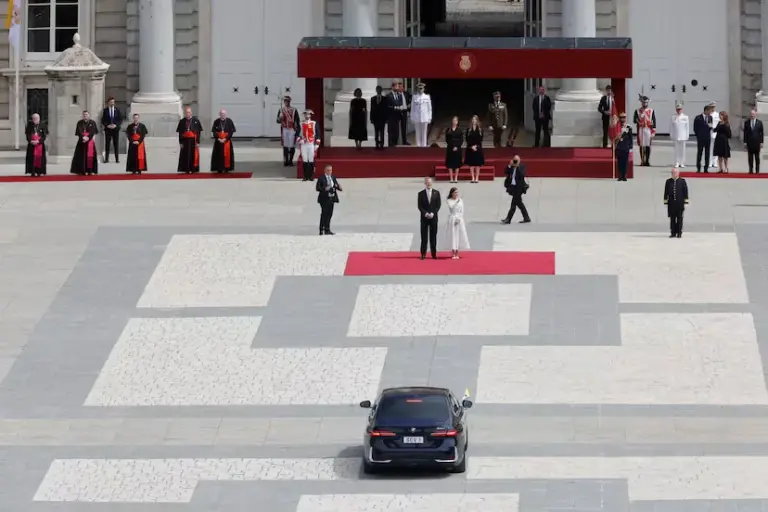
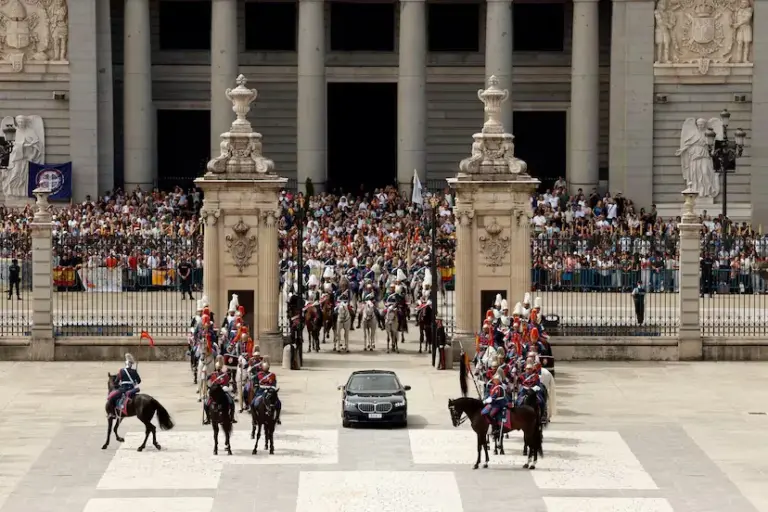
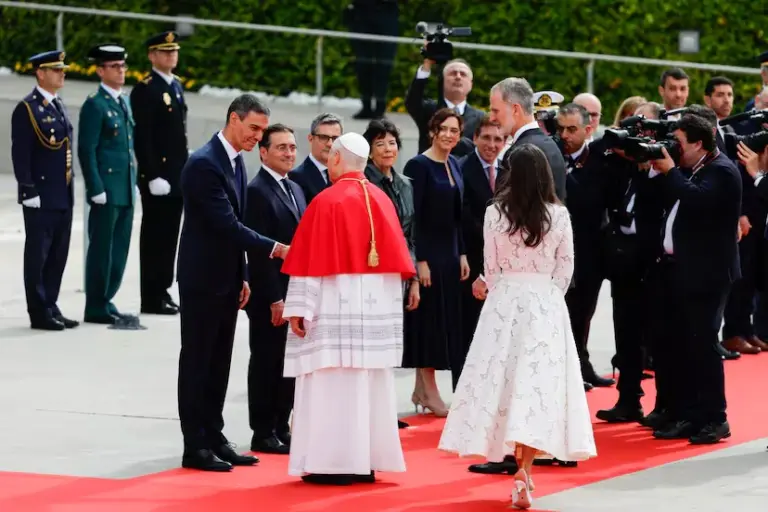
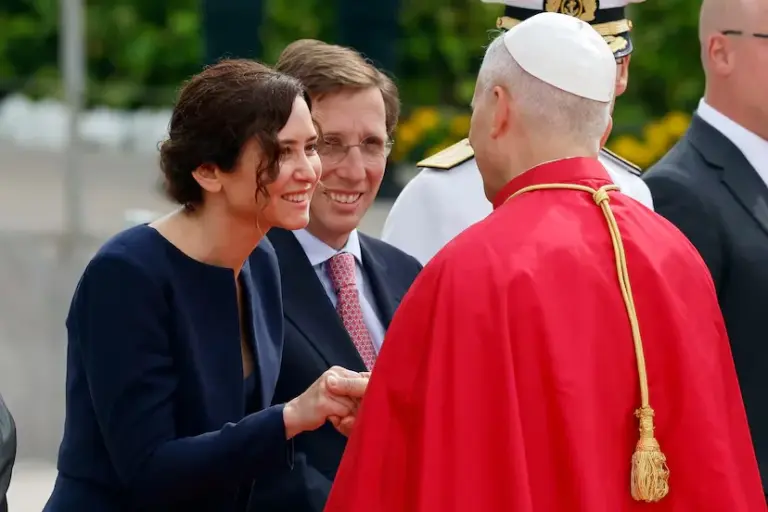
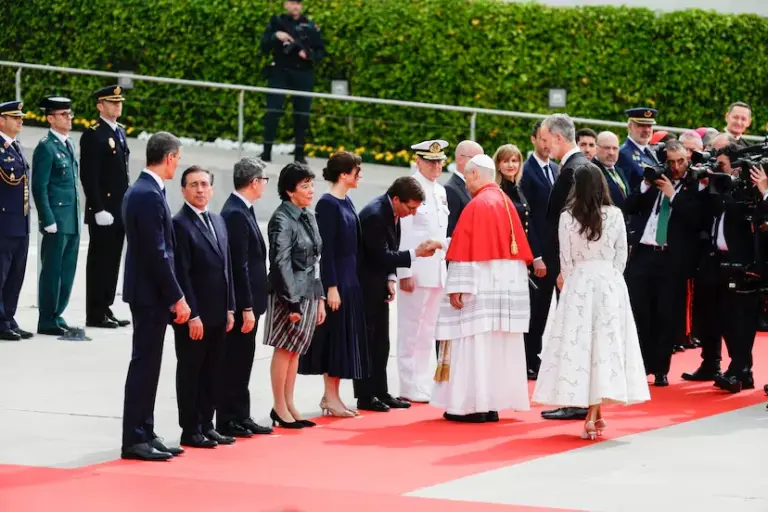
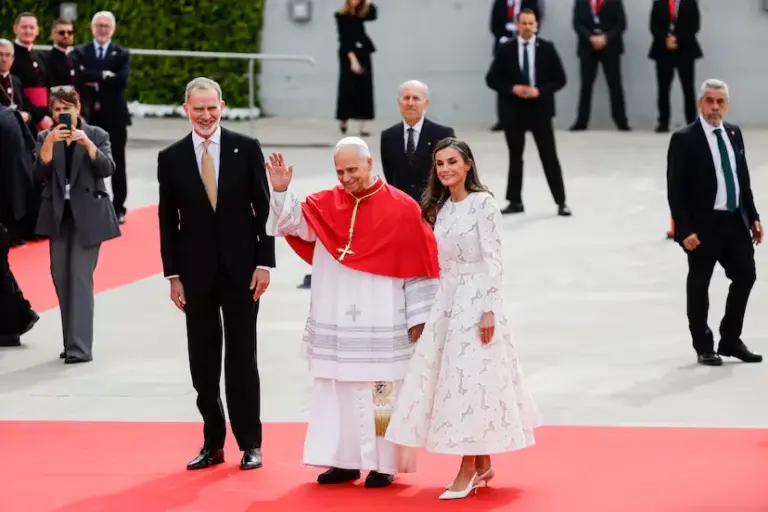
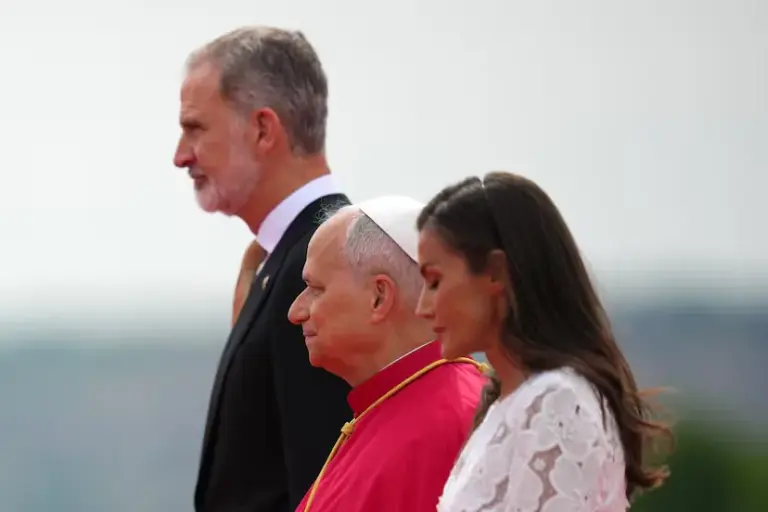
He did so in the Hall of Columns of the Royal Palace, at the end of a lavish welcome ceremony with the King and Queen, the main authorities, and numerous guests from the political world, civil society, and the diplomatic corps. Before this audience, he delivered, entirely in Spanish, a speech dense with ideas and powerful in its political charge. It makes one wonder what he will have left for his intervention on Monday in Congress. It was a balanced speech with messages that can be interpreted in one way or another across the political spectrum, but which on many occasions unequivocally alluded to the far-right: “I invite everyone, for the love of truth, to abandon the divisive and polarizing narratives of your social reality and its history, to move from sterile simplifications to the fruitful appreciation of complexity.” At the end of his speech, there was a great ovation from the attendees, among whom was the leader of Vox, Santiago Abascal, who stood up and joined the applause.
The backbone of the entire speech was a deeply significant warning against populism: “Today, the temptation to gain popularity by fanning the flames of polarization seems to grow, rather than diminish; human dignity continues to be violated. That is why we need culture, interiority, a free and quality education, we need transcendence.”
In an intervention sprinkled with historical references, he deliberately highlighted the example of multicultural Spain with different religions of the past, in opposition to those who today oppose their coexistence: “Security, which too often we delude ourselves into believing comes from weapons and walls, matures rather by learning to advance alongside others, to grow together, side by side. Your own history attests to this. The presence of Islam in the Iberian Peninsula, for example, constituted a long-lasting political, cultural, and religious reality. During that period there was not only confrontation, but an attempt was made to create a space for contact, conversation, and dialogue on the meaning of truth among Christians, Muslims, and Jews.”
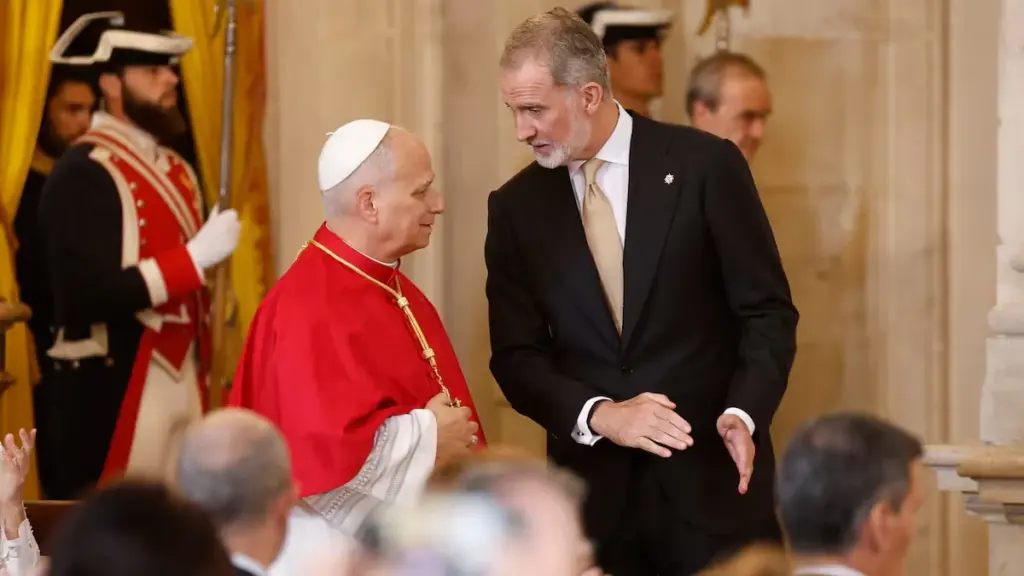
Leo XIV also cited Saint Ignatius of Loyola, Saint Teresa, and Saint John of the Cross, and in reference to the latter’s “dark night of the soul,” he drew a comparison with a current time of irrationality and confusion: “Also today, what frightens us most, what in many causes the darkness of reason and the violence of emotions, is the unknown, before which the feeling of no longer having maps, of disorientation, can prevail. That is why, also in public life, men and women are needed who can intuit light in the darkness.”
Read more A young man sustains serious injuries after a knife attack in Parla
In this scenario, in line with the theses of his first encyclical, Magnifica humanitas, just published, he pointed out the harmful role of new technologies: “They have become an artificial environment in which our fundamental choices are put to the test: within it, prejudices are exacerbated, critical thinking is weakened, overbearing interests sow death drives.”
Against this, he said, good “can resist and communicate.” The Church, he reiterated, “today is ready to serve the future of a people seeking reconciliation and peace.” This idea, reconciliation, has been dominant since his first words, as an antidote to divisions. The Pope immediately united religious and political purpose, declaring from the outset the diagnosis of a fracture in Spanish society: “I come among you to confirm, encourage, and inspire a renewed fidelity of believers in the Gospel, as well as a deeper reconciliation and cooperation among the different forces of this nation.” “Its own history suggests that it is not the culture of confrontation, but that of encounter, which generates stability and prosperity,” perhaps a veiled reference to the spirit of the Transition.
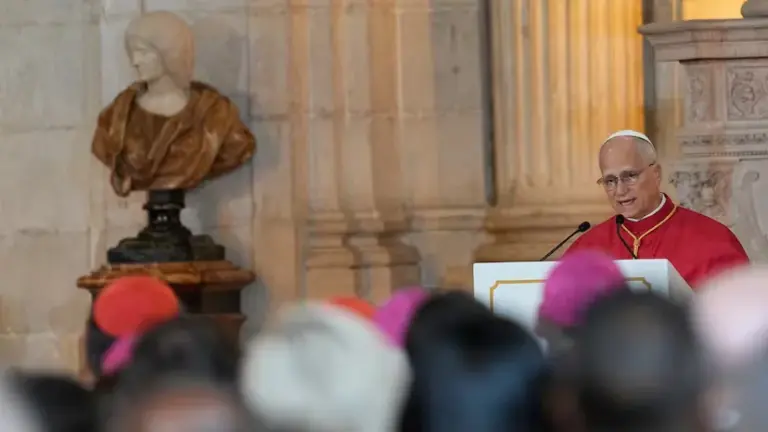
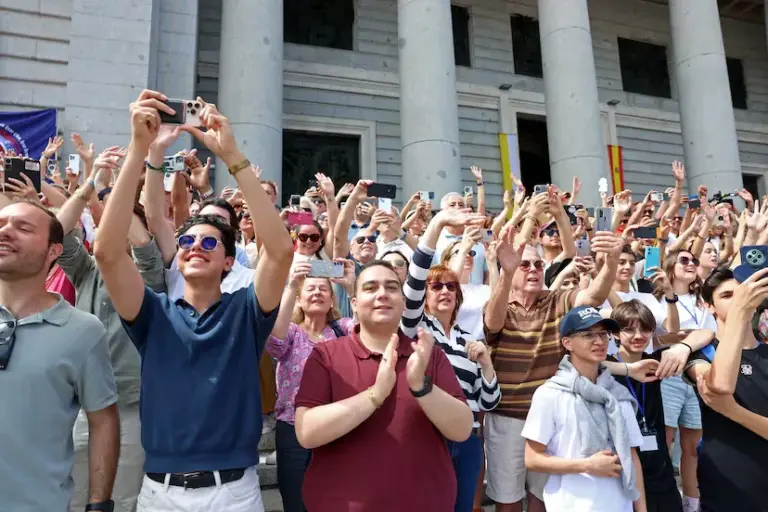
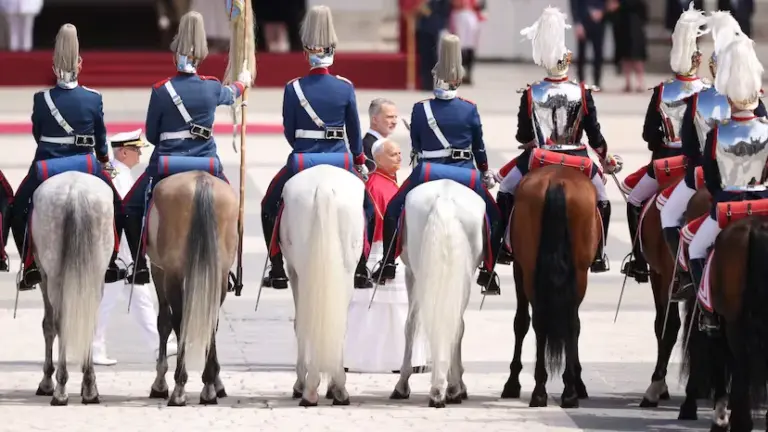
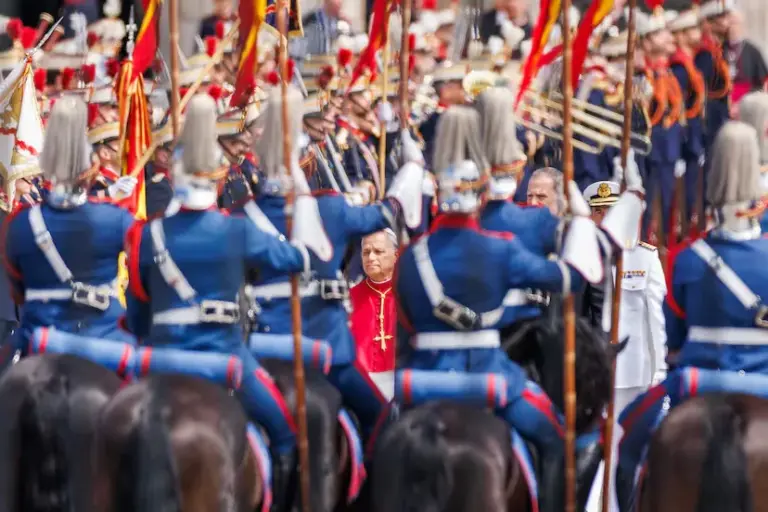
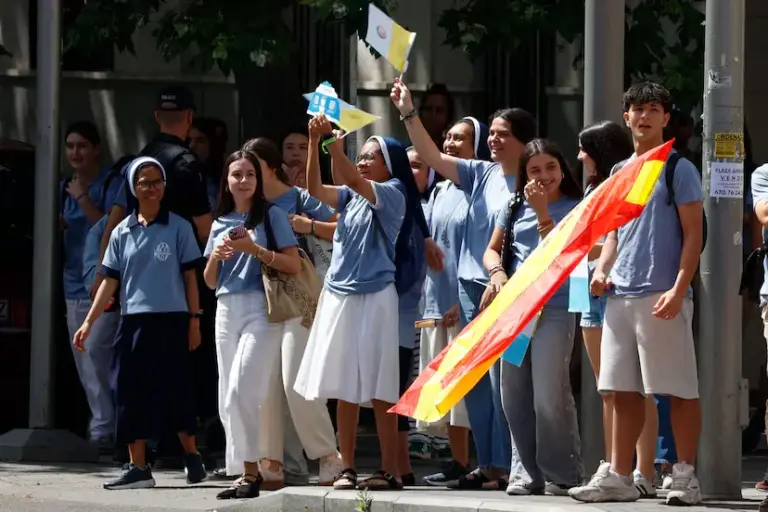
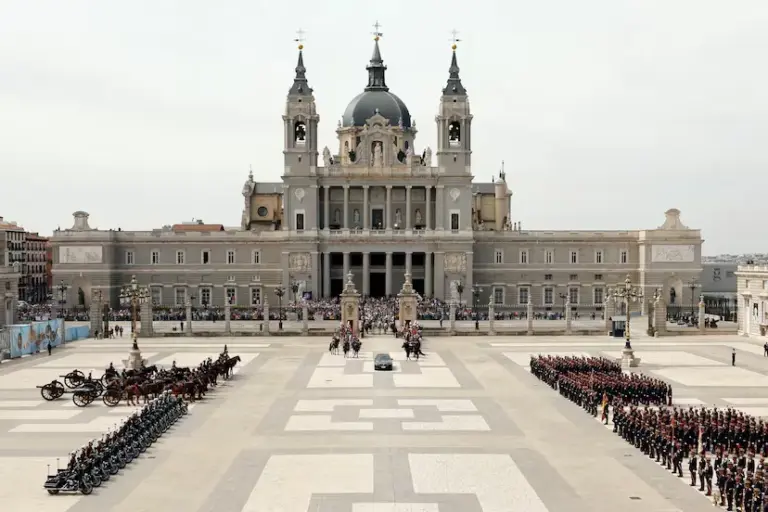
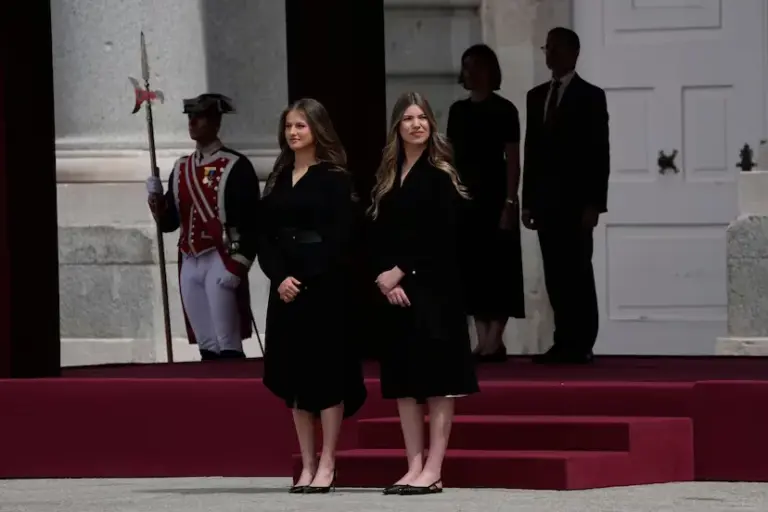
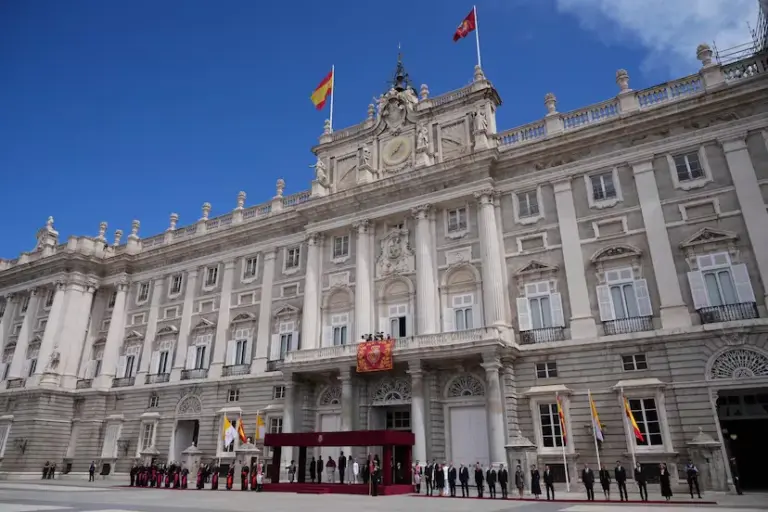
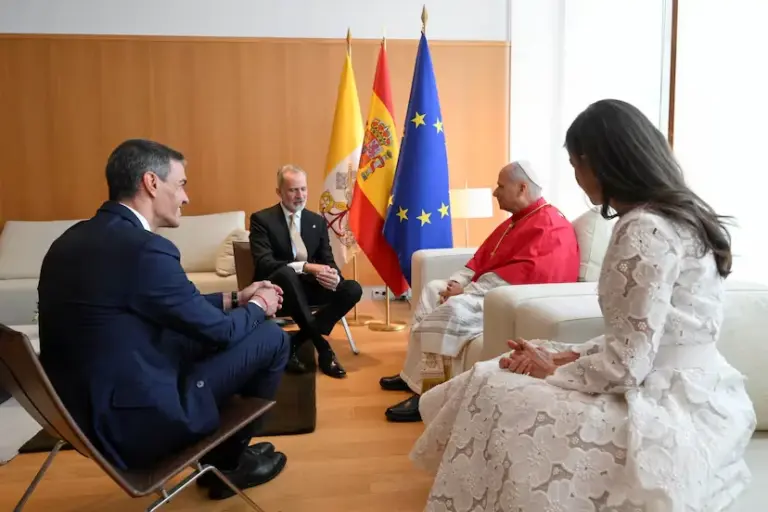
In this work of recovering coexistence and a culture of respect, he highlighted the fundamental role of education: “It is necessary, especially on the part of those with economic, political, and institutional responsibilities, to make a qualitative leap, a change of direction in investments destined for schools, universities, and research, for local communities and civil society as a seedbed for participation and cultural mediation.”
In his defense of Christian values, he endorsed, intentionally or not, the line of Pedro Sánchez’s Government at an international level. For example, on the war: “The message of peace that in these times, unfortunately, resonates for some as naive and for others as provocative, finds acceptance in those who do not enclose themselves in prefabricated ideologies.” Also by explicitly thanking Spain “for its fidelity to international law and multilateralism.” In closing, he made a quick reference to territorial tensions in Spain, with a mention of the need to “harmonize the demands of autonomy and unity,” and on the international level, “to promote the process of European union, not in opposition to other powers, but as a gift for the entire human family.”
Read more The first full speech of Pope Leo XIV on his visit to Spain