





EL PAÍS offers the América Futura section openly for its daily and global informative contribution on sustainable development. If you want to support our journalism, subscribe here.
Read more Slow-motion vote count in Peru: distrust undermines the legitimacy of the presidential first round
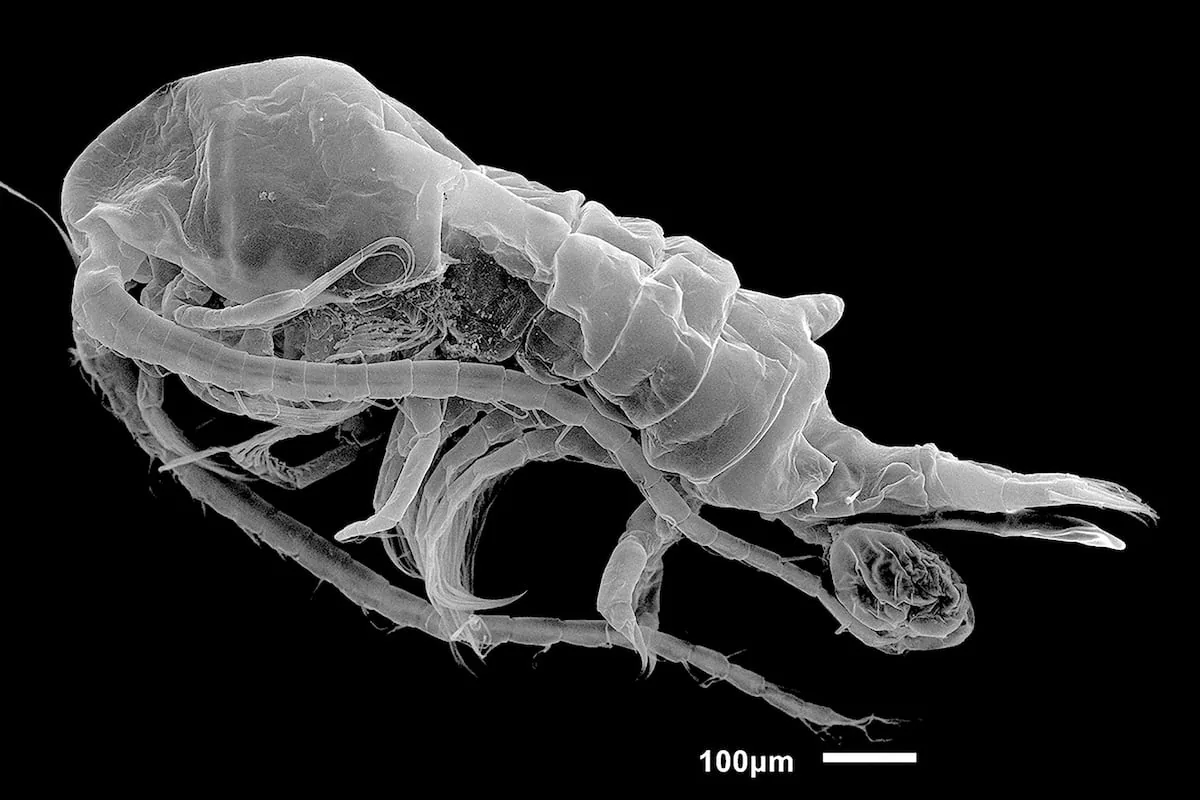
In Latin America and the Caribbean, there are 500 languages at risk of falling silent. Those who are about to lose their language say that the world also loses. It stems from a unique way of referring to what surrounds them. The smells, emotions, ecosystem, and habits… For decades, we have been homogenizing the words we use to refer to our environment, to what we see. In this region, the most biodiverse in the world, there is less and less biodiversity to name. Since 1948, the continent has said goodbye to 53 endemic species from the Caribbean, 30 from Mesoamerica, and 32 from South America. In the last year, three species became extinct: the bird Bermuteo avivorus, a copepod or tiny crustacean —Mastigodiaptomus galapagoensis—, last seen in the Galapagos Islands, and Eugenia acutissima, a plant endemic to Cuba that has not been located since 1980.
The exuberance of the region sometimes works against it. That same diversity that floods the Amazon, the Pantanal, or the forests of Mesoamerica also makes it the region most vulnerable to the negative impacts of phenomena such as climate change. Global warming is, according to Gabriel Quijandría, regional director of IUCN for South America, one of the main causes of extinction. “These variations alter ecological cycles, reproduction, and food availability, directly affecting the essential functions of ecosystems,” he explains.
However, it is usually due to combined factors. In addition to the climate crisis, the main ones are: habitat loss, fragmentation, and degradation, illegal hunting, fishing, and trade of flora and fauna, deforestation, the introduction of non-native species to the ecosystem, and a lack of effective governance. “Without solid regulatory mechanisms, the risk of ecosystem collapse and species extinction increases exponentially,” he concludes.
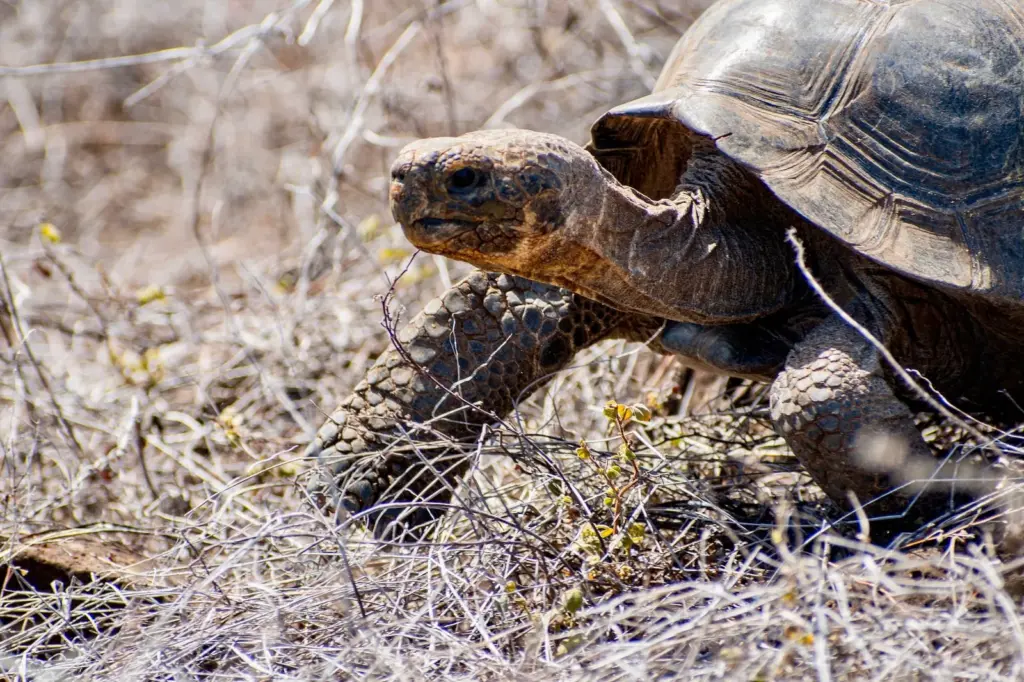
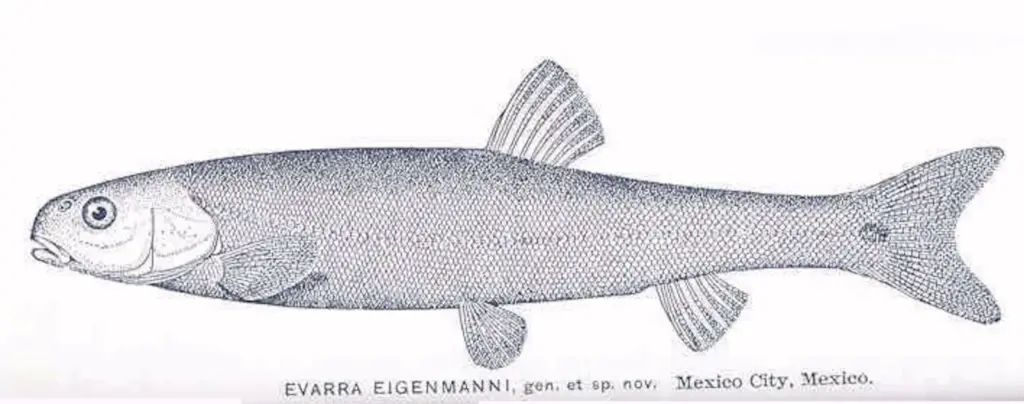
An endemic chinchilla from Peru, Lagostomus crassus, last seen in 1910; the Floreana giant tortoise (Chelonoidis niger), one of the original species of the Galapagos; the splendid poison frog (Oophaga speciosa) a red amphibian endemic to western Panama; or the Evarra tlahuacensis, a fish that lived in Lake Chalco in the Valley of Mexico and was stripped of its habitat by pollution… The extinction of species is a chapter abruptly closed, where the main protagonist is usually the human being.
For Mariella Superina, Doctor in Conservation Biology and member of the IUCN Species Survival Commission (SSC), it is key that the entire community gets involved in protecting its environment. “Academia alone will achieve nothing. There must be multidisciplinary efforts, learning from species, government support with legislation and implementation… Efforts must come from all sides,” she recommends.
She also laments that the conservation of many species —mainly fauna— depends on how charismatic the animal is. “We cannot let it depend on whether it is beautiful or not. And today, getting funding for the protection of the marmoset monkey is much easier than for the armadillo, for example,” says the researcher from the National Council for Scientific and Technical Research (Conicet) of Argentina. “Very dedicated researchers are needed to conserve less charismatic species.”
The need is urgent. Globally, there are 48,600 threatened species. They represent 28% of all assessed species. And there are still animals, fungi, or vegetation that have not been described by academia. The fear? That they will become extinct without having been known or studied. “We are facing a very critical situation. In Central America, amphibians have been reduced to worrying numbers, 44% of the world’s corals are at risk…,” she enumerates.
The impact of losing a frog or a fish transcends science. A global study based on the ecological memory of 10 indigenous peoples of the world, published in February, warned, in addition to the environmental impact, of the threat it poses to these peoples, their dances, and rituals. The Doctor of Natural Sciences, Yolanda López Maldonado, explained then to EL PAÍS that, if the stone-curlew disappears, in some way their culture is also disappearing. “Passing this tradition on to the youngest is an enormous challenge if they are no longer observed in the territory,” she lamented.
“If a species disappears, it affects us”
Both Gabriel Quijandría and Mariella Superina insist on facing the threats to species with optimism and determination. There are many success stories that have reversed skeletal numbers of specimens. One of them is the vicuña (Lama vicugna), a wild Andean camelid that possesses one of the best and most valuable fibers in the world. This mammal was on the verge of extinction in the 1970s and, through sustainable management strategies for the species and periodic harvesting of the fiber with direct participation of high Andean communities, it is now a species with a Least Concern category according to the IUCN Red List of Species. The vicuña is not the only paradigmatic case. Something similar happened with the Andean bear in Venezuela or the green turtle in Brazil.
“We are bombarded with negative messages, but we have to know that there are little lights along the way,” says Superina. “It is important to understand psychologically that we can reverse the situation.” That is why Quijandría insists that the establishment and effective management of protected and conserved areas is one of the most successful strategies to reduce pressure on ecosystems and species at risk and even to allow their recovery. A global study from 2016 showed that protected areas had 11% more species richness and 15% more specimens per species compared to adjacent territories without protection status. “We have to understand as a society that everything is connected. If a species disappears, it seems like it doesn’t affect us that much, but it does. And it’s not just one. It’s thousands,” says Superina.