








A new rule from the Florida Department of Education seeks to prevent students without legal status from enrolling in public higher education institutions, by requiring proof of citizenship or residency. The measure would apply to two-year centers of the State College System (FCS). The initiative marks a new attempt by the Florida Government to restrict immigrant students’ access to public higher education, this time through administrative means, after similar proposals failed in the state legislature, which concluded its ordinary session last month.
Florida’s FCS is a network of 28 public institutions that offer higher education and technical training at affordable prices. Unlike the 12 state universities —such as Florida International University (FIU)— these colleges primarily offer two-year degrees known as Associate Degrees and certificates.
Florida has placed itself at the forefront of the anti-immigrant agenda of the Donald Trump administration, which has promised the largest deportation operation in history. The State has built immigrant detention centers with sinister names and promoted restrictive immigration policies, in line with the White House agenda.
Pro-immigrant groups in Florida called the new educational rule “discriminatory” and part of a broader trend to restrict immigrant students’ access to education, with universities acting as “immigration filters.” “This was already resoundingly rejected in the legislature, and now the [Governor Ron] DeSantis Administration is trying to impose it through administrative means. I find it totally deceitful, but also cruel and destructive for students,” says Thomas Kennedy, from the Florida Immigrant Coalition (FLIC).
In Florida, non-resident students lack access to public aid and must pay tuition as foreigners, which can cost them two or three times more than residents, explains Kennedy. “We are robbing opportunities from young people who only want to train, professionalize, and integrate into the labor market, which needs workforce. I find it truly destructive and senseless,” he adds.
Yareliz Méndez-Zamora, from the American Friends Service Committee, points out that the policy “punishes students for circumstances they did not choose.” “They are Florida students. They grew up here, studied here, and now the State is trying to close the doors on them,” she states.
In financial terms, Norín Dollard, from the Florida Policy Institute, warned that the impact would also reach the institutions themselves. “The cost of these proposals, both for the well-being of families and for university budgets, would be high,” she says.
The groups estimate that universities would lose tens of millions of dollars in tuition revenue, especially institutions with a high immigrant population.
The Florida Department of Education referred a request for comments to an X post by Governor Ron DeSantis’ communications director, Alex Lanfranconi: “Florida continues to lead the country in the fight against illegal immigration. Our colleges will soon deny admission to those who cannot prove they are legally in the country.”
Read more Juan, the Mexican contestant in a MrBeast challenge who has won the love of the viewers
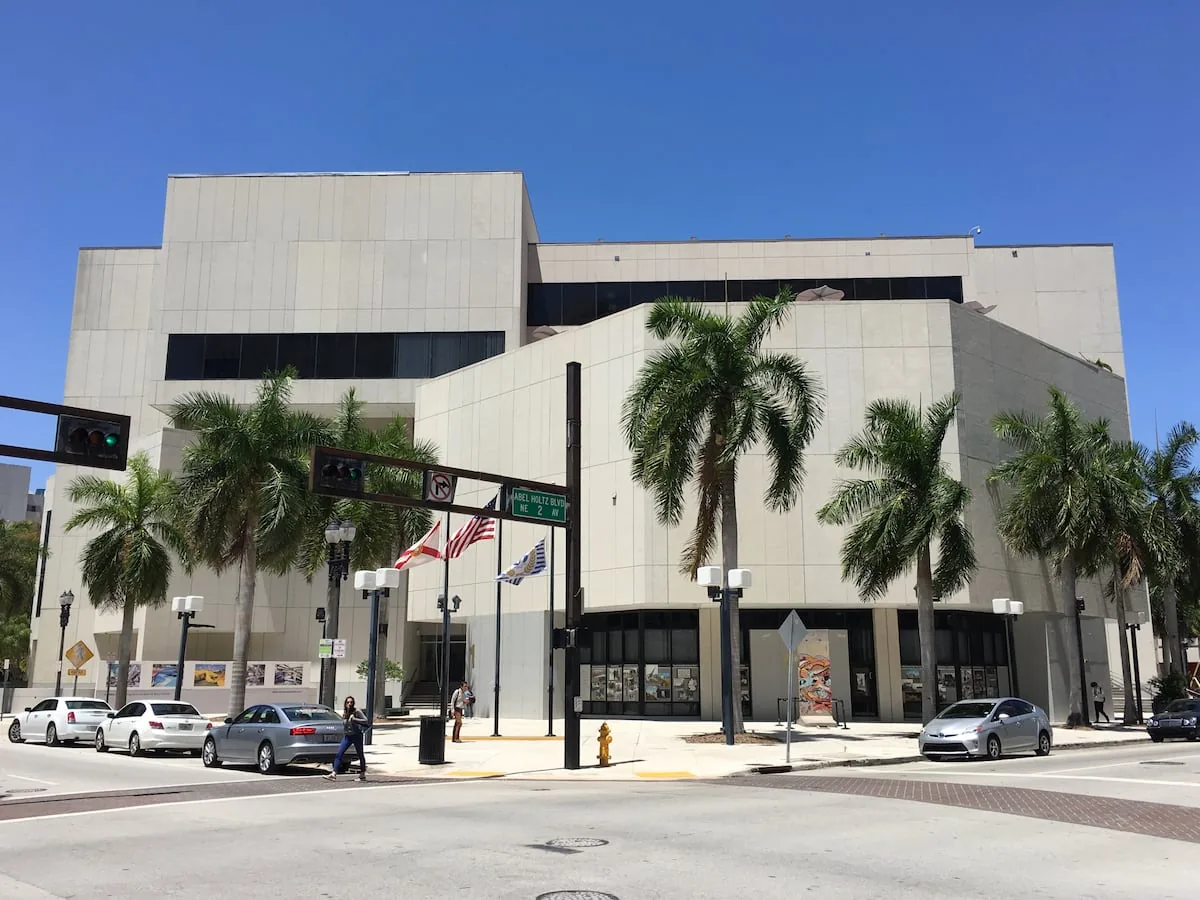
The rule is still under discussion, and a public hearing has been scheduled for May 14 at 9:00 a.m. at the MDC Wolfson campus, in downtown Miami, for the public to express their comments.
The State had already taken steps in that direction last year, when it eliminated access to state tuition (in-state tuition) for students with irregular immigration status, including beneficiaries of the Deferred Action for Childhood Arrivals (DACA) program. It is estimated that the measure affected about 6,500 students, for whom costs increased from just over $6,000 per year to more than $30,000.
Students with irregular immigration status represent approximately 2% of the total in higher education in the U.S., according to the Higher Ed Immigration Portal. Nearly a quarter of Florida residents —about 5 million— are immigrants, one of the highest populations in the country. The FCS, one of the main pathways to higher education in the country, has about 640,000 students. At Miami Dade College alone, there are between 100,000 and 120,000 students each year.
During the last legislative session, Republican lawmakers presented several proposals to restrict immigrants’ access to public higher education. Project SB 1052 proposed limiting enrollment in public universities solely to U.S. citizens or those legally in the country. Another proposal restricted access to adult education programs, such as English classes or preparation for the high school equivalency exam (GED). Another project proposed imposing a cap on the number of international students. The efforts did not succeed before the session closed on March 13.
Other States —Alabama, Georgia, South Carolina, Arizona, and Oklahoma— have imposed their own restrictions on students with irregular immigration status from enrolling in public universities.
Last year, Texas eliminated a law that allowed students without legal status to pay the same fees as state residents. After the state legislature failed to pass a proposal seeking to eliminate that benefit, the Donald Trump administration sued the State. The Texas Government, led by Republican Greg Abbott, did not defend the law; instead, it asked a judge to declare it unconstitutional.
María Sánchez, a 24-year-old Cuban who aspires to study at Miami Dade College (MDC), says the measure represents “another difficulty” for immigrants seeking to become professionals. Sánchez has been living in Miami for five years but has not yet managed to regularize her immigration status. In her opinion, the authorities “are taking advantage of a minority to charge more.”
“Some of us have been here for many years and are still waiting to adjust our status. They should consider that even if we don’t have residency or citizenship, we can prove we live in the State,” she states. “There should be exceptions to make access more flexible and accessible, especially when it comes to a public institution,” she adds.
Read more Leo XIV: now his voice was finally heard