






The La Fenice opera house in Venice, one of the most prestigious theaters in Italy and the world, has canceled “all future collaborations” with Beatrice Venezi, who last September had been appointed music director amid great controversy and had not yet taken office, as her debut was scheduled for the start of the season next fall.
The relationship between Venezi, a 36-year-old pianist and conductor, and the theater was already complicated since her appointment. Her future team accused her from the start of not having the necessary resume for an entity of that category and reproached her closeness to the Prime Minister, Giorgia Meloni. But the trigger for the break was an interview the conductor gave to the Argentine newspaper La Nación, in which she accused the orchestra of nepotism.
In the conversation, she was asked about the numerous controversies of recent months, in which the workers of La Fenice and many experts had stated that she did not possess the necessary artistic qualities and that she had been appointed music director because of her closeness to the far-right parties currently in government. Venezi stated that she has no protectors and does not come from a family of musicians, while the positions in the Venetian theater’s orchestra “are practically passed down from parents to children.” Currently, Venezi is principal guest conductor of the Teatro Colón in Buenos Aires, the Argentine capital, and her position as music director at La Fenice was supposed to begin in the fall, coinciding with the start of the opera season.
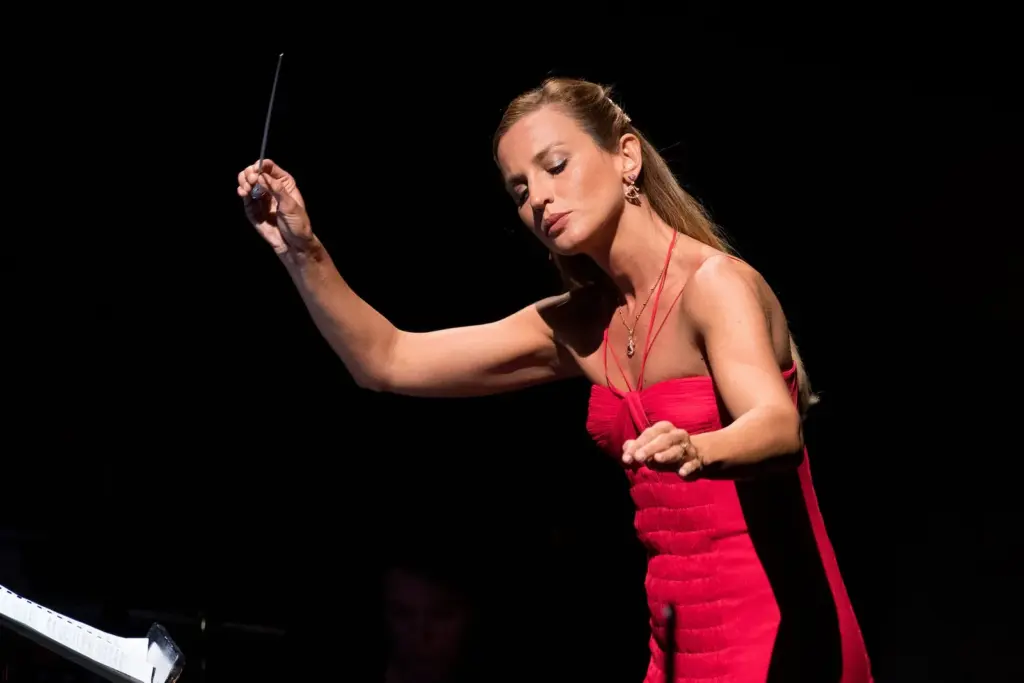
The superintendent of the Teatro La Fenice Foundation, Nicola Colabianchi, announced on Sunday, through a statement, the interruption of the collaboration, specifying that the decision is related to Venezi’s statements, which he described as “serious, offensive, and harmful to artistic and professional value.” He also emphasized that they are “incompatible with the principles” of the foundation and its orchestra and reaffirmed his commitment to an environment based on “mutual respect, constructive collaboration, and artistic excellence.”
In the mentioned interview, Venezi defended her appointment and claimed that her intention to “renew” the theater had generated internal resistance. “I do not belong to a family of musicians, I am a woman, 36 years old, the first female conductor of La Fenice, and I want to renew. That is the main issue. They are afraid of change, of renewal. It is easier to continue with the same customs and habits. But that way a theater dies,” the Italian said.
Her statements, particularly the accusations of nepotism, caused an immediate uproar in Italy. The theater’s Unitary Union Representation (RSU) expressed its “deep dismay” at statements it called “serious, false, and offensive.” The union representatives defended the professionalism of the musicians in a statement and assured that they are selected through “international public competitions based on talent and procedural rigor.”
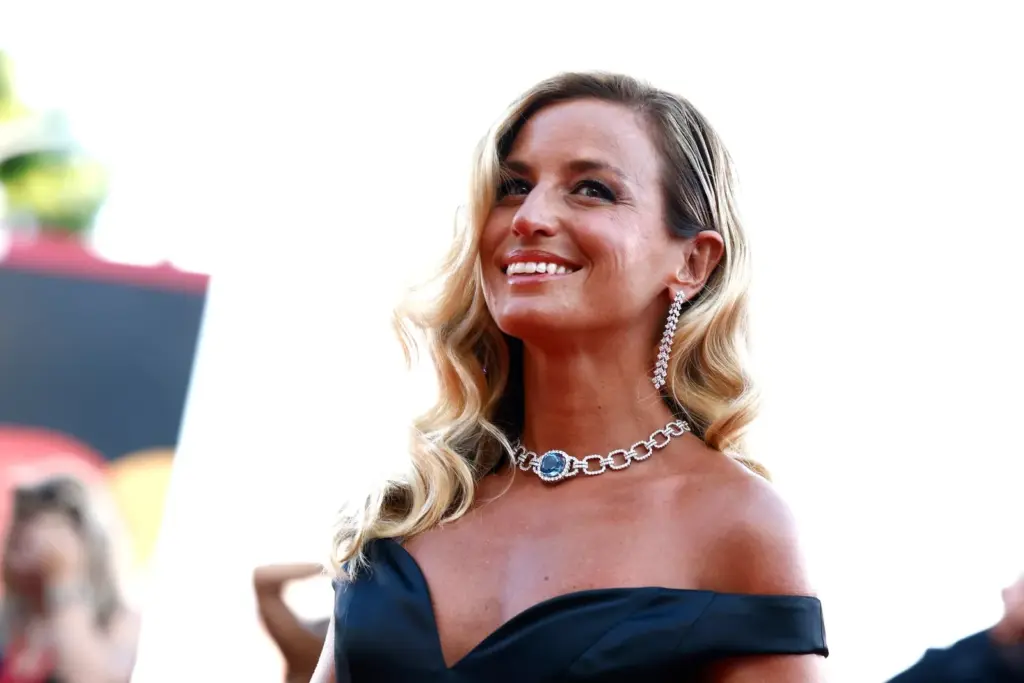
Despite previous criticism, Colabianchi, who had appointed Venezi as music director last September, initially defended her appointment, arguing that her youth and dynamism would attract a younger audience to the theater. The Ministry of Culture had also so far maintained its support for the conductor. But recent statements by Venezi have precipitated the disagreement. The Culture Minister, Alessandro Giuli, has expressed his “fullest confidence” in Colabianchi’s management with the hope that this decision will “clear up misunderstandings, tensions, and instrumentalizations of any kind” in favor of the Venetian institution.
Read more Traffic expects six million trips during the May 1st holiday weekend
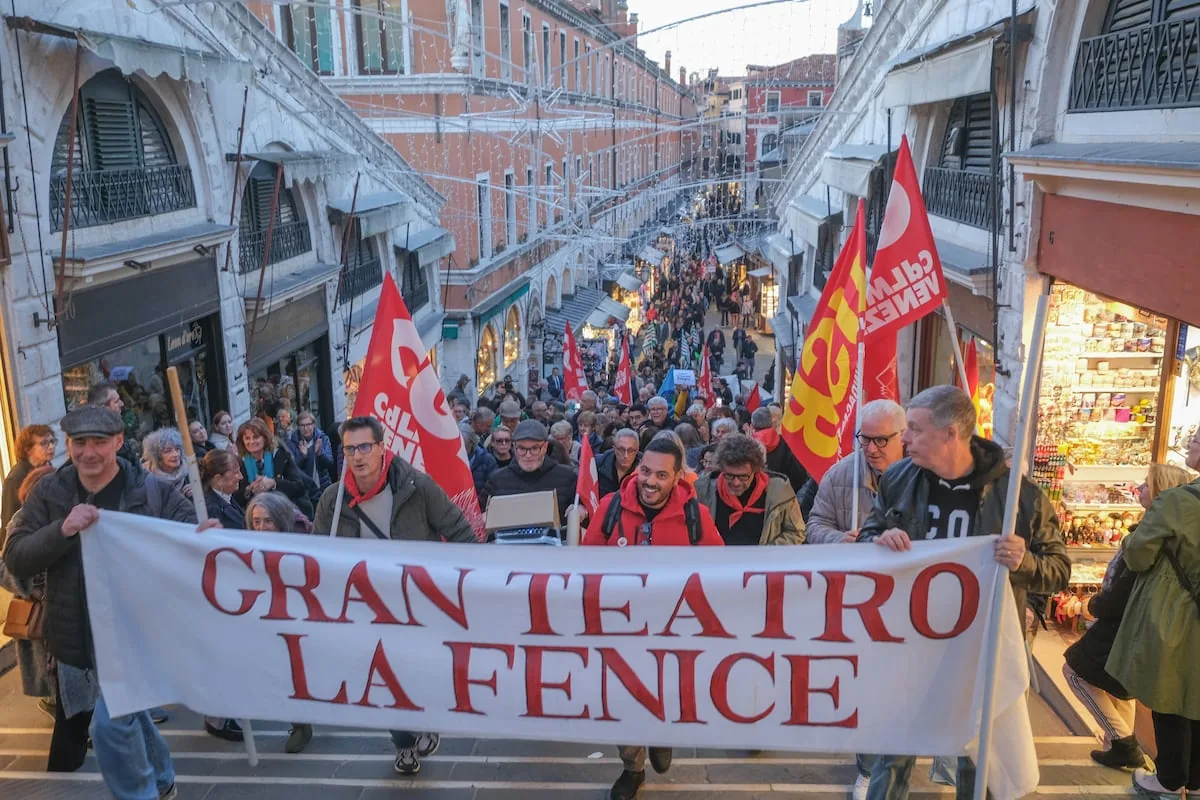
The decision to break with Venezi comes after months of controversies, protests, and tensions with the orchestra and staff. Musicians, singers, and stage technicians strongly opposed her appointment, citing lack of transparency and insufficient experience to lead the theater. Their increasingly intense protests included a strike that forced the cancellation of a performance and a march through Venice joined by workers from other opera houses, reflecting concern about political interference in artistic decisions.
According to a video released by Italian media, the audience and orchestra burst into applause during a performance on Sunday night when the news broke that Venezi’s appointment had been blocked.
Venezi has responded to the Teatro La Fenice decision by raising the tone of the conflict. The conductor has stated that in recent months she has been the target of repeated attacks by theater workers and the media. She has denounced being “defamed, slandered, insulted, and bullied,” describing a climate of strong hostility around her appointment and professional figure. The Italian explained that she learned of the theater’s decision to break ties with her through the press and announced that she is considering legal action.
“The employees have been spreading slanders and defamations for months, with the tacit consent of the superintendent. Colabianchi has allowed the orchestra to carry out a hate campaign against me, giving the world a terrible image of La Fenice. They have questioned my competence, my talent, my career,” Venezi said in an interview with Il Corriere della Sera. She also criticized politics: “If I could go back, I would not have given in to Meloni’s insistent request to perform at a Brothers of Italy congress [the Prime Minister’s party] before the 2022 elections. Look at all the damage it has caused me… They have made me cannon fodder, no one has protected me. I have never been involved in politics. This right wing needed my impeccable image, used me, and then discarded me,” she said in the same newspaper.
Venezi is the daughter of real estate entrepreneur Gabriele Venezi, who in the early 2000s ran as a candidate for mayor of the town of Lucca for the neo-fascist party Forza Nuova. Since 2022 she has been a music advisor at the Ministry of Culture and, last September, her appointment was unanimously approved by the foundation that manages the theater’s activity, chaired by the mayor of Venice, Luigi Brugnaro, from the center-right.