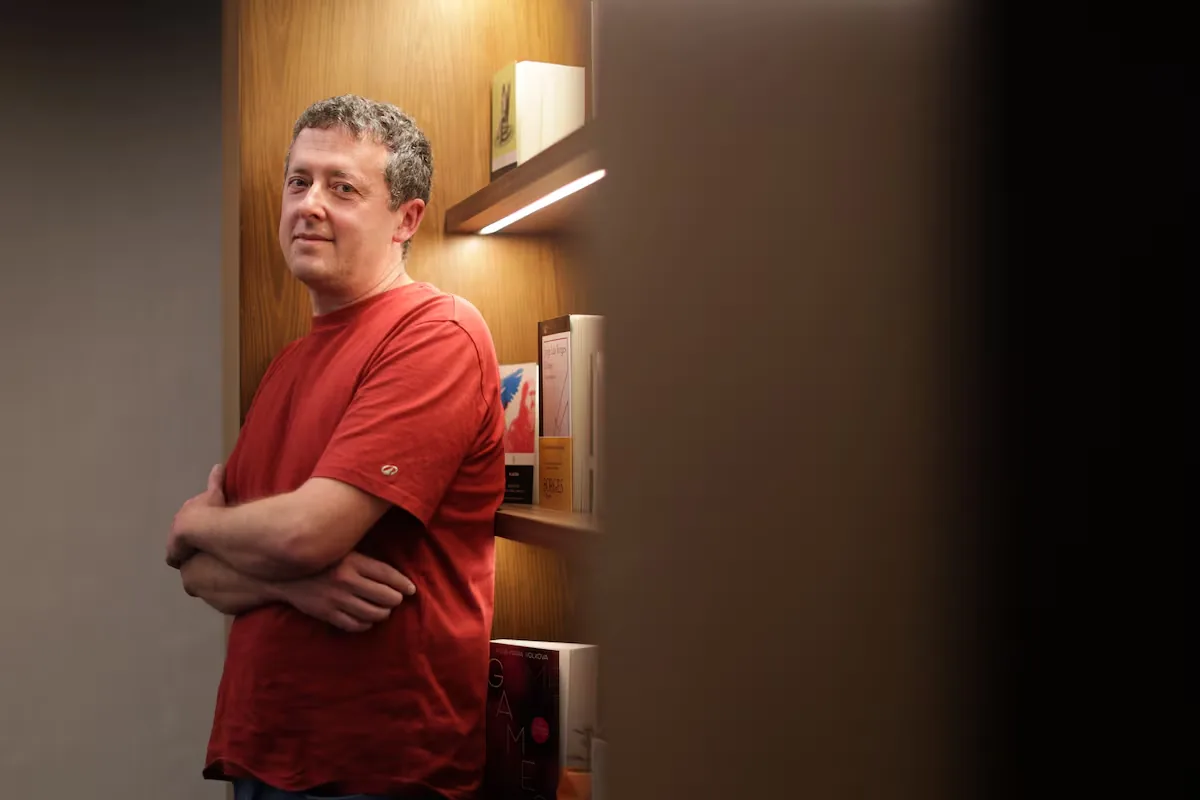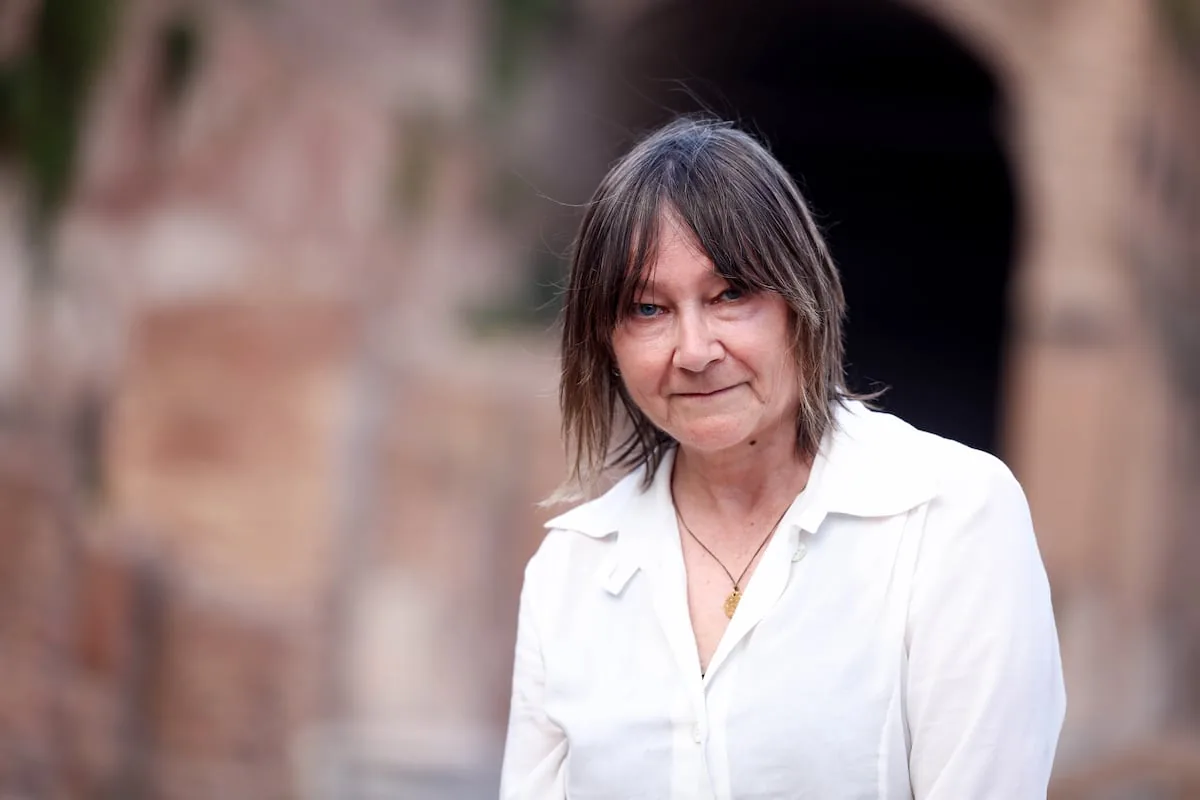







He has won practically all the major awards in Spanish literature. From the Herralde Novel Prize to the now-defunct Fastenrath, including the Planeta, Nadal, and the more institutional ones, such as the Critics’, the National, and, in 2024, the Cervantes. Even so, Álvaro Pombo (Santander, 86 years old) does not seem to have been daunted by success, among readers and critics alike. His spirit and good humor have not disappeared either. One of the words he says most in the conversation we had is “fun.” It takes a carefree and consistent character to maintain a literary career spanning five decades, mostly through novels, but also poetry books, essays, and short stories.
Read more Borja Sémper on ‘El hormiguero’: three in one
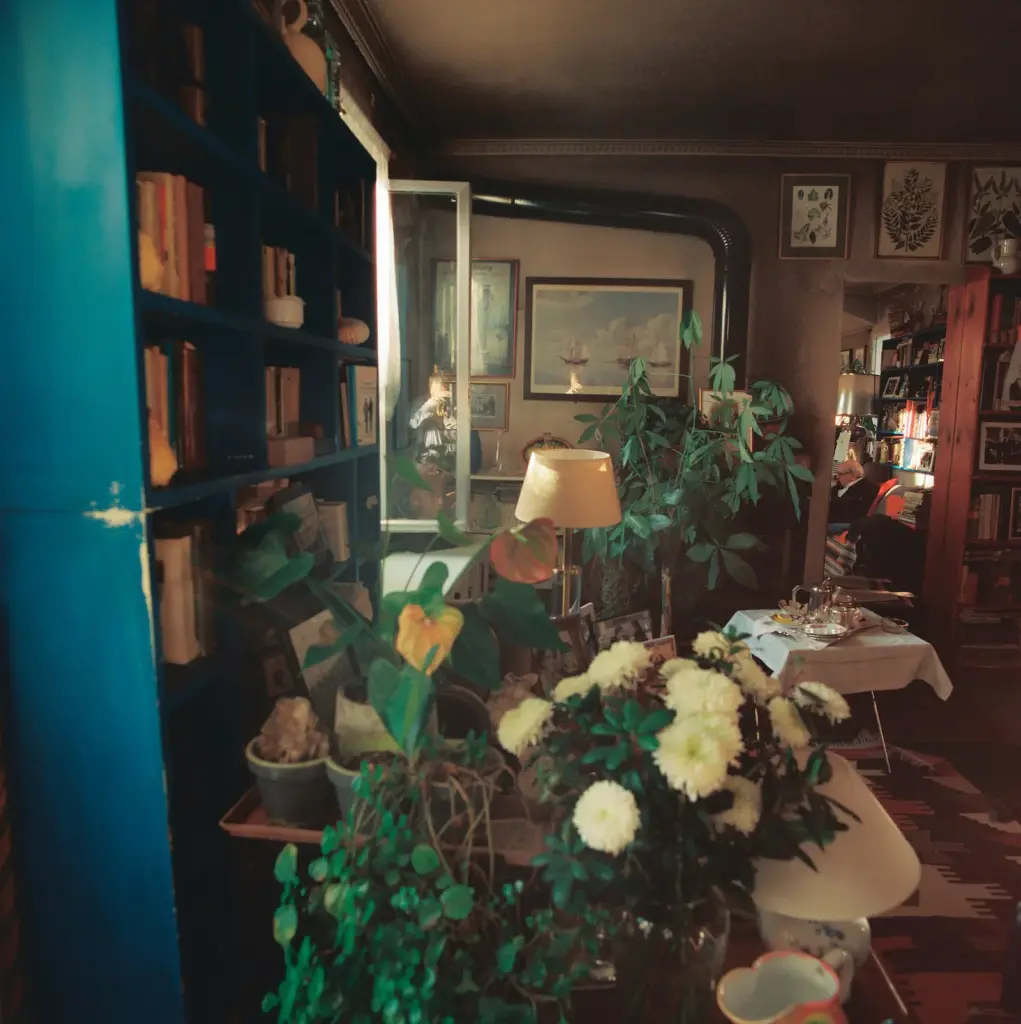
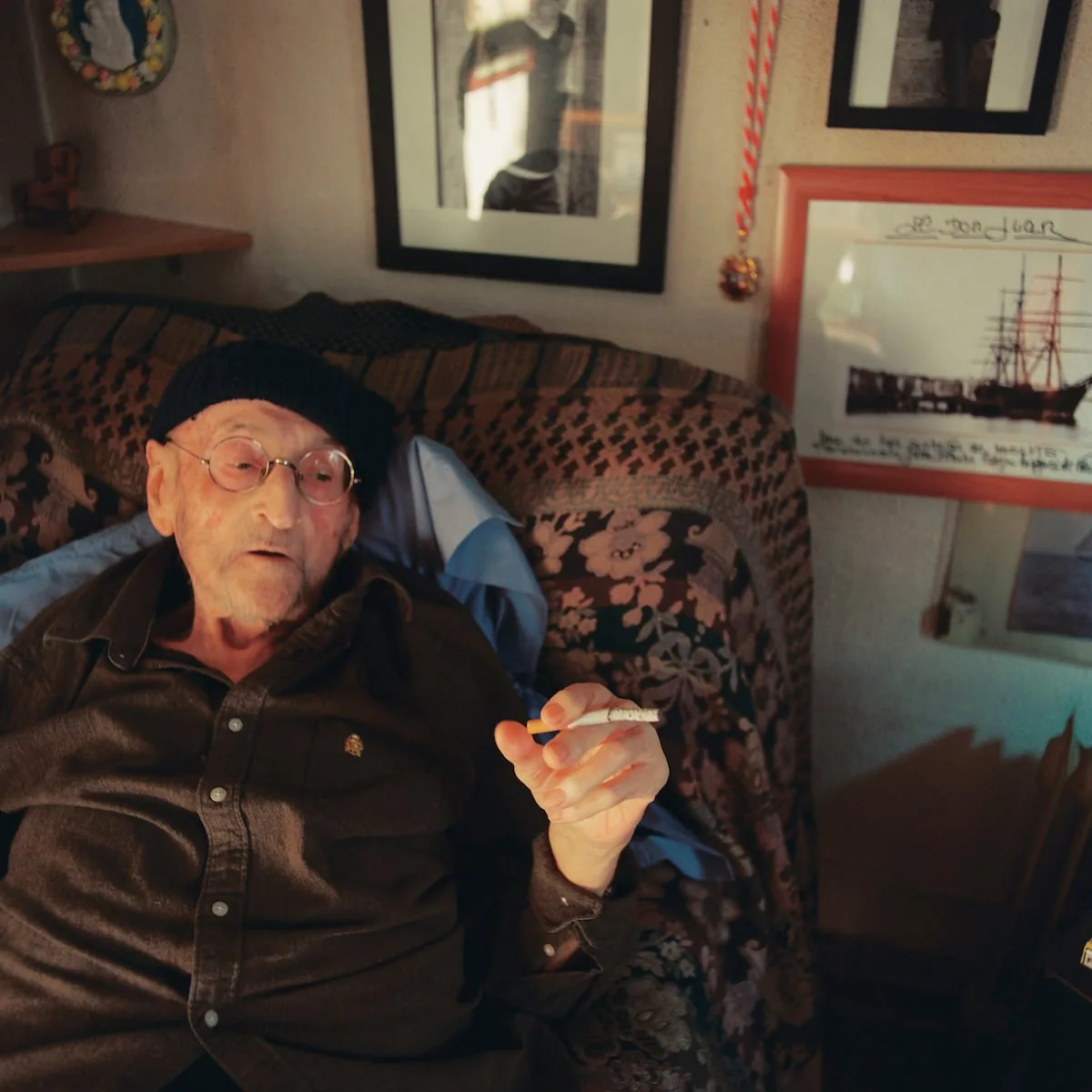
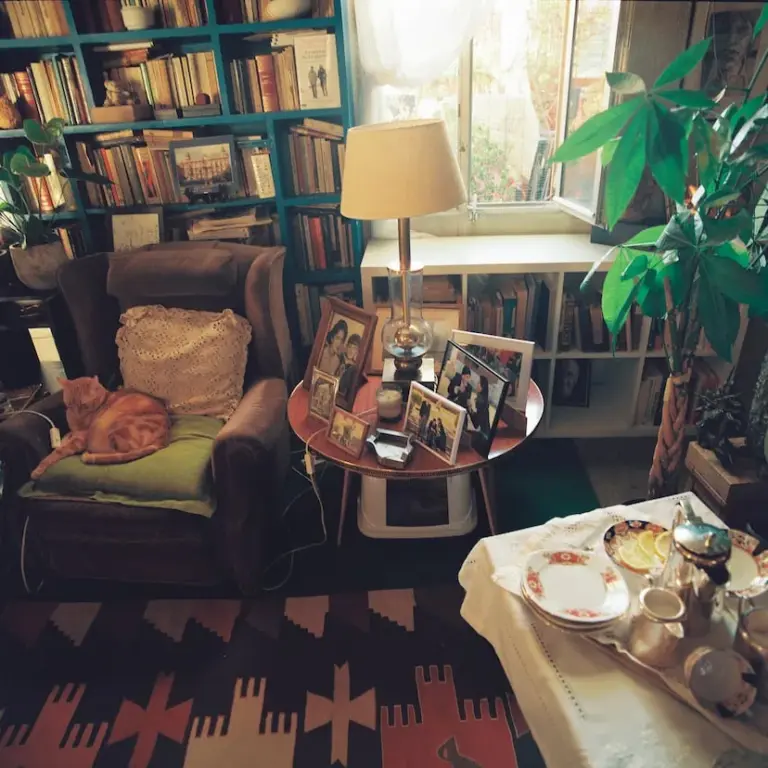
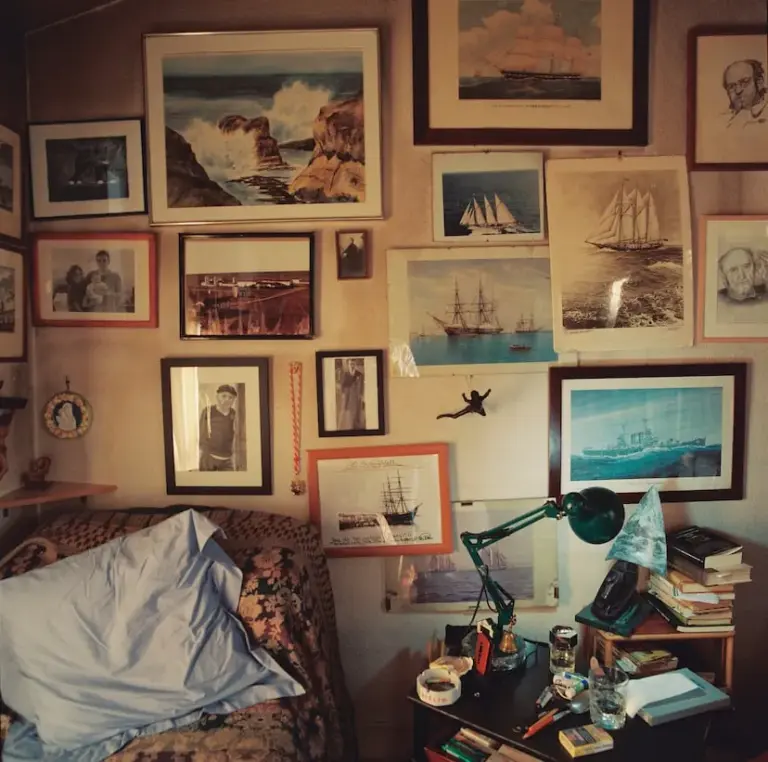
Of the latter, he admits they are a “difficult” genre, but the publication of his Autobiographical Stories. Volume I (Anagrama), in November 2025, opened a new vein to explore in his narrative. He announces that the next two volumes are on their way. To his assistant, Mario Crespo, writer and academic colleague at the RAE, we owe the imminent release of a biography about Pombo and the mediation for this interview in the apartment in the Madrid neighborhood of Argüelles, surrounded by books, flowers, and photographs. An orange cat, Michi, lies on his bed. “He’s a bit old, but we take care of each other,” says the writer. The recorder starts running, and Mr. Pombo, settled in his armchair, like at the beginning of any story, smokes and smiles.
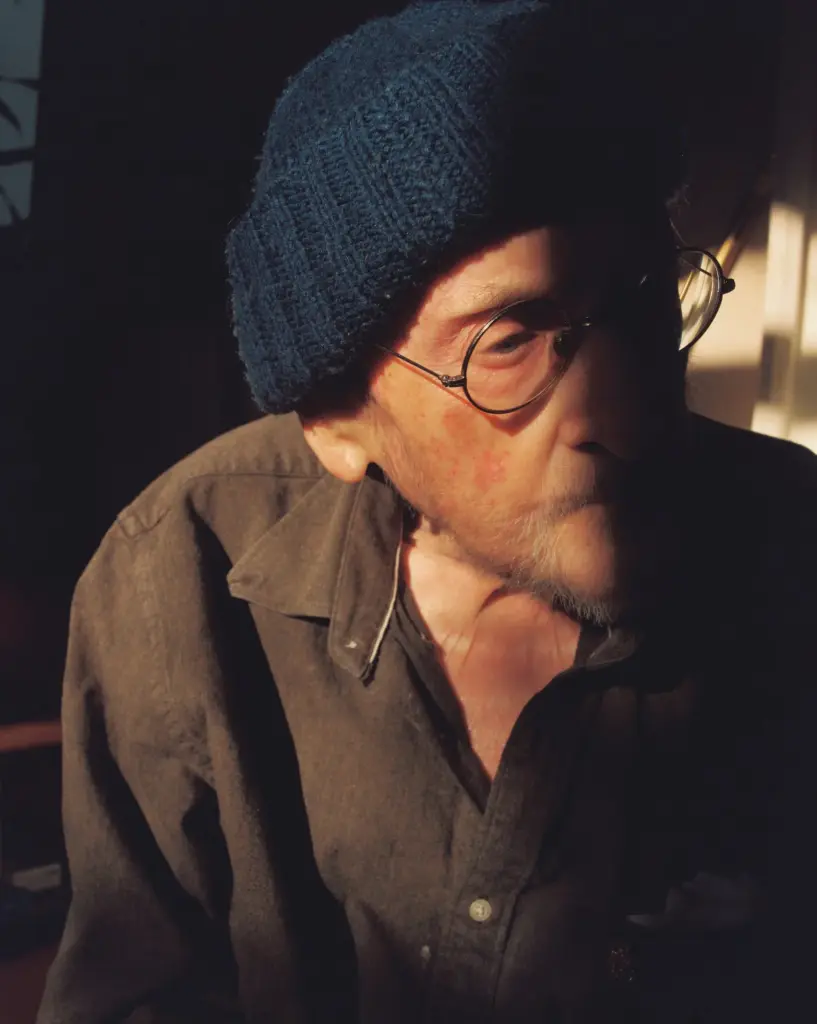
At your age, who is winning the battle? Skepticism or hope? Skepticism, especially political skepticism. I mean: I am not skeptical by nature; I am an enthusiastic person, but people are a bit tired, we all are. As for hope, well. I have kept writing, regardless of the type of government we had. Writing requires an enormous dose of energy. That’s why, if you look outside and observe, the political situation leaves you rather discouraged. It’s not that it’s bad, nothing is happening to us, but we have a scenario where Pedro Sánchez is criticized. It’s melancholic to have to do that. We should be applauding. And it’s not like that. José María Aznar is applauded more, despite who he was…
You say, paraphrasing Henri-Frédéric Amiel, that stories, like landscapes, should be states of mind. Did that make writing this book easier? Did you prefer brevity and lightness over a conventional memoir? It’s a phrase I read in his diary, very amusing, and I thought it was a splendid idea. Specifically, the idea that the landscape is the same as a state of mind is not true. What is true is that what we see, we configure as landscape, since it is always a construction. The ones I have about the sea, about Santander, are all constructions. In their own way, they are states of mind because we endow them with those. For me, it’s very important to show them with their rains, their good weather… The short story is a difficult genre. I have written more novels, but also more stories than it seems. At the forefront, I would put Jorge Luis Borges as a great short story writer, of course, or some Americans, like John Steinbeck. Also Spaniards, like Azorín or Bécquer, very important, whose Legends you read today, like The Mount of Souls, and it seems totally current, a modern horror story. Regarding brevity and lightness, I respond with Juan de Iriarte’s epigram: “Like the bee, to please,/ the epigram must be:/ small, sweet, and sharp.” I don’t apply it [laughs]. Some stories come out better than others. Borges nailed them. They came out like sonnets. One can write ten pages or three, and better if they are three. The story must be impactful, without speeches in between.
Does a writer end up disappearing to be identified with those places and characters he has described? I ask because of the prominence of your hometown, Santander, and the family houses there and in La Dehesilla, in Castilla y León. The writer has to step aside. A little. I think it’s good that it happens that way. That situation gets better as you age. The self is a complication in writing. It’s the idea that great writers had. T. S. Eliot’s objectivism, which has been a great reference for me, consisted of telling “how it is there,” and subjectivism is saying “I see it,” but you don’t see it, the reader does. In these stories, the houses mentioned and the landscape, which is an invention of the 18th and 19th centuries, are basically my life, just like this terrace and this sky I see daily.
They are the “first heartbeat” that leads to writing, as Nabokov said. Something his friend Javier Marías liked to repeat. Javier was a magnificent writer. I read him a lot. And from Nabokov, I read Lolita at the time, which seemed to me the novel of novels. I don’t know what I would think now if I reread it. I didn’t read more from him, only some studies and things. I’m not very erudite. I have read more essays than novels.
Although you had already published two poetry books, a novel, and a book of stories, you began to be recognized after winning the Herralde Novel Prize in 1983 for The Hero of the Mansard Mansards (Anagrama). Do you still think it’s good for a writer to have a late bloom? And have awards been devalued with so many appearing in so few decades? I published the poems of Protocols in 1973, yes, and with that I stayed in England until I released the Stories about the Lack of Substance in 1977, a title that shocked everyone. Carlos Barral, for example, who was the fashionable editor at that time. The Herralde in ’83 was like winning the lottery, being the first to get it and the novel the first title of the Hispanic Narratives collection. Also, since this morning, I am an Honorary Mondonguero! [shows a golden shield pin on his sweater], brought by the mayor and two representatives from Villada, Palencia [the place of origin of his great-great-grandfather, Juan Pombo Conejo], and I immediately pinned it on my chest. Yes, I do think, and I’m sure, that a writer should start late. In my case, don Juan Benet and Rosa Regàs had a big influence. That lateness is better because you take yourself less seriously. It’s a flaw if it happens when you’re young. I tend to reduce praise for youth in that respect. You think you’re going to conquer the world. I praise old age with this, but not excessively, as we can also be a bore [laughs]. Regarding awards, I always quote Camilo José Cela: “I want all the awards, the Nobel and the Riofrío poetry prize,” all of them. He was right. Awards are a delight. And he had them. Since he was a schemer… As much as he was fun, yes. Umbral said he had the face of an intelligent horse.
What a lineup of top-notch figures. Umbral was better. I have very good memories of him; he was always charming with me. But both Don Camilo and he had a nasty streak. They were two of a kind, but Umbral was more varied. Keep in mind he wrote an article every day, and they were very funny.
Have you not wanted to appear much in the press? Was it more difficult for you? I have published many things in EL PAÍS and in El Mundo. I had a column in El Mundo, and now I have a kind of gothic chapel in ABC called The Pleasures of Pombo. I have loved writing in the press; we writers love it, but it’s true that there we are intruders.
It also provides some income, at least a small salary. Of course, and it gives us something that doesn’t happen when you write novels, which is daily glory. Publishing in a newspaper is like a flash. Above all, journalism is fun. Naturally, not the kind done for eight or ten hours in an office, but the kind that values the immediacy of response.
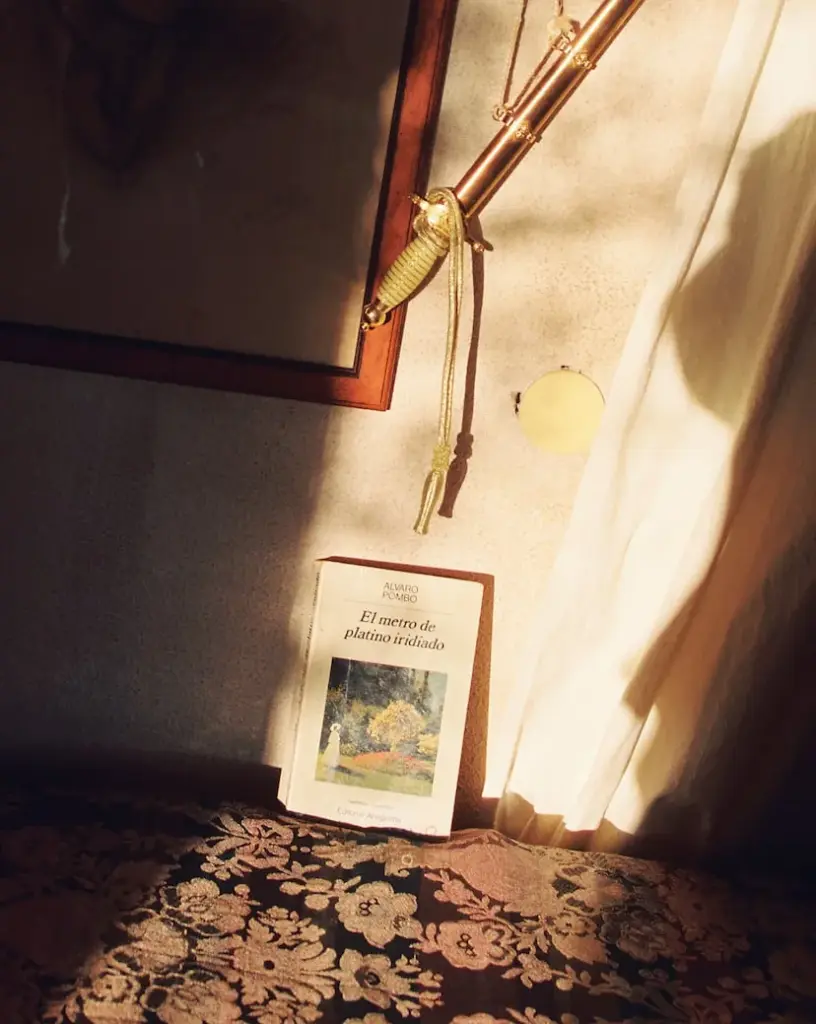
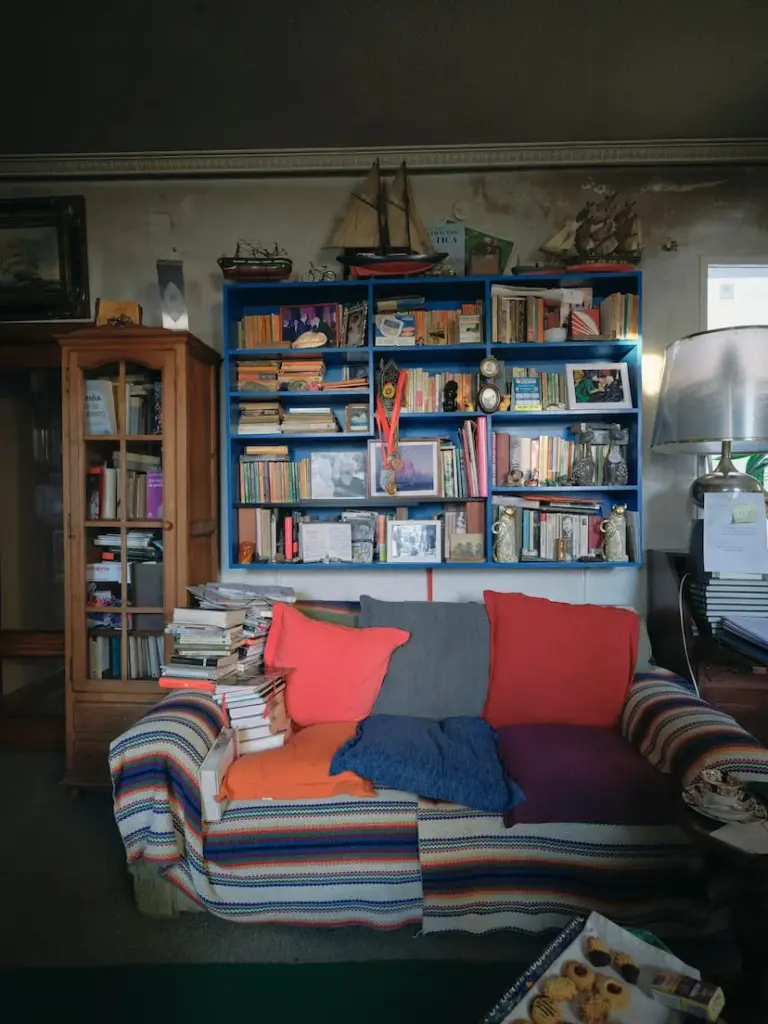
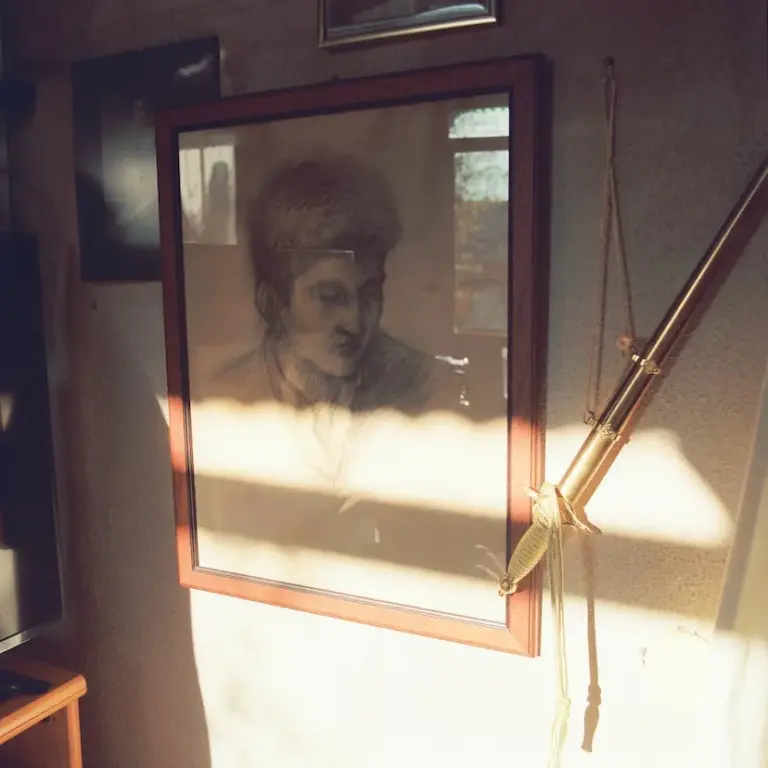
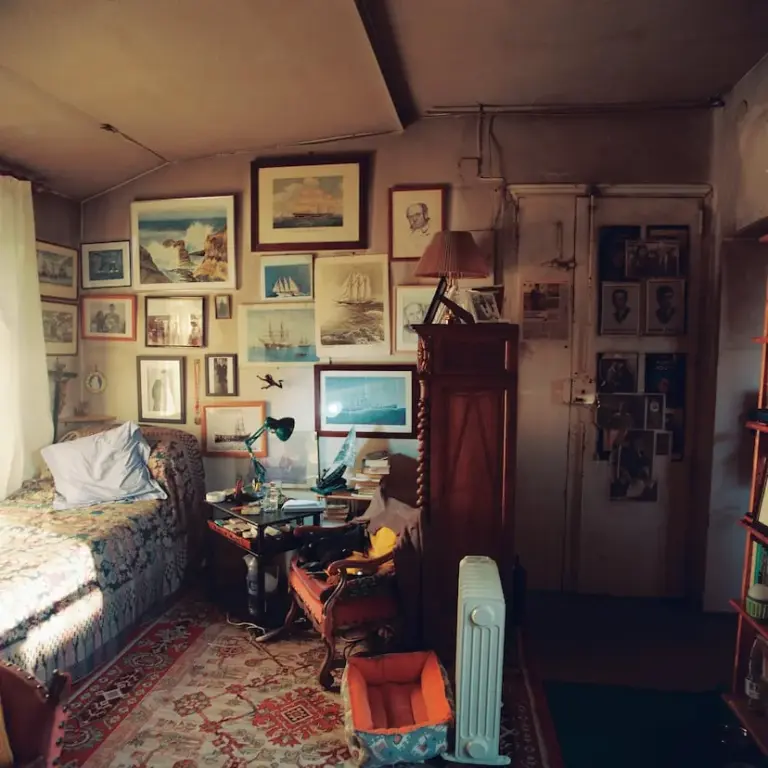
Your editor, Jorge Herralde, said about Luis Antonio de Villena and you that you should do more presentations together, as you were very “numerous,” as Villena pointed out. Do you miss the media exposure of those years? Do you feel more comfortable with the perfection achieved in your routine? We are great! [laughs] We are still a show. We are a bit out there, more me than him, but we still get along very well and communicate wonderfully when we see each other. What happens with Villena is that he is very intelligent. People see him as very frivolous, but he is very smart. He knows the Spanish literary world and others inside out. I am more introverted. I can be alone here, at home, and go days or weeks without seeing anyone. Villena, on the other hand, is very sociable. A good quality. From those years, from the TV exposure, what remains is how fun it was. I don’t think it served much for anyone. I would say the only person who watched us was Villena’s mother. He said: “My mother said she ran like crazy to watch us on the show” [laughs]. Routine is the worm in things, said Baltasar Gracián, but I have the exact opposite idea. Routine is indispensable. What is important for routine is to be in the wheelchair or in Louis XVI’s chair and be writing, hammering away. The pine table, like the helmet into which green water penetrated, as Charles Baudelaire’s poem said. I am in favor of routine because it is like a white wall. It sharpens wit and qualities. I would be lost if I didn’t maintain a strict routine. Dictating every day, five days a week.
Someone who has maintained reading routines is Iris Murdoch. I am reading this novel of hers [raises a pocket edition in English, Henry and Cato, from 1976], for the third time. She used to sit down to write her books, which were not short, precisely. But she was excellent in her character portraits. I got to know her in Madrid, also John Bayley. It moved me a lot. I can’t tell you the date, but it was shortly before she died. Her novel, The Sea, The Sea, which won the Booker Prize, is fascinating and inexhaustible. She told me: if she hadn’t won the Booker, she would have been very angry. I believe it wholeheartedly. She deserved it.
In these Autobiographical Stories, more than other Pombo themes present in previous titles, your fascination with the military world and training you received stands out. It was remarkable because I had a great time in the military service. I did two summers in La Granja, what they called university militias at that time. Military life seemed extremely theatrical to me, wonderful with its “At your orders, my general!”, the high boots, the spurs, the uniforms, the parades. When I narrate all that in the book, I seem fascist, but it’s only because I enjoyed that pomp. It was instructive, with its complications when you had to command troops, delouse the beds, keep us firm in instructions, have the company in perfect inspection condition. It was annoying and difficult. I like the memory more, the historical aftertaste. Gallantry and honor are things I sometimes have, sometimes not [laughs]. But I still like that world. What happened in Melilla, where I was stationed as a second lieutenant, was that the officers and chiefs spent the day in the bar, bored, drinking small glasses of wine, which I also did. Melilla was a whole landscape; so harsh, its sea, its population… I was moved to see the captain there, who was a very rough brute, horrible and gossipy, but with his banner of orders… I am an old-fashioned person in many ways, as you see. I liked to dress up well and I like well-dressed people. Today, all that has changed and we have had to adapt. I should have put on a shirt to receive you, but I’m wearing the sweater and the medal, as keeping the military touch [laughs].
How do you perceive the excesses that characterize our present? Disinformation, polarization, lack of journalistic depth, low reading and reading comprehension levels. The matter is complicated because I live in this room, let’s say. My only weekly outing is to go to the Academy. So, when I talk to younger people and they tell me their perception of the present, I don’t know if I manage to get a global idea, because my present is nothing but this room, the terrace, this continuous present of literature. It’s not that I don’t care, far from it, because I understand the current difficulties of food prices, housing, low wages. It’s hard to be young now, yes. I suppose it happens to every generation. It’s cyclical, each era with its particularities.
You are preparing the second volume of this small cycle. Was it a voluntary decision to leave some topics or memories out? The second volume has already been sent; it will be published in May. Now I am working on the third, and at the same time, writing a novel, Repentance. Writing has been my salvation. I didn’t intend to divide anything; the stories came out easily. Then they weren’t so autobiographical, but well.
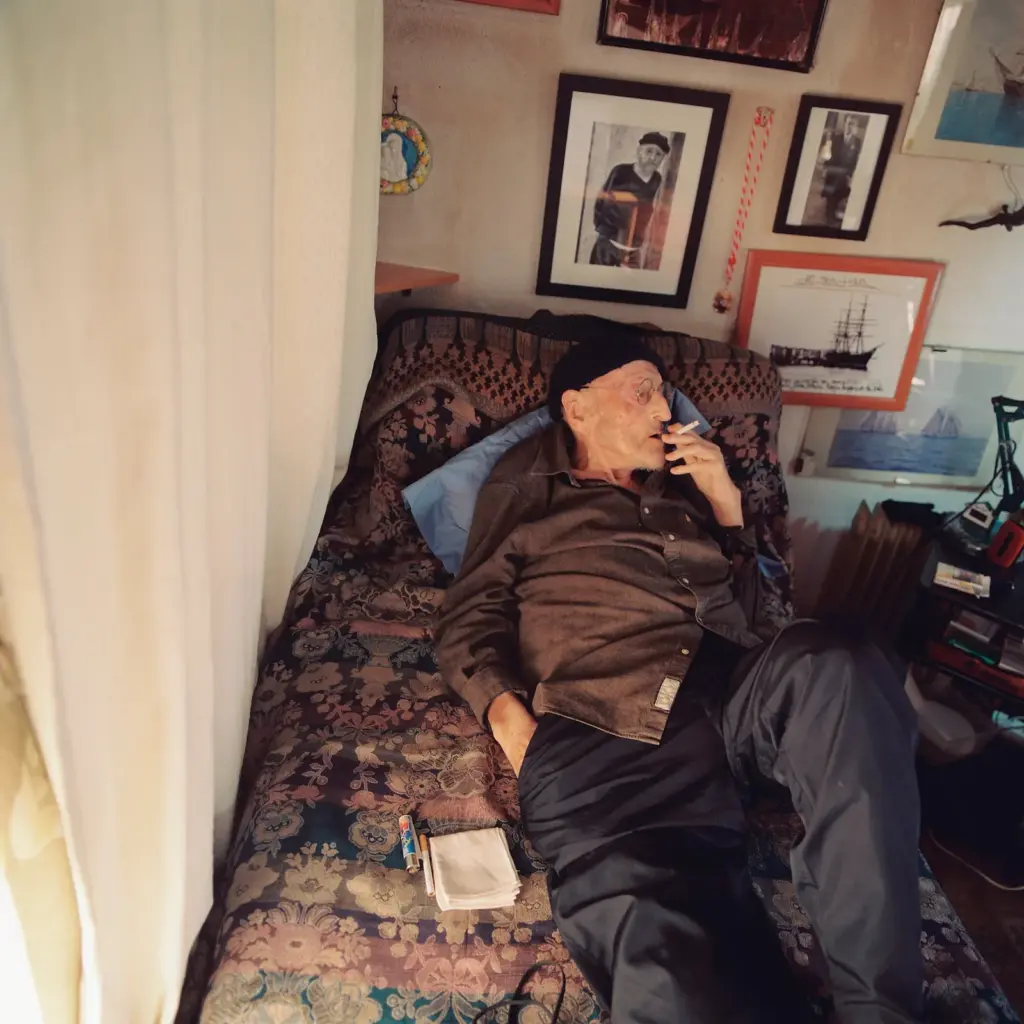
Why are you enthusiastic about the tension between distance from feelings and the way of narrating them so lyrically? Is Rilke to blame: The past is an ancestor who seems to want to resemble us? I am a passionate and affectionate man, but rational. Feelings lead us all. The tragic feeling of life, so Spanish, so Unamunian. He was right. Don Miguel de Unamuno wanted to write that book because he started from feeling, not from the idea: “I’m going to make a Spanish book, about the feeling of Spain and the mother who bore us” [laughs]. He was a very capable man of reflection, although Ortega y Gasset commented that he arrived and put his self on the table. He was a bit heavy. The ideal, for me, is the “Eliotian” impersonality. Unamuno’s was “I. I suffer. I die. I feel.” But you suffer and feel, and so does Joe Blow [laughs]. Rilke is vital for me. The portrait of ancestors, he said, who seem and don’t seem to want to resemble us. Those I see here of my family, my parents, my grandparents. Rilke knew how to capture that dance, that absolutely poetic everydayness. “Oh old curse of poets/ who complain when they should say/ that they only express their feelings/ instead of shaping them,” said his Requiem for the Poet Wolf Von Kalckreuth. A poet has to say, not feel. Rilke was a fierce poet. “Every angel is terrible.” He was better than Alberti in that about angels.
You are not fond of gossip, but do you consider the literary world more agitated or more lukewarm than before? Have the recent controversies around David Uclés, Arturo Pérez-Reverte, or Luis García Montero mattered or entertained you?
I am an enemy of gossip, but many happen in the literary world. Luis Antonio de Villena was very gossipy. Javier Marías loved to be told them. He didn’t tell them, but he loved to hear them, which is worse. He is more of a doorman, still [laughs]. Malice overwhelms me, and gossip is always that. These controversies, those of Uclés and others, seem to compete for Gossip of the Year. I’m not up to date either. I’m not a polemicist. I only participated with an article in García Montero’s against Santiago Muñoz Machado, which seemed a bit crazy to me. I don’t know what happened to him. I didn’t follow the response he gave me, but I was happy with my article, sharp, unfair, like all those kinds of articles. I don’t know. García Montero might have been envious. His wife, Almudena Grandes, was more fun, expansive, wonderful. Her husband is more of a teaser. People from Granada have “mala follá,” although it’s a beautiful city.
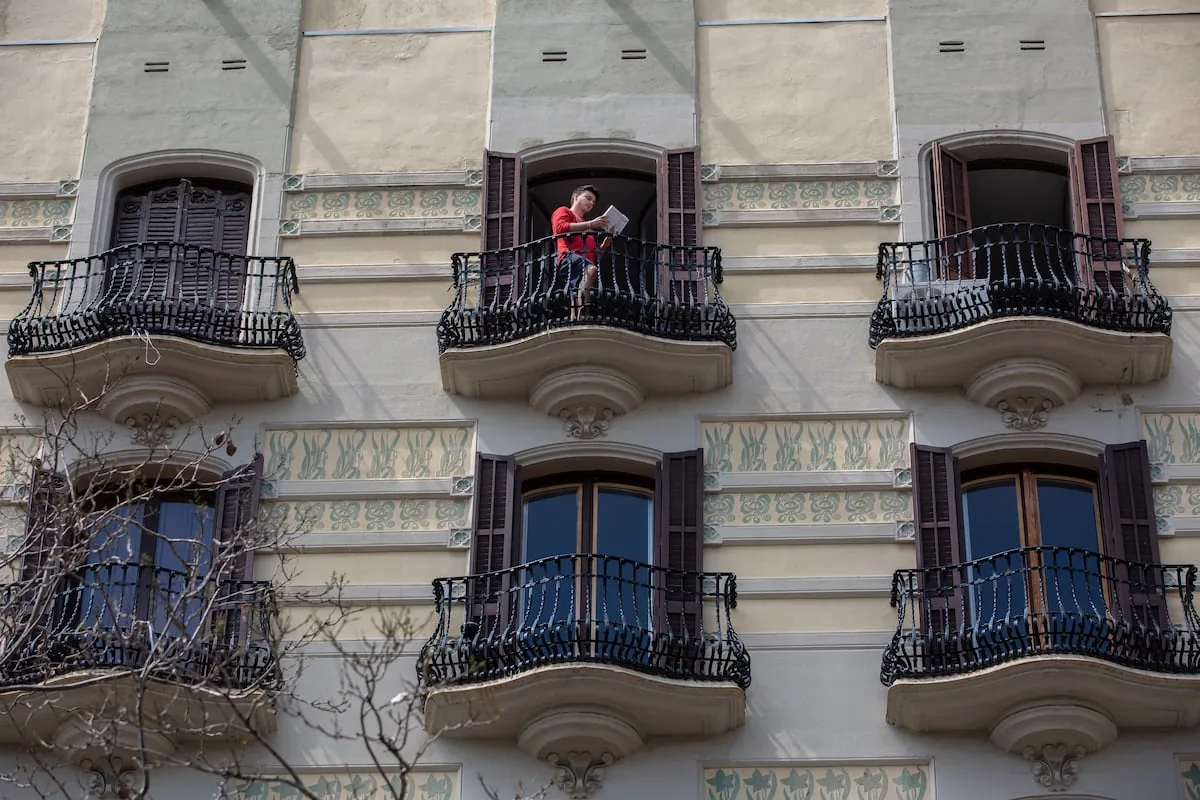
Do you still watch the sky from your terrace? Being attentive to its nuances, does it instill wisdom or hope? Attentive to the continuous present. It’s the idea of Parmenides that has fascinated me over the years. The now. The celestial present. Contemplating this sky that is my basal landscape. Its beauty. In the book Variations (1977) there are quite a few poems about the sky. It’s one of my favorite themes. The firmament, actually, which is more prosaic than lyrical. For people who have lived in the countryside, the sky was a constant. It spoke to us of omens and epiphanies. We depended on it.