






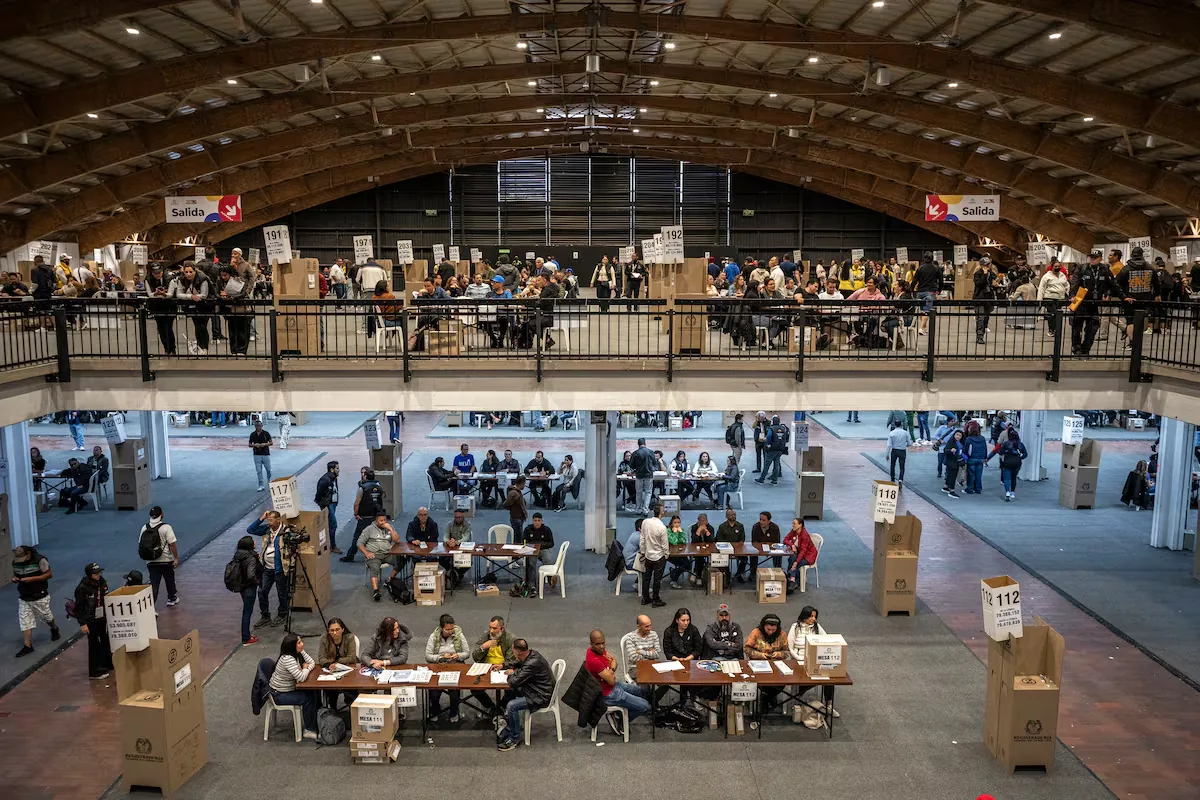
On February 3, at the White House in Washington, US President Donald Trump and Colombian President Gustavo Petro laid the groundwork for what would be a new relationship between the two countries. One of the essential commitments of that historic meeting, beyond commercial and energy matters, was the respect of that superpower for Colombia’s decisions as a country. Unfortunately, President Trump has decided to dishonor his word, cross the red lines of international law, and participate directly in Colombia’s internal affairs.
Read more The effort to break down barriers of poverty and war to bring children to school
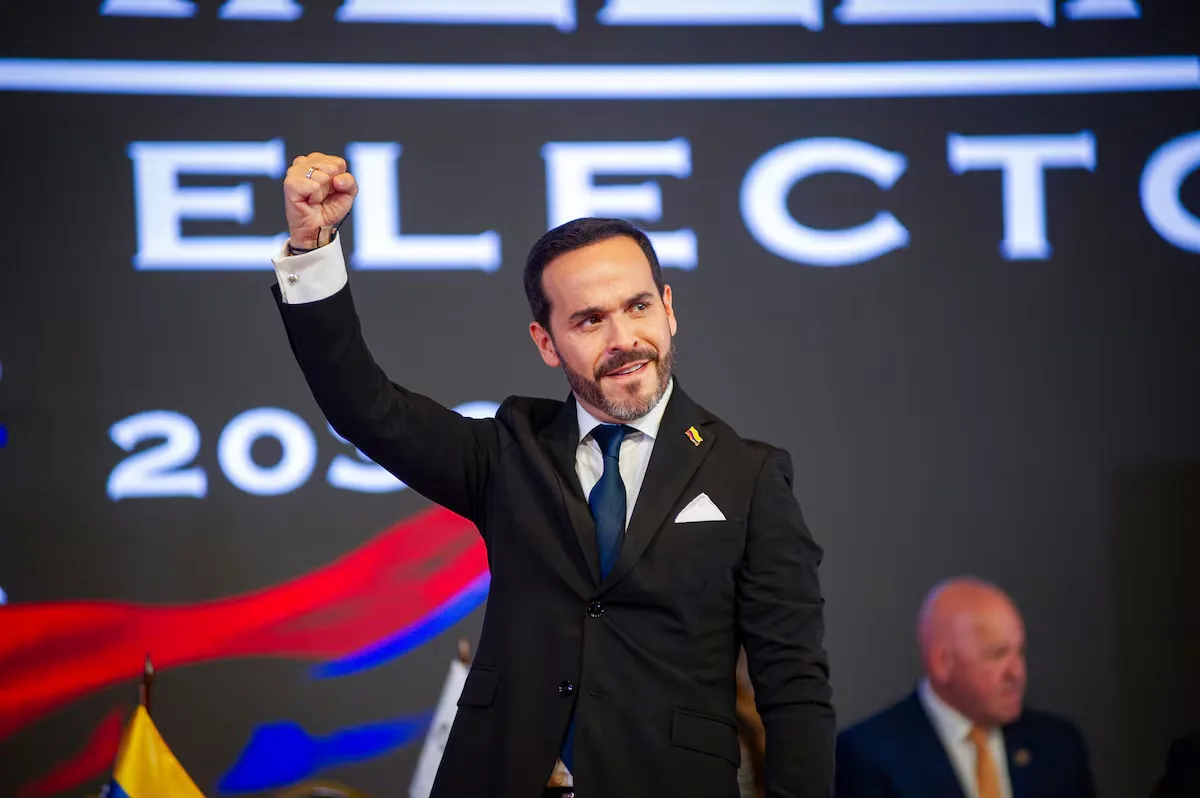
Last Monday, June 1, through social media, President Trump expressed his “total and absolute support” for the far-right presidential candidate, Abelardo de la Espriella, and described candidate Iván Cepeda as a “radical left-wing Marxist.” Both candidates will contest the presidency in the second electoral round on June 21. For the Government of Colombia, this interference is disrespectful and unacceptable because it disregards international law and seeks to impose on Colombians a leader subordinate to its interests in all aspects.
The situation confirms what political analysts and academics have warned about for a long time: the United States will not accept democratically elected leaders by the peoples of Latin America who are not aligned with the Trump Doctrine and its new National Security Strategy. This is the magnitude of the threat hanging over the peoples of Latin America, and the dimension of the intimidation towards Colombians. The mandate is simple: elect my friends and you will do well. But have the Argentine or Ecuadorian people, for example, who have experienced similar processes, done well?
This unprecedented situation in Colombia’s history, however, was foreseeable. The United States has decided to impose a unilateral foreign policy. The persecution experienced by President Petro, and now candidate Iván Cepeda, is similar to that suffered in Brazil by socialist President Luiz Inácio Lula da Silva, and in Mexico by President Claudia Sheinbaum.
Colombia believes in the international system. Therefore, it considers that this issue, without a doubt, must be escalated to the corresponding forums. The Organization of American States, OAS, should speak out to call on the regional superpower to respect the democracy of the countries in the region. It is one thing to promote the defense of democracy and quite another, in its name, to prevent the free election of the leaders of each nation. The United Nations must also act. The United States must act as an ally of the democratic nations of Latin America, and not as an adversary. It is imperative that it stops undermining the sovereignty of nations and the free self-determination of peoples. Elections cannot be called free while a superpower places itself at the service of a candidate. At this moment, on one side of the scale, there are giant hands seeking to interfere in the course of the history of a sovereign nation and a dignified people.
Elections constitute one of the most sacred moments in the democratic life of a nation. They express the popular will, confront societal projects, and define the collective future of a country. Therefore, any attempt at external influence on electoral processes must be observed with prudence, analyzed with rigor, and debated with responsibility.
The history of Latin America has been marked by a complex relationship with the United States. Over decades, the region has experienced various forms of political, economic, and even military intervention, sometimes justified under arguments of security, stability, or defense of certain strategic interests. Colombia has not been immune to this historical reality.
Read more The 5 best-rated quiet fans on Amazon for this summer
In the context of the current Colombian electoral campaign, signals, statements, or actions that constitute external interference in the sovereign decisions that belong exclusively to the Colombian people are concerning. Beyond the ideological or partisan preferences of each citizen, the fundamental principle must be unrestricted respect for national self-determination.
Democracy loses legitimacy when foreign actors try to influence internal debates or condition the decisions of voters. This is not about denying the importance of international relations or ignoring the historical ties between Colombia and the United States. It is, simply, about recognizing that friendship between nations can only be built on the basis of mutual respect and non-intervention.
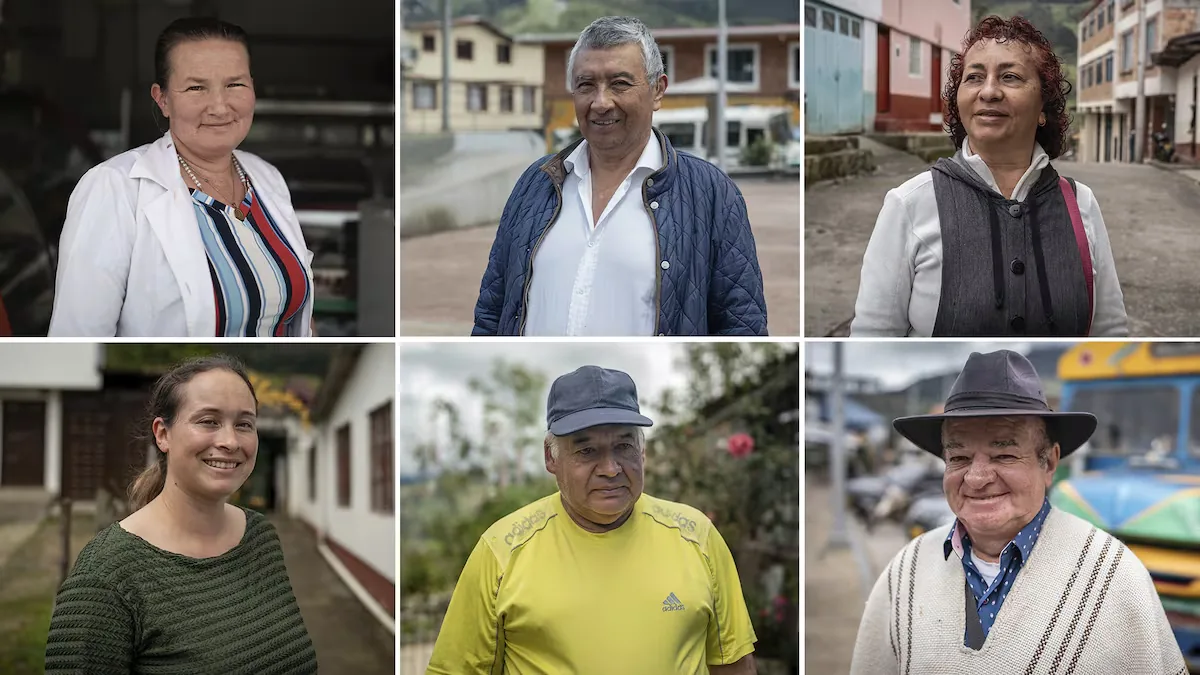
Colombians have demonstrated time and again their capacity to deliberate, dissent, and democratically decide their destiny. It is the national institutions, electoral bodies, political parties, and, above all, the citizenry who have the responsibility to conduct the electoral process with transparency and guarantees for all sectors.
The best contribution any friendly country can make to Colombian democracy is to respect the popular will that emerges from the ballot box. No foreign power, however close or influential, can substitute the judgment of millions of citizens called to freely decide their future.
In times of polarization and distrust, the defense of democratic sovereignty should not be understood as a gesture of confrontation, but as an affirmation of republican maturity. Colombia needs elections free from undue pressures, campaigns based on arguments, and a citizenry capable of voting without external tutelage.
Sovereignty is not a concept of the past. It remains the foundation of international coexistence and the guarantee that each people can build its own path. Defending it today, with serenity but with firmness, is defending the very essence of democracy.
Read more Visit of Pope Leo XIV to Madrid: pontiff’s agenda on his trip through Spain