




EL PAÍS launched an investigation in 2018 into pedophilia in the Spanish Church and has an updated database with all known cases. If you know of any case that has not come to light, you can write to us at: abusos@elpais.es. If it is a case in Latin America, the address is: abusosamerica@elpais.es.
───────────
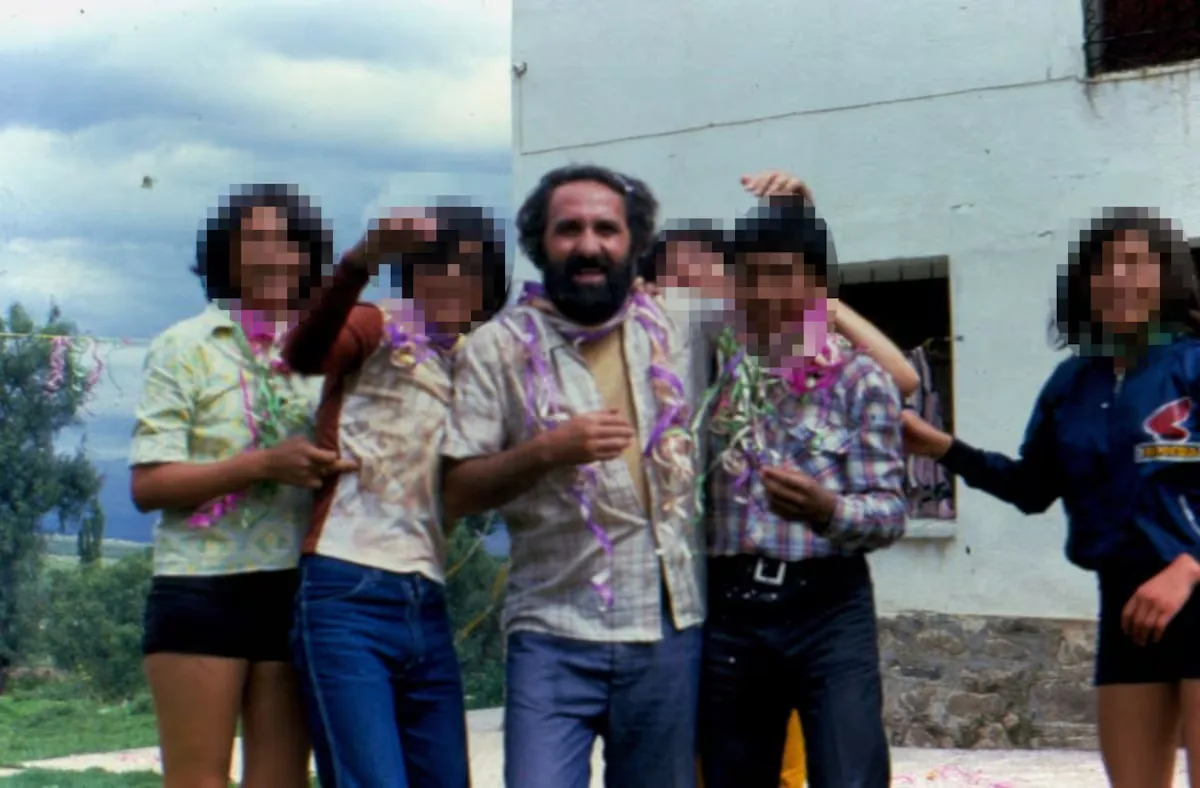
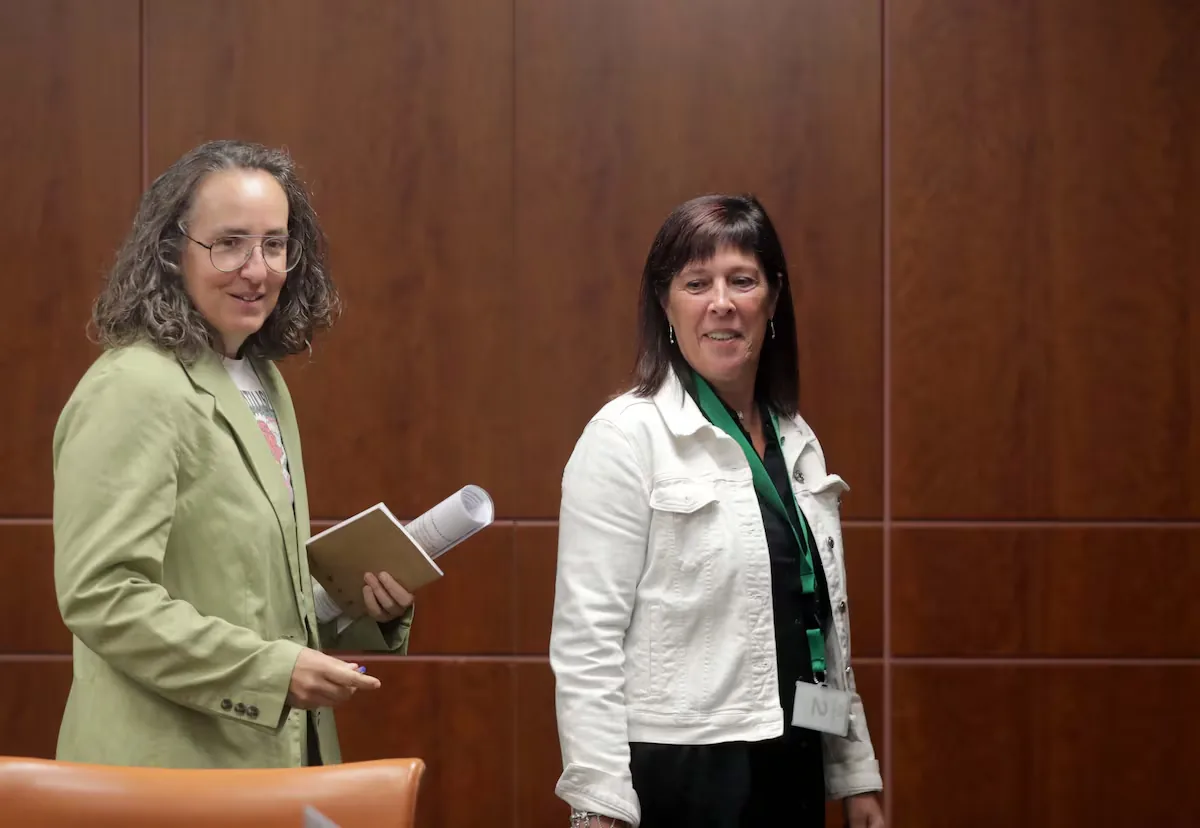
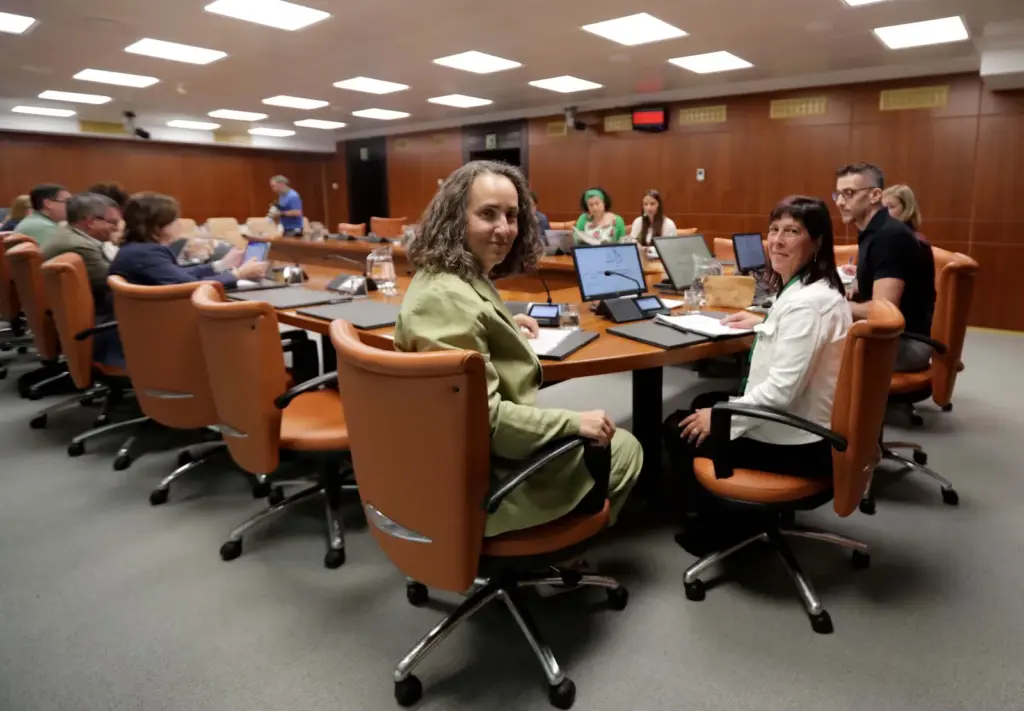
Victims of sexual abuse at the La Salle school in San Sebastián have demanded efficient measures from the Basque political parties so that the horror they had to endure does not happen again and so that congregations like La Salle cannot evade their responsibilities. They did so during a hearing this Wednesday in the Justice and Human Rights commission of the Basque Parliament, which they experienced as “the first act of real reparation” since they publicly denounced the abuses committed by Patxi Ezkiaga, a brother of the congregation and teacher at the order’s school in San Sebastián between 1976 and 2012, two years ago. “By listening to us today, your honors are doing exactly what the La Salle congregation has systematically refused to do for years, which is to recognize us as citizens with full rights,” said Olatz Mercader who, along with Marisol Zamora, gave voice to the victims.
Ezkiaga, who was also a prominent figure in Basque culture, died in 2018. At least 27 women have described abuses in which Ezkiaga groped them in class or assaulted them during extracurricular activities and even in his room at the school. Mercader and Zamora have denounced the “institutional betrayal” they suffered and that even today, decades later, “remains unrepaired.”
“The betrayal is twofold: it is that of the aggressor who, taking advantage of his position of power and trust, assaulted us, but above all it is the betrayal of the institution that looked the other way while it happened. It is the betrayal of those who heard the whispers, who saw the tears, who received the complaints and decided that the prestige of the school was worth more than the life of a girl or a boy.” At least three times during the 1990s, the center was informed of Ezkiaga’s abuses, but took no action.
“Patxi Ezkiaga did not act in the shadows, he acted under the spotlight of unquestionable authority,” said Marisol Zamora, who recalled that the report from the Basque Ombudsman, the Ararteko, certifies the “ecosystem of impunity” that allowed the abuses. “Those classrooms became a stage of moral degradation, where the silence of the adults who should have protected us was the necessary permission for the aggressor to continue his work for 36 years.”
The victims have harshly criticized La Salle’s reaction to their complaints. “They dismissed us with the condescending phrase ‘we already knew he had a long hand, but those were different times,’” Zamora denounced. La Salle apologized in a statement but has refused to offer collective reparation to the victims, also demanded by the Ararteko, and has limited its response to “opaque” individual measures such as the Catholic Church’s Priva Plan, which “atomizes the victims and treats them one by one in closed offices.” “This is not restorative justice, it is institutional reputation management. And this Parliament cannot validate with its silence a reparation system that seeks more to protect the brand than to heal people.”
Despite acknowledging that the Basque Parliament does not have the power to reform the Penal Code, Marisol Zamora and Olatz Mercader have asked political groups not to remain on the sidelines of the “injustice” of current statutes of limitations, “blind, deaf, and mute to the psychology of trauma.” “The criminal statute of limitations unfortunately becomes the last trench of the abusers,” Mercader denounced.
They also consider that the protocol signed by the Government and the Church in March “is flawed” because it does not set clear criteria when establishing compensations: “Leaving compensation unspecified is leaving it again at the mercy of the arbitrariness of those who caused us harm. It subjects people who suffered abuse to a new process of uncertainty and begging before the Church.”
Immediately after, they have asked the Basque Parliament to legislate so that no entity, whether educational, sports, cultural, or religious, receives subsidies or economic agreements if it does not prove externally audited child protection protocols. “Citizens’ money cannot support institutions that entrench themselves in opacity and refuse collective reparation.” They have also demanded a “public, free, and permanent resource, specialized in trauma from child sexual abuse” that offers long-term psychological and legal support. “It is justice to establish a public fund to cover therapies that many victims today still pay for out of their own pockets,” Mercader argued.
“But above all, we ask for a real audit of prevention systems in any area where minors are present, from music academies to camps or sports facilities. We do not want blind spots in our society where a predator can feel impune again.” The victims have also proposed “a regulation that guarantees by law the right to truth” and includes the mandatory removal of any honor or public symbol that the aggressors have received: “Removing a plaque is not erasing history. It is writing a new pedagogy that tells our sons and daughters that social success is never a license for abuse.”
In Ezkiaga’s case, the Legorreta City Council, his hometown, removed a statue in his honor and withdrew his name from a library and a square. Zamora and Mercader have also demanded an “independent body to investigate the past to cleanse the present, analyzing who knew and who remained silent” and added: “La Salle’s response has shown us that institutional endogamy generates silence.”
“Do not allow forgetfulness to be the official policy,” they asked the parliamentarians. “Change the laws that leave us unprotected and, above all, protect today’s boys and girls with the determination and courage that no one had with us when we needed it most.” During the hearing, spokespeople from PSE, EH Bildu, and PNV committed to analyzing this set of proposals and showed their solidarity with the victims, as well as supporting their request for collective reparation. PP and Vox did not participate in the parliamentary commission.
Read more The football that children should learn