





EL PAÍS launched an investigation in 2018 into pedophilia in the Spanish Church and has an updated database with all known cases. If you know of any case that has not come to light, you can write to us at: abusos@elpais.es If it is a case in Latin America, the address is: abusosamerica@elpais.es
Read more Politicians, colleagues and friends remember Sol Gallego-Díaz, the first female director of EL PAÍS
───────────
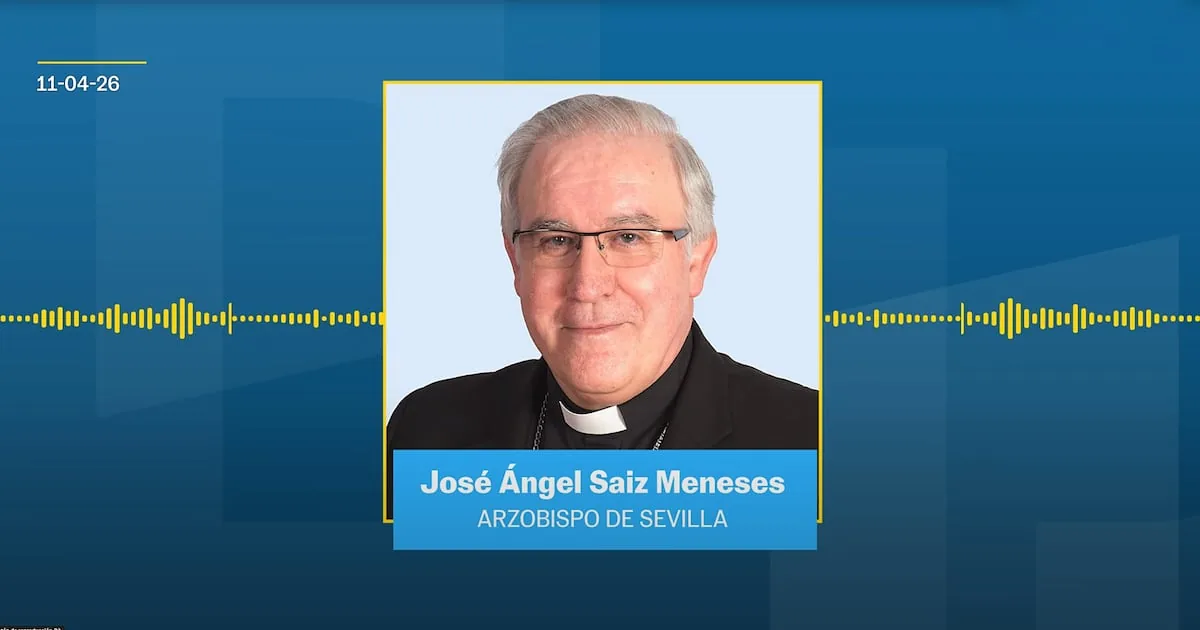
The call from José Ángel Saiz Meneses, archbishop of Seville, did not last more than 10 minutes. Víctor (a fictitious name) knew that his phone would end up ringing so that some representative of the Church would give him the news that most Spanish media had already published on the Friday of that week, April 10: “The Vatican dismisses the pedophilia complaint against the emeritus bishop of Cádiz and Ceuta due to a legal technicality.” It was the “disappointing” end of a path that Víctor began last summer, when he sent a letter to the Dicastery for the Doctrine of the Faith denouncing the then bishop of Cádiz, Rafael Zornoza, for having abused him in the late nineties when he was the rector of the Madrid seminary in Getafe.
Archbishop Saiz Meneses called him the day after the news broke, on Saturday morning. He did not resolve his doubts, although he did answer his question about whether anyone would apologize. “For all the harm you have suffered and may suffer, I ask your forgiveness. And I ask you not to tell anyone about this, that it remains between you and me as a secret,” the archbishop told him, according to a recording of the conversation accessed by this newspaper. The policy set by Pope Francis and currently followed by Leo XIV explicitly prohibits the Church from forcing him to remain silent. Asked about this, the archbishop of Seville “does not wish to make any comment,” according to a diocesan spokesperson who informed EL PAÍS.
The case of Rafael Zornoza was uncovered by EL PAÍS in November and caused a media earthquake, both inside and outside the Church. It was the first known complaint in Spain against a bishop accused of pedophilia and to which the Vatican gave credibility. Therefore, it commissioned the archbishop of Seville ―responsible for these matters regarding the diocese of Cádiz and Ceuta― to open a preliminary investigation, but he stepped back and asked the Tribunal of the Rota to take charge. The result of that investigation was decisive: Zornoza had to be brought before the canonical court, according to the ruling signed by the judge this February. Rome, however, clung to a legal technicality to dismiss the case, arguing that it was difficult to determine whether the victim at the time of the events was over or under 16 years old, which was then the age of majority limit according to the canonical code of the time. And finally, it considered that the possible crimes are time-barred. It is worth noting that Víctor stated in his complaint and in his declaration before the Rota magistrate that the abuses began when he was 14 years old.
The victim requested during the call to the archbishop of Seville that he wanted to see the documents of the process and also asked him details about what steps he could take to find justice. “Look, I communicate what I am asked to communicate to you. I have not been involved in the debate and this is a decision of the Dicastery of the Faith. You act in conscience and do what you think you should do in conscience,” the prelate is heard concluding.
The main reason that led Víctor to canonically denounce his case was “to prevent” what he suffered “from happening to another child.” And Zornoza, 76 years old, was still holding the position of bishop of Cádiz and Ceuta when he sent the letter to the Vatican. In fact, the Pope did not remove him until three months later, and did so when EL PAÍS uncovered that the Dicastery for the Doctrine of the Faith had ordered a preliminary investigation against him. The now emeritus prelate has always denied the assaults.
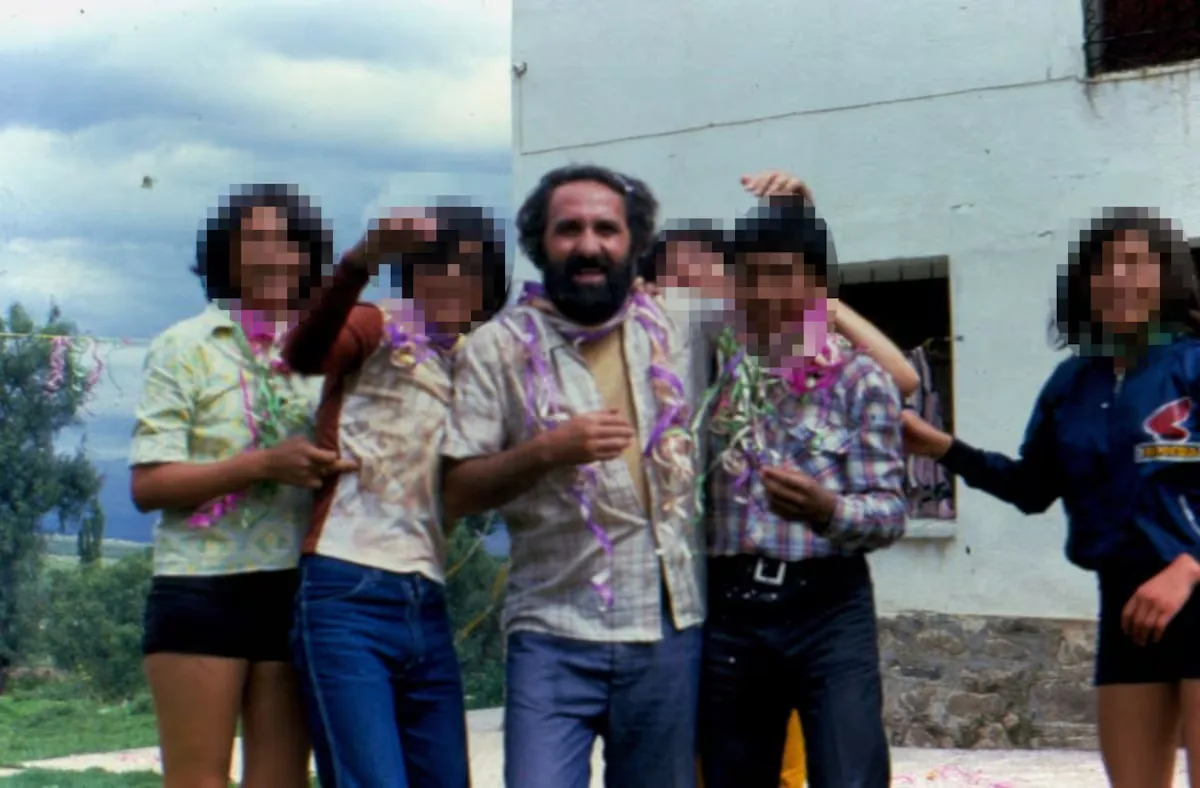
In his account, Víctor describes that Zornoza abused him from ages 14 to 21. The first incidents date back to 1994, when the bishop was a priest and 45 years old. “It was at night when he came to the room and I suffered the abuses. He got into my bed, caressed me and kissed me. In the mornings he also woke me up in the same way. At those moments I never said anything, paralysis controlled me,” is detailed in the complainant’s letter. The reported abuses ―touching, caresses on intimate parts, and kisses on the mouth― also took place during retreats and camps.
Read more Illinois State Police investigate the death of a Mexican migrant at the hands of ICE
During the investigation carried out by the Rota, there was a visual witness who declared that on one occasion he surprised Zornoza in bed with the complainant and leaning on him. But Saiz Meneses deflects responsibility.
The dismissal and the Church’s silence in communicating it was disappointing for Víctor. And he told the archbishop of Seville this when he received the call: “Understand my frustration. Understand that no one apologizes to me for the abuses I suffered over a prolonged period of time. Neither did the Church defend me, nor do you apologize when I believe you are capable of seeing that there were abuses.”
Archbishop. “I pray for the Church, I pray for the world, and I pray for the people affected by these very painful issues. And the Church has indeed apologized. What each individual person asks forgiveness for… It is a matter we deeply regret. We must be exemplary.”
Víctor. “With this, do you believe you are exemplary?”
Archbishop. “I will tell you two things: For the harm that may have been caused to you, I ask your forgiveness. And I also ask you that this does not appear in the newspapers. That this be a private conversation between you and me.”
The prelate justifies the silence because “these are very personal and intimate matters that cannot be out there displayed” and assures him that, after the conversation, he will pray for him. “Rest assured that I will keep you present in a greater way in my prayers,” is heard in the audio. On several occasions, Víctor insists that he is disappointed with the dismissal in the Vatican, considering that the Rota’s recommendations indicated that a canonical penal procedure should be opened against Zornoza.
The only advice Saiz Meneses gives to Víctor is to forgive. “What can I tell you? That you act in conscience and that you are capable of forgiving, because that will free you,” he says. Víctor asks if it is possible for Zornoza to be removed from contact with minors, since the Church’s resolution has not declared him innocent nor exonerated him. “That is a question I cannot answer you [the prelate hesitates] What we will try is… What we can do is fight and work so that each of us lets ourselves be converted and converts and lives. And you, if you are a layperson, as an exemplary Christian layperson, and we, who are bishops, so that we are exemplary bishops,” he assures him.