






Aurèlia Muñoz had a revelation before the Romanesque Tapestry of Creation in Girona Cathedral. “That’s where my definitive interest was born,” the artist recounted, trying to explain why in the sixties, when she was already over 30, she began her career with a commitment to textile art. From that moment, she achieved great international success that allowed her to work in Europe, America, and Japan, participate in important fairs, and star in solo exhibitions. Not even the most lethal misogyny of Franco’s regime could torpedo a universe that traversed fabrics, macramé, paper, drawing, and photography. It was only in democracy that she fell into oblivion. A temporary journey through the desert, because from 2018, and especially with the end of the lockdown, her legacy shattered the labels of decorative art, craftsmanship, domestic chores, in short, women’s work. As 100 years of her birth are celebrated, MACBA and the Museo Reina Sofía have conspired in the exhibition Aurèlia Muñoz. Entes to, say its organizers, not recover her figure, but “reclaim her in her radical contemporaneity.”
Read more Madrid travels between eras with ‘Flashback Show Europa’, a show to experience eternal songs
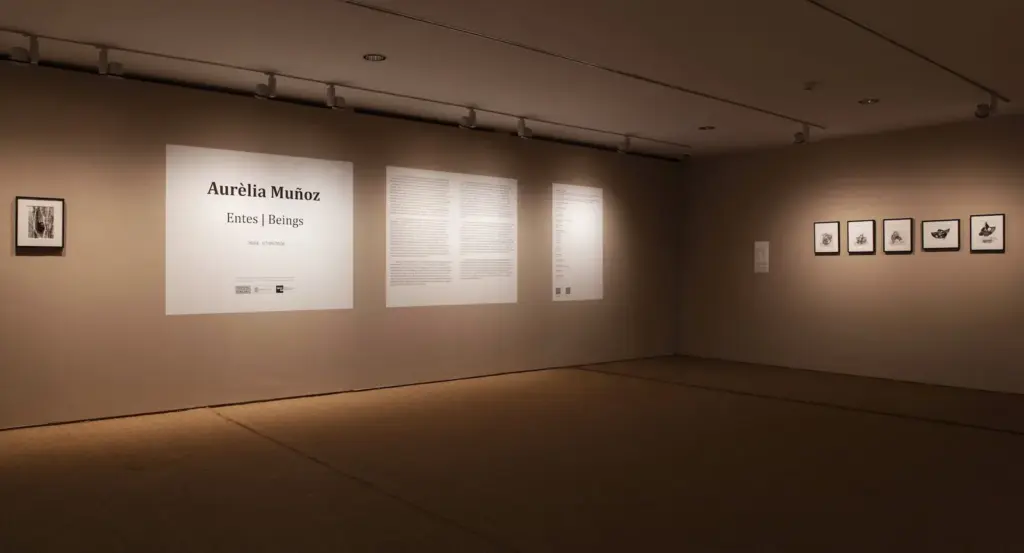
Muñoz’s ability to overcome the narrowness of pigeonholing is evident in the first room, which brings together a sample of photographs of several of her pieces, not her works. This letter of introduction aims to define an artist who, in the words of Sílvia Velasco, curator, archive manager, and her daughter, “was rigorous, self-demanding, and always worked collectively, consulting other experts; she used to say that what came from outside was important, in my house there were always all kinds of artists.” That’s why she surrounded herself with important photographers of the time like Lluís Casals and Catalá-Roca to provide testimonial accounts of her works and for her eagerness to professionalize her work, always open to reflection and discovery. “She was very structured. I remember phrases like ‘50% public relations and 50% work.’ She dedicated every morning to administrative tasks and in the afternoons, when she worked, not a fly could move,” Velasco recounts.
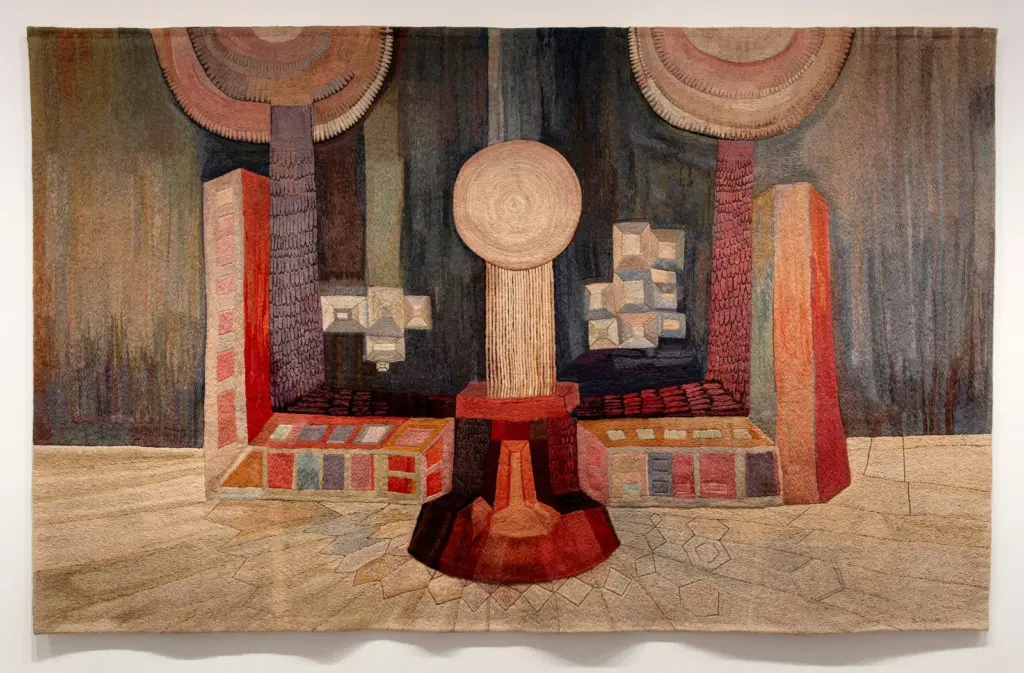
The exhibition unfolds, almost chronologically, through each of her creative stages. Already in the first, which stemmed from the discovery of the Girona tapestry, Muñoz demonstrated that she was capable of painting through embroidery, as shown in the monumental and impressive Homage to Hieronymus Bosch (1971), a tapestry over three meters long that can be seen for the first time in a museum. From the mid-sixties, she participated in the International Tapestry Biennials of Lausanne where she met colleagues from the same discipline such as the Colombian Olga de Amaral, the American Sheila Hicks, and the Polish Magdalena Abakanowicz. There, museum directors, gallery owners, and art critics gathered, who invited her to solo exhibitions, and to whom she bequeathed, her daughter recalls, the genre or discipline of her pieces. “She used to say: ‘I make it, and you put the labels on it’,” clarifies Velasco, who acknowledges that critics were always very favorable to the artist’s work.
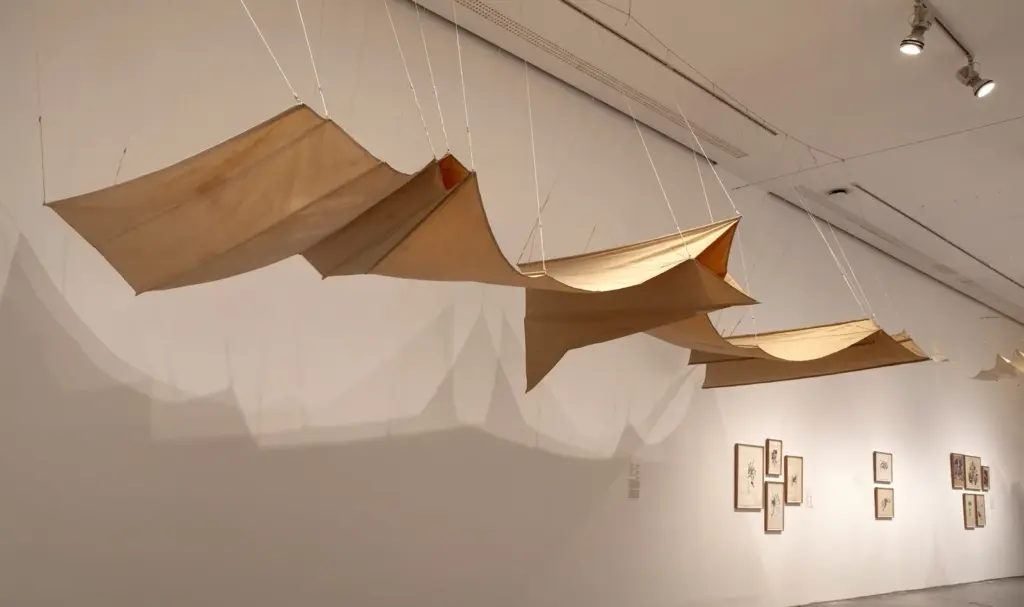
These textile pieces hang from the walls, as they were initially conceived, because Muñoz always had space as her workplace, which meant her work also straddled sculpture and architecture. “Many of my works are three-dimensional and pose the same problems that a sculptor faces. It’s true that the technique and texture are different, but in reality, we all aim for the same goal,” Muñoz declared during her lifetime.
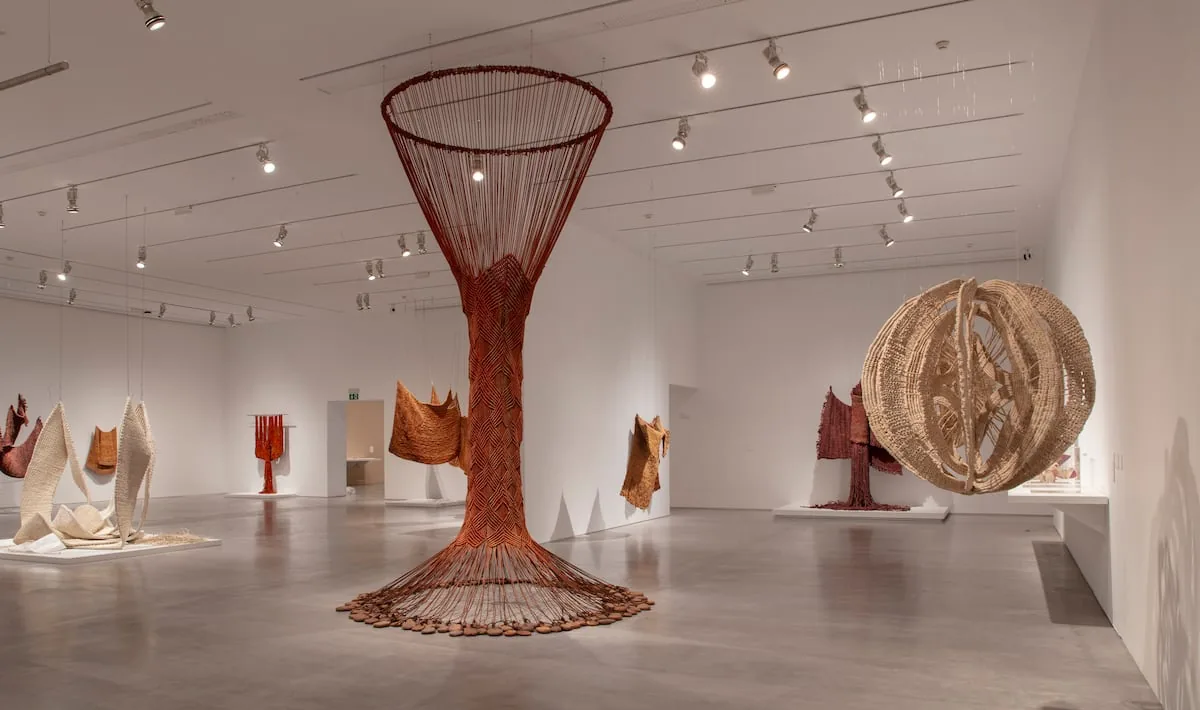
From the seventies, the artist found in macramé a way of sculptural expression with which she could continue exploring space through knots. “This technique comes from the Paleolithic,” Velasco points out, “children learn to tie knots when they tie their shoelaces; she turned the simplest thing into contemporary art.” Thus, these abstract forms, some over four meters, boosted her international recognition; one of them, Àguila beix (1977), belongs to MoMA in New York.
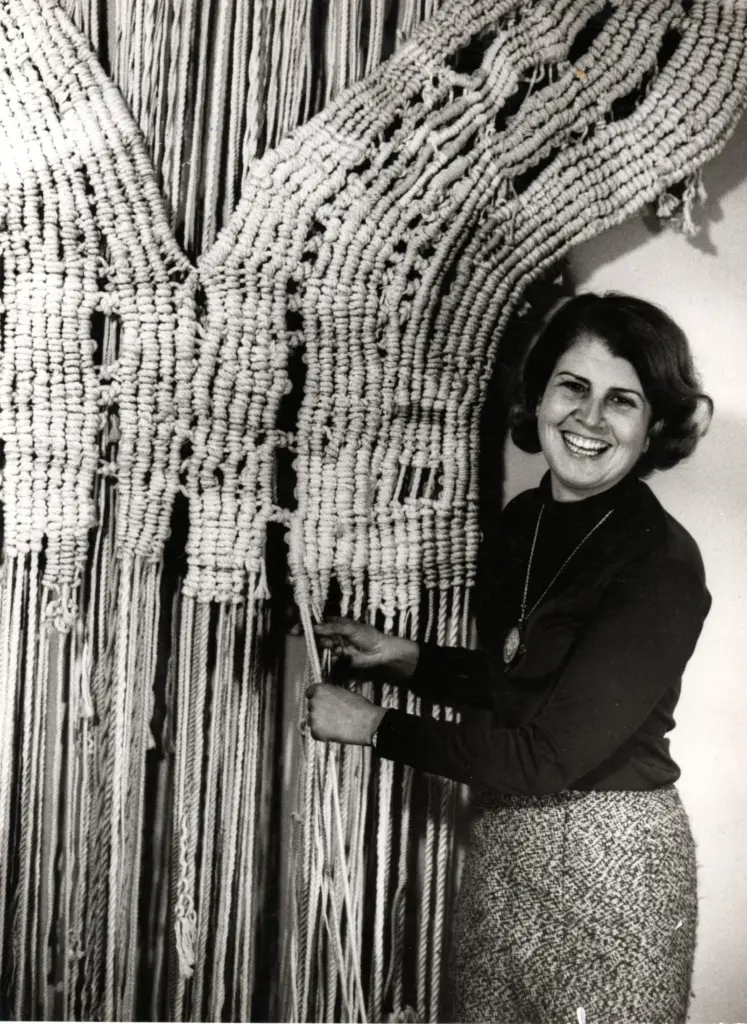
And it is from these pieces that the name of the exhibition, which can be seen until September 7 in Madrid and then travels to Barcelona from November 5, arises. “Entes comes from ens, the name many of her macramé pieces have,” explains Manuel Cirauqui, another of the exhibition’s curators and also responsible for scientific advice through the Eina Foundation, “they are genderless beings with a very concrete presence in the world; even their scales and anemones seem to want to get closer to us.”
Read more Vit Kopriva — Rafael Jódar, live, the round of 16 match of the Madrid Masters live
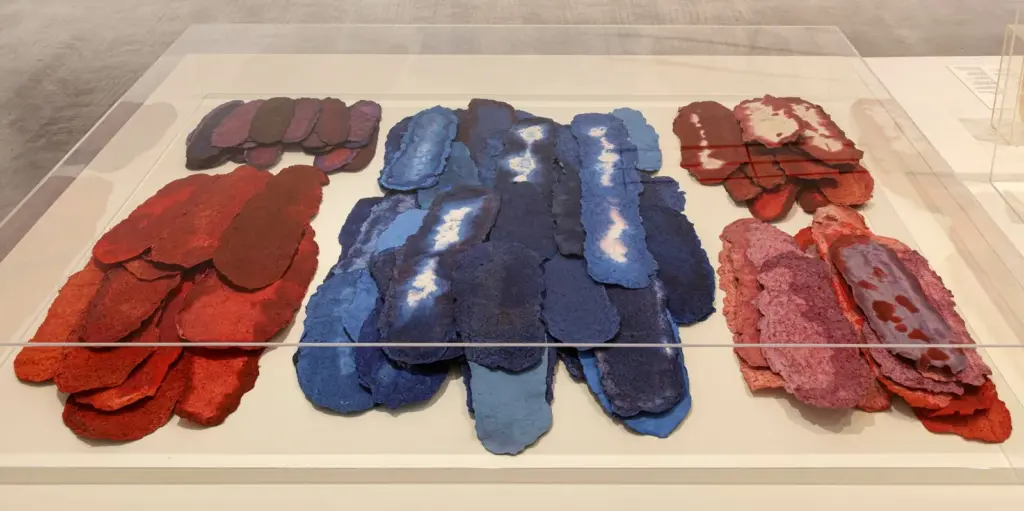
Muñoz conceived marine beings in paper when she made this material a new stage in her career. In several rooms, but especially in the one dedicated to part of her hitherto unpublished archive and the marine environment — she loved diving in Menorca — the artist made her own paper because, as Rosa Lleó, the third curator, points out, “the work and the process acquired the same importance for her.”
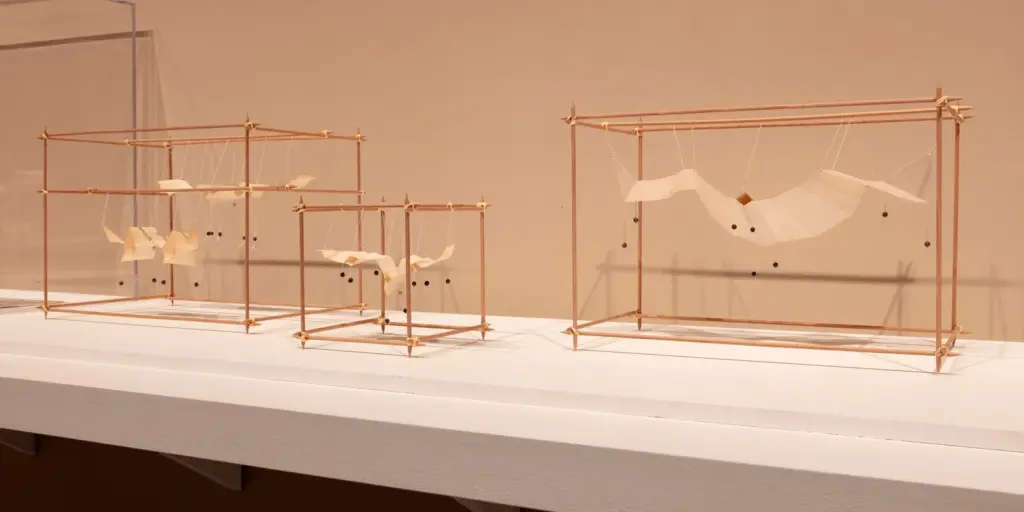
She had already shown signs of lightness in her works with her acclaimed Kite-Birds, which in this exhibition run through the rooms in different formats. The monumental ones that remained fixed in the memory of many when they were hung in the Palacio de Cristal in Madrid in 1982, and which now adorn the MACBA atrium. And the paper sketches that Velasco and Lleó found in folders and envelopes in Muñoz’s archive. “My father helped her organize her work in her eagerness to professionalize everything,” her daughter says. Thanks to this meticulous work of memory, the two curators have been able to reassemble them into delicate wooden stick structures.
Muñoz first revived in the international circuit in 2018, when MoMA acquired three of her works. Then the family, through the Generalitat de Cataluña, donated another to the MNAC. From then on, her recovery was unstoppable. The José de la Mano Gallery began a rescue effort in 2020 that also forms part of this exhibition with some pieces scattered in different foreign collections. The artist’s oblivion was not only temporary, but also administrative.
“My daughter Claudia [Muñoz’s granddaughter] told me in the two years we’ve been organizing these exhibitions that it’s now that we finally understand her, 50 years later,” Velasco reflects, “because she was a visionary of contemporary art.” This is the curators’ goal: that anyone, whether an art enthusiast or not, understands Aurèlia Muñoz.