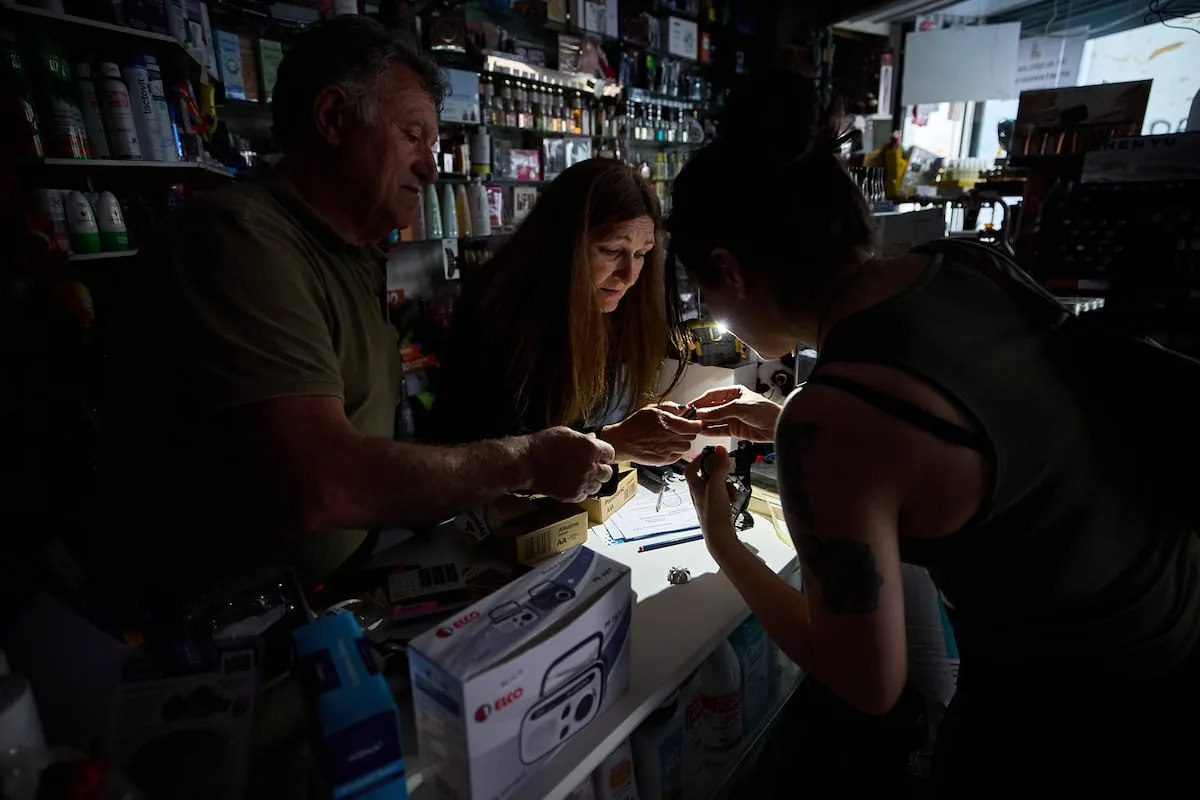






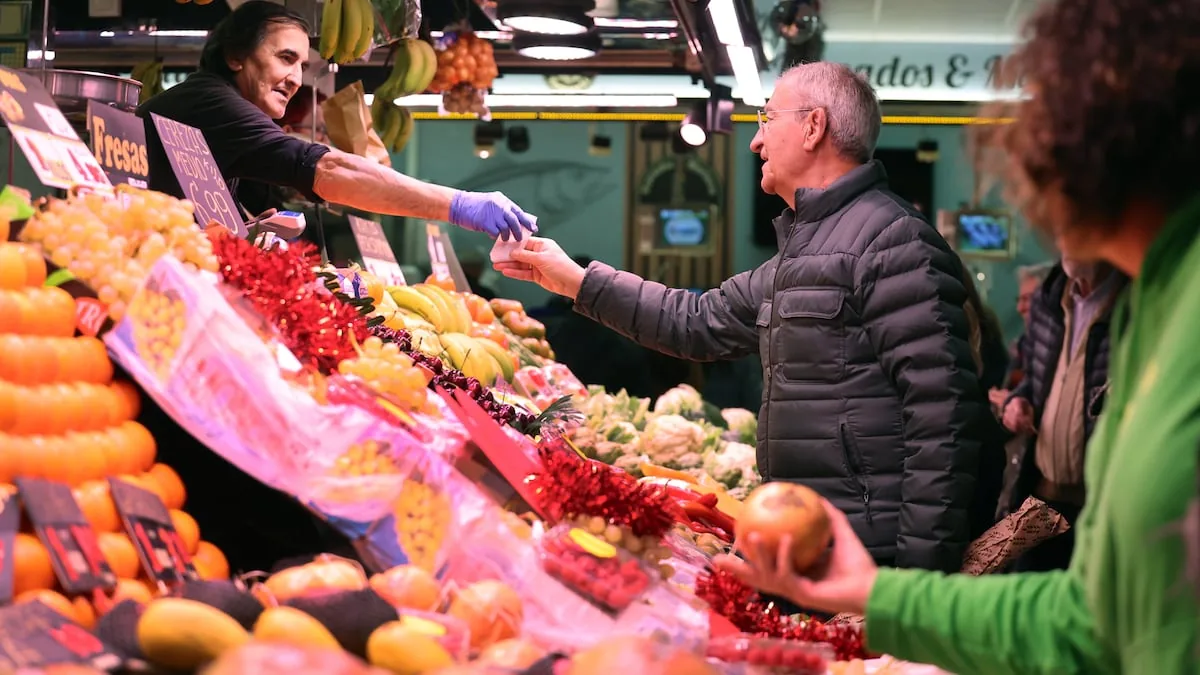
In an increasingly digitalized world, the act of paying has changed: from taking banknotes and coins out of a wallet to bringing a card, or mobile phone, closer to the payment terminal. But, while cash loses prominence in everyday life, it occupies a critical place in emergency situations. According to the latest study by the Bank of Spain on payment habits, Spaniards carry an average of about 45 euros in cash in their wallets, half of what the supervisor recommends in the face of possible crisis situations such as the power outage that occurred a year ago.
Read more Jaime Martín, a ‘musician of musicians’ who unveils the ‘rhinoceros skin’ of Grace Williams
The Bank of Spain has emphasized that cash maintains an essential virtue compared to electronic payment methods: its independence from technological infrastructure. In a scenario of electrical or communication network failures, cards, POS terminals, or mobile applications stop working, while banknotes and coins remain usable. Therefore, it advises having between 70 and 100 euros per household member, or the amount necessary to cover basic purchases for three days.
The use of cash in Spain is concentrated in low amounts. According to the aforementioned study by the Bank of Spain, 26% of citizens carry up to 20 euros in cash in their wallets, while 46% are in the range of between 21 and 50 euros. That is, almost three out of four people (72%) do not exceed 50 euros in cash in their daily lives.
At higher levels, the use of cash drops sharply: only 18% report carrying between 51 and 100 euros, 4% between 101 and 200 euros, and barely 1% between 200 and 500 euros. Large amounts of cash disappear from pockets, with 0% claiming to carry more than 500 euros, while 4% declare not carrying any cash at any time.
Read more How to tell a crucial fact of Spanish history in three minutes of television
Despite this reduced daily use, cash remains the primary means of payment in physical establishments. 57% of consumers state that they use it as their usual form of payment in stores, although this figure has decreased slightly compared to the previous year. Bank cards remain the second most used option, while mobile devices continue to gain ground and now account for 15% of in-store payments.
Given the rise of electronic payment methods and the risks of crises affecting infrastructure and preventing payments, banking authorities are recommending not to neglect cash. In March, Sweden’s central bank, the Riksbank, already recommended that each household keep at least 1,000 Swedish kronor in cash (just over 90 euros at the current exchange rate). This is a striking recommendation because Sweden is a country where cash has almost disappeared, as only one in ten purchases in stores is made with physical money (10%).
The European Commission has also asked European citizens to have cash on hand in a possible emergency situation, although without specifying an amount, to survive 72 hours without external help in case of aggression, natural disasters, pandemics, or cyberattacks. The community institution proposed an emergency kit last March, consisting of water, food, tools, a flashlight, candles, hygiene items, medicines, or documentation, which also included cash.