








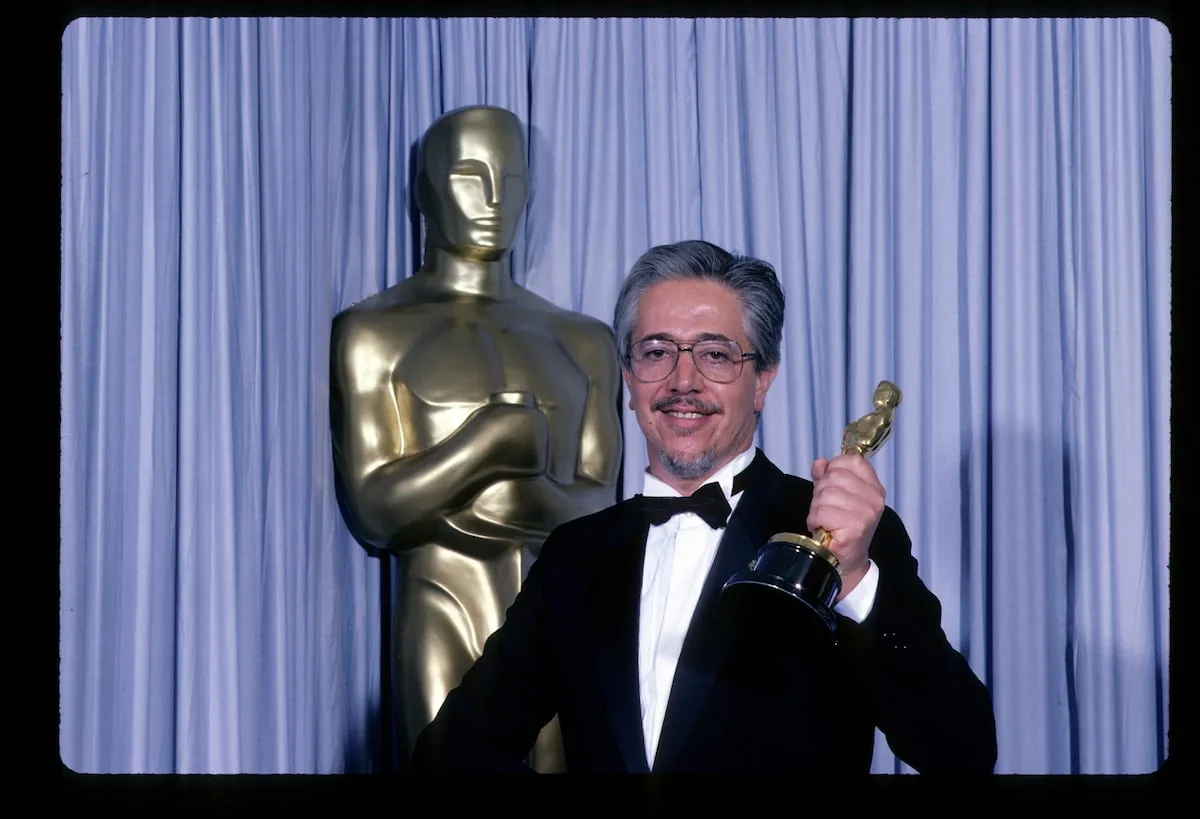
“We will never forget this nightmare. But now we are starting to have new dreams,” said Luis Puenzo 40 years ago, exactly on March 24, 1986. He held in his hands the Oscar statuette for best foreign film, the award he had just received for The Official Story (1985), one of those dreams with which Argentine art and culture began to process the legacy of horror and pain left by the military dictatorship and state terrorism. It was the first time a Latin American film had received the distinction from the American Film Academy.
Read more Florida opens a criminal investigation against OpenAI for ChatGPT’s role in a university shooting
At 80 years old, Puenzo died this Tuesday in Buenos Aires, where he was born in 1946. His distinguished career as a director, screenwriter, and producer had begun in the world of advertising in the sixties: from his own production company, Luis Puenzo Cine, he would develop commercials and also short films, the first essays of his cinematographic work.
His feature film directorial debut conceived Luces de mis zapatos (1973), a comedy starring Norman Briski. Two years later he directed the chapter Cinco años de vida, within the collective film Las sorpresas (1975). International recognition for his work would come with The Official Story, which Puenzo directed and co-wrote with Aída Bortnik, and featured Norma Aleandro, Héctor Alterio, Chunchuna Villafañe, Hugo Arana, and Chela Ruiz, among others.
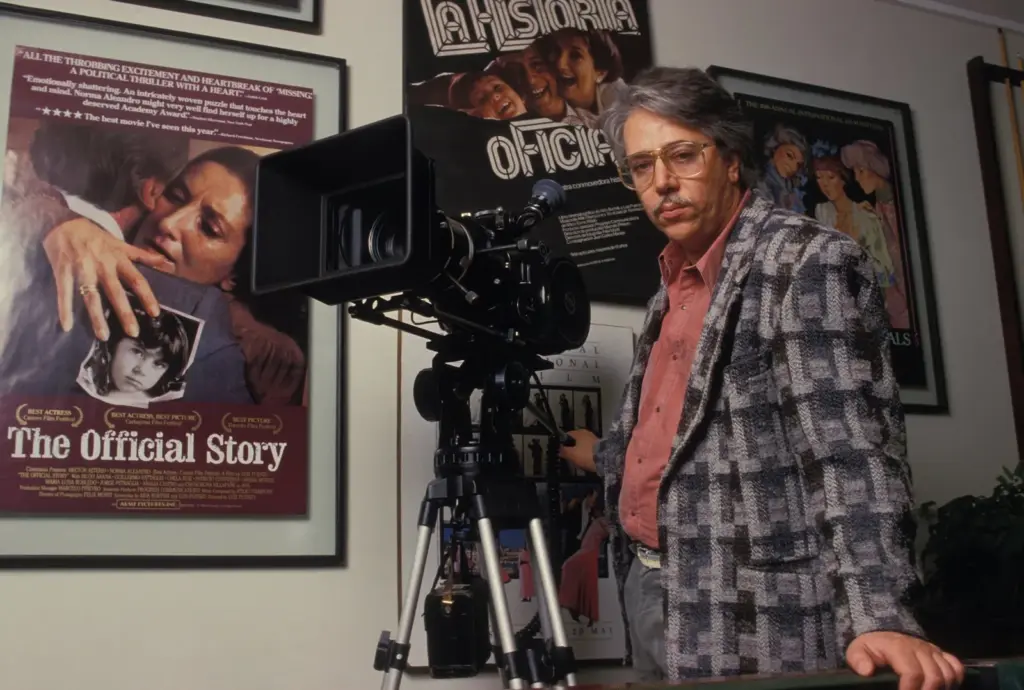
The film would not only win an Oscar but would also be awarded at the Cannes Film Festival with the Golden Globe for best foreign language film. Its production had begun when Argentina was still ruled by the last dictatorship (1976-1983) and its theme addressed one of the open wounds left by illegal repression that, even today, five decades later, has not healed: the appropriation of babies by the military regime.
Among Puenzo’s most notable films are also Old Gringo (1989), an adaptation of Carlos Fuentes’ novel, starring Jane Fonda and Gregory Peck; The Plague (1992), based on Albert Camus’ novel, with William Hurt, Robert Duvall, and Raúl Juliá; and The Whore and the Whale (2004), with Leonardo Sbaraglia and Aitana Sánchez-Gijón.
In addition to his work as a director and screenwriter, Puenzo played an active role in Argentina’s audiovisual policy. In 1994 he participated in the drafting of the cinema law; in 2004 he was among the founders of the Academy of Cinematographic Arts and Sciences of the country; and between 2019 and 2022 he presided over the National Institute of Cinema and Audiovisual Arts (INCAA).