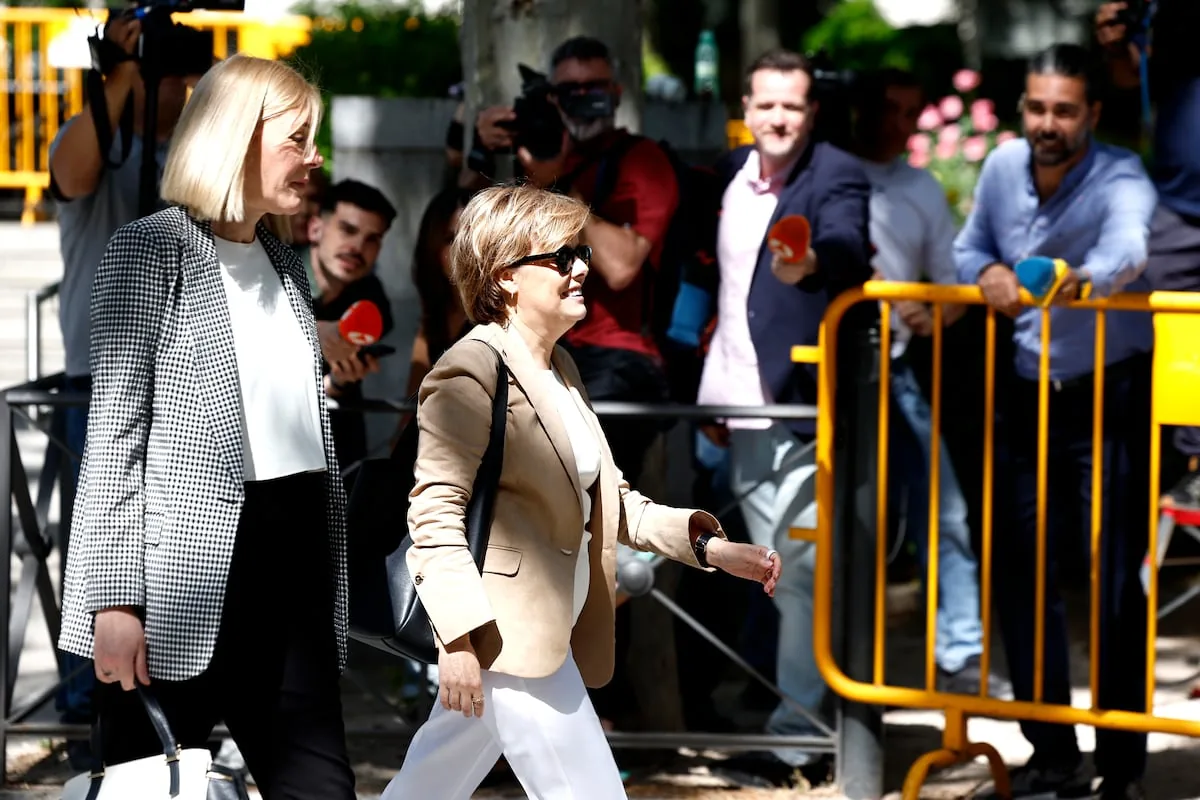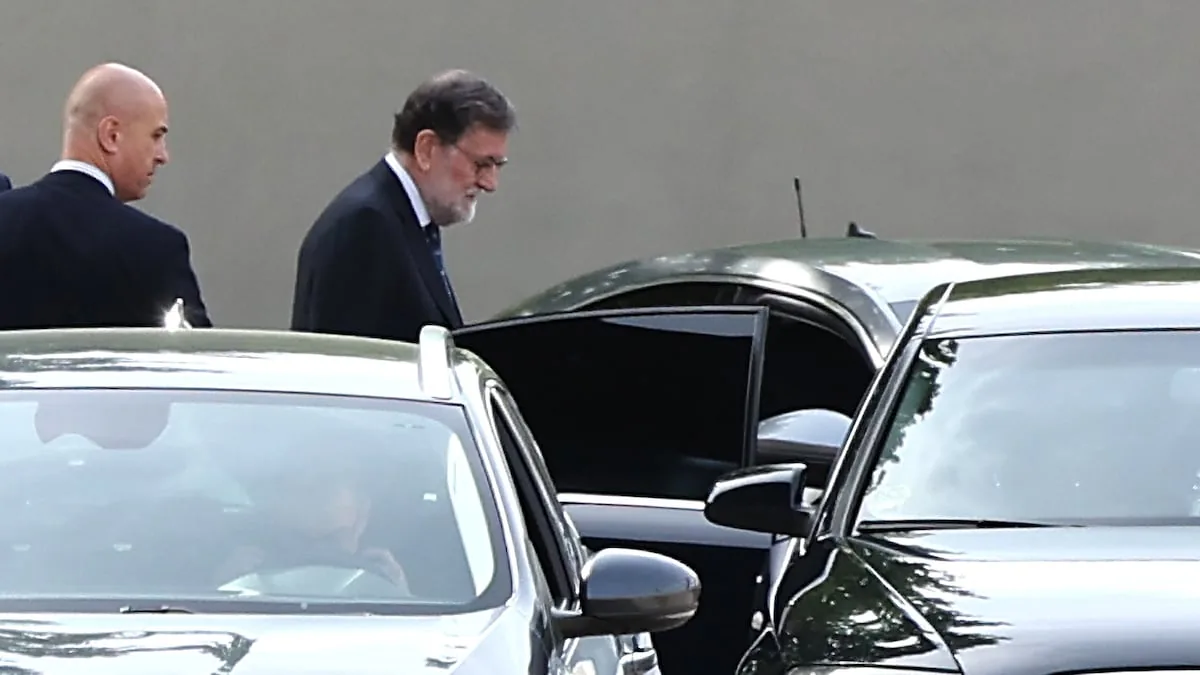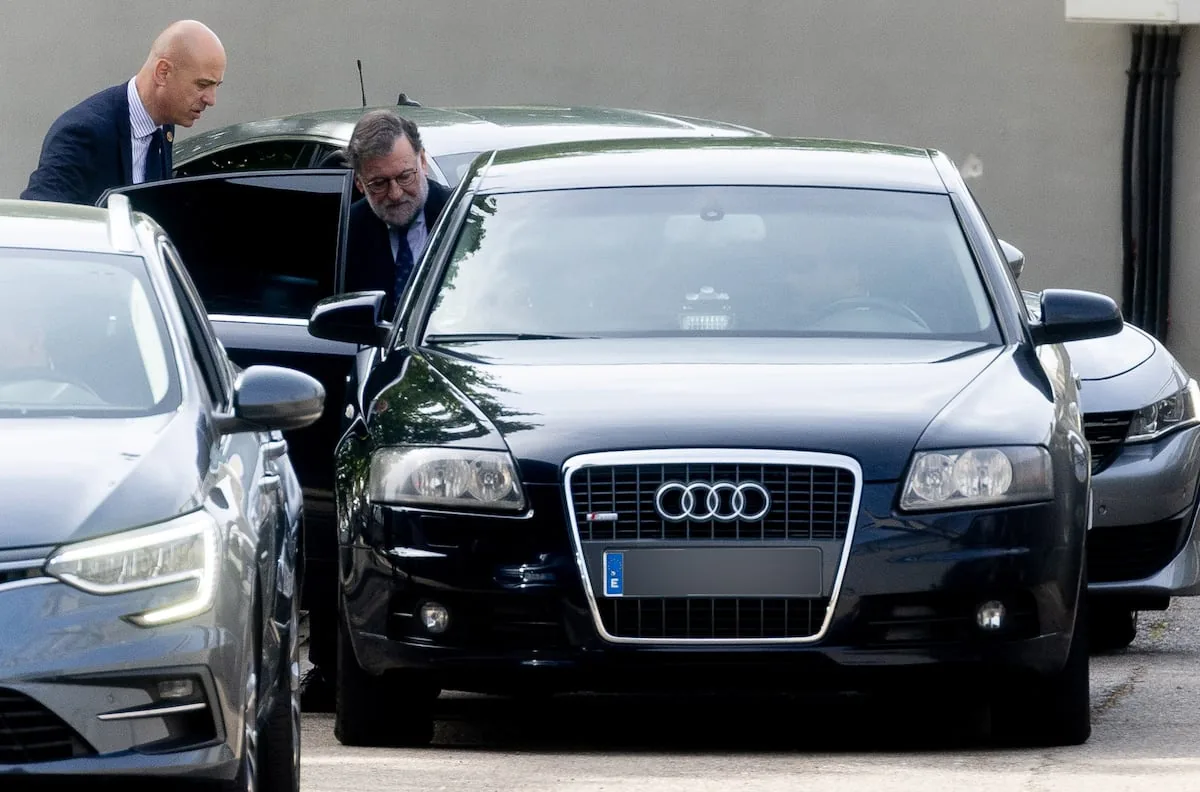
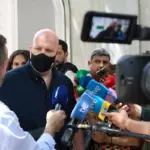
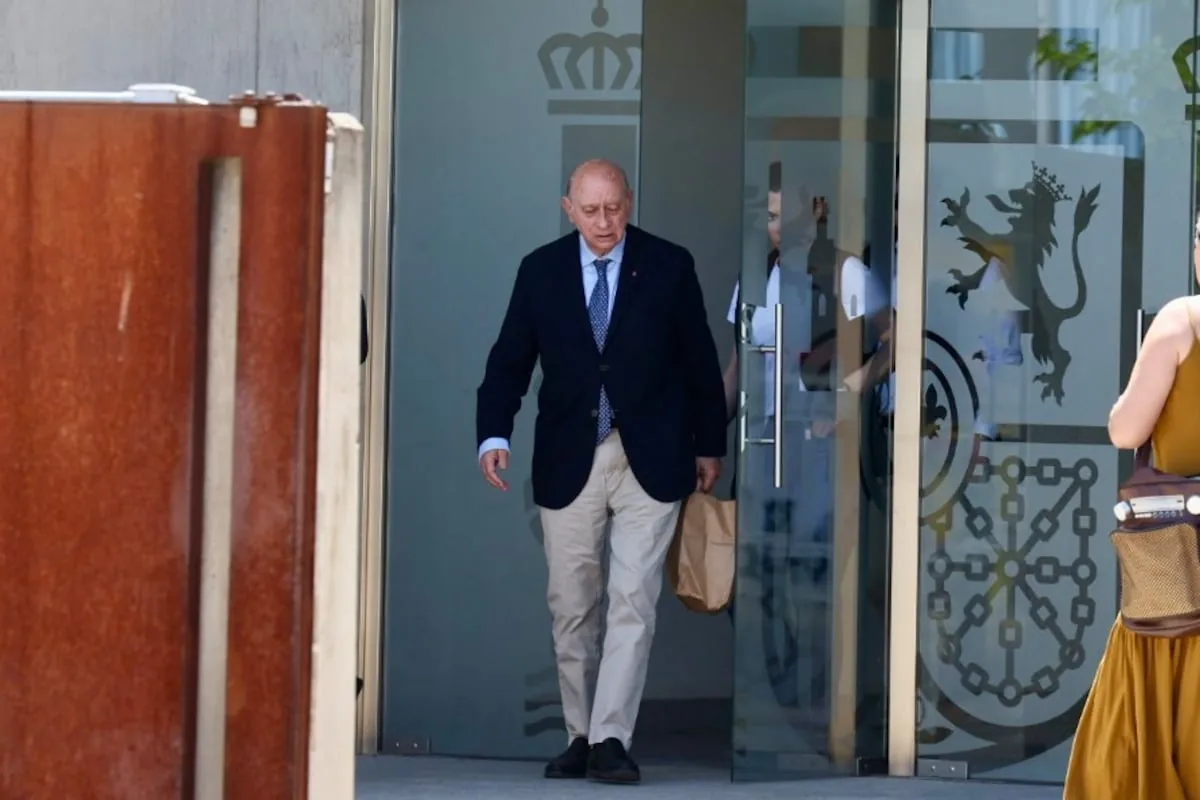
Between 2013 and 2015, when Operation Kitchen against Luis Bárcenas remained active, Commissioner Manuel Vázquez was the head of the Economic and Fiscal Crime Unit (UDEF) of the National Police, to which the group of agents investigating the Gürtel case and the former popular treasurer belonged. More than a decade later, now retired, the former police commander sat this Tuesday before the National Court tribunal that is prosecuting the espionage operation against the former PP finance chief to state that he never knew anything about that parallel surveillance operation on Bárcenas and his family, despite the fact that it was the UDEF that was following the accountant’s steps by order of the judge.
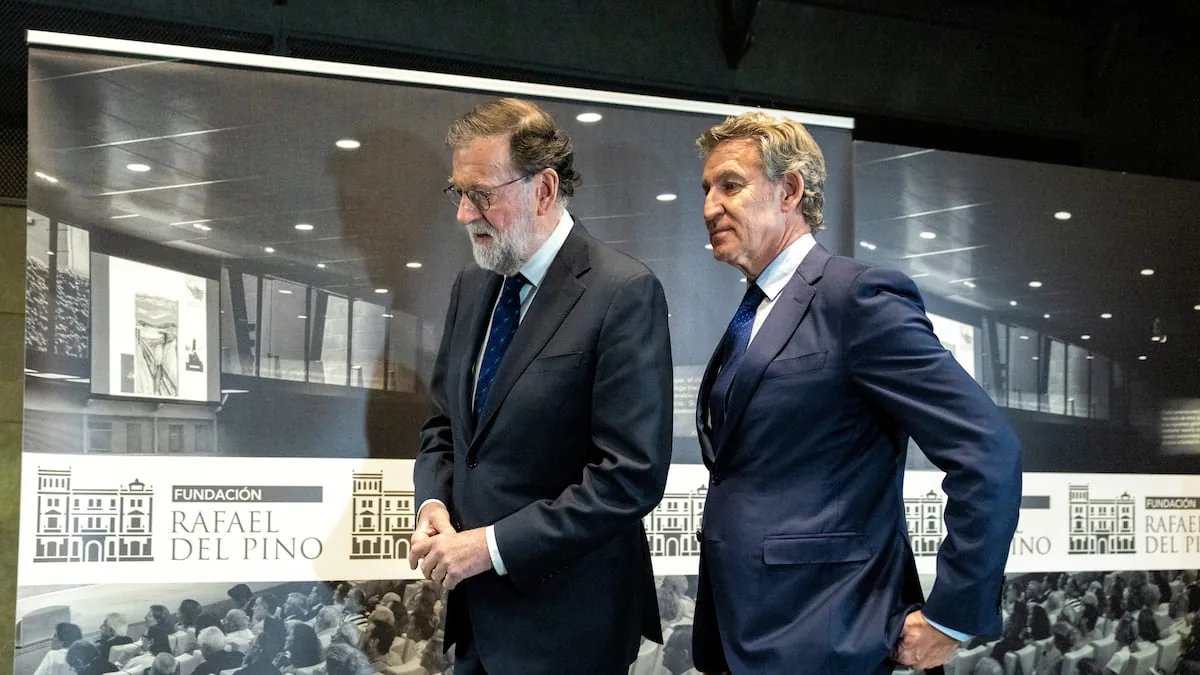
This testimony from Commissioner Vázquez reinforces the accusations’ thesis, which holds that Operation Kitchen, concocted by the former leadership of the Ministry of Interior and the Police under Mariano Rajoy, aimed to steal compromising material that the former treasurer might still have kept from high-ranking PP officials to prevent it from reaching the UDEF and Judge Pablo Ruz, who was directing the investigations of the Gürtel case from a National Court. In fact, the Anti-Corruption Prosecutor’s Office immediately pursued this line of questioning as soon as its interrogation began.
—Did you request any kind of support from the National Police to cover any aspect of the Gürtel case? —asked the public prosecutor’s representative, César de Rivas.
—No. Not from the UDEF.
—Did you realize from the DAO (Deputy Operational Directorate) that any support work was being carried out?
—No. We were not notified of anything.
Despite several defendants —such as Eugenio Pino, who was deputy operational director (DAO)— maintaining that Kitchen was a legal operation against a corruption suspect, Commissioner Vázquez stressed that no one provided him (as head of the UDEF) with any information about the operation deployed against Bárcenas; nor about the surveillance activated on his wife, Rosalía Iglesias; nor about the existence of a premises in Madrid that the woman used as a studio and where, she said, she kept boxes with the papers her husband had taken from the PP headquarters; nor about the cooperation of the former treasurer’s driver, Sergio Ríos, whom the plot had recruited as an informant… Only, as the witness emphasized before the court, another commissioner once asked him if he knew anything about an “intelligence operation” concerning the former popular official, without offering further details.
Moreover, along these lines, Vázquez added that the UDEF did not need to resort to another external group of agents for surveillance. “We had a surveillance section,” he stated. An opinion later supported by Commissioner Juan Antonio González, who was in command of the General Commissariat of Judicial Police, to which the UDEF precisely belonged, when the Gürtel investigations began: “In the General Commissariat there were support units of all kinds, there was a surveillance unit…”. However, the espionage operation dubbed Kitchen was executed from another section outside that part of the Police: from the Central Operational Support Unit (UCAO), attached to the General Information Commissariat. In 2013, the UCAO was directed by Commissioner Enrique García Castaño, who admitted his involvement in the plot during the investigation phase.
The “pressures” on Morocho
During the investigation phase of the Kitchen case, Chief Inspector Manuel Morocho, the main investigator of the Gürtel case, reported that he received “pressures” from his superiors; and that he was urged to downplay Bárcenas’s papers. Also, that he was urged to remove Rajoy’s name from the body of one of his reports. When asked by the judge who told him that, Morocho replied: “That was suggested to me by the entire chain of command, from the then general commissioner, [José García] Losada, to Manuel Vázquez, head of the unit, Mr. Gudiña, head of the brigade, and the two section chiefs.” “The meetings were collective and in them, I was urged to change and remove certain issues that I presented as indicative,” he added.
But Vázquez, during his statement this Tuesday, presented a different view. “I doubt that [Morocho] suffered any kind of pressure,” he commented, after assuring that he was simply experiencing a situation of “self-pressure” to “not make mistakes.” Furthermore, he fully entered into the debate that, according to him, they had about whether the former president’s name should be included in a report, following the appearance of “M. Rajoy” in Bárcenas’s notes. According to the commissioner, they had no doubt that “M. Rajoy” was the leader of the PP —”it’s like if K. Mbappé appears in Real Madrid’s accounting,” he compared, referring to the white club’s footballer, Kylian Mbappé—. “The question that arose there was whether the annotation was good, because there was a folio that had the same people, and in one, M. Rajoy was there and in another, he wasn’t. […] But nothing was covered up,” he concluded.
In parallel, the defense of Jorge Fernández Díaz, Rajoy’s Minister of Interior and the main defendant in the trial, this Tuesday attacked notary Alberto Vela, who also testified as a witness. Francisco Martínez, former Secretary of State for Security and the minister’s number two, brought two phone messages to that notary that, he said, his boss sent him in the midst of Kitchen and that prove he was aware of the operation. In one of them, dated July 13, 2013, it reads: “Driver. B: Sergio Javier Ríos Esgueva (now performs that function with his wife).” Fernández Díaz’s lawyer, Jesús Mandri, tried to cast doubt on the veracity of those SMS. “What he attests to is not that those messages were exchanged with Fernández Díaz, but that Francisco Martínez says he exchanged them with Fernández Díaz,” the lawyer stated. “Correct. And that on the [Secretary of State’s] terminal, that phone number appears as Jorge Fernández Díaz’s,” Vela replied.