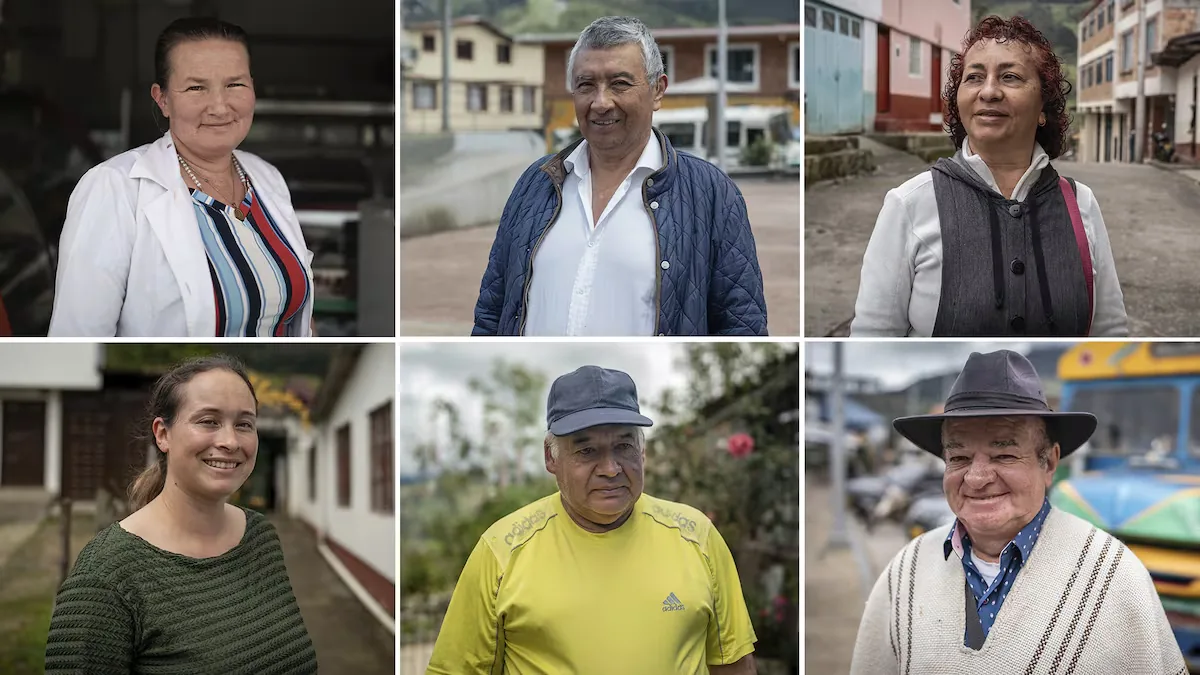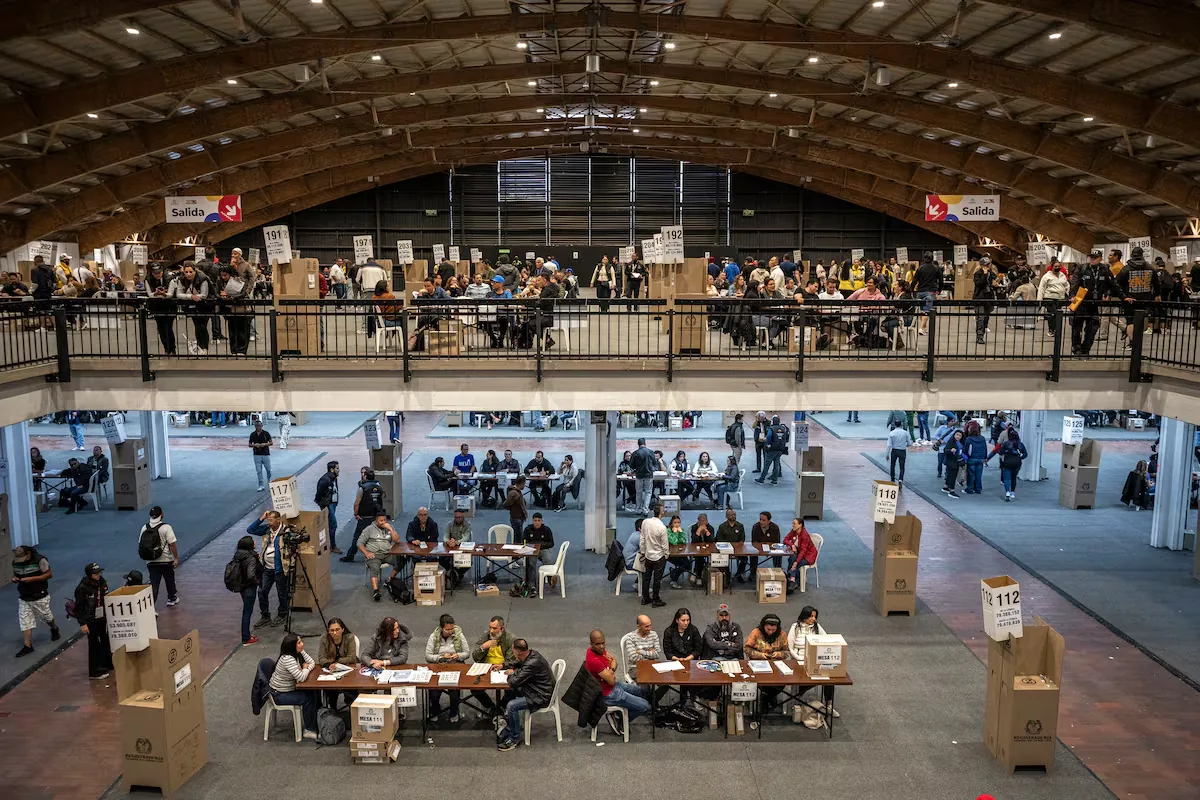





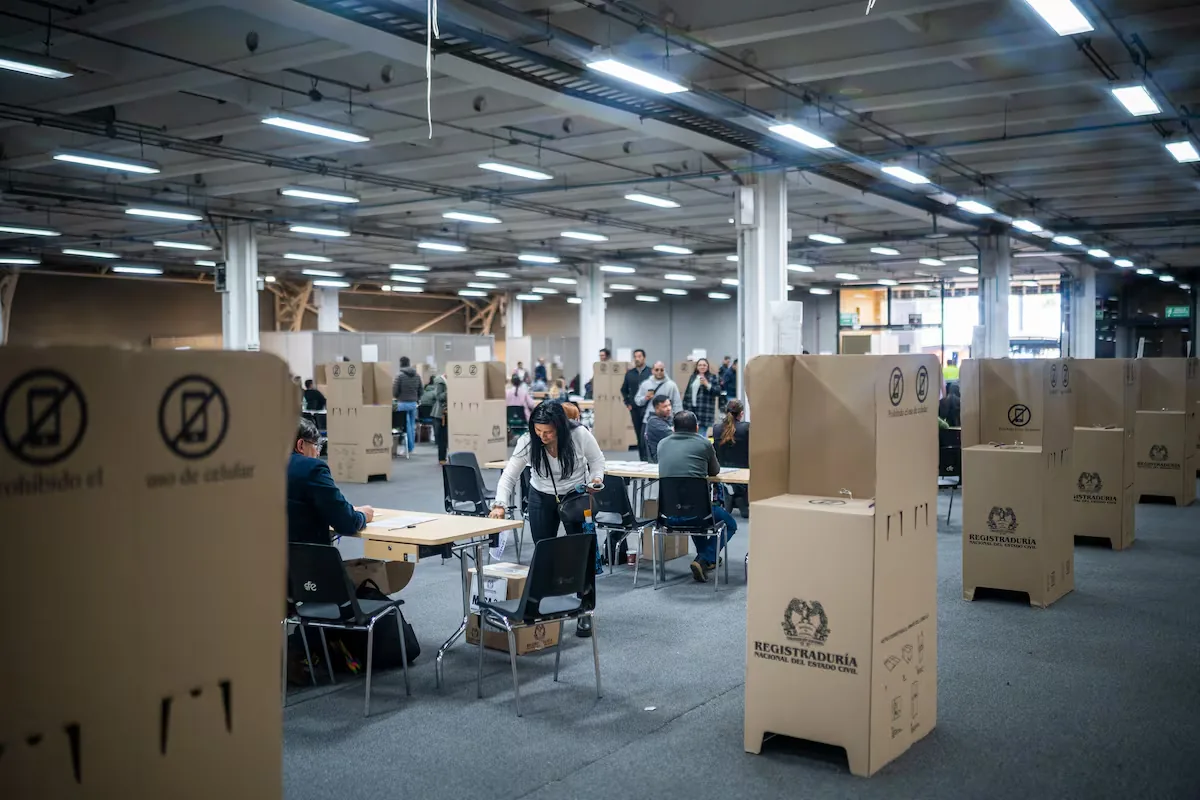
Two days before the presidential election in Colombia, the impacts of the polls and their interpretations by analysts from different sides resonate. Attention in the first round focuses on three candidates who have managed to capture the interest of the bulk of around 26 million voters. These presidential elections are fundamental to taking the pulse of two currents in the Latin American present: progressivism, which has been a protagonist in recent history, and Trump’s leadership, which wants to redefine presidential campaigns in the region and establish itself as a dominant actor. Indeed, in his second term, Trump has prioritized his attention on Latin America. The U.S. president boasts of having directly intervened in the elections of Argentina and Honduras. Furthermore, he seeks to establish himself as the leader of the Western Hemisphere, which is why he does not want political confrontations, but subordination.
Read more Video | The most controversial moments of the presidential campaign in Colombia
Expectations about the election results are growing both in Colombia and in the region. On Sunday, May 31, by the end of the day, we will have either the photo of the one who obtained the majority of votes and will be able to govern until 2030, or that of the two contenders who will decide this matter in a second round on June 21.
The three candidates with the greatest possibilities are Iván Cepeda, from the Historic Pact, representing progressivism; the candidate of Uribismo from the Democratic Center party, Paloma Valencia; and the candidate representing the far right with his party Defenders of the Homeland, Abelardo de la Espriella.
According to polls and analysts, progressivism, with Iván Cepeda, has the greatest chance of winning. His campaign seems to bet on a first-round victory. In any case, Cepeda has a guaranteed spot in the second round. He has achieved something that seemed very difficult, which is that the left is united. At the same time, progress has been made in building an alliance to face a fragmented right. This coalition of parties and social organizations with the government program The Power of Truth wants to go beyond what President Gustavo Petro built and deepen structural changes, particularly regarding the economic model, and eliminate poverty and inequality.
The Uribismo formula, with candidate Paloma Valencia, is conducting an intense campaign to maintain the right-wing electorate and, in turn, win the center electorate, seeking to expand the number of voters. Nevertheless, the candidate claims the leadership of former President Álvaro Uribe and feels like his daughter, besides wanting him as her Minister of Defense. It is clear that her political history represents traditional Uribismo. Valencia maintains a discourse against progressivism, especially in business circles, social networks, and the militant core of the right. Additionally, her candidacy represents the elites that have governed the country, and if it were not for the internal dispute within the right, she would have a greater chance of securing a spot in the second round. Her campaign proposals emphasize security, the application of a hard hand, the militarization of roads, and her threat to hunt criminals like rats. These authoritarian emphases are worrying because, undoubtedly, they cast a shadow of criminalization over social conflict and are aimed at restricting fundamental rights.
Read more Cepeda, the unchangeable candidate who promises continuity
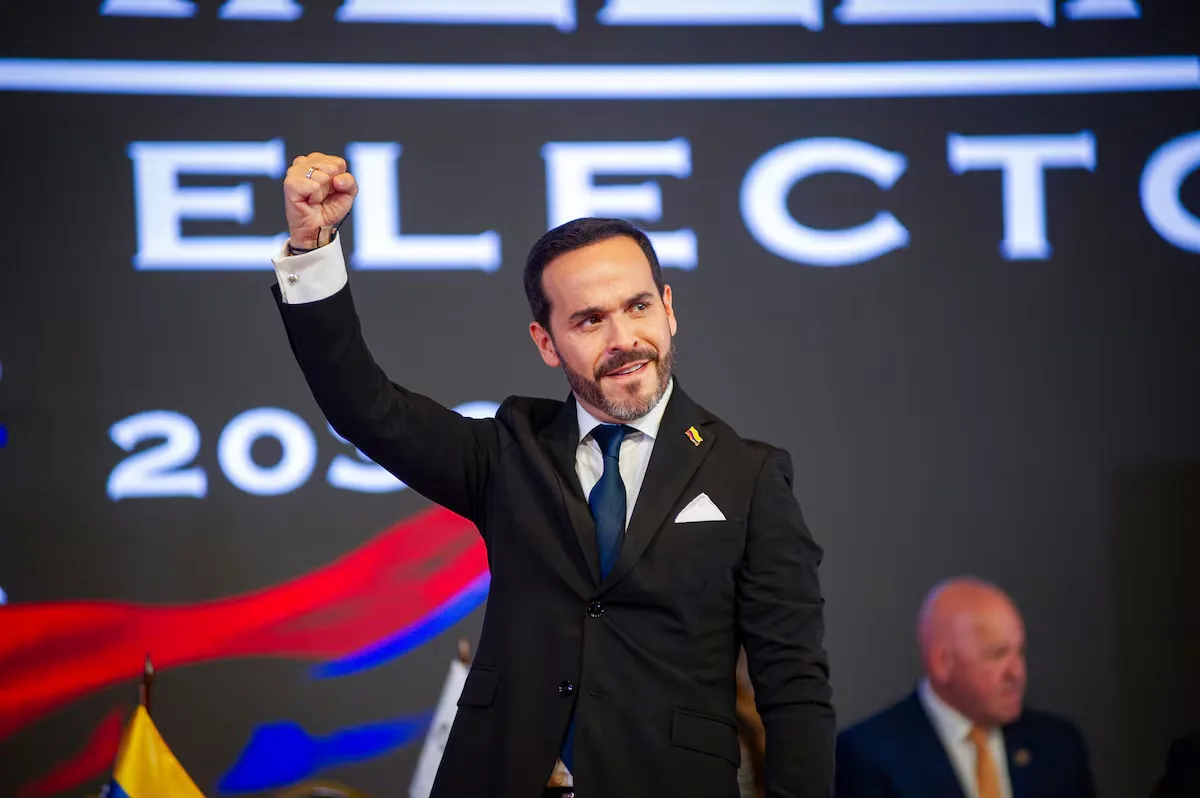
The far-right candidate, Abelardo de la Espriella, self-called The Tiger, represents the aforementioned internal division of the right. His movement, Defenders of the Homeland, offers to govern with an “iron hand.” An admirer of Argentine President Javier Milei and Salvadoran President Nayib Bukele, De la Espriella wants to follow the model of mega-prisons and also increase the armed forces, in the fashion of President Trump’s security policies, with whom he would have close ties to look after Washington’s interests in Colombia. Miracle Country, his government program, is based on elements including family, prosperity, work, faith, and fundamentally, security and austerity. However, De la Espriella does not offer much information on how these proposed changes will be carried out. Additionally, the Defenders of the Homeland candidate does not foresee the continuation of the Special Jurisdiction for Peace.
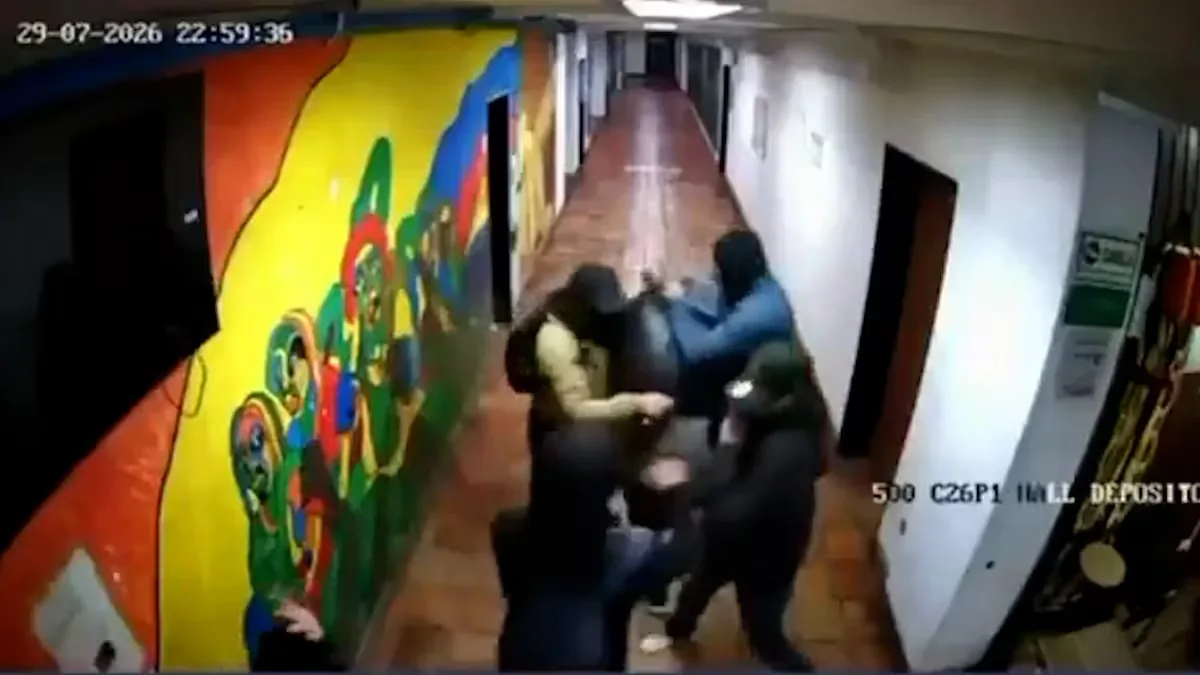
Opponents of Abelardo de la Espriella have pointed out that a presidential victory for The Tiger would pave the way for an authoritarian and elitist model of government, which would entail a setback in social, political, and environmental rights, as well as an agenda of militarization and a hard hand in his security policy. De la Espriella’s campaign has not hidden a marked disdain for peace efforts, which could lead to an increase in the escalation of violence. Abelardo de la Espriella also insists on promoting a discourse of hatred against the left and sectors of the press, which threaten a rollback of the achievements of recent years in the rights of social movements. Concern in this regard has been greater since, from his campaign, there have been open harassments of his opponents.
A victory for progressivism is very possible, even in the first round. If it happens, continuity would be guaranteed for the achievements reached by President Gustavo Petro. Besides growing favorability in the polls and an unusual capacity to mobilize in public squares, progressivism has had the division of the right in its favor, which still holds majorities in the Congress of the Republic. This presidential election is decisive for Latin American progressivism and would give the continent a breather in the face of the arrival of far-right governments in the region, more inclined to Trump’s agenda.
The latest polls show the difficulties of Paloma Valencia’s Uribismo candidacy, which has a crisis that is not resolved in a presidential campaign, because besides the internal fights of the Democratic Center, former President Uribe’s leadership was harshly questioned after the conviction for witness bribery and procedural fraud in August of the previous year and is increasingly erratic in his political strategy. Apparently, it would be Abelardo de la Espriella who would reach the second round despite the seriousness of the evidence and complaints presented about his mafia ties, his way of threatening journalists, his defense of paramilitarism and drug trafficking as a criminal lawyer, and his wealth is mixed with criminal businesses.
Read more The grassroots of Chavismo revolt against the tutelage of the United States