






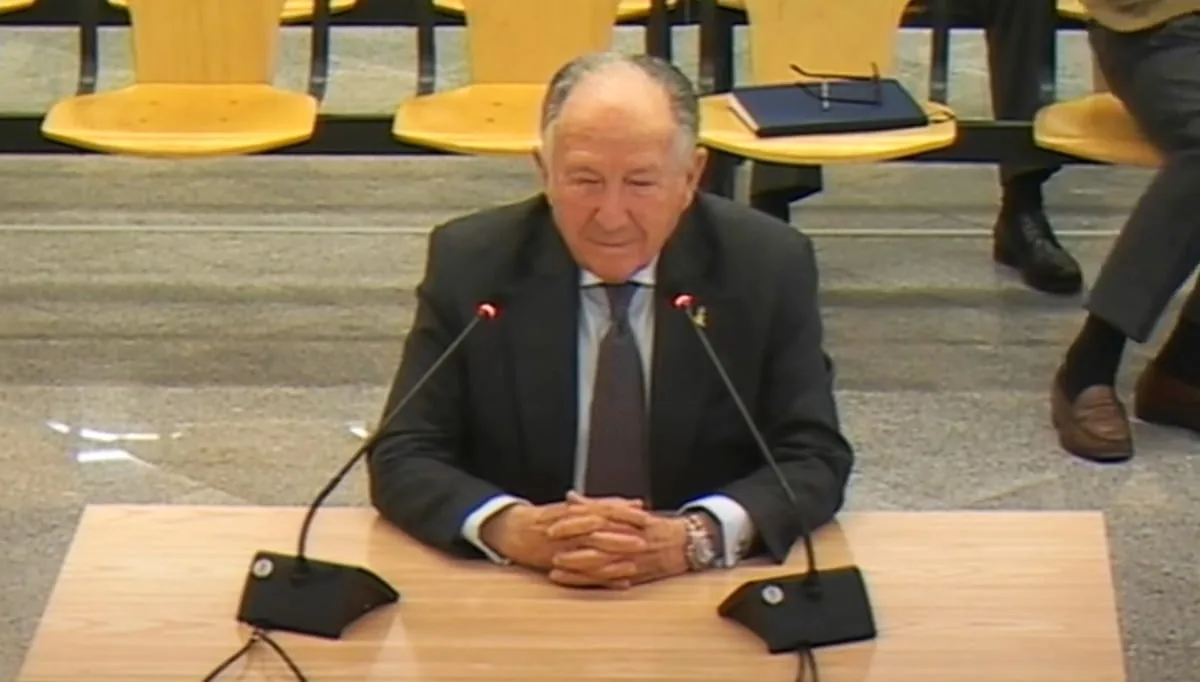
The CNI (National Intelligence Center) has strongly distanced itself this Monday from Operation Kitchen. Félix Sanz Roldán, who remained in charge of that agency from 2009 to 2019, has assured that the institution never participated “by action” or “by omission” in the espionage activities deployed from 2013 against the former Popular Party treasurer Luis Bárcenas, his family, and his environment. As he emphasized, when the PP accountant was about to blow the whistle and the nerves of the conservative party were running high, the CNI stayed still. It did nothing: “Absolute zero,” summarized the former head of the spies during his testimony as a witness before the court judging the alleged plot activated in the Ministry of the Interior. “The CNI always acts with absolute respect for the law […] No government asked me to do anything illegal and this would have been,” Sanz Roldán stressed. At that time, there was already an open investigation in the National Court about the Gürtel case and about Bárcenas’s papers, led by the investigating magistrate Pablo Ruz. Kitchen was developed outside those investigations and without judicial control.
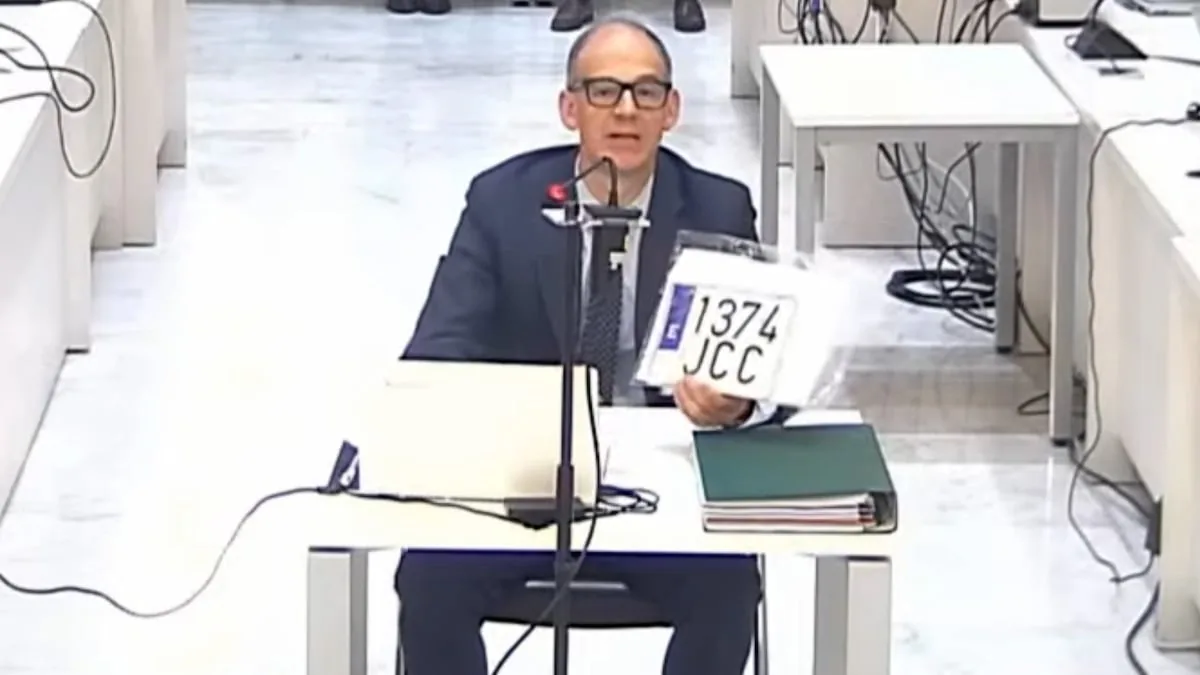
The former CNI director has appeared in the trial at the request of retired commissioner José Manuel Villarejo, who sits on the bench for participating in the espionage plotted against Bárcenas. The defense seeks loopholes to try to prove that the origin of the case is contaminated, which would allow opening a way to dismiss the charges. In that line, Villarejo repeats that the accusations made against him respond to a setup executed from the National Intelligence Center, due to the confrontation he had with Sanz Roldán. However, the latter has denied this.
—Did you ask Eugenio Pino, [head of the Police and also accused in Kitchen], to dismiss Villarejo on three occasions? —the retired commissioner’s lawyer asked him.
—No, none —he answered.
[…]
—Did you ever say that ‘The State ended with Villarejo or Villarejo ended with the State’?
—I have not said those words. And, if I have said them, they do not correspond to what I thought about Villarejo’s capacity.
—Did you not say that in a meeting with judges and prosecutors at the CNI headquarters?
—I did not say it because I never understood that he had such capacity.
With these answers, Sanz Roldán has cleared all attempts by the defense to link him to the origin of the Villarejo case file, from which the investigations into Kitchen derive. The former CNI director has also rejected that the battle he undertook in the courts against the policeman —he sued him for slander— was due to “animosity” towards him. As he emphasized, he went to justice after the commissioner publicly attacked the institution he led: “It was nothing personal, at all. I felt the obligation to counter such cruel lies [that he was spreading] against my subordinates.” “I was the only person in the CNI who could do it, being the only one with [known] identity. And because I believed that the people who serve Spain in the CNI did not deserve the treatment they were receiving from Villarejo,” he stressed.
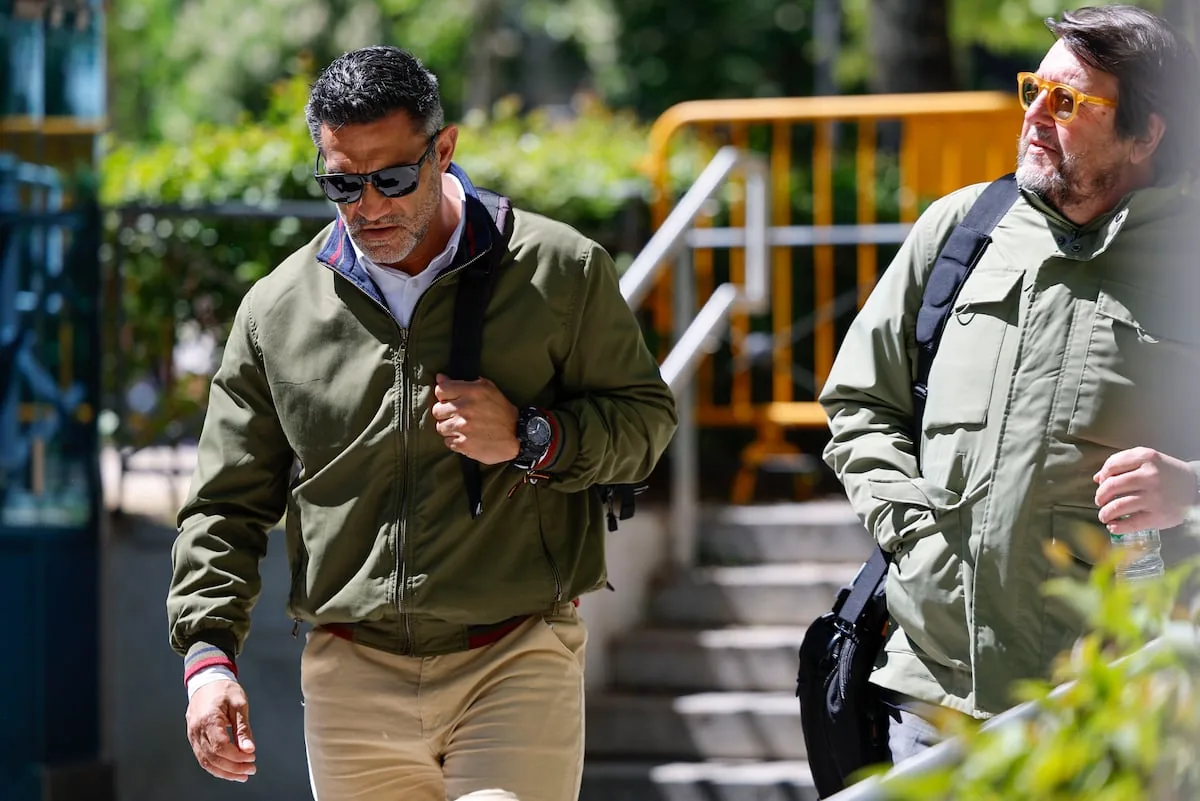
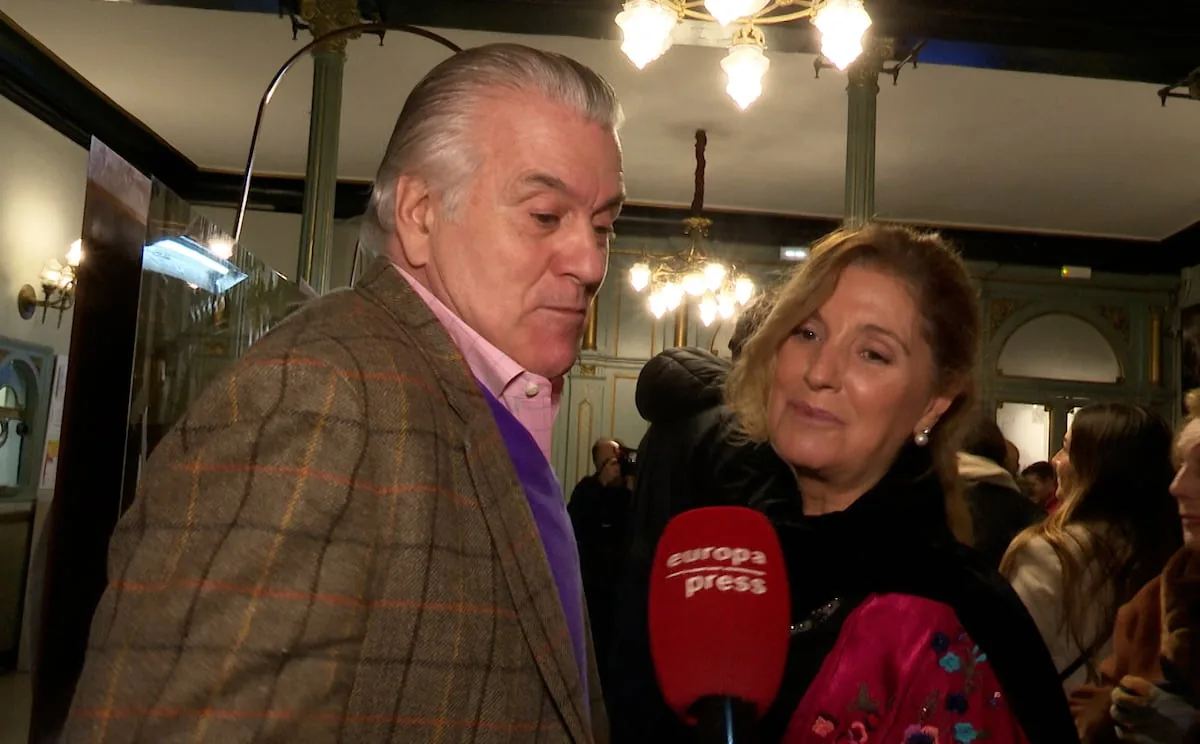
The trial on the Kitchen case resumed this Monday at the National Court headquarters in San Fernando de Henares (Madrid). The oral hearing, which began last April 6, already accumulates 15 sessions and more than 60 witnesses questioned. Sanz Roldán opened this morning’s session. In the rearview mirror was the testimony of Soraya Sáenz de Santamaría, on whom the CNI depended during her time as vice president of Mariano Rajoy’s government, when the espionage on Bárcenas was activated. The former PP leader stated last week that she knew nothing about the plot devised to follow the former treasurer’s steps, and added that she was not aware that the National Intelligence Center participated “in surveillance, monitoring or any type of investigation” of the former PP accountant or his environment.
Read more Rita Segato in Colombia: “Men have to mock the mandate of masculinity”