









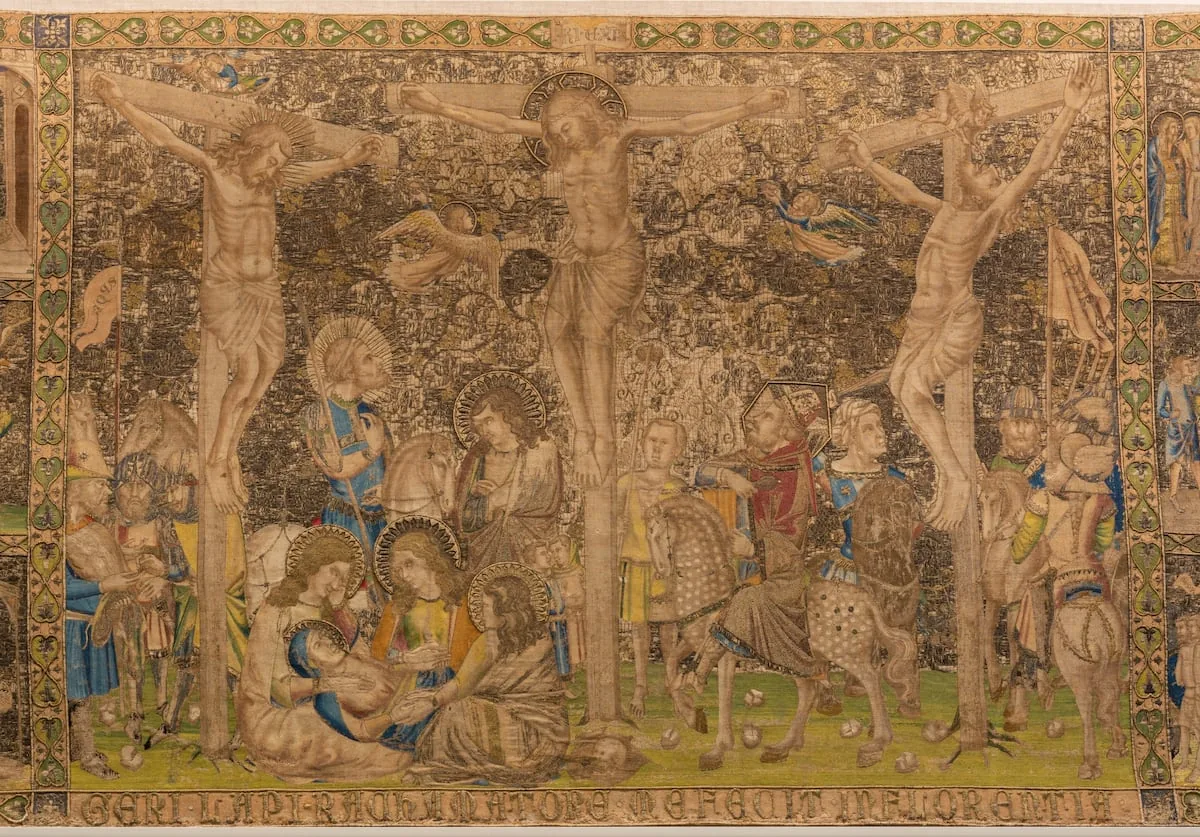
“We have tried to shed light on an important chapter in art history that until now had barely been addressed, and of which perhaps even the Italians themselves were unaware.” With these words, Miguel Falomir, director of the Museo del Prado, referred in Rome to the impact that the Italian influence of the Trecento had on Spanish painting of the time, and how the works produced in the peninsula throughout that century also pollinated subsequent Italian creation. This is the central idea of the exhibition In the Italian Manner. Spain and Mediterranean Gothic (1320-1420), which can be seen from May 26 at the Museo del Prado and whose details were unveiled today during the official presentation of the exhibition in the Italian capital.
Read more Chilean politics makes way for Franco Parisi’s Party of the People
The city has been the protagonist of this event “because the idea for this exhibition was partly born here,” as explained by curator Joan Molina. But furthermore, Rome is the symbolic center of the artistic tradition that this exhibition seeks to narrate in the context of an art gallery that also has Italian painting as one of its three main pillars (along with Spanish and Flemish). “The Prado is a small Italy,” its previous director, Miguel Zugaza, used to say of the museum, quoted by Falomir. He also added that Italians are, along with Americans and French, the main audience of this cathedral of art.
Regarding the exhibition, which was very laborious in terms of production, as it included the restoration of a dozen works, the Prado’s directors have tried to cast a different light on artists perhaps less famous than Titian, Veronese, and other great hits of Italian art, but very significant “because in some way they allow us to redesign the map of artistic influences of the time,” emphasizes Falomir.
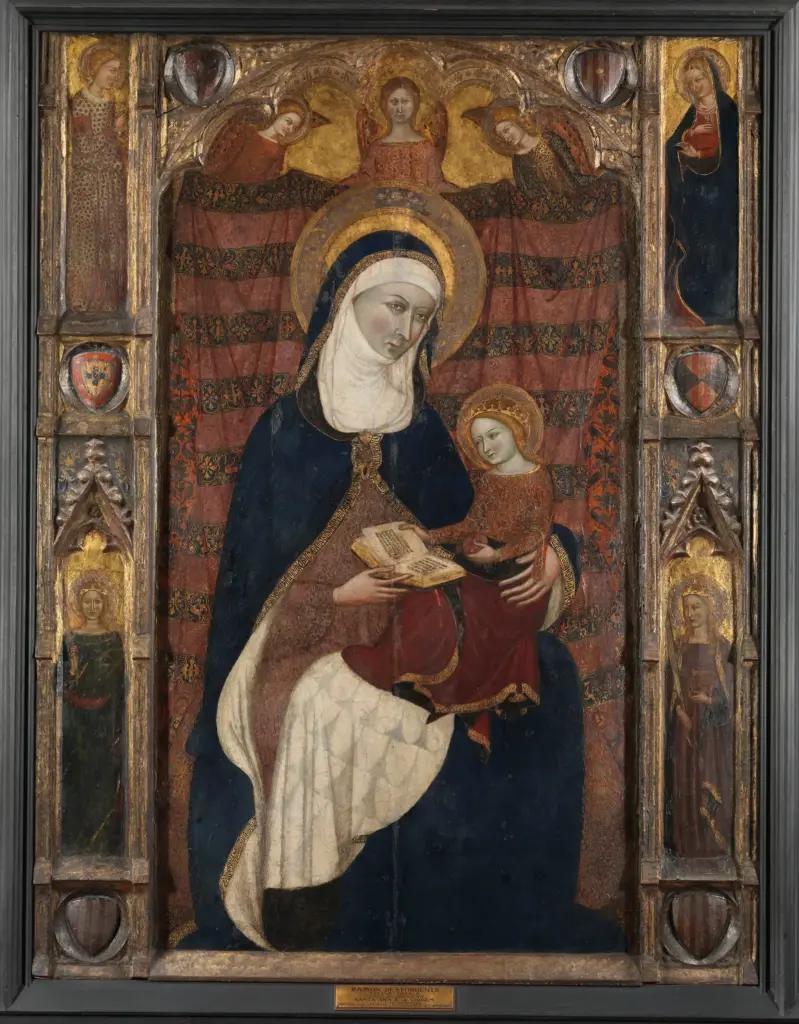
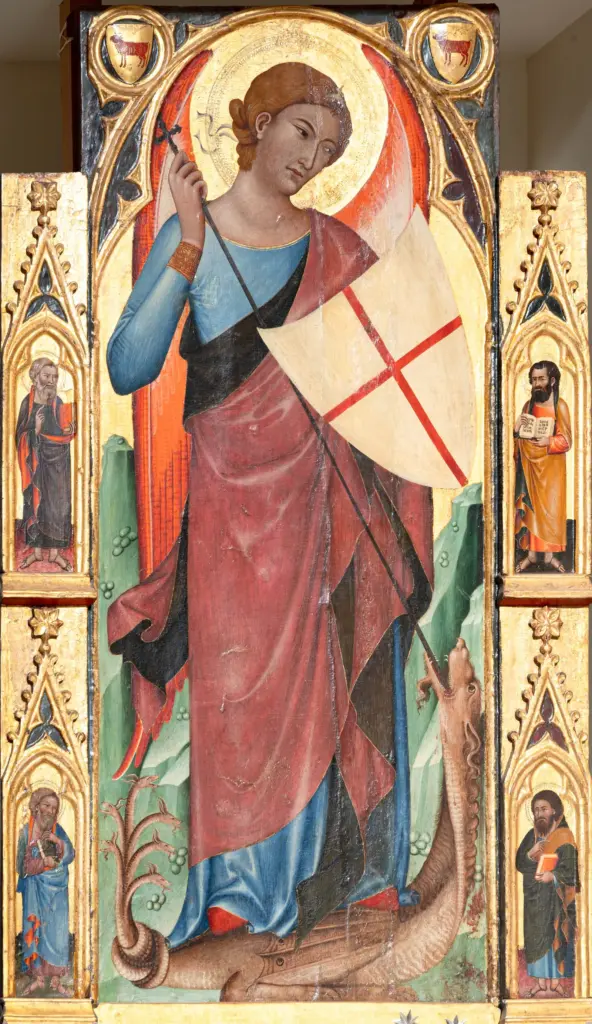
Art, which is never alien to political contexts, permeates everything it touches when it travels. And that is exactly what happened during the 14th century, when, through the Avignon papacy and the new dynasties that came to power in Spain, paintings by Giotto, Duccio, or Lorenzetti and other great Italian Trecento masters entered the peninsula and fascinated with their technical and artistic refinement.
Read more Young people at Sant Jordi’s signings: “This book, once signed, becomes a treasure”
In addition to the works, Italian artists also arrived on the peninsula, such as Lupo de Francesco or Barnaba da Modena. This coming and going of works and artists permeated the work of Spanish creators such as Ferrer and Arnau Bassa, the Serra brothers, Pedro de Córdoba, or Miquel Alcañiz, who in turn reinterpreted what they saw and even created new iconographies or made new proposals, such as the altarpiece, “which was born in that era,” explains Molina, who during the presentation emphasized the importance of “combating the idea of art homelands because what truly exists is exchange.”
The commercial frenzy between Florence, Pisa, or Siena and Spanish cities like Valencia, where textiles, tapestries, and jewelry also arrived, is reflected in the Spanish artistic production of the time, which in turn impacted artists like Gherardo Starnina, who upon his return to Florence, after a stay in Valencia at the beginning of the 15th century, would be described thus by Giorgio Vasari, the Renaissance artist who wrote the biographies of multiple Italian creators: “When he left he was crude. In Spain he learned to be kind and courteous,” in reference to how his style changed.
The important relationship between Italy and the Museo del Prado is also reflected in the numerous loans made in both directions. Throughout the 21st century, the museum has lent 681 paintings to Italian institutions and has received 357. This exchange is happening again with this exhibition, but this year there is also a protagonist outside of this exhibition, The Visitation (1517) by Raphael, a star work of the Museo del Prado that temporarily returns to L’Aquila after 400 years of absence. The recently restored painting was an almost obligatory gift from the Viceroy of Naples to Philip IV and can be seen in the Italian city from June 26 at the National Museum of Abruzzo on the occasion of L’Aquila’s Italian Capital of Culture status this year.
Read more Frisby Colombia loses the use of its brands in Spain