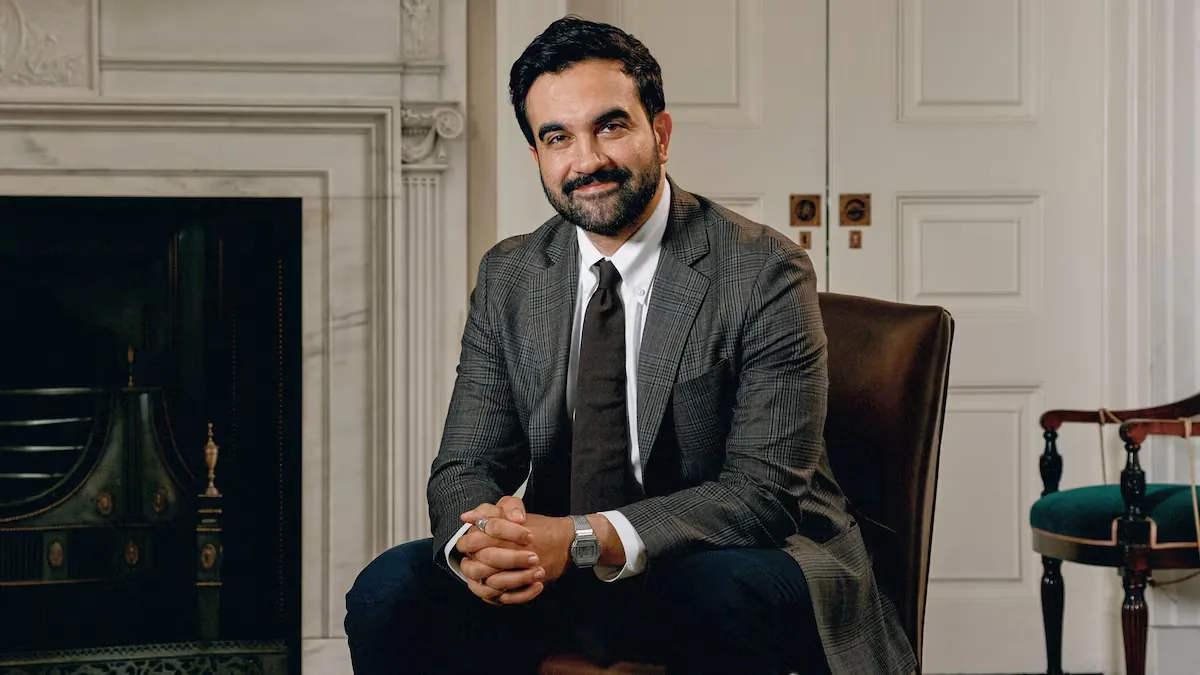









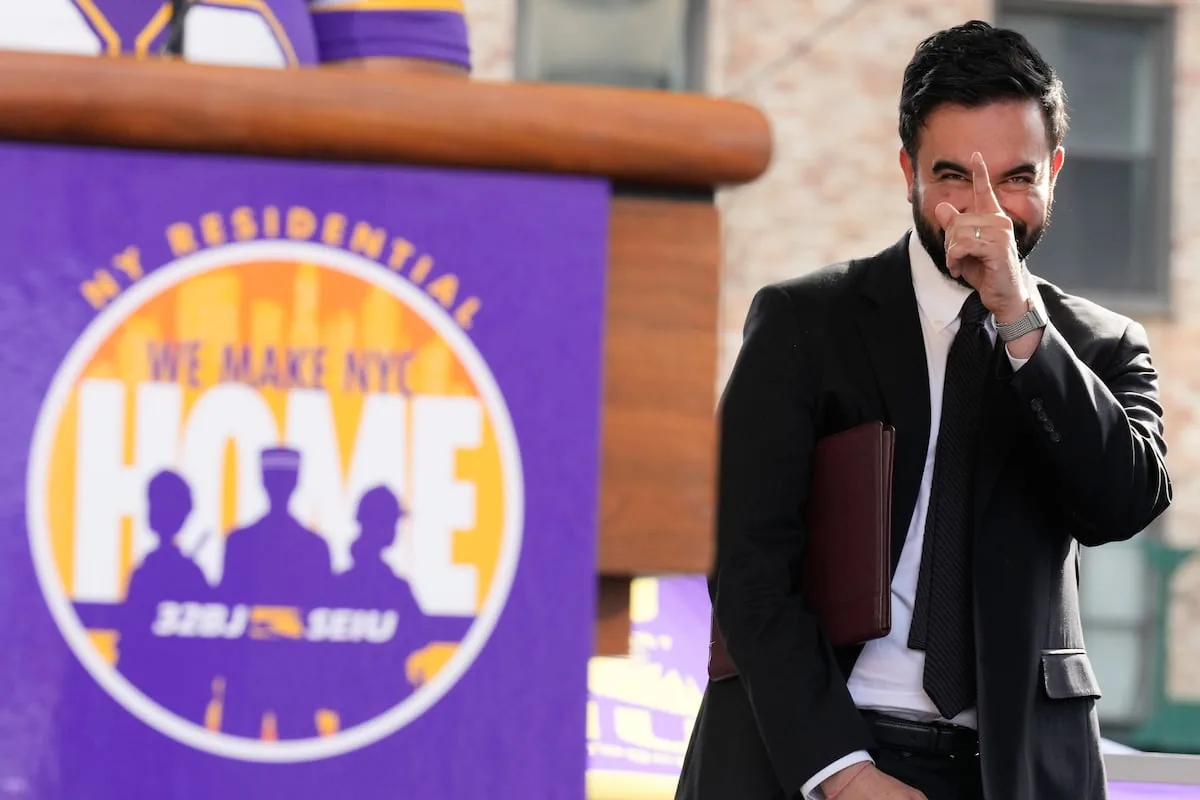
Zohran Mamdani, a socialist, Muslim, and political newcomer, arrived in January at the mayor’s office of New York, the largest city in the United States and the cradle of contemporary capitalism, with the promise of wresting the city from investment funds and big magnates to return it to its inhabitants. This week, at the conclusion of the 100-day grace period, he took a step to fulfill his word: on social media, his natural habitat, he announced an annual tax on owners of second homes worth more than five million dollars, of which there are many in New York: Russian oligarchs, oil sheikhs, and global fortunes.
Mamdani, 34, has fulfilled other electoral promises during this time: an investment of 1.2 billion dollars in nurseries, with 100,000 potential beneficiaries; the opening, next year, of the city’s first public supermarket (the shopping basket has risen by 66% in the last decade, and exponentially in the last five years) or the mediation of the council between tenants —70% of New Yorkers are— and abusive landlords.
He has also launched a campaign to fix 100,000 potholes in the streets, and has laid asphalt and shoveled snow, always with the opportune presence of cameras, just as when he married six couples at City Hall on the eve of Valentine’s Day. His management of the copious snowfalls —a litmus test for any Big Apple mayor— received the approval of two out of three New Yorkers.
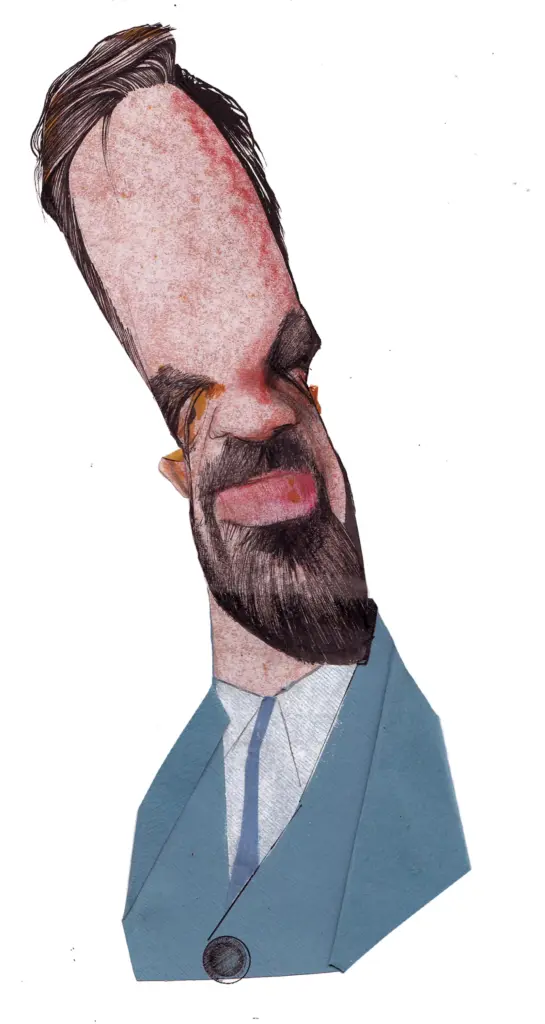
But Mamdani’s undeniable charisma, his telegenic appeal and ease on social media, and his new way of doing politics —more daring, perhaps also more naïve—, clashes with the reality of a 5.4 billion dollar budget deficit to achieve his goal of making the city affordable for its residents, especially working-class ones (the hole dealt a couple of setbacks to his initial purposes). Facilitating access to goods and services in a city where prices are armed robbery was his main electoral rallying cry.
For this reason, in addition to facing a fierce Islamophobic campaign, Mamdani still has many promises on the table, such as free, very slow urban buses, the implementation of containerized waste collection to deter rats, by 2031; or the five public supermarkets, one per county, that he intends to open during his term.
The budget is the biggest shadow over his ambitious agenda. But to carry out his program, he is not alone nor completely autonomous: he depends on the State governor, also a Democrat —but centrist— Kathy Hochul, and on the state Legislature, where he cut his political teeth. Both entities exert considerable influence over certain aspects of his agenda. In fact, Hochul has handed him the tax on millionaire second homes, around 13,000 properties in total, which is expected to raise 500 million a year (half of what annual free urban buses would cost).
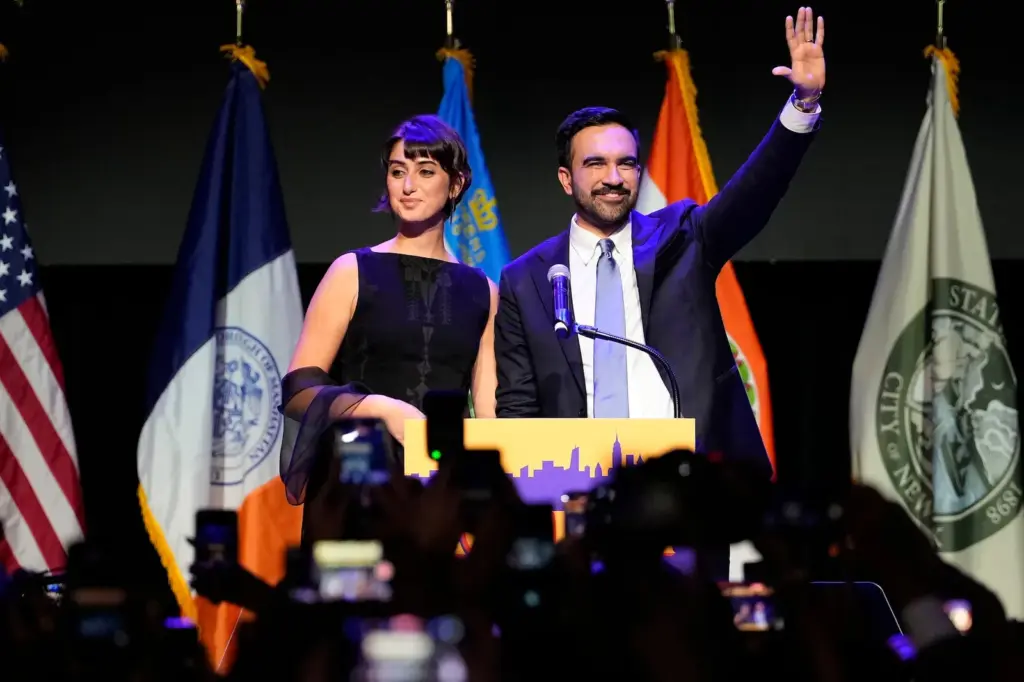
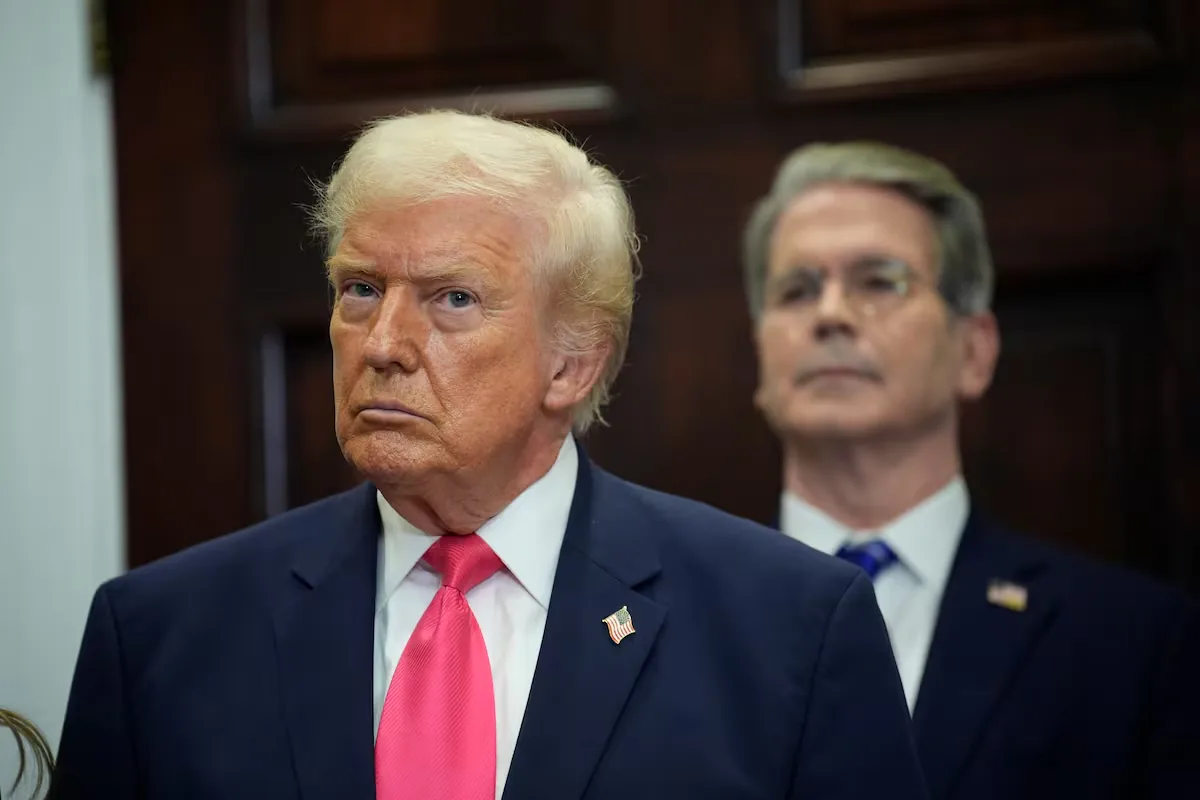
Mamdani must navigate the delicate balance between the progressives who brought him to the mayor’s office and figures rooted in the establishment like Hochul. But also the attacks from Donald Trump, with whom he has met twice and whom he seems to have seduced. The city (and the State) depend on federal aid for important items, such as infrastructure, and the Republican usually punishes Democratic administrations when they oppose him. If the mayor has managed to joke with Trump in the Oval Office, it is to be expected that Wall Street’s initial distrust of his fiscal proposals will moderate. On the citizens’ side, he has the support of 48% of his neighbors, according to the latest survey.
Famous on social media
Mamdani has a double job ahead of him: managing the city, but also the great expectations generated by his victory. “Big promises, those with a global vision, will always require some time, at best. And I think voters, in a way, are aware of that. Let’s remember that he was elected with 50% of the votes, and what he has achieved since taking office is, in a way, to mitigate some of the concerns that many of those who did not vote for him harbored. And he has achieved this, fundamentally, because being mayor of New York is, above all, a management position,” explains Lincoln Mitchell, from the School of International and Public Affairs at Columbia University.
Read more Bulgaria heads to the polls with pro-Russian former president Rumen Radev as favorite
“You can promise this and that, but if you are not able to govern the city effectively, the result is a disaster. And he has shown that he takes the management work very seriously, and he is doing quite well,” he adds. As for large-scale promises, “it is still too early for voters to be disappointed. It is not enough to wave a magic wand for the subway to suddenly be free.”
The professor emphasizes Mamdani’s strong impact on social media, although “he is stumbling on transportation issues, something that could take its toll.” “He has done so well on social media, and well enough in management, that no real crisis has arisen where he has made a colossal mistake or something like that. So it seems to me that he is doing well; it’s simply too early to draw definitive conclusions.”
Among the plans that have not yet taken off, many residents cite, in addition to transportation, housing, with an average monthly rent, in March, of 5,000 dollars in Manhattan: it is not surprising that one of his great sources of votes was precisely that of tenants, who represent 70% of the population. “The issue of housing will be important. Mamdani, I believe, is considering market-based solutions. The problem in a place like New York is that market-based solutions do not generate affordable housing,” adds Mitchell.
Broad base of support
Joanne, who volunteered in his election campaign, is not at all disappointed, but expectant. “I think he is trying to find points that have a broad base of support, instead of opting for issues with a potentially divisive impact, because he is aware that half of the population voted for him,” she explains. “I haven’t found a single [disappointed] voter. That could change by the end of the year. But, for now, he seems to be maintaining the support of his base while trying to show those who did not vote for him that he is a serious person and that he takes his job seriously. And he is managing to do all that,” Mitchell agrees.
Mamdani’s media-savvy landing in reality, an exercise in possibilism not without charm, has led him to reformulate the tone and scope of his agenda, according to Nicole Gelinas, from the conservative think tank Manhattan Institute. “The initial optimistic tone, at least regarding the budget, has completely disappeared,” the expert pointed out in a recent forum, days before the announcement of the tax on millionaire homes. “I think the best we can say is that, indeed, he shows a certain capacity for adaptation and flexibility when things do not develop according to his theories, when he observes that his own ideology could trigger an immediate crisis,” she concluded, not without attributing to him excessive attention to the media, for example, his publicized celebrations of Iftar, the dinner that breaks the Ramadan fast, with different groups in the city.
Looking ahead, the endorsement that many gave Mamdani as a generational and ideological replacement for the Democratic Party, and even as an option extrapolable to the rest of the US, has faded, because it was not real. “Most Americans perceive New York as very different from the rest of the country, and no New York mayor has subsequently managed to access other political offices. This position is usually seen as a dead end,” says Mitchell, “although he is so young that he could be elected senator or something like that”… as long as he moderates his comments on Israel (he has threatened to arrest Prime Minister Benjamin Netanyahu if he sets foot in New York). “There are many people, Jewish or not, who believe that his statements about Jews and about Israel go too far. That could change, but nationally, it will hurt him.”
Even aware of the unpopularity of that part of his speech, Mamdani does not keep silent: this same week, he criticized in a television interview those who criticize his social policies. “To be told that a city-run supermarket is unfeasible, but spending more than 500 million dollars a day to kill people in Iran and Lebanon is not only feasible, but necessary, is a symptom of a broken type of politics.”