









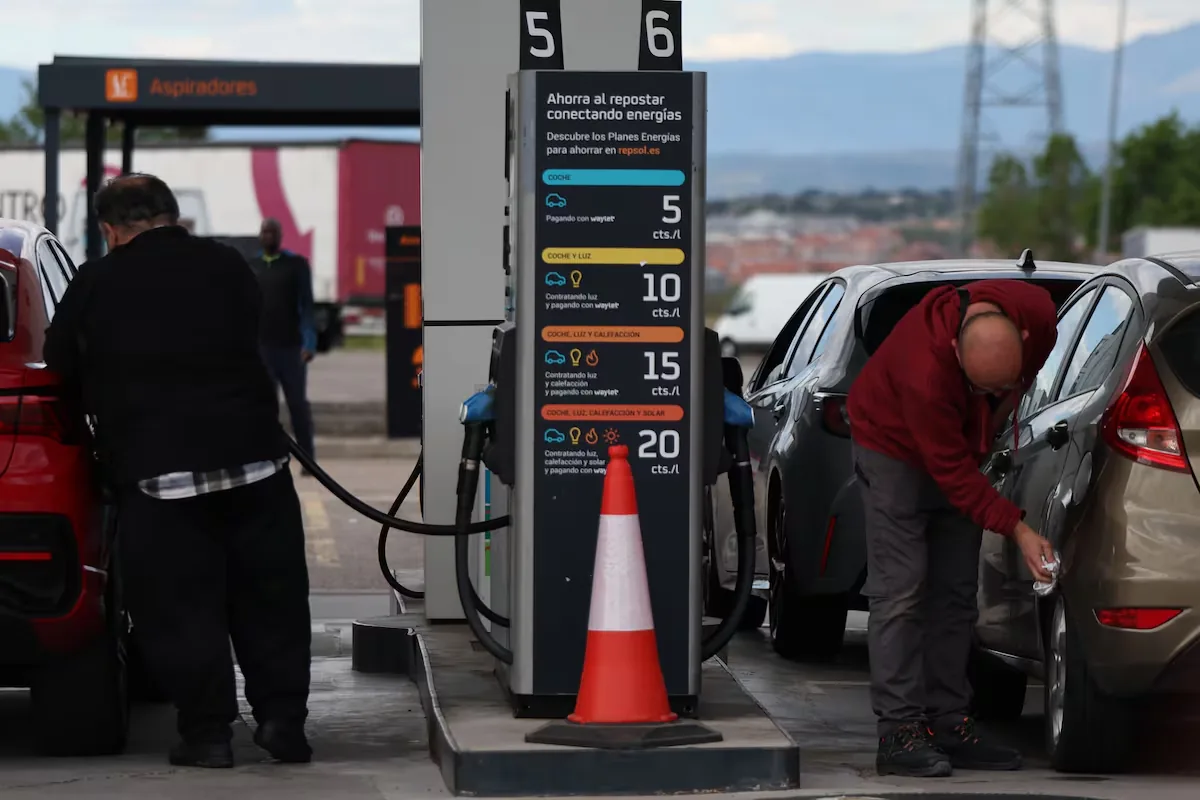
The crisis in the Middle East and its reflection on energy prices continue to wreak havoc. Inflation rose to 3.5% in July, according to the preliminary data published this Thursday by the National Institute of Statistics (INE). The result represents an increase of three tenths compared to the previous month, when the consumer price index (CPI) marked 3.2%. Core inflation — that which is stripped of the most volatile elements such as energy and food — also pushed upwards with a year-on-year increase of one tenth, up to 3%. In both cases, far from the 2% target set by the European Central Bank (ECB).
The evolution of prices in recent months has been marked by tensions in energy markets, fully impacted by the war in Iran and interruptions of maritime traffic in the Strait of Hormuz, through which a third of the world trade in gas and oil passes. In response to the blow caused by the conflict, the Government has approved an anti-crisis shield that this July has been reformulated — the first package was implemented in March — establishing that aid be gradually withdrawn over the summer provided that there are no inflationary spikes.
The logic behind this safeguard clause rests on the difficulty of predicting how the conflict will evolve and the consequent fluctuations in the prices of the main energy products. This past June, Tehran and Washington agreed on a ceasefire, but it fell through within a few weeks with the reactivation of hostilities, keeping markets on alert and prices tense.
The Government emphasizes that the response plan to the economic impact of the war is helping to cushion the external shock on inflation and household purchasing power. Specifically, it estimates that the measures deployed have contributed to reducing inflation by up to one point on average in recent months, a result that means having cushioned more than 60% of the inflationary increase caused by the conflict in Iran.
[Breaking news. There will be an update shortly]