







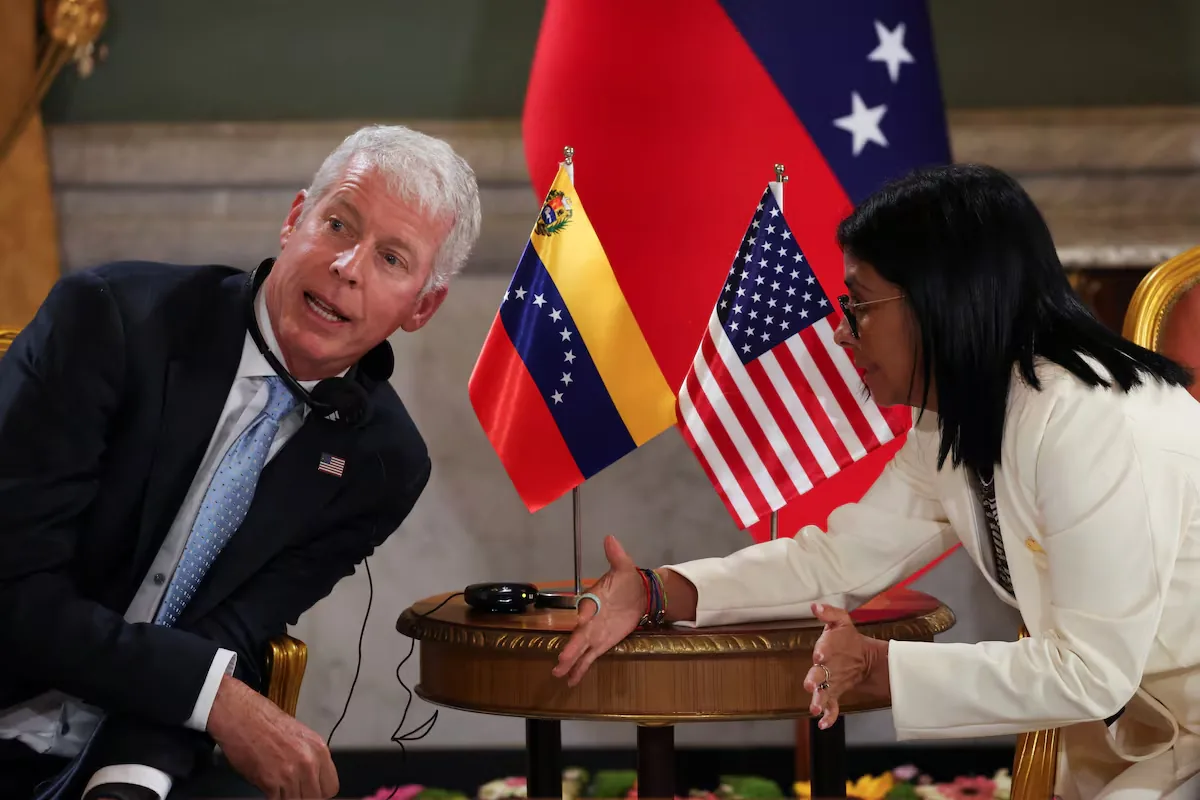
The United States Secretary of Energy, Christopher Wright, is in Venezuela for the second time since relations between Washington and Caracas were restored. Trump’s right-hand man for energy matters has participated in the signing of a dozen oil exploitation agreements with Chevron, the Italian company Eni, Primavera, and Aspect Energy, which have obtained new fields and exploration licenses. Agreements have also been signed with General Electric for the recovery of the electrical system in Venezuela and to safeguard the expected growth in crude oil production, according to the White House’s plans for the oil-producing country.
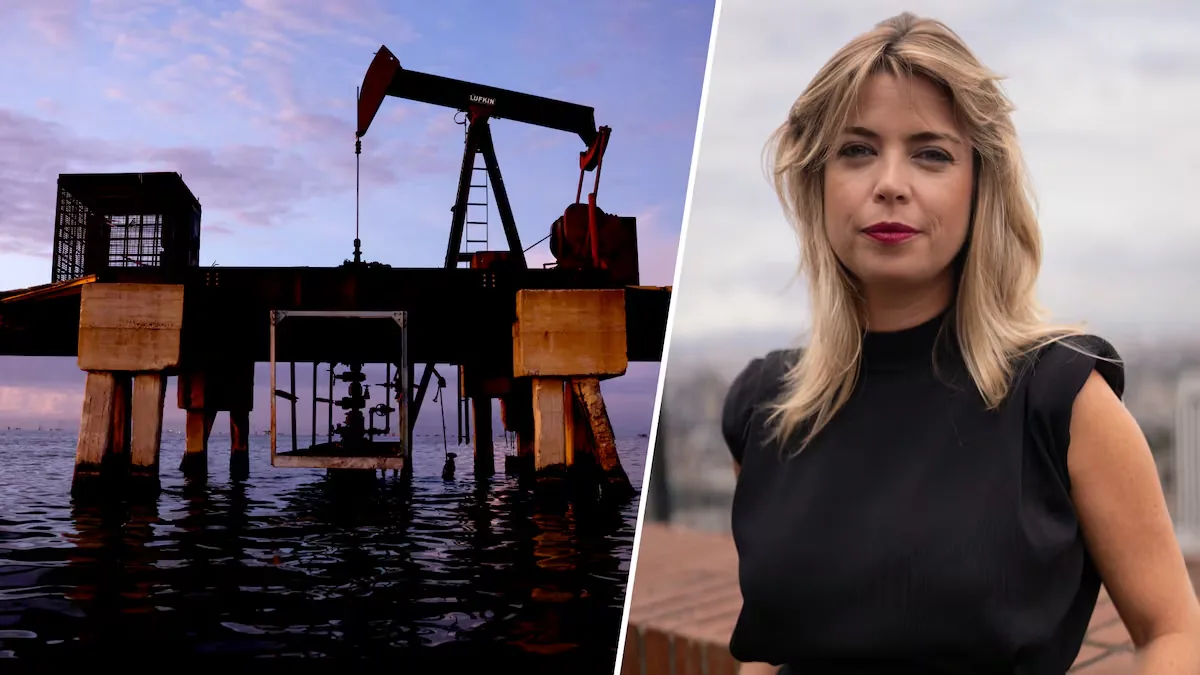
The visit comes just days after the agreement by which the United States will acquire at least one-fifth of Venezuela’s oil reserves through a public-private partnership with the company NABEP (North American Blue Energy Partners), owned by Venezuelan Alejandro Betancourt, a controversial contractor of Chavismo who today appears as an operator of Donald Trump’s government. The signing of this controversial agreement has not been part, at least for now, of Wright’s agenda in Caracas.
“It is a historic day in the transformation of Venezuela and the expansion of possibilities for the Venezuelan people. President Trump’s mission is to bring peace and prosperity to Venezuela,” said Wright, who predicted in a previous interview that Venezuelan oil production will exceed two million barrels per day by the end of this decade, about 900,000 barrels more than what is currently extracted from the subsoil. “We are trying to move at the speed of light to transform Venezuela and its relations with the United States, and the catalyst is energy. We are interested in doing the same throughout the continent. Replacing past conflicts with present trade and business.”
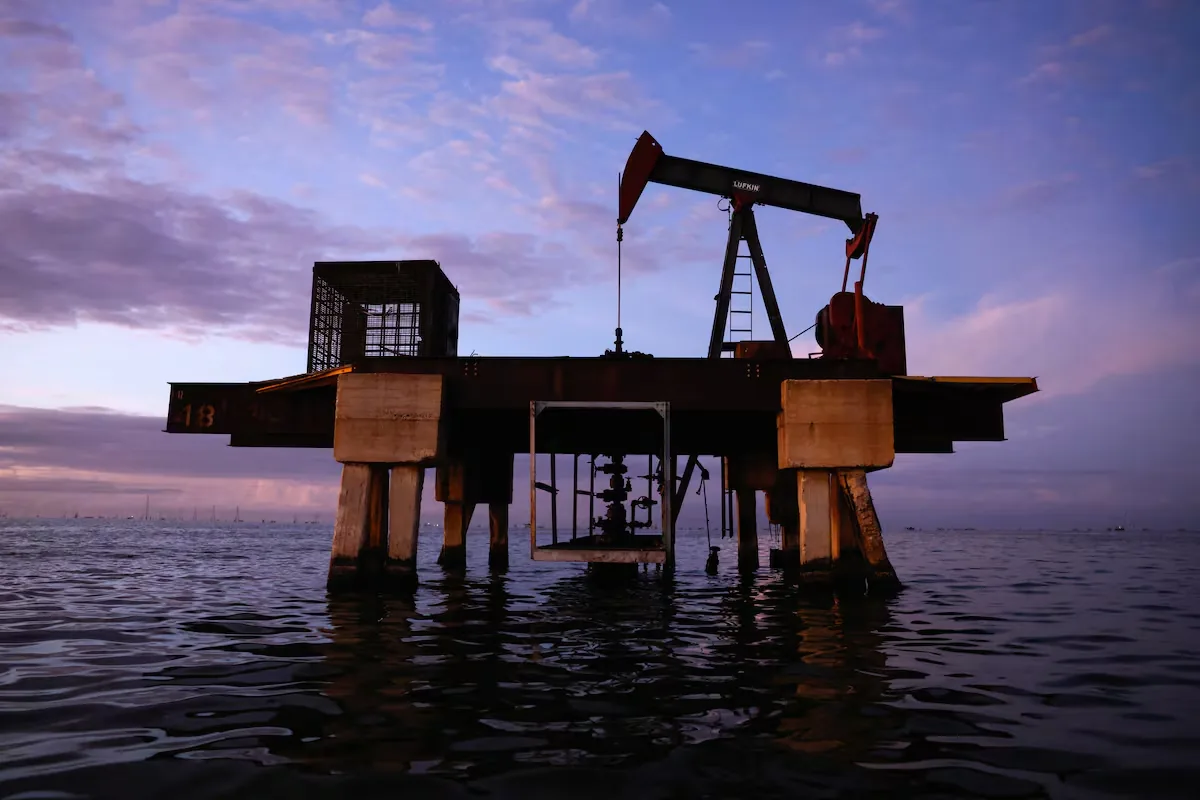
Part of that growth is related to the expansion of Chevron’s operations. The second-largest American oil company has maintained operations and assets in the country, even during the most restrictive moments of U.S. sanctions on Venezuela. Chevron now holds two oil fields in the Orinoco belt.
The Italian company Eni also signed five projects to expand its participation in the sector. Primavera obtained the Budare-Elotes blocks in the east of the country. Aspect Energy will evaluate the exploitation potential; the Venezuelan state companies PDVSA and Corpoelec signed agreements with General Electric for the improvement of the electrical system (Venezuelans currently suffer daily blackouts of between 6 and 10 hours) and to ensure the stability of the oil industry.
“We are signing for the life of Venezuelans,” said Rodríguez. PDVSA president Héctor Obregón added that these agreements come after eight months of work on the “structural transformation” of the sector with the legislative reform approved earlier this year.
The oil agreement between Washington and Caracas remains, however, pending finalization. The text involves the concession to a private company of the exploitation of up to 65 billion barrels of oil — one-fifth of Venezuela’s crude reserves — and royalties for Caracas amounting to 209 billion dollars (180.37 billion euros) in the first 25 years, in addition to an investment of 100 billion dollars. The White House reported that the agreement will last 100 years.
Betancourt’s company has only two years of operations in the country and has been favored without prior bidding. NABEP is currently the second-largest crude oil producer after Chevron. With these credentials, Washington justified the partnership with the company in which the U.S. Department of War’s Strategic Capital Office will hold a 35% equity stake.
Not all details of this transaction are yet known, which has sparked criticism for its opacity and the key role played by Betancourt, who in the past signed contracts with the Chavista government for the execution of works in the electrical sector that ended in a fiasco. The businessman has open investigations against him in Switzerland and Spain for alleged money laundering from PDVSA. Regarding the allegations, Secretary of State Marco Rubio has argued that Betancourt — majority shareholder, also, of the sunglasses company Hawkers — has no open cases in the United States.
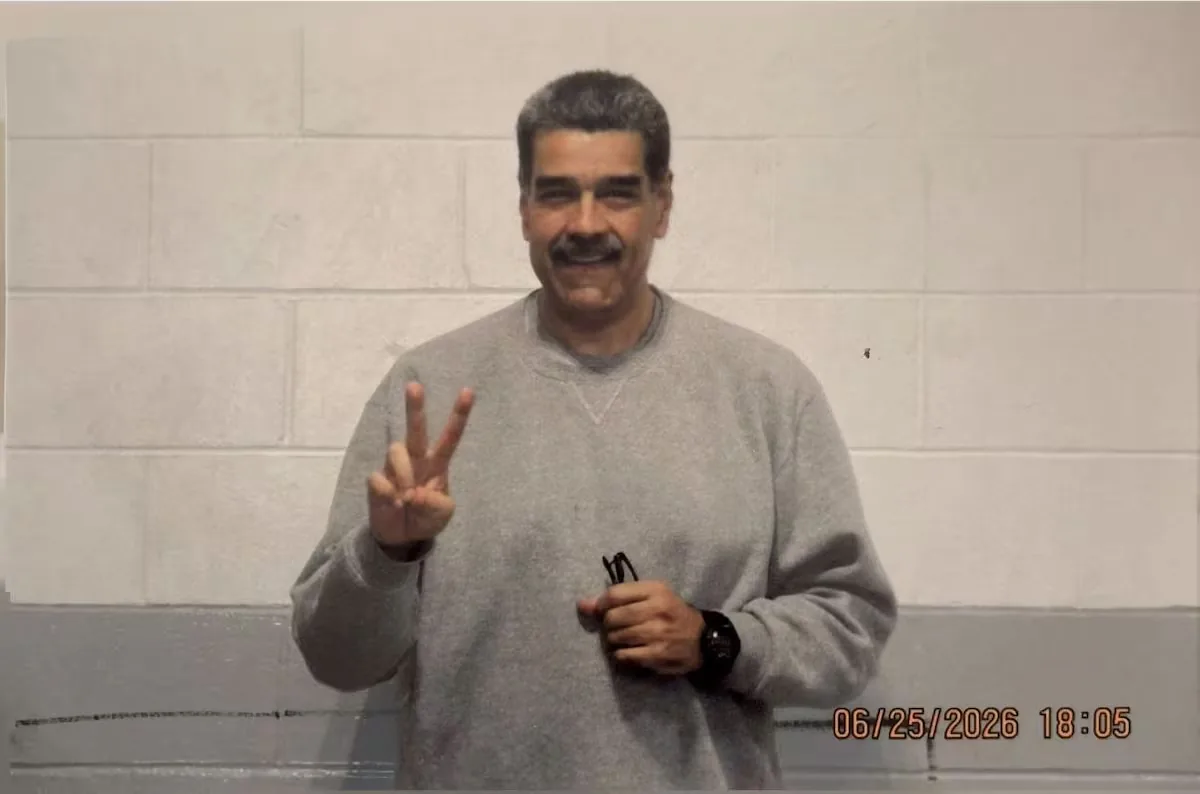
Wright had been in Venezuela in February, just after the hydrocarbon law reform was approved, the first to be placed on the Parliament’s agenda after the military operation that ended with Nicolás Maduro’s arrest on January 3. The reform ceded part of the oil business to the private sector through the figure of so-called Productive Participation Contracts. Until now, the predominant model was that of mixed companies with a state majority shareholding.
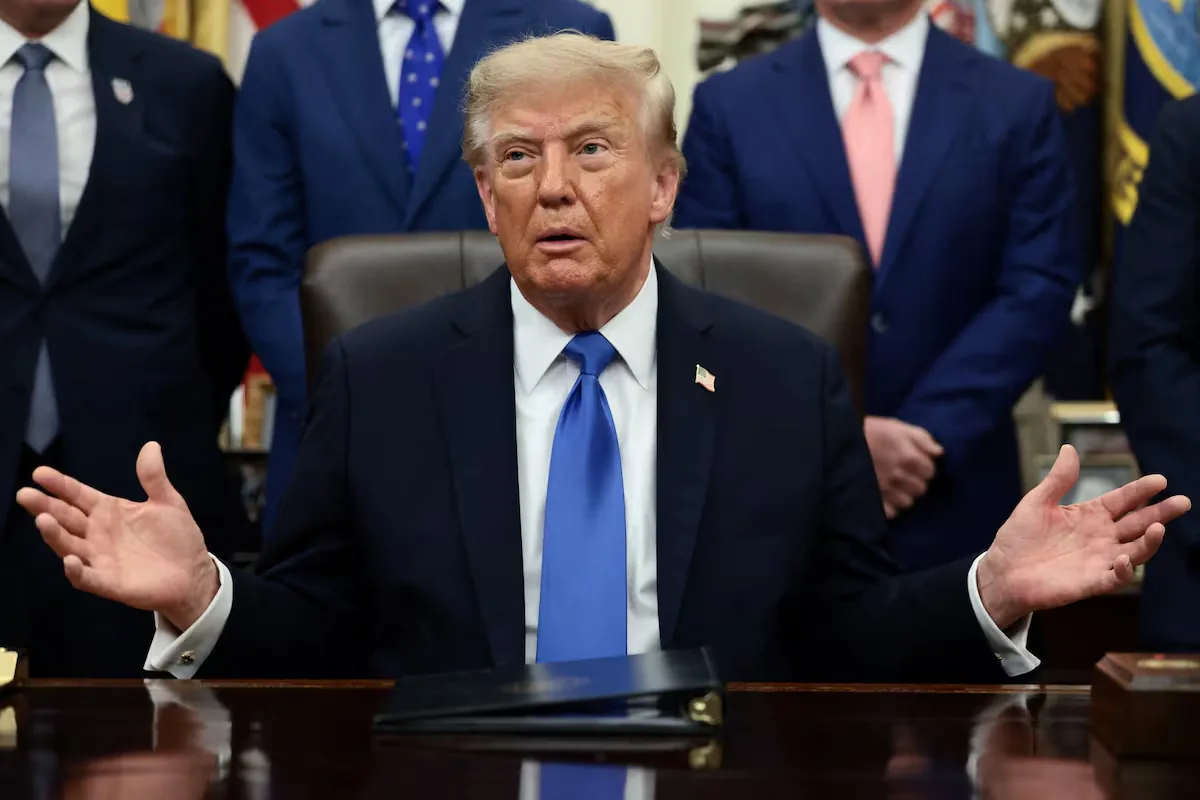
The U.S. official has taken on a key role in Washington’s energy strategy towards Venezuela. Days ago, President Trump stated that it was his secretary who had command of the South American country. “He is running Venezuela better than anyone ever before. We can say that Chris Wright is doing a great job,” he said.
With Wright’s first visit, an energy agreement was sealed that modified the licensing regime for companies such as Chevron, BP, Eni, Shell, and Repsol. But the entry of new investments in the oil and gas sector under U.S. authorization is taking time to arrive.
Even with the legislative reform, which also opened the possibility of international arbitration in cases of dispute, large foreign oil companies, such as ExxonMobil or ConocoPhillips, remain cautious about their participation in a country where legal guarantees and the legitimacy of authorities remain unclear.
This new visit by Wright occurs hours after the Chavista National Assembly backed the oil agreement announced by Trump. The head of Parliament, Jorge Rodríguez, said the agreement had sparked the interest of other oil companies. “The Spanish, French, Italian, Emirati, and Qatari companies will not be left out,” he said without mentioning China and Russia, former oil partners of Chavismo, whose fields will now be ceded to NABEP.