



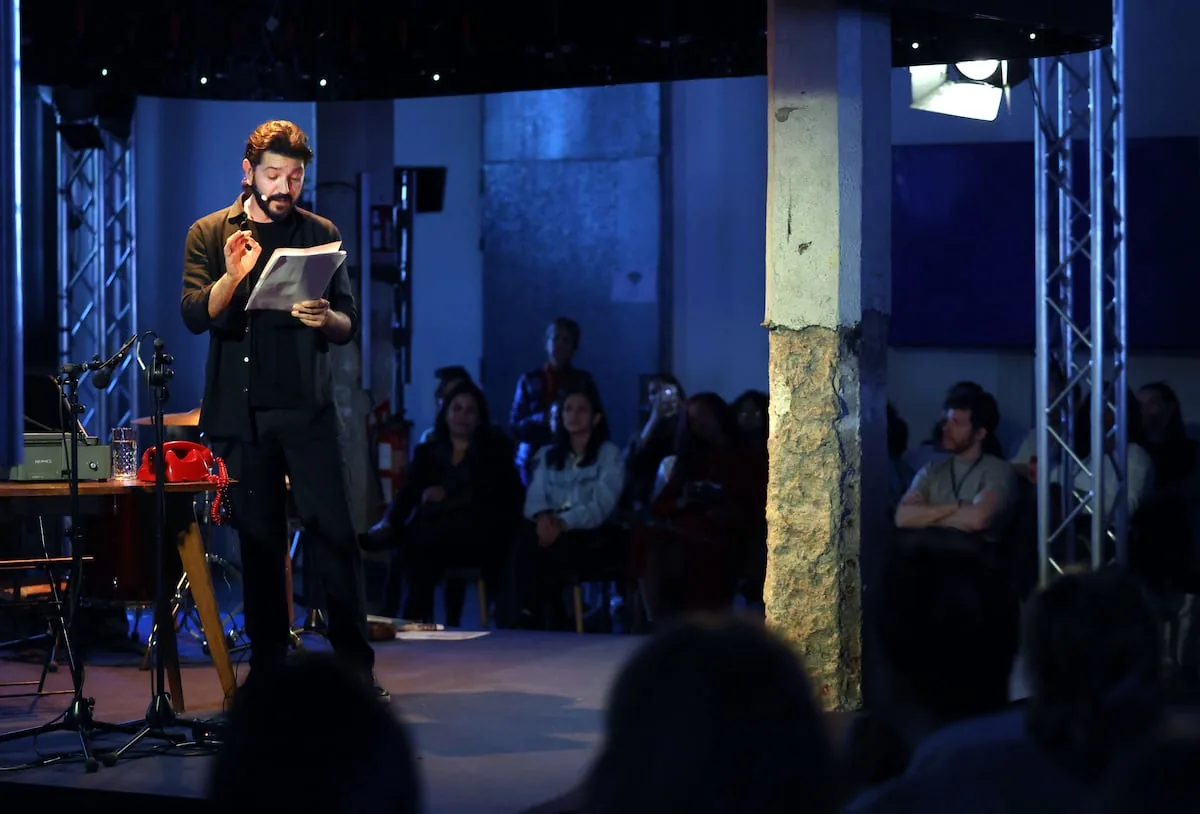
A country seems like a poem if narrated by Diego Luna. Then the harshest realities: its people, its dead, its natural disasters, or the authoritarianism of its leaders become a literary and artistic piece capable of merging the best of Mexico’s great troubadours: Monsiváis, Bolaños, Estrada, Poniatowska, Blanche Petrich…
Read more Four people, including two minors, drown on a beach in Valencia
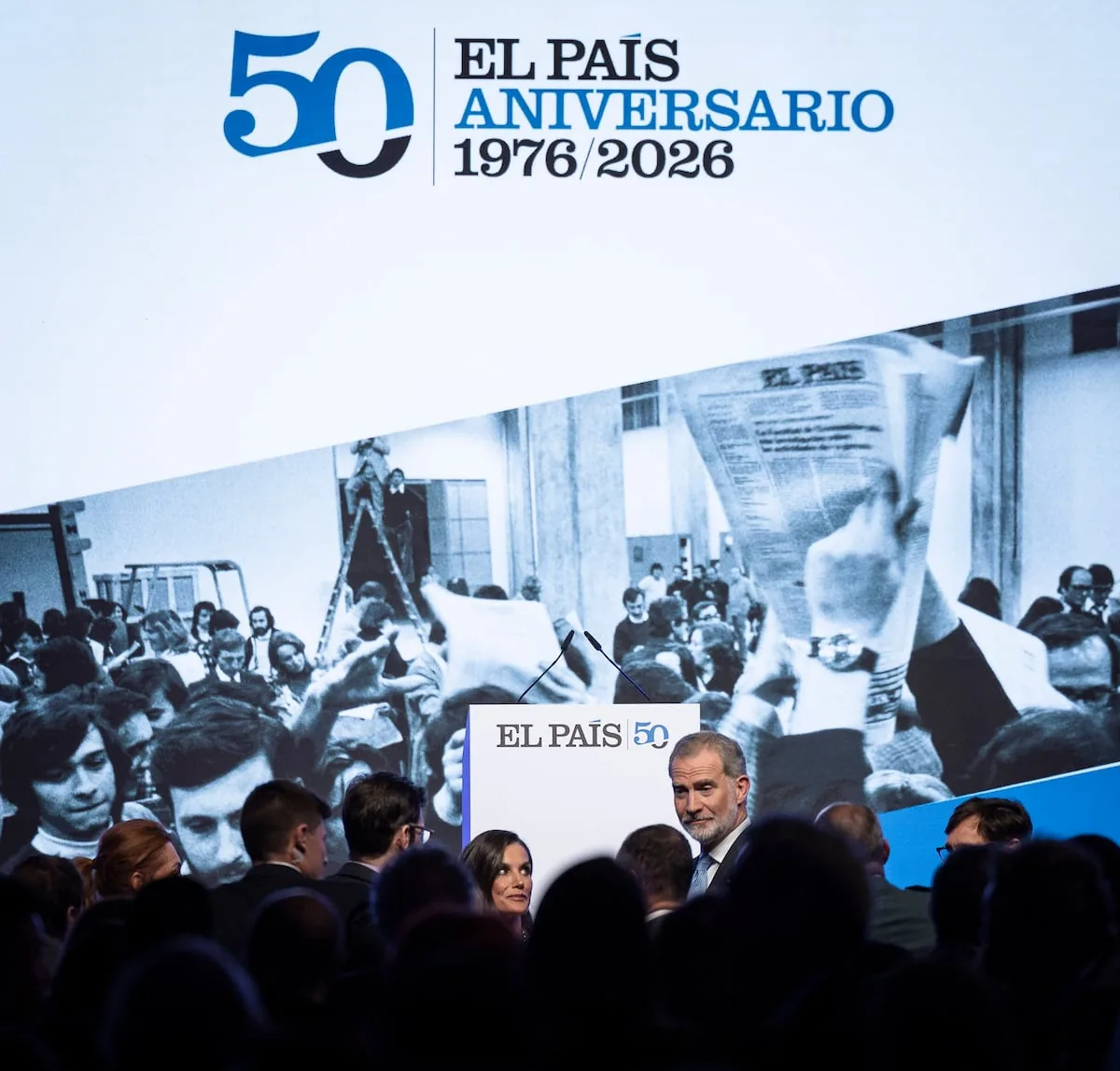
The Mexican actor paid tribute to the newspaper he grew up with at the EL PAÍS Festival, describing it as a life companion with which he matured and which today has leading Latin American editions such as EL PAÍS América and EL PAÍS México. From his childhood in his home in Tepoztlán, where the Sunday magazines published in Spain arrived in dribs and drabs, to the present with an editorial team of about fifty journalists in Mexico City, Luna summarized his life, the newspaper’s, and Mexico’s with a phrase worthy only of good movies, good books, and good conversations: “EL PAÍS helped me focus on what I found hard to see.”
To explain all this, Luna chose a year: 1994, “the year when everything happened.”
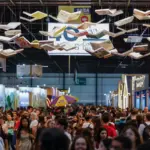
During the event at Matadero Madrid where he mixed audios, projections, headlines, and the percussion of Darío Bernal, the actor went through the most intense year of modern Mexico through texts published in EL PAÍS.
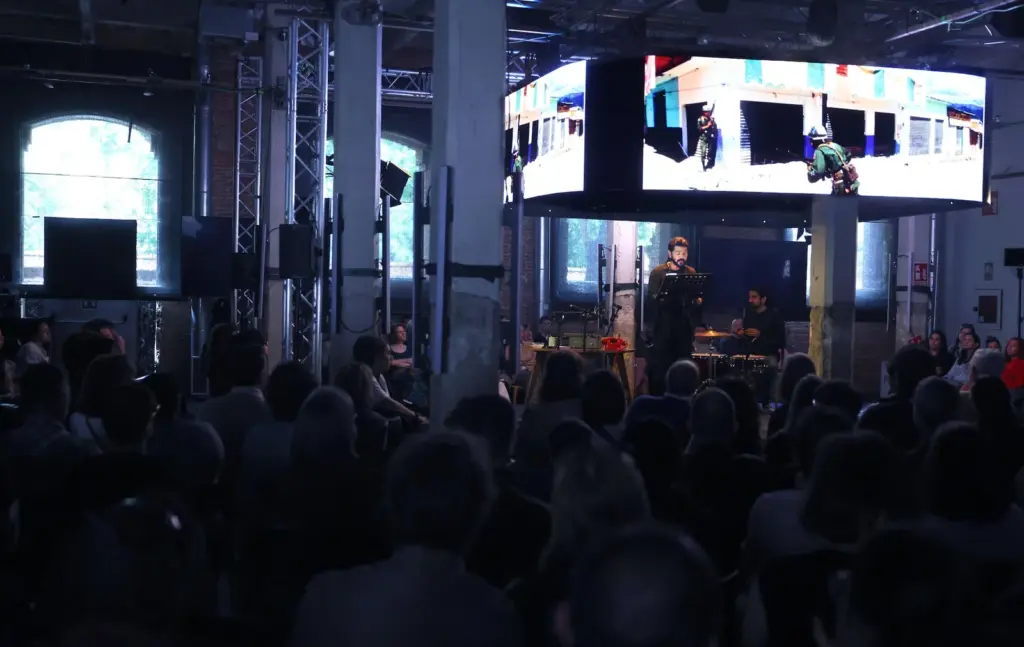
Evoking the first Mexican corridos that arose from the need to tell from town to town the victories of the revolutionaries who could not read, Luna covered the Zapatista uprising, the assassination of Luis Donaldo Colosio, the peso devaluation, or the electoral fraud of an omnipresent PRI clinging to power in the fourth country with the most billionaires in the world. It was, according to writer José Agustín, an “institutionalized monarchy” in which we all matured, the actor summarized. Luna did not go through front pages and headlines before the audience because for Mexicans “none of this is news but scenes of a life in which we all knew where we were in each of them,” said an audience moved by the headlines and the actor’s voice linking events.
It is an essential year to tell the following decades, “which were not easy either.”
Read more Germany embarks on rearmament with doubts due to ghosts of the past
All that journey through life and the archives has allowed Luna to reach a conclusion: “The crises now are the same as always, but with a different face,” he said to describe a reality that has not stopped filling newspapers and producing news.
The struggle with death
In that review from 1994 to the present, he drew parallels between Colosio’s assassination and the right-wing drift that arrived with renewed forces in the American continent. All of them now face a new and powerful enemy, the murders of journalists and the authoritarian wave of the right, against which Luna raised his voice. In addition to the usual economic pressures in the press world and the challenges added by Artificial Intelligence or the proliferation of hoaxes or disinformation, in Mexico, the actor added, the press fights with death as a newsroom companion. “Freedom of the press is indispensable for democracy to exist, thanks to the spaces that protect those voices,” he concluded.
It is hard to find a more authoritative name than Diego Luna to tell how a newspaper grows up. Known worldwide for his role in Andor, in Star Wars, his career has grown linked to commitment to his country. With his film and podcast production company, La Corriente del Golfo, he has highlighted and given voice to activists committed to denouncing violence, disappearances, or climate change. The documentary film festival he created with his friend Gael García Bernal, Ambulante, is also a regional benchmark.
To finish, normality arrived. After that intense year of 1994, EL PAÍS stayed in Diego Luna’s life as all newspapers should when the world is not burning. “It has always been dedicated to finding me the books I should read, the thinkers to follow, or the places I should go on vacation. I still try to get Boyero to quote me in his reviews.”