








When magistrate Raquel Rodríguez arrived at her new post on February 9, she found a practically empty room. A clerk was waiting for her, sitting in front of a row of four desks. She didn’t even have a computer in her office. This is how the new court for violence against children and adolescents in Madrid was born. A newly created court that started out already with a backlog of cases. Up to July 16, it has received exactly 3,751 cases. Rodríguez returns home every afternoon with a suitcase full of papers. “You don’t dare to park or delay things,” the judge admits. She knows that postponing a decision can have fatal consequences in a minor’s life.
Read more When internet knowledge is no longer enough: AI sets its sights on second-hand bookstores
This court was created on January 1 as part of the new Procedural Efficiency Law, which provides for the creation of these specialized sections, just as specific courts for gender violence were established two decades ago. For now, it exists in Barcelona, Málaga, and Madrid, in addition to the pioneering one that has been operating for five years in Las Palmas. Rodríguez applied for the position as soon as it was created, excited to launch a new project. “When you make a decision and see that it has a direct influence on someone’s life, it’s a high,” she says.
EL PAÍS spends a day accompanying the magistrate to understand how to manage such a volume of cases. For comparison, gender violence courts have processed just over 1,300, and investigative courts, 2,100. Of the more than 3,700 cases that have entered her court, the childhood team has processed more than 2,000. Some are filed the same day and others are referred to social intervention. “Even so, the influx of cases remains brutal,” the judge indicates. She is already starting to schedule statements for January next year. Rodríguez points out that the alert system in schools, neighborhoods, and family environments is very well-oiled when it comes to reports of assaults on minors, but when these reach the judicial system, they encounter an overwhelmed body.
When the magistrate returns to her office at ten, she has already held the first quick trial of the day. On the table, four piles of case folders await resolution before the end of the day; this is called “the docket.” She arrives at the office at eight-thirty and leaves after four. What she doesn’t finish, she takes home in a suitcase and several stacked bags. Her living room stores several towers of folders every weekend.
A clerk enters her office asking her to urgently review a file.
The magistrate takes a look and gives immediate instructions.
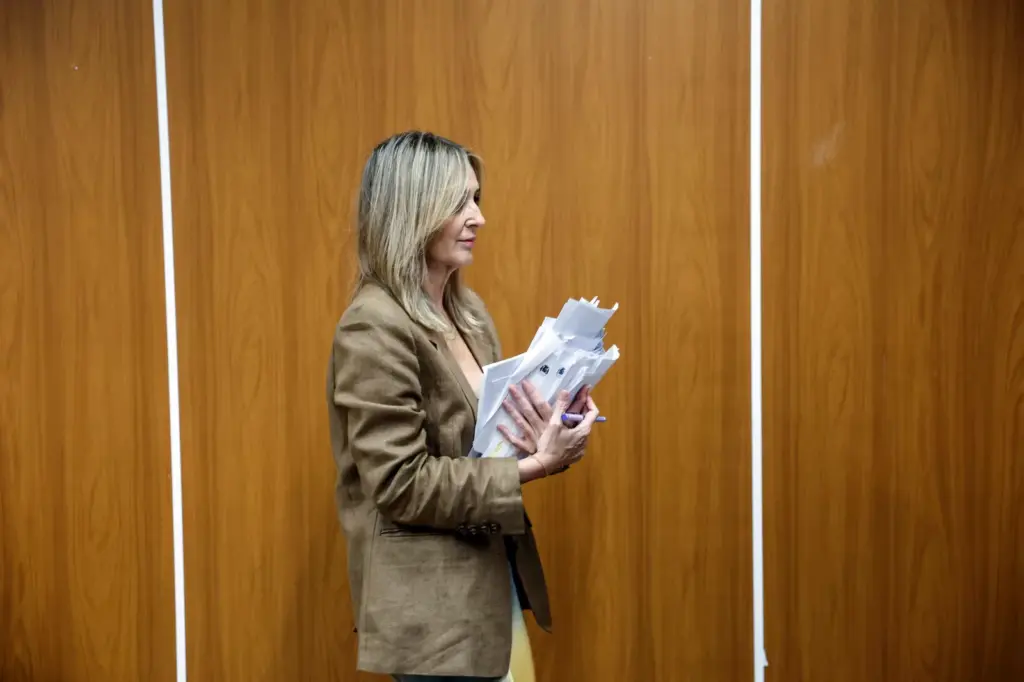
Then, she reviews the cheat sheet she writes every day on a sheet of paper. This Thursday, with a purple pen. Two statements in the Gesell chamber, two detainees, three witness statements, an inquiry, a hearing for a request for protective measures from a father regarding his child.
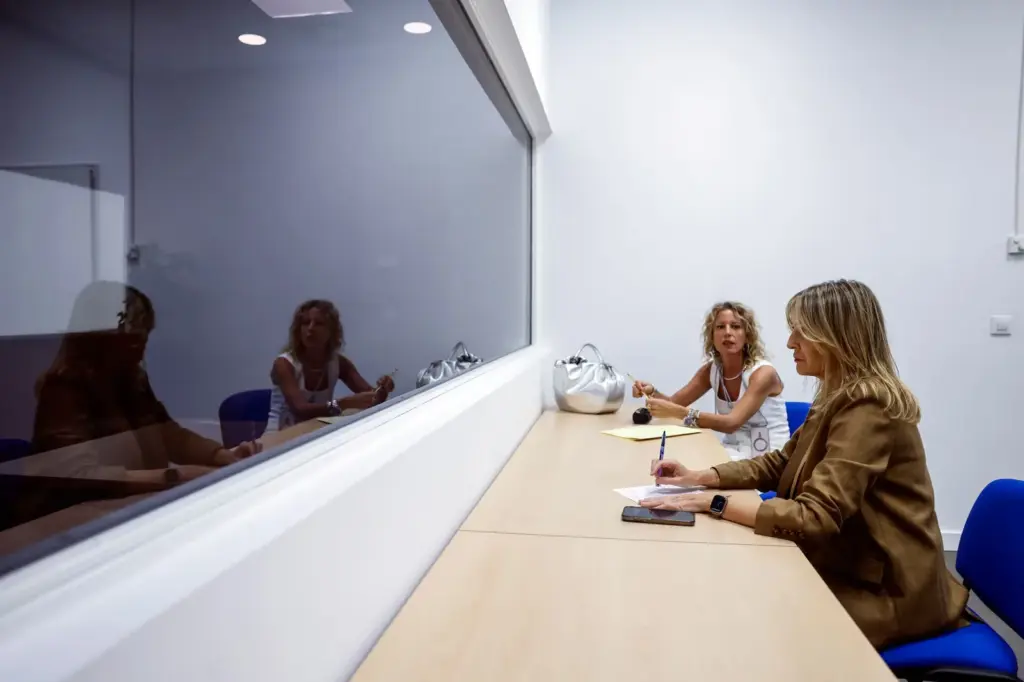
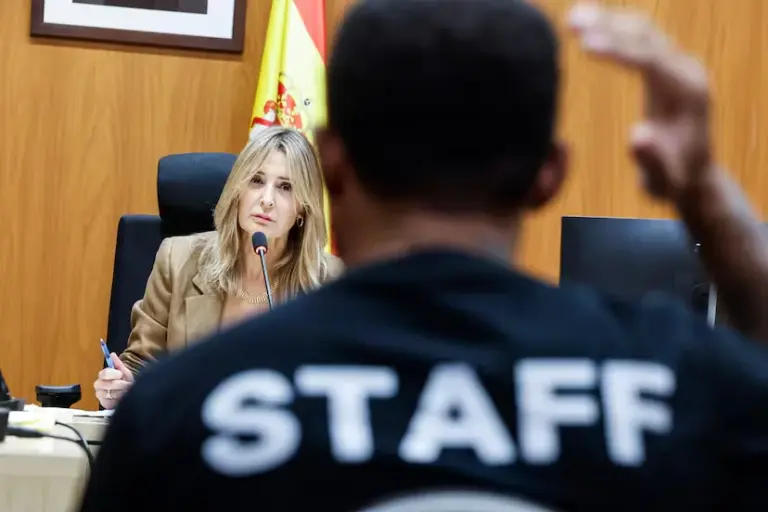
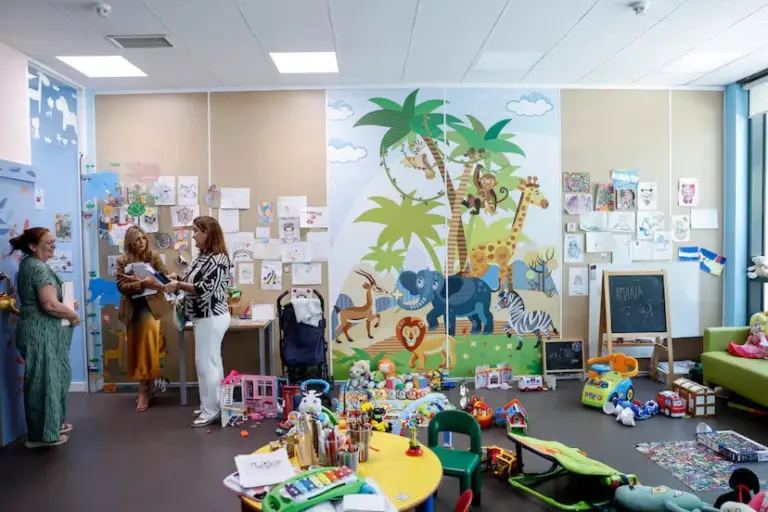
She has to hurry, a 13-year-old girl is waiting to testify in the Gesell chamber about family abuse. By law, minors cannot be questioned like adults. It must be done in a special room where the victim is alone with a psychologist, while the judge, prosecutor, and lawyers observe from outside.
At 10:38, the little girl’s statement begins. This time it goes quickly and, 20 minutes later, they can hear the mother as a witness. Once that file is closed, the next one opens. At 11:07, the magistrate has before her a mother requesting protective measures for her son regarding the father. Until 12:26, she listens to the complainant, the parent, and the lawyers. “It will be resolved during the morning, you may leave,” the hearing concludes. In reality, it will be resolved in the afternoon. Because only when she has checked off all the tasks on that sheet she carries will it be time to sit at her desk to draft rulings.
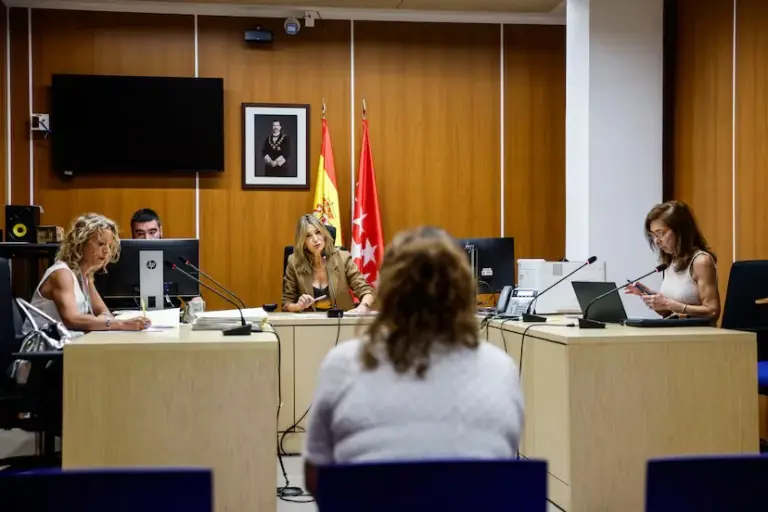
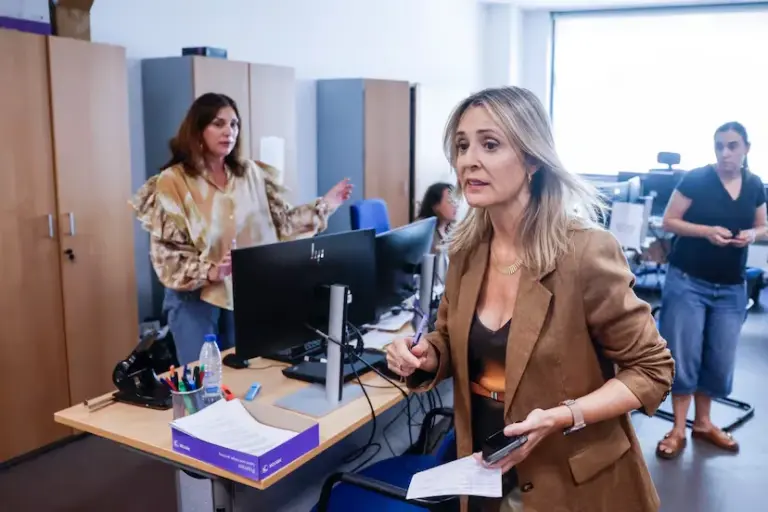
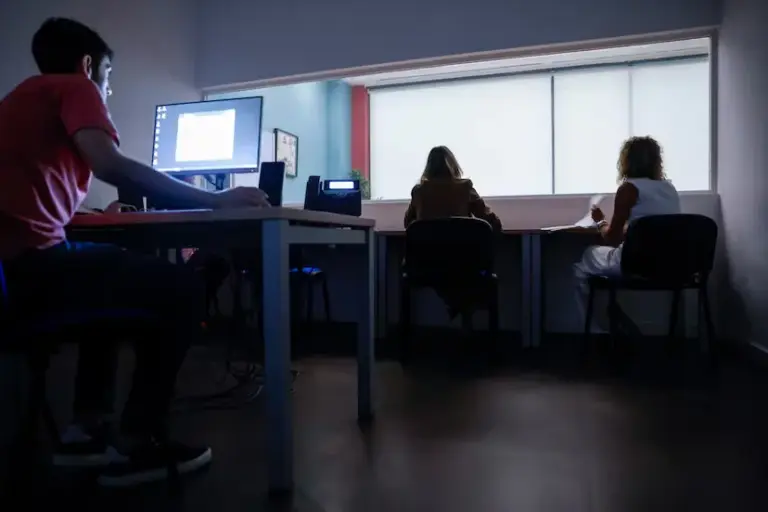

This court, which doesn’t even have an identification plaque on its door, has one magistrate, four prosecutors, and about ten clerks. For those who work there, the allocation of resources and personnel is insufficient considering the volume of cases. “Who would have thought that a court starting from scratch would do so badly, with a backlog?” says Beatriz Sánchez, the area prosecutor. Until a week ago, for example, they couldn’t hold quick trials.
The childhood and adolescence section does not have its own forensic doctor, something that exists in all courts and serves as support for the judge when analyzing injuries, sequelae, or pathologies. It also lacks a Justice Administration lawyer, the figure who organizes the day-to-day of the judicial office. Rodríguez points out that the work gets done thanks to the commitment of all workers, but they cannot continue much longer with workdays far beyond their schedule.
The provision of material resources depends on the Community of Madrid, while the creation of judge positions and the appointment of a Justice Administration lawyer is done by the Government of Spain. The Ministry of Justice has just approved the incorporation of 20 clerks, who are expected to start working in September. The Ministry approved in July the creation of a second judicial position for this post but has rejected reinforcement for August. This is another chapter in the confrontation between administrations, which accuse each other of lack of planning.
The pace in this section is frantic, but this cannot be transferred to decision-making. The magistrate must decide on the deepest aspects of citizens’ lives. In this case, whether to remove a child from their father. If she makes a mistake, she can create a problem even greater than the one that already exists. What if the mother’s suspicions are true and she allows the child to continue seeing an abuser? What if they are unfounded and she breaks the bond between a parent and their child? This is just one of the resolutions she must make every working day.
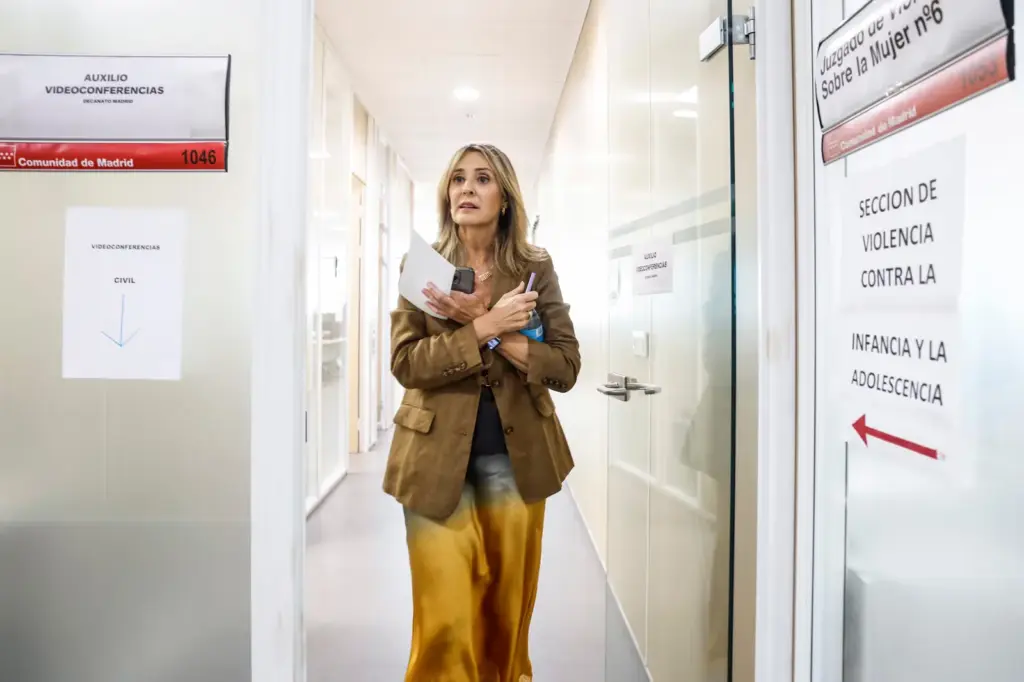
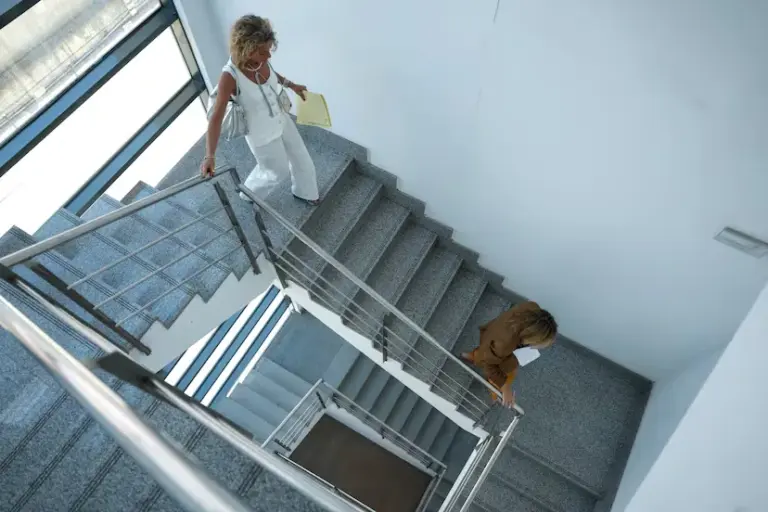
The magistrate moves skillfully through the “drywall maze,” the architectural solution to the adaptations the building has undergone. For the second statement in the Gesell chamber, she has to wait. The defense lawyer hasn’t come. “Since everything is new, the lawyers don’t know they have to be present; every day we have to call and wait for them to come,” Rodríguez points out.
There is no time to lose. While waiting for the lawyer, the magistrate receives a man under investigation who refuses to testify. Next, she listens to a girl who has reported her uncle. “Are you better than a few months ago?” the magistrate asks before saying goodbye.
It is already 12:57, another case opens: the abduction of minors by a mother. The lawyers inform her that they have reached an agreement because the woman appeared yesterday with the children. At 13:09, she hears a witness who witnessed an assault on a minor. At 13:23, she listens to another woman who saw some girls confront a man who had touched them on the subway. When she finishes, a clerk enters the room to announce that the Gesell chamber is ready and that the teenager is very nervous.
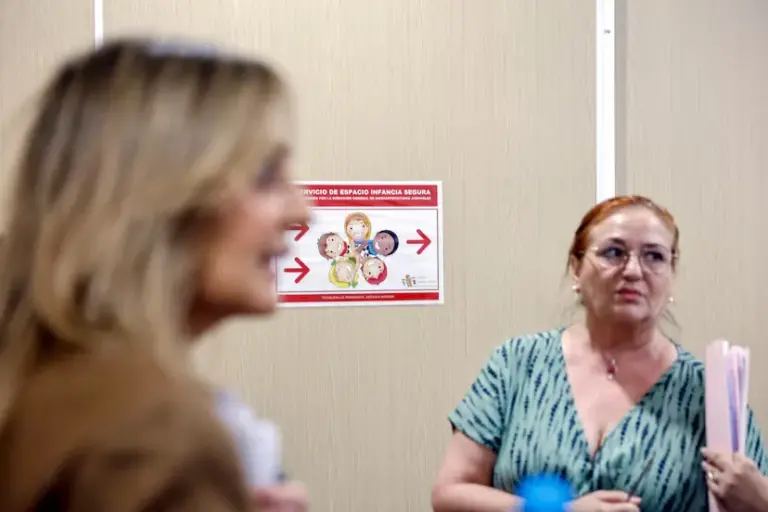
Carmen de la Sierra and Dolores García are, respectively, the psychologist and social worker of the court. “The issues we address are very delicate and we need many sources to prepare a report. It’s not enough to rely on what the health center says, for example, we also have to consult the school, the therapist if they attend, the family…” says De la Sierra. “Just one interview with a parent can take three hours,” García adds. Often, decisions in this court go beyond guilty or innocent and involve a minor entering the system and being monitored by municipal police tutor agents.
Raquel Rodríguez’s workday ends with the statement of a final witness and the judicial presentation of the two detainees of the day: a man accused of hitting his son and an exhibitionist. At three, she goes into her office and begins her drafting work. Until the tower of folders for the next day.