








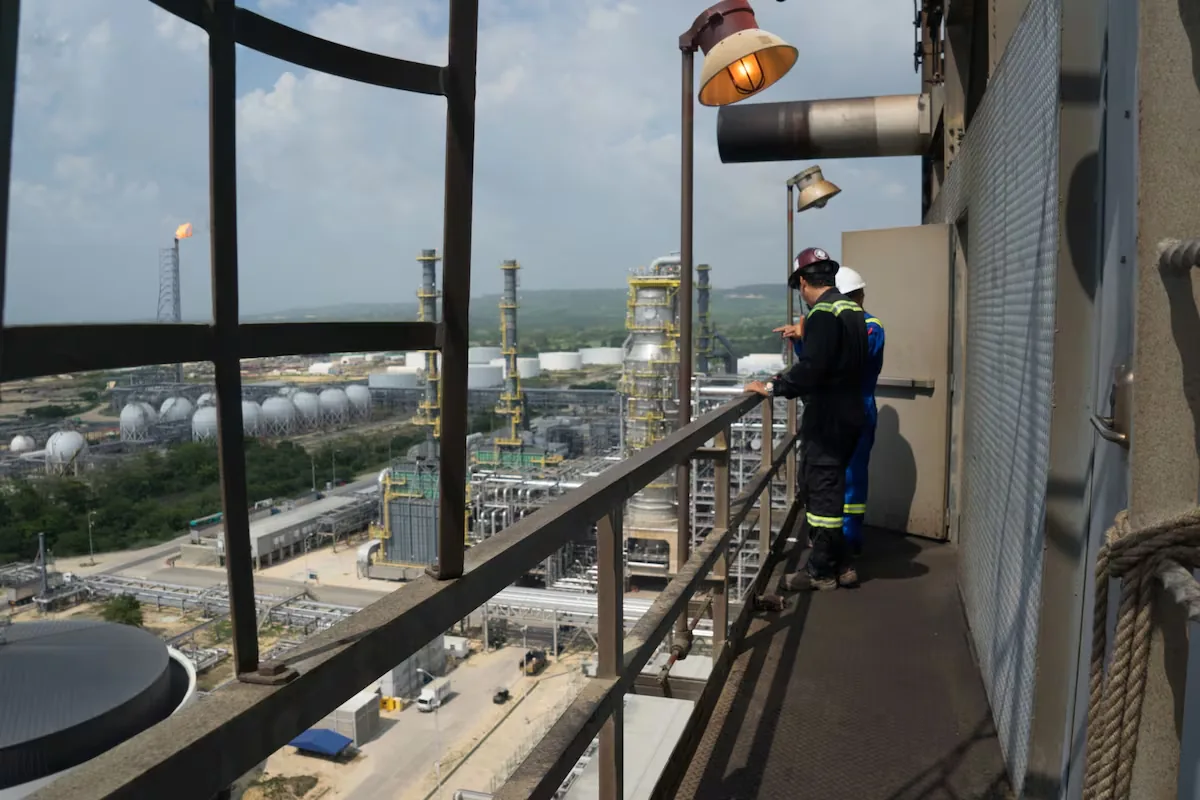
Ricardo Roa, president of the state-owned Ecopetrol and former manager of Gustavo Petro’s presidential campaign, returns on Monday from a four-month leave of absence imposed by the board of directors of Colombia’s largest company due to the legal scandals pursuing him. But not as he wanted: he will be at the helm of the oil company for only three more days. The company confirmed that the engineer will rejoin on July 27 and definitively hand over the position on the 30th. This Thursday, the board only opened the door for him to sign off on his balance sheet and process his departure, as part of an internal shake-up that is just beginning and opens the door for the implementation of the directives that the new head of state, Abelardo de la Espriella, will define after his inauguration on August 7. This same Friday, the president-elect announced the arrival of engineer Jorge Mario Velásquez, former president of Grupo Argos, as a member of the Board.
In fact, at the same meeting on Thursday, the board also changed leadership. Ángela María Robledo and Tatiana Roa Avendaño, appointed by the outgoing Petro Executive, resigned from their positions for personal reasons, effective July 31. This change adds to the departure of Juan Gonzalo Castaño, two months ago. Robledo chaired the body and in her place is Luis Felipe Henao Cardona, former Minister of Housing under Juan Manuel Santos and an opponent of Petro. According to El Tiempo, the representative of private pension funds on the board arrives with the backing of the president-elect and serves as a bridge to accelerate the transition of control of the oil company to the new Government. Along with Ricardo Rodríguez Yee, representative of the departments, Henao had formally recorded the legal and reputational risk of keeping Roa in office.
With these resignations, only two members close to the outgoing government remain, out of nine positions: Hildebrando Vélez and Antonio José Merlano. As the State owns 88.5% of the company’s shares, these are positions that depend on the decisions made by the Executive, and which require a shareholders’ meeting to implement. Thus, a change is certain, and the questions are the names of the new members and the deadline for making the adjustment.
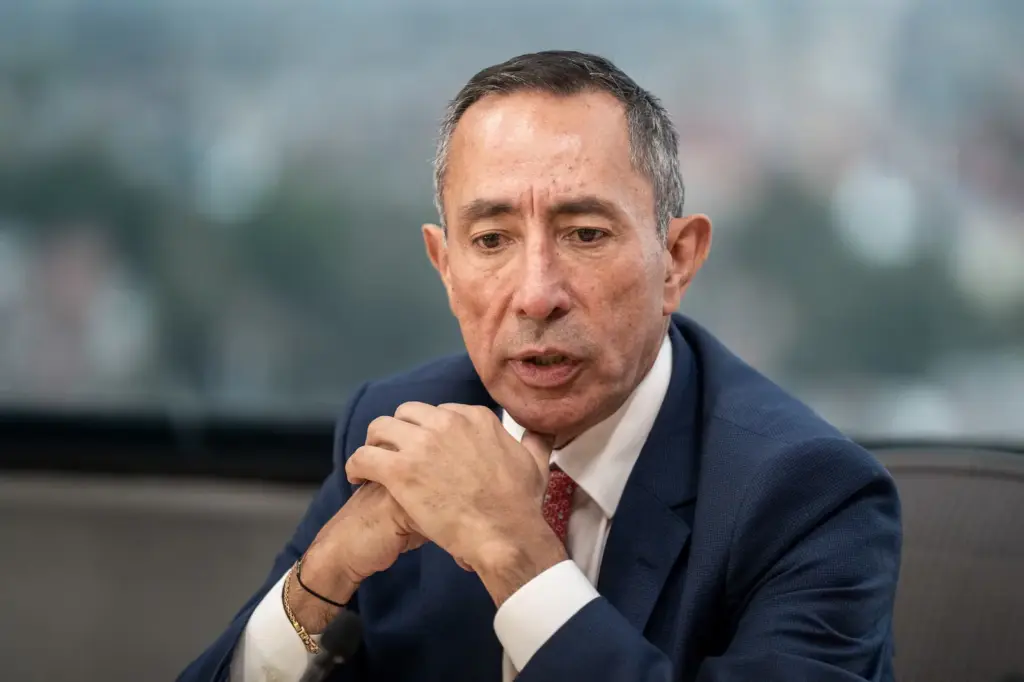
The change, which usually occurs with each new president, this time has more explosive ingredients. Roa faces a formal accusation from the Prosecutor’s Office for influence peddling, filed in June, linked to the purchase of an apartment in Bogotá and alleged pressure to award the Chuchupa-Ballena regasification project to a contractor linked to the seller. The accusation hearing was set for August 20. He is also surrounded by an alleged excess of money in Petro’s 2022 campaign. For those dates, according to sources cited by Portafolio, the incoming government plans to convene an extraordinary shareholders’ meeting to appoint a permanent president and renew the board of directors. The president-elect, José Manuel Restrepo, announced that this will be one of the first administrative moves of the new Government.
For energy expert Mauricio Téllez, Thursday’s decisions are the beginning of a strategic shift. “In practice, Ricardo Roa’s administration ended yesterday,” he states, basing this on two movements: the changes on the board and the departure of Roa’s two most trusted officials. These are Bayron Triana, Vice President of Energies for Transition, and Victoria Sepúlveda, Vice President of Organizational Talent.
Read more Trump threatens Europe with new tariffs after the EU fine to Google
For Téllez, this is just the beginning. The assembly to change the board members representing the State, a permanent president, and a broader adjustment in the management team are coming. This replacement, he says, will be accompanied by a strategic shift: more production and reserves —especially of gas—, a boost to unconventional deposits and Caribbean discoveries, and less debt, to recover investment capacity. “All of this will be accompanied by a forensic audit of the corruption complaints made in recent years,” he concludes.
The shares of Colombia’s largest company have advanced 0.2% on the Colombian Stock Exchange in the last month, while the quotation on Wall Street has rebounded 12.3% in the same period. The difference in the rise is explained, according to sector experts, by the strong appreciation of the peso against the dollar. The company will present its second-quarter results on August 3, and a positive trend is expected due to oil prices, which have remained high during the military escalation in the Persian Gulf.
Natalia Name, partner at NNR Estudio Legal, believes that the Board must look back before looking forward: “With the independent opponents of the previous government in charge,” she says, “the first item on the agenda should be to audit the decisions of recent years in exploration, exploitation, and energy transition.” Name also warns that the financial statements have been hit by the fall of the dollar, beyond debt management, and recalls that profits have been falling for several years —a blow that, due to Ecopetrol’s historical weight in the country’s exports, is not only corporate but also felt in the trade balance—. The new president inherits a company with interim vice presidencies, a partially renewed Board, a forensic audit ahead, and, for the first time in months, figures that favor Colombia’s main company.