








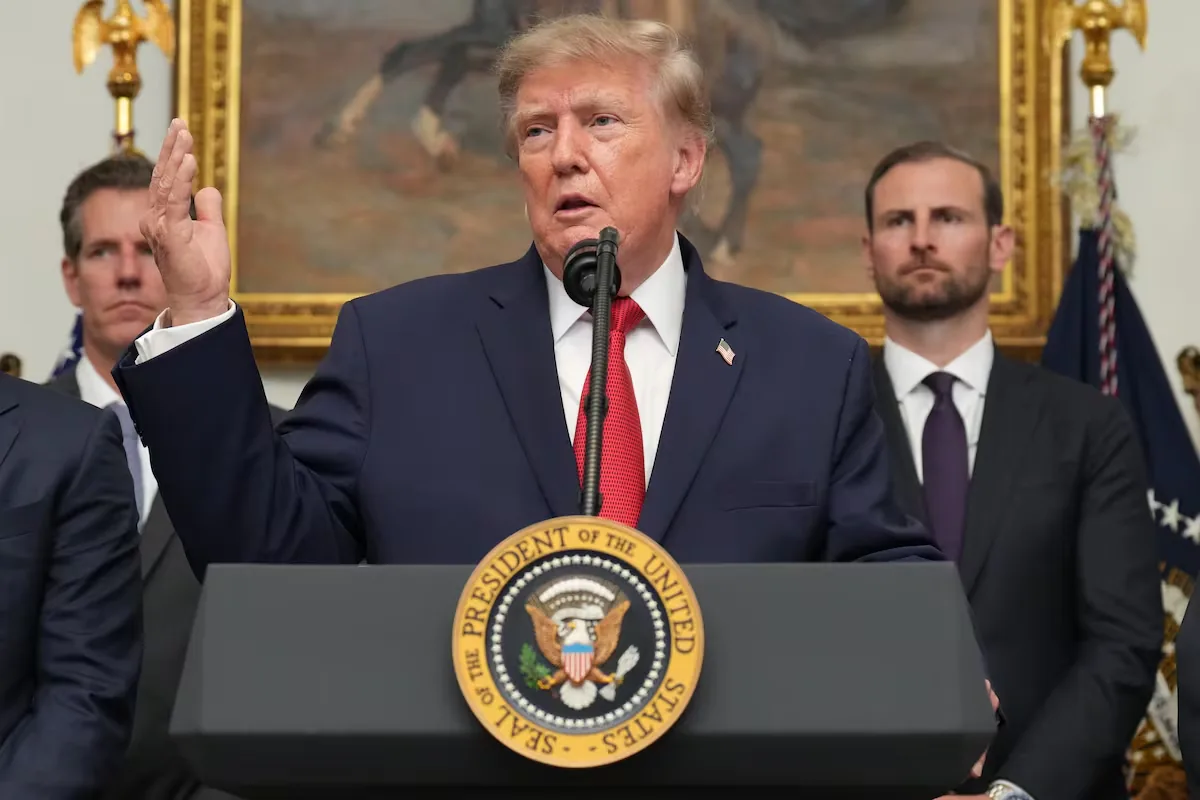
Donald Trump traveled on August 15 to his ostentatious golf club in Bedminster, New Jersey, to be photographed amid two tables full of meat, milk, cereals, and other basic foods. He wanted to send a message to warn about inflation problems. The image taken exactly two years ago, in the midst of the 2024 election campaign, exposes all the contradictions of the current U.S. president, exacerbated by the conflict in the Middle East.
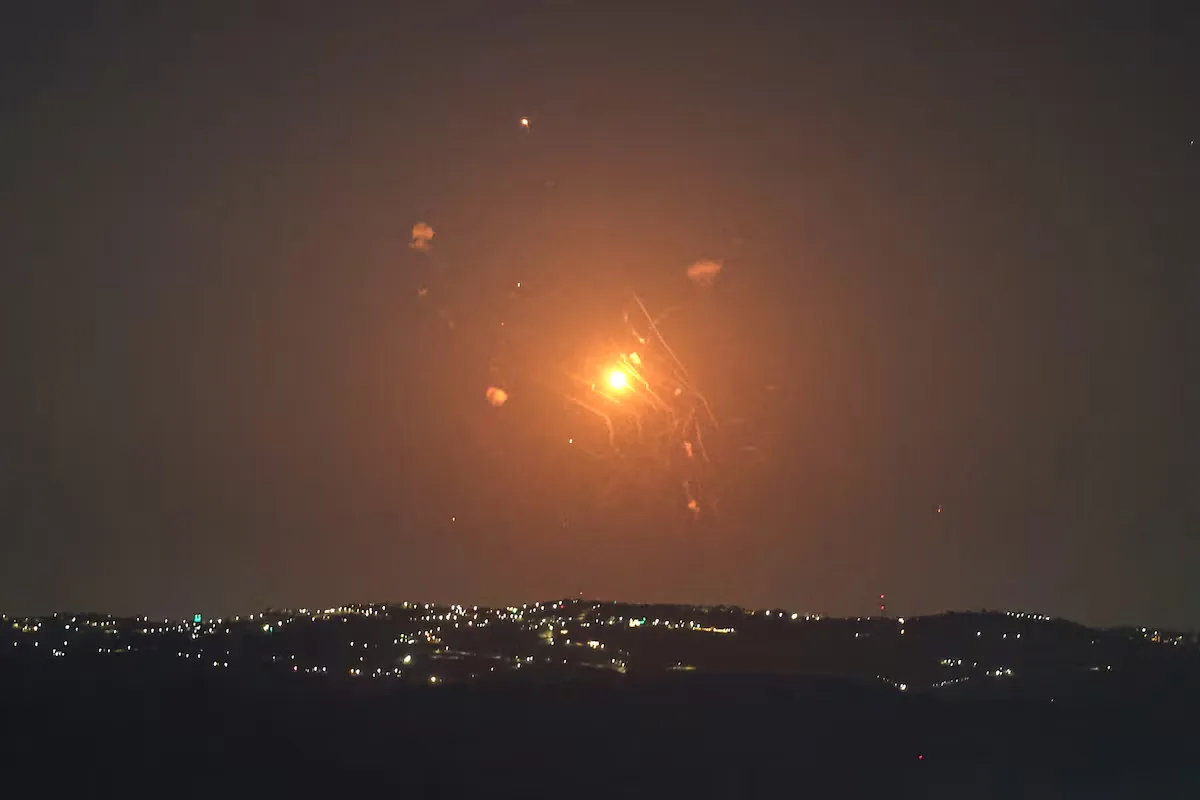
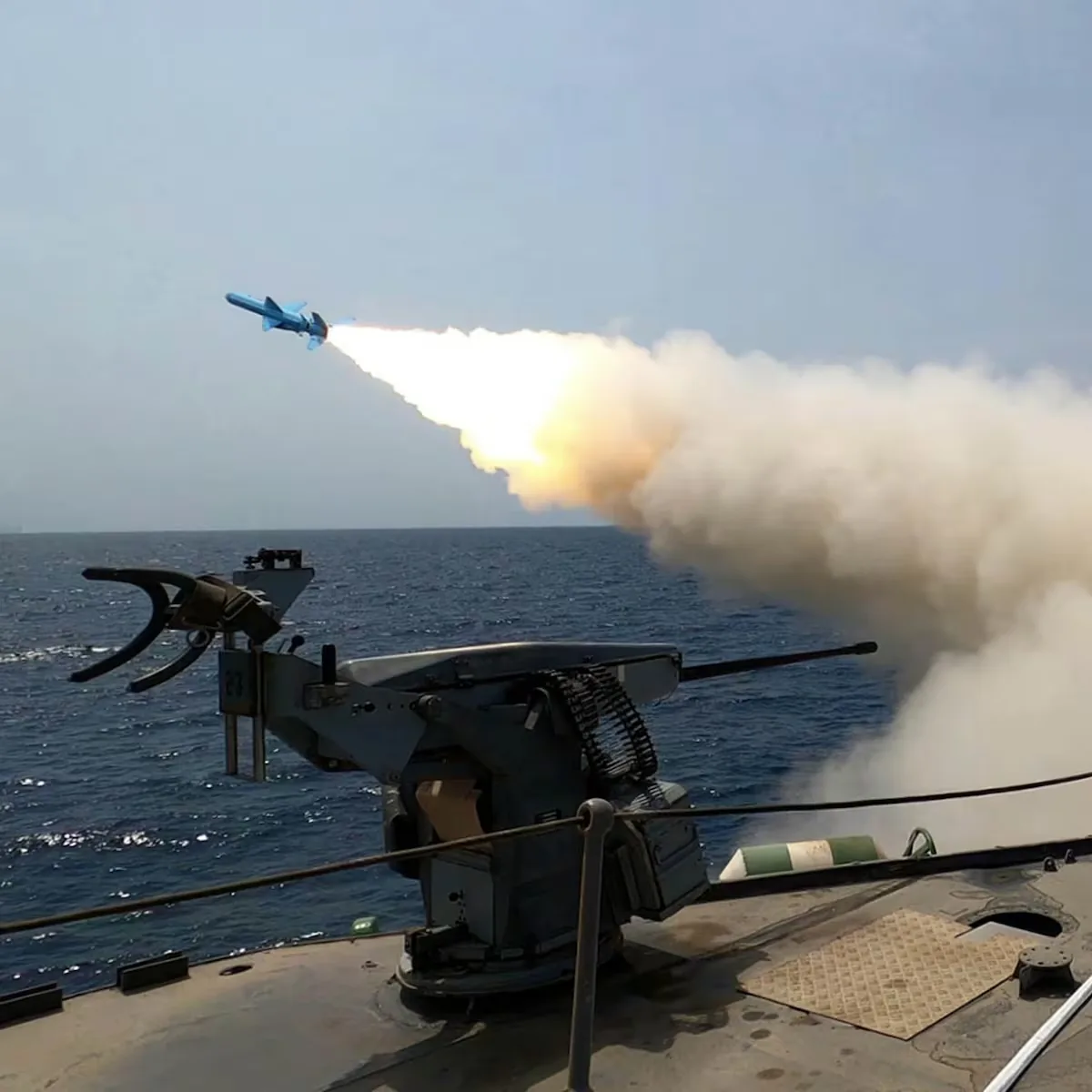
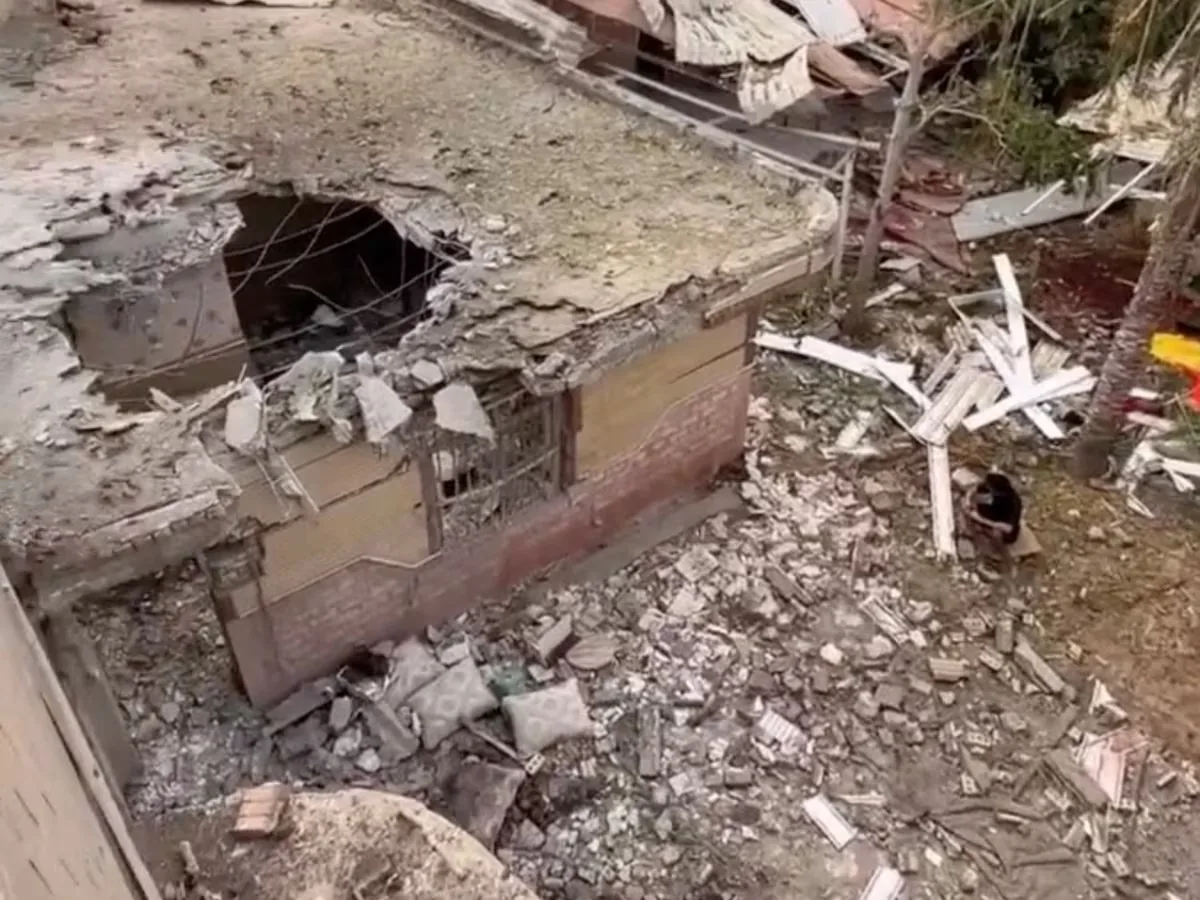
Trump returned to the White House thanks to voters’ discontent with the accumulated price increases during Democrat Joe Biden’s time. But six months ago, the Republican leader embarked on a war against Iran, with a much more complex outcome than initially expected.
The occupant of the Oval Office calculated that the conflict in the Middle East would last four or five weeks, but it is about to reach six months with no immediate solution in sight. The war has destabilized the economic landscape: it has fueled inflation, skyrocketed debt, and cooled growth in the United States. Trump’s term darkens as the months pass, without a solution to the Persian Gulf deadlock.
The economic toll of the war is worrying. Public debt surpassed the psychological barrier of 40 trillion dollars (34.3 trillion euros) on Thursday, a new historic high that has led analysts to raise alarms. “It is shocking that we have doubled federal debt in less than 10 years and that we must change course,” emphasized Michael A. Peterson, CEO of the Peterson Foundation, which analyzes U.S. fiscal challenges. “We are adding debt faster than ever.”
Behind this rapid increase are several explanations, but among them stands out the rise in expenses due to the war against Iran. Defense Secretary Pete Hegseth revealed to Congress that the conflict’s cost amounted to 37.5 billion dollars. “Other estimates, which consider a broader range of costs and higher ammunition consumption, suggest that the cost of Operation Epic Fury could have exceeded 100 billion dollars,” according to the Center for Strategic and International Studies (CSIS).
The calculations include deployment of military personnel, ammunition, fuel, and security, among others. The extension of the war has led the Trump Administration to request more funding from Congress. Hegseth asked Capitol Hill for a 114 billion dollar budget increase for his department next year, aiming to replenish critical ammunition reserves. The allocation would quintuple.
The Congressional Budget Office estimates that the public deficit will exceed two trillion dollars by the end of this year, pushing public debt above 100% of GDP, its highest level since the end of World War II.
Mistrust is growing among Treasury bond investors, who increasingly demand higher yields. The 30-year debt interest reached 5.3% this week, the highest level since 2007, just before the Great Recession symbolized by Lehman Brothers’ collapse. This increase affects the state’s financing cost and influences the interest rates families pay on their mortgages, car loans, or debts incurred to pay for their children’s education.
Instability in public debt markets led the White House to act this week. Treasury Secretary Scott Bessent announced on Wednesday that he would double the volume of long-term bond buybacks to inject liquidity into the markets. Although some analysts say that all this has done is buy time until after the midterm elections held in three months, since the debt problem requires deeper decisions.
Read more At least 100 dead after a gold mine collapses in the Central African Republic
An expensive war also for Europe
The war is not only costly for the United States. European top officials, starting with Commission President Ursula von der Leyen, have reminded almost since the conflict began that it costs the EU around 500 million euros a day.
The closure of Hormuz has caused a notable escalation in energy prices that have again pushed inflation up, which in the eurozone rose to 2.9% in July, as Eurostat has just confirmed, reports Silvia Ayuso. Most member states have adopted more than 210 emergency measures involving mobilizing nearly 16 billion euros in additional public spending, adding to the 46 billion euro bill for higher fossil fuel import prices.
Brussels has so far avoided commenting on Trump’s latest threat—yet another—against Iran. “We are not going to speculate,” a community spokesperson concluded, while reiterating the European bloc’s position this Thursday: the EU calls for “moderation” from “all parties” and for reopening diplomatic channels to seek a way out. “Only diplomacy can provide a sustainable solution to all outstanding issues,” emphasized the spokesperson, highlighting the “mediation efforts” of partners in the region.
Trump’s announcement to try to strangle Tehran, although still to be specified, is not insignificant. The International Monetary Fund stated a few weeks ago that the escalation of the war in the Middle East will harm global growth and worsen the inflation crisis. The U.S. economy cooled to 0.4% in the second quarter, a tenth less than in the previous three months. And analysts are lowering year-end forecasts, despite activity being boosted by the rise of artificial intelligence and the construction of data centers, which are stimulating the economy.
The U.S. oil sector is one of the most favored by the Middle East conflict, producing and exporting more than ever, but the domestic economy suffers. The blockade of the Strait of Hormuz has raised fuel prices and fueled inflation.
The gallon of gasoline in the United States has long been above four dollars, a level considered harmful to the economy because it affects families’ wallets in a vast country where long distances are usually traveled daily. Americans have paid more than 80 billion dollars extra for gasoline and diesel since the bombings on Tehran began, according to calculations by the Center for American Progress (CAP). That is, more than 500 extra dollars per household.
Energy prices have again fueled inflation. When it seemed the Federal Reserve was managing to land it around the 2% target, the blockade of the strategic Persian Gulf passage has pressured prices. The latest data published by the Bureau of Labor Statistics places July inflation at 3.4%, above what Trump denounced two years ago at his Bedminster golf club.
Read more Max Verstappen ends the uncertainty and renews with Red Bull until 2030