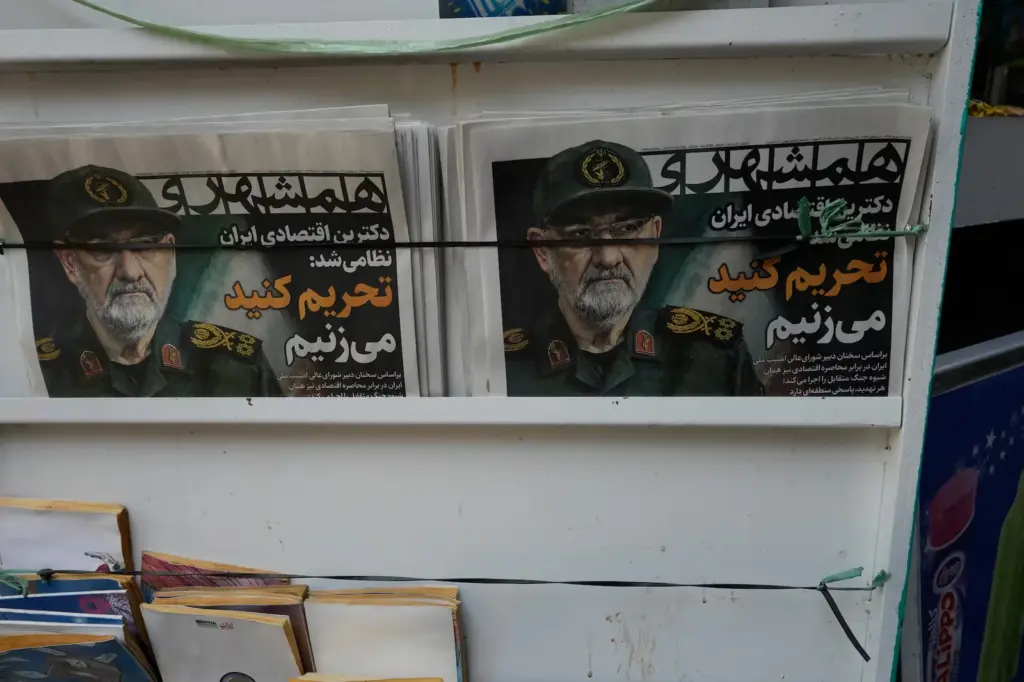
Iranian authorities have been claiming for days that they have changed their military strategy in the war with the United States. According to several senior officials of the Islamic Republic, the Asian country has set aside the defensive doctrine to adopt a new strategy in which “any aggression against Iran’s interests and security will receive a faster, stronger, and more painful response,” warned the Speaker of Parliament and Iranian chief negotiator, Mohammad Bagher Ghalibaf, a few days ago. “The era of proportional responses is over,” Ghalibaf concluded before, this Sunday, the veteran Revolutionary Guard general Mohsen Rezaei confirmed it in an interview on Iranian television.
Rezaei, appointed several weeks ago as the new secretary of the Supreme National Security Council, stated that “as part of the change in military strategy,” his country had carried out approximately 48 hours earlier, “an important warning attack against a U.S. warship.” The general maintained that, after reviewing the events of the past year, Iran has concluded that it must adopt new strategies regarding the war, negotiations with the United States, and the blockade of the Strait of Hormuz.
“In the coming days, we will announce a new no-go zone [for naval transit] that will cover the space between the U.S. blockade line and the loading ports. Any ship that begins to move to either side of the Strait of Hormuz will be added to Iran’s sanctions list,” Rezaei assured, who also warned that in the coming days Iran will announce the creation of an agreed route between the Islamic Republic and the Government of Oman for transit through the strait.
Days ago, Iranian Deputy Foreign Minister Kazem Gharibabadi explained that both countries had agreed on a provisional corridor to allow the passage of commercial ships while negotiating, within a period of 30 to 60 days, a new permanent navigation route through this channel, which carried one-fifth of the world’s crude oil before the outbreak of the conflict. According to what has been learned, the idea is for ships to enter the Persian Gulf via the Iranian route and exit through the Omani one before returning to Iranian waters. “It will be like a two-way highway,” said the deputy minister.
“The U.S. claim that ships and tankers are crossing it is a lie,” Rezaei stated, acknowledging that many ships are trying to cross it using the route closest to the Omani coast while having their navigation systems turned off. “Most of them are attacked. However, for environmental reasons, for now, we have decided not to sink those ships,” the general concluded, reiterating that the strait remains closed.
Escalation in Hormuz
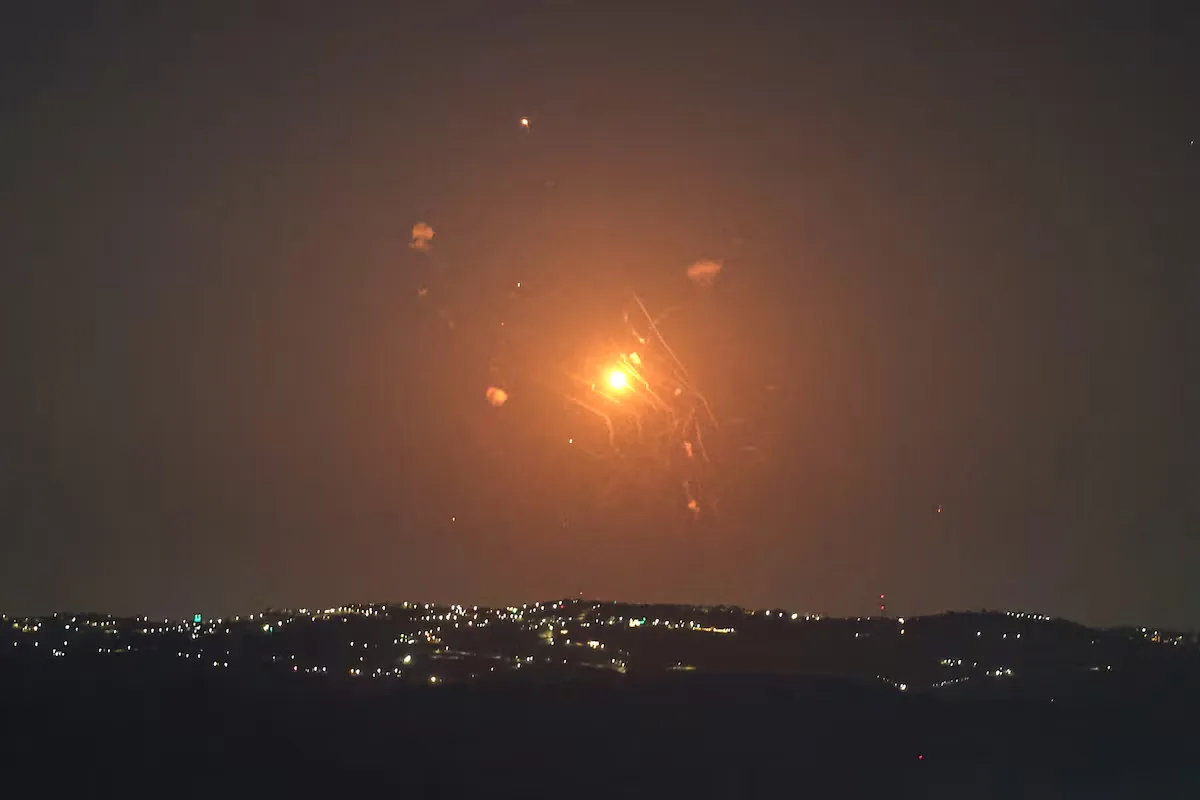
The statements come after a weekend marked by a sharp escalation in the Strait of Hormuz in which Washington claimed that several ballistic missiles were launched against a U.S. aircraft carrier and a guided missile destroyer, which managed to evade them without casualties.
In response, U.S. forces attacked three Iranian tankers: two were put out of service and a third was destroyed in the Gulf of Oman. The Revolutionary Guard responded with more attacks, this time against three tankers that, according to Tehran, were sailing on “unauthorized” routes. The Islamic Republic later warned that any ship attempting to cross the strait via unauthorized routes could be attacked.
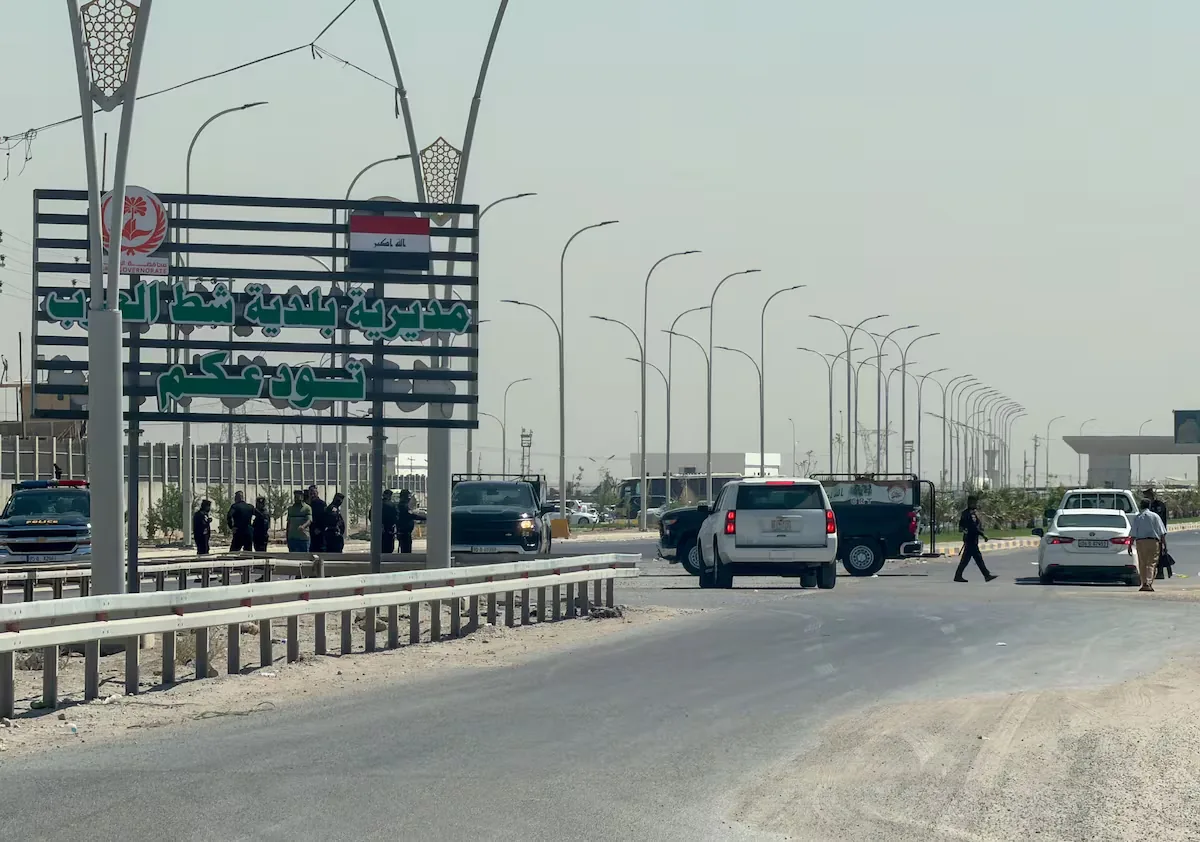
In Iran, it is also pointed out that the recent attacks on U.S. bases in Jordan and Erbil, in the autonomous region of Iraqi Kurdistan, are part of this new military strategy. “If they attack our assets, they will be attacked. We have already demonstrated this capability. Ask their military bases that have been put out of service,” said the Speaker of Parliament. Ghalibaf thus responded to U.S. Secretary of Defense Pete Hegseth, who had previously threatened that the United States would destroy Iranian tankers if Tehran attacked U.S. Navy ships again.
“The U.S. economic war is not only against one country and one nation, but against all world trade and countries,” warned, also this Sunday, the spokesperson for the Ministry of Foreign Affairs, Esmail Baghaei. This spokesperson mentioned South Korea in his statement, which days ago announced it was studying the possibility of contributing to navigation security through the Strait. “Any participation in the aggressive action of the United States amounts to complicity and will make the situation more complex,” Baghaei concluded.