









Cristina Pérez, Innovation Director at Kantar, has spent over 30 years researching the launch of new products. She has witnessed spectacular successes and unexpected failures, and above all, she argues that consumers, then and now, tend to exhibit similar behavior: “I always use the example of Brad Pitt. I am married to my husband and faithful. But, of course, if Brad Pitt appears… that fidelity may not be a commitment under certain stimuli,” she smiles. “You can observe that a consumer has bought the same product nine out of the last ten times they went to the supermarket, but that does not guarantee loyalty. They might buy it because it is accessible in their trusted store. But if one day it disappears, they won’t mind switching to something else.”
Human fickleness is perhaps the only thing that has not changed in the “trial and error” universe of consumer goods. According to Promarca, about 20,000 references are launched annually in Spain. Most are small modifications (a new flavor, a different packaging) of existing products and not real innovations, but almost all go through a verification process that starts with an idea discussed at some management committee table; continues with a concept test; lands in real consumption tests in controlled groups, and, with luck, ends up on supermarket shelves.
“Technology has completely changed product and service testing,” says Débora Santos, co-founder of the Cinco Estrellas Award, a Portuguese measurement system that has started operating in Spain. “Advanced analytics allow us to observe a consumer’s journey in real time. The consumer has become a permanent tester.” Where modest databases were used before, now massive panels are employed. Kantar, for example, manages a database with 1.5 million people willing to participate in brand experiments. These brands, in turn, can conduct tests with their own data obtained through loyalty processes (such as purchase cards or newsletter subscriptions), or through an evolution of traditional sampling, a technique that used to consist of offering a piece of cheese to try in a supermarket and today relies on sending free samples to a segmented and participative audience that provides feedback. Results are now achieved in days, whereas before weeks of work were needed.
Everything is more complicated and easier at the same time, as e-commerce offers an immediate snapshot of sales, but the paths to reach the buyer multiply with social networks, online reviews, or through influencers. “Consumers remain the same, but they have more to choose from, are more demanding, more critical, have many more touchpoints—contact points for products such as an ad, a recommendation on the phone, a Google review, or a photo on Instagram. All this makes the decision process different,” Pérez reviews.
Quantity is not quality
Marketing history teaches that conducting multiple tests before a launch does not mean testing well. Sometimes anxiety or lack of budget leads brands to skip steps. The most common failures can originate, for example, from not adjusting consumer groups to cultural changes in an aging population or where immigration is growing. Mistakes can occur from the start, by choosing a wrong idea; or at the end, due to executives’ overconfidence in a particular innovation. And the result can be disastrous. One of the worst presentations in history was surely the one led by American magnate Elon Musk and Tesla’s chief designer, Franz von Holzhausen, during the November 2019 launch of the Cybertruck, a vehicle that looks like a hybrid between a combat vehicle and an extraterrestrial spaceship. The electric truck’s windows shattered into a thousand pieces when Holzhausen threw two steel balls at them to prove—before hundreds of guests anxiously recording with their phones—that the armored glass was “unbreakable.” Subsequently, Tesla’s shares plummeted.
Failures are inherent to innovation and business progress, but few have the courage to admit it. Ikea has been one of the few to want to share one of its blunders for this report. Manuel Delgado, Marketing Manager of the Swedish giant, explains that for them, doing things better means “daring to experiment.” In the late 1990s, they launched a collection of inflatable sofas (Air), a project responding to their founder Ingvar Kamprad’s obsession with finding smart ways to manufacture and transport furniture. “They brought to market the inflatable sofa Innerlig. The idea was innovative, but the technology was not ready. Customers used hot air from hair dryers to inflate it, and it had valve leaks. Its plastic covers were not comfortable, and it was expensive,” Delgado recounts. In 2026, the brand launched the PS armchair, a renewed version of that experiment. “It’s working very well because the air chamber material is better, it has a comfortable textile cover, and it doesn’t make noise like the previous one.”
The same happened at the food brand Hero. They identified that so-called flexitarians (people who, not being vegetarians, seek to reduce meat consumption) might benefit from a sauce to accompany pasta. “Historically, we had worked in that category, but we were very small and didn’t know why,” explains a spokesperson. They studied the problems of their formats, assortments, and trends. They launched a range of classic sauces alongside three vegetarian options: arrabiata, basil, and one called vegañesa, where they replaced meat with a plant protein alternative that took two years of work. “It was formulated based on fava beans and peas. It turned out spectacular. The concept test and tastings went great.” But consumers only got excited about the first options and sidelined the experiment. “The impression we got is that sometimes, by focusing on the specific approach, we don’t see the consumer’s overall picture.” Moral: it was easier to replace meat alternatives with naturally vegetarian ones than to create a trompe-l’œil appealing to Bolognese.
Some things have changed for the better, such as testing costs. José Luis Nueno, a professor at IESE, has been behind the launch of hundreds of products. “Before, if you made a mistake, you had a big problem because processes were expensive, and you needed large samples. People’s opinions are just as unreliable now as before, but today there is more observational research based on what consumers have actually done.” Artificial intelligence (AI) is starting to change everything, explains Kantar’s head. “Now you can use it to test in a preliminary phase for relatively little money.” Hero’s managers have been advised by their analysis providers. “They tell us: don’t waste time testing with humans. Databases are faster and cheaper. But we haven’t tried it yet; we feel more comfortable doing it the way we have so far.”
Will we end up consuming products tested only by AI? This is probably already happening, but not just any AI will do, according to Kantar’s head, but one that uses models trained on data from hundreds of thousands of previous tests. “With AI, we can search, anticipate, and define future trends. We incorporate it in several phases of our process. You can test only with AI when you have know-how behind with thousands of data points. I am in favor of AI, but always with a human layer to help interpret the results.” She contrasts this with what she often finds in regretful clients: “Some say they test with ChatGPT, but what information does it start from? It can be terribly wrong.” Débora Santos positively values that predictive models are helping launches be faster and cheaper, but that, she says, brings a new problem, “a bigger strategic risk. We have an excess of data that we don’t always have the capacity to interpret. We don’t always distinguish between noise and insight with value. Many companies lack the agility, concern, or time to distinguish it, and that can lead to decisions that are too quick based on data that are not real.”
Checking if a toothpaste can work is, at heart, relatively simple. But other things, like services or technology, are harder to evaluate. Juan José Güemes, President of the International Entrepreneurship Center and Vice President of IE, recalls the case of Meta, which invested nearly $70 billion in the metaverse, according to Bloomberg’s latest estimate, that virtual universe no one talks about anymore. “The case is very interesting because they even changed the company’s name convinced they would create a platform for marketing digital content. But it didn’t work. When they abandoned that idea, they regained stock market value.”
Selling the impossible
Rubén Ferreiro, one of the founders of the start-up investment fund Lanai Ventures, has led multiple digital projects and knows the failure rate is very high. “Now launch cycles are much shorter thanks to AI and cost less. That means it costs less to test digital products with real gunpowder.” Although that won’t necessarily improve the landscape. A small investment in highly targeted ads among potential buyers may be enough to test a new group travel app, but it may fail due to an endless list of problems. “I think companies fail when they try to sell something no one wants. I’ve seen many business plans succeed, but 90% fall short of expectations.” Sometimes, he adds, the market is not ready to embrace a new service. “For example, when the metaverse was launched, even computer capacity was not ready. It wasn’t just that users weren’t willing to have a parallel life in that universe; the user experience was terrible. Now hardware is so small and efficient it can fit in the temple of glasses. There has to be technological capacity for certain things.”
And then there is the problem of accumulation. “Shelf space is smaller, there are more and more products… Do we really need a new protein pasta reference? There used to be few types of pasta; now there are dozens, which means if you can’t connect with the buyer and stand out among all that shelf, your product fails. Retailers don’t give you second chances,” Pérez reflects.
But don’t be discouraged, because magic can happen with the strangest ideas. A couple of years ago, a well-known international brand tried launching a perfume with mayonnaise scents. The cologne sold out within weeks.
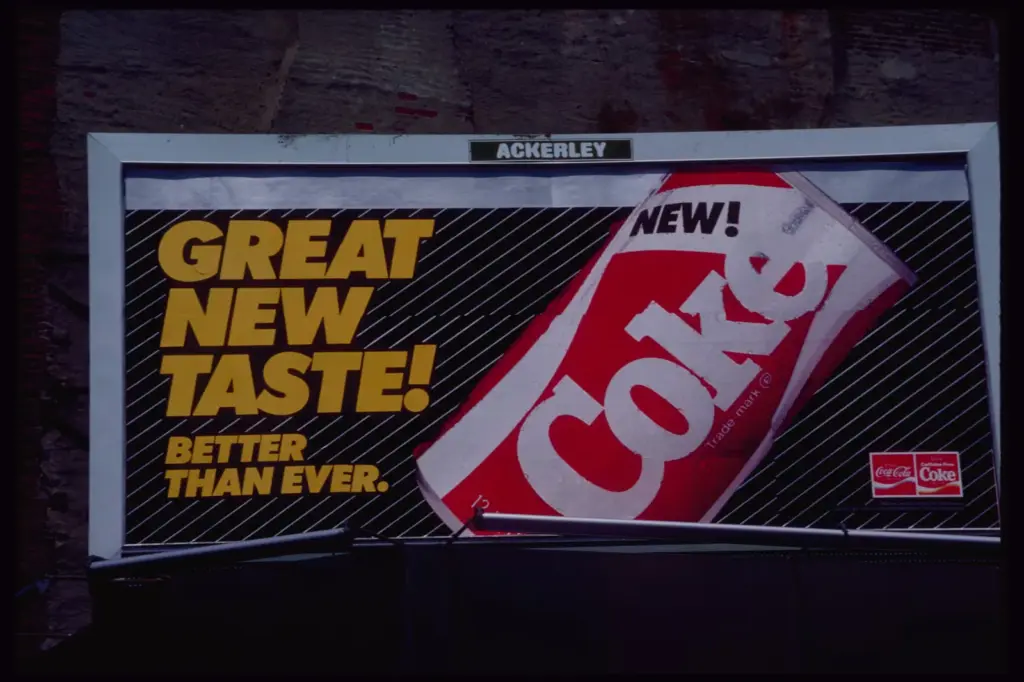
New Coke (Coca-Cola, 1985) and Crystal Pepsi (1992). Rivals even in failures
The global giants of the sugary drinks market know what it is to make mistakes, perhaps that’s why they remain hegemonic. Coca-Cola, the brand that knew how to sell experiences before sodas, stumbled in 1985 when trying to reformulate the original recipe of its iconic drink to compete with its arch-enemy Pepsi. New Coke was sweeter and smoother than the original and had performed well in prior consumer tests. However, the company underestimated the sentimental value of its classic product: in the US, a protest campaign erupted among old Coca-Cola addicts, who even stored packages of the old versions at home. The Atlanta-based multinational withdrew the proposal less than 100 days after launch.
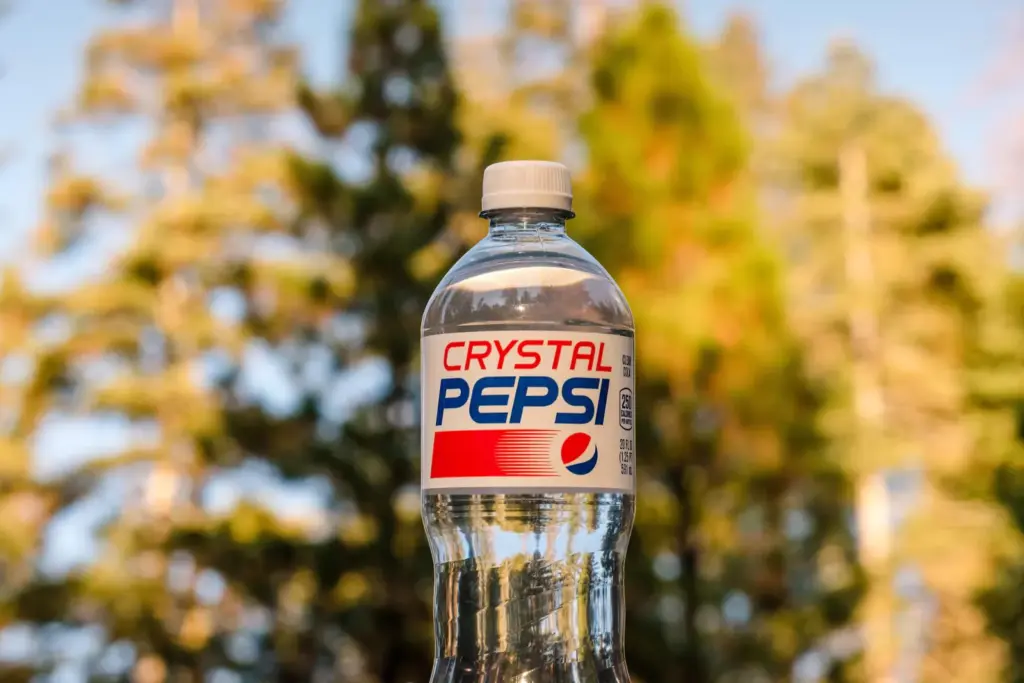
Less than 10 years later, Pepsi experienced another crisis when trying to associate its brand with a healthy product. Crystal Pepsi was a much clearer cola drink than a normal one, something consumers did not digest well, perceiving it as a contradiction between what they saw and what they consumed. Subsequently, there have been other innovation attempts that have been supported by a minority of the public: some, like Coca-Cola Jack Daniels (with 5% alcohol) or cherry flavor, continue to battle in supermarkets, but others, like blue Pepsi or cola-flavored Aquarius, remain in the memory (of a few).
Read more Three personal postcards and a postscript from wounded Venezuela
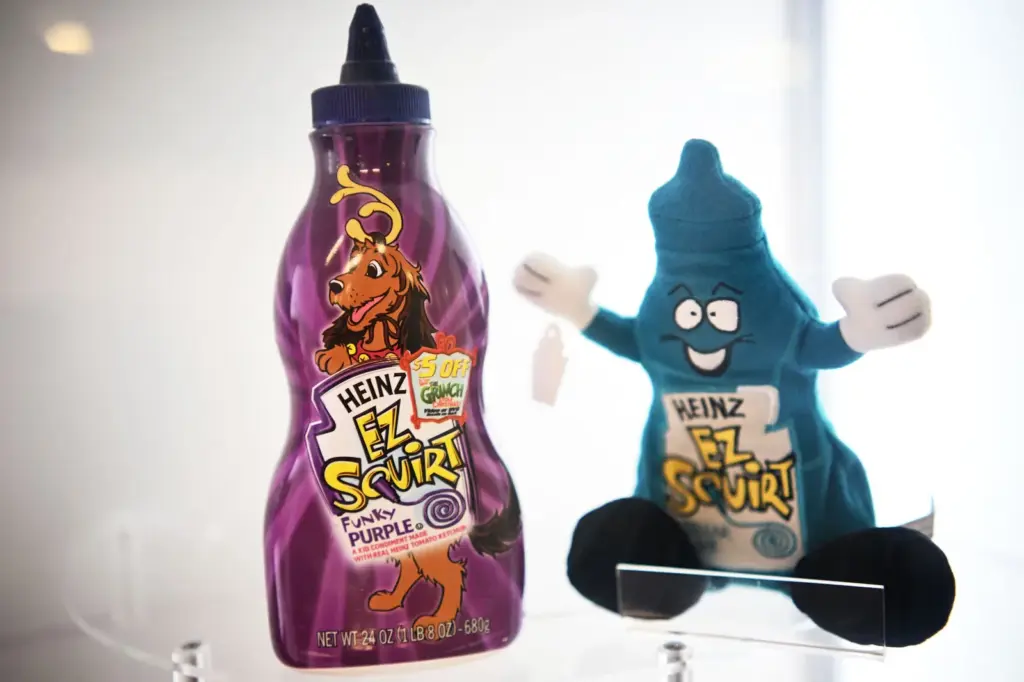
Heinz EZ Squirt (2000). Multicolor ketchup
Some products go overboard, and perhaps this is the case of the psychedelic ketchup range Heinz wanted to popularize in the 2000s. Its striking colors, from green to purple, generated curiosity, and initially, the brand reported that in the first months its sauces had been a success. The atypical stories website Mental Floss notes that in the first three years, the company sold more than 25 million bottles of the condiment. But like many fads, its popularity faded almost as quickly as it had grown.
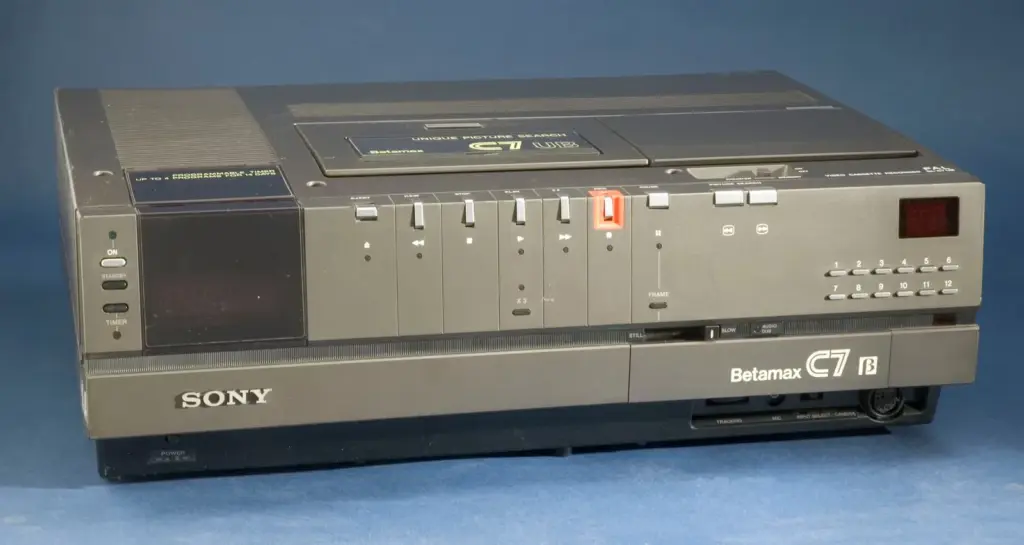
Betamax (1975). The best doesn’t always win
Those with gray hair will remember the VHS and Betamax war, the home video format introduced by Sony in 1975 that for many years challenged the one launched by JVC and its parent company, Matsushita (Panasonic), a year later. It was an example of how a technological standard prevails over another not necessarily because of better quality. In fact, experts considered Beta a good product, but VHS overtook it because it offered some advantages, such as longer recording time and wider commercial reach due to a larger network of licensing agreements.
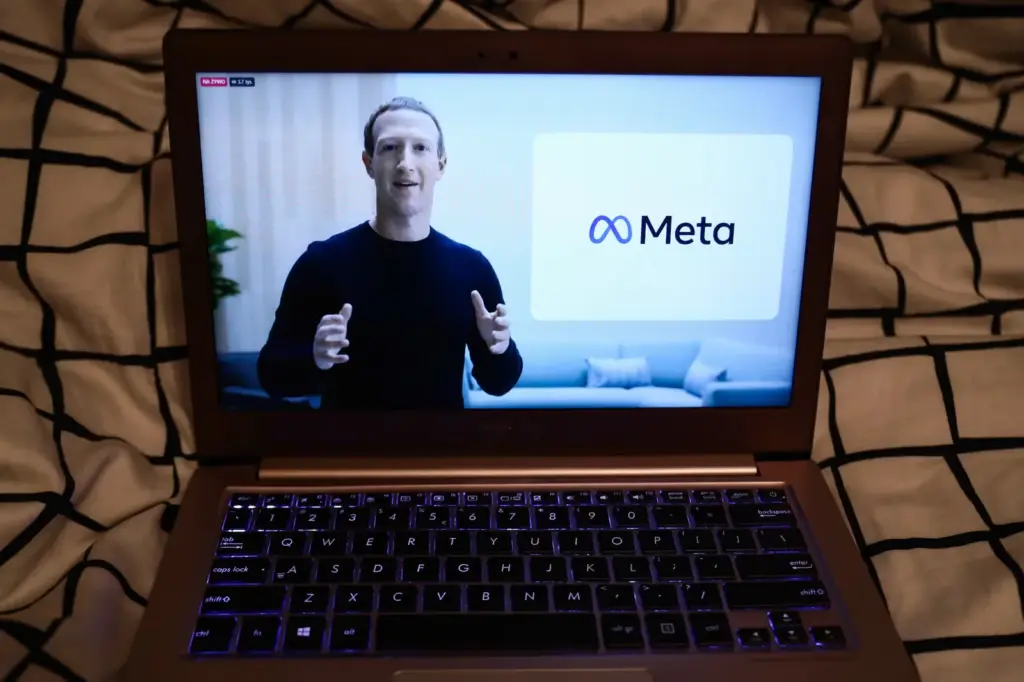
Metaverse (2021). A big crash
The metaverse is probably the most expensive adventure in contemporary corporate history. Bloomberg estimated a few months ago that Mark Zuckerberg’s company has invested more than $70 billion since early 2021 in that virtual reality promising humanity a space to work, have fun, and, of course, shop. It was expected to move “hundreds of billions of dollars” by 2031. It went so far that after the announcement, Facebook was renamed Meta. But four years later, Horizon Worlds, the social network that enabled those experiences, stopped working.
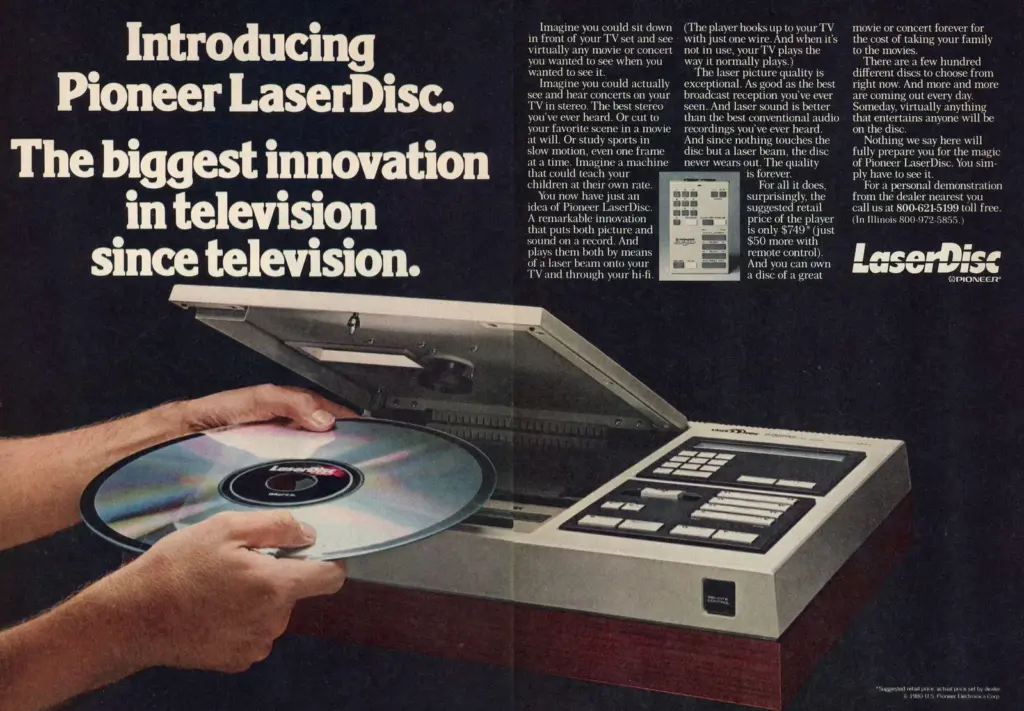
LaserDisc (1978). Not even to scare birds away
The Madrid-based artistic and cultural collective Basurama brought this object to some of its exhibitions on obsolescence, and perhaps many Spaniards remember it, although it never took off in the country as it did in markets like Japan. The LaserDisc was one of the first disc storage systems for audiovisual files. According to the website Xakata, it was a development by MCA and Philips put on sale in 1978 in the United States with the release of the movie Jaws. It had several problems: its size made it impractical. It also had limited storage capacity and did not offer the possibility of recording.

Concorde (1969). Flights too fast
The supersonic passenger transport service that made its first flight from Toulouse in 1969 went down in history in October 2003, a victim of the economic crisis and the accident in July 2000 that cost 113 lives near Paris. It was capable of covering the route between the French capital and New York in 3.5 hours at Mach 2 speed (about 2,180 kilometers per hour). Its dazzling technology was only comparable to the ticket prices, about 8,000 euros in 20-year-old money. With the Concorde died one of the great technological adventures of civil aviation that made flights at altitudes between 16 and 18 kilometers possible.

Lotus 1-2-3. The prehistory of calculation
Lotus 1-2-3 was a historic spreadsheet launched in 1983 by Lotus Development Corporation (acquired by IBM in 1996). It was one of the first truly interesting PC applications for the business world. Its reign lasted two decades in the nascent office automation era. It was eventually surpassed by Microsoft Excel, demonstrating that often being the top of the class doesn’t make you the best.
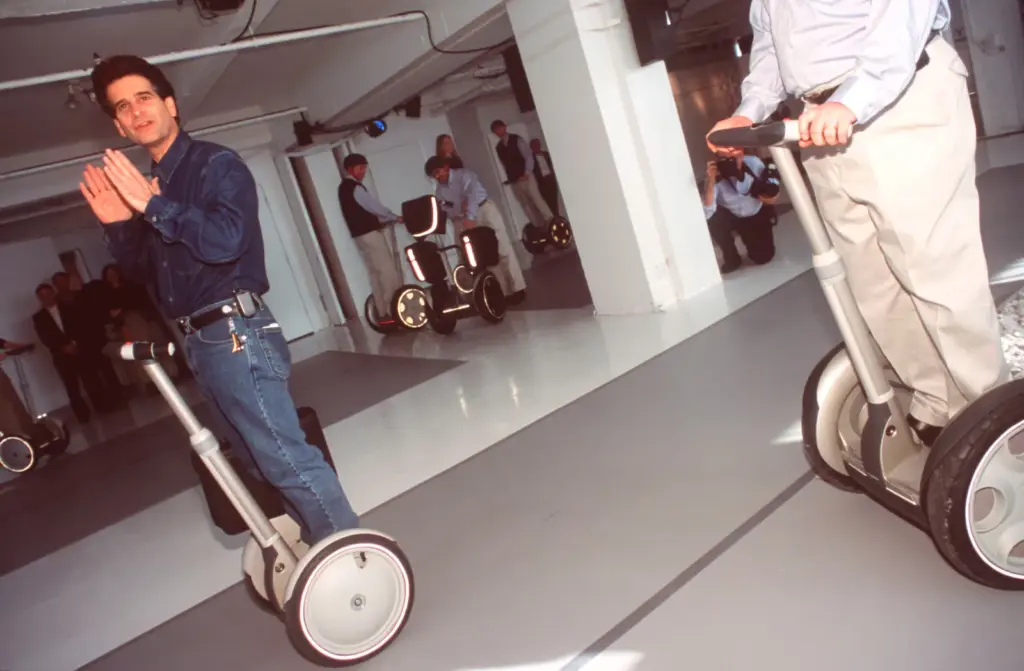
Segway (2001). The scooter slip
It can be considered the grandfather of modern scooters. The original Segway, launched by entrepreneur Dean Kamen, was a two-wheeled electric vehicle that self-balanced thanks to the rider’s weight and allowed safe travel on not very rough terrain. It was announced as the revolution in urban transport, but its initial price (about $5,000, around 4,400 euros) and size made it impractical for regular use, although some tour companies still maintain fleets of these devices. The company announced its withdrawal in 2019 and now focuses on manufacturing more conventional scooters.
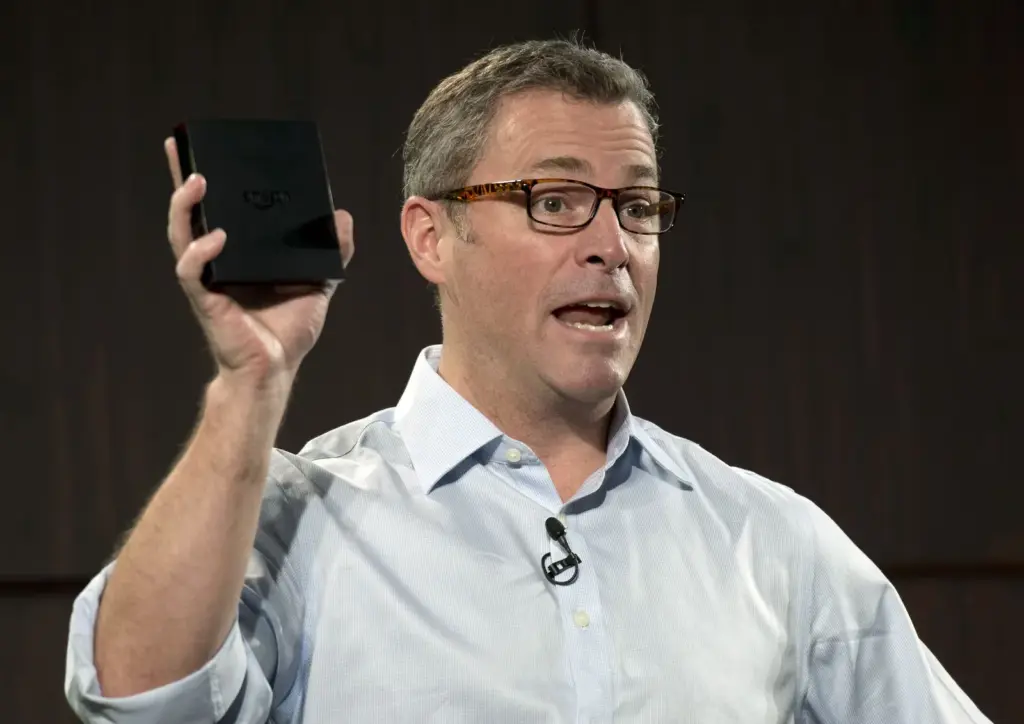
Amazon Fire Phone (2014). A phone born burned
Arriving too early to the market is as bad as arriving too late. In 2014, Jeff Bezos announced that Amazon would produce a mobile phone called Fire Phone intending to compete against iPhones and powerful Asian brands. The device, mid-to-high range, had a starting price of $648 in the United States. Fourteen months after launch, Amazon reduced the price to $159 and canceled new versions of the product. The loss was estimated at $170 million. A few months ago, according to Reuters, the e-commerce giant resumed the idea to create a phone that syncs with Alexa and offers users a more direct way to contact the platform.
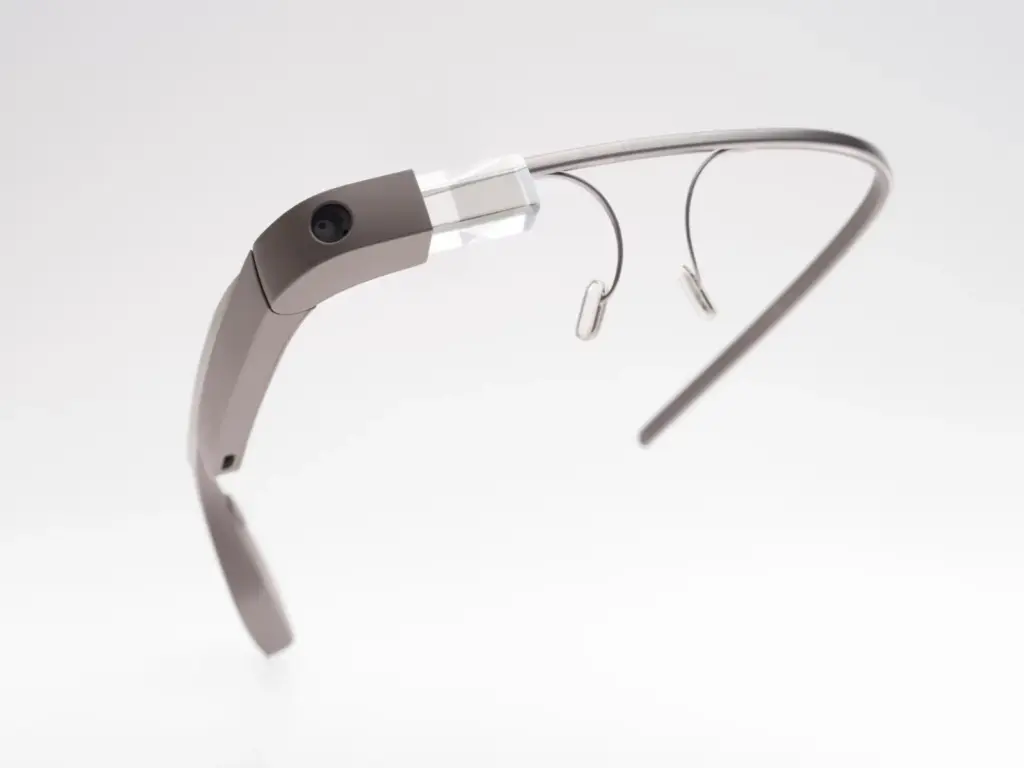
Google Glass (2013). Blurry vision glasses
Thirteen years ago, Google engineers imagined a world where technological innovation would connect with reality through simple glasses. They showed the gadget in a video where a man jumped from reality to the screen while having breakfast, meeting a friend, or playing the ukulele. The smart glasses with augmented reality functions were launched at a price of 1,300 euros for developers in the US and UK, but technical and legal limitations removed them from the streets two years later. Meta has taken over, unveiling last fall the Meta Ray-Ban Display, conventional-looking but with a screen giving access to the AI of Mark Zuckerberg’s company.
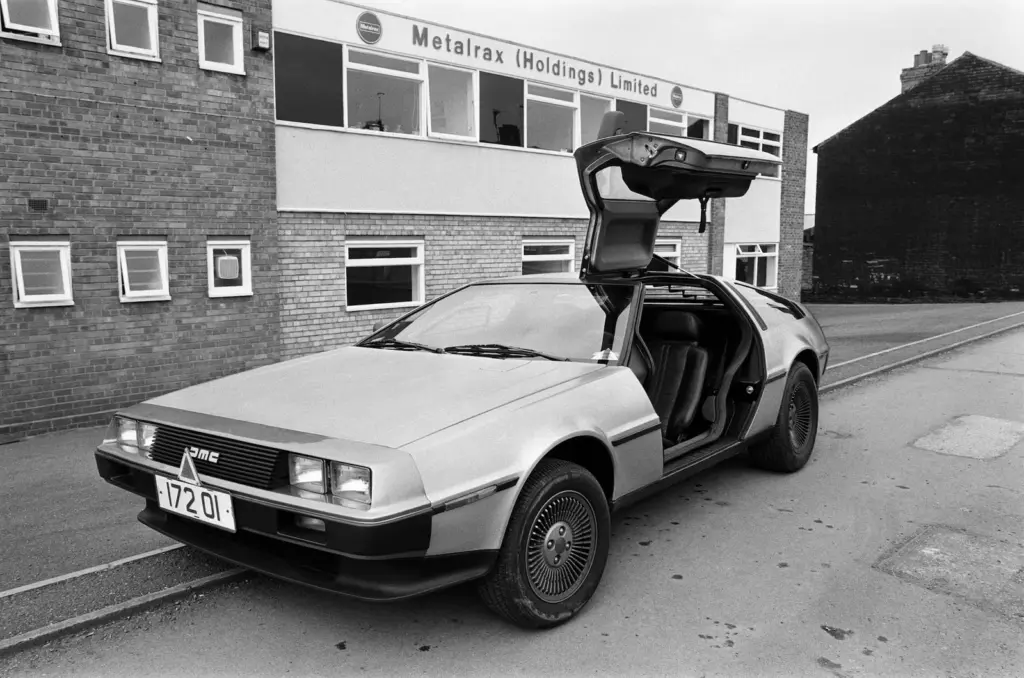
The DMC DeLorean (1981). Back to the past
As impactful as the legacy left by Back to the Future, the futuristic film dreamed of by several generations, the DMC DeLorean was the only car model produced by DeLorean Motor Company (DMC) between 1981 and 1982. The four-wheeled cult object had gull-wing doors like in the film and came out of the factory DMC had in Dunmurry, Northern Ireland. The factory produced about 8,500 units before the company went bankrupt. It was the hefty toll paid for building a business around a single product.
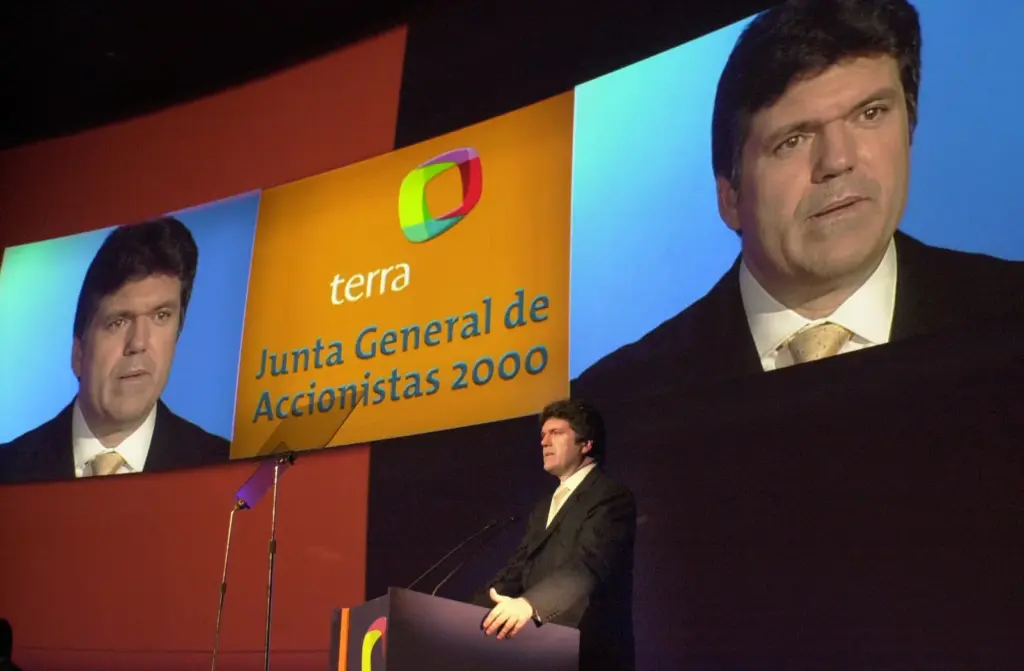
Terra (Telefónica, 1999). A little thumb of the networks
In June 2017, the Terra portal, promoted by Telefónica to lead the Spanish-speaking web and compete with American giants, closed in almost all countries where it remained active after 18 years of history. It was born under Juan Villalonga’s presidency at the dawn of the internet era and became one of the most visited websites in the 2000s. It made multimillion-dollar acquisitions, such as the US portal Lycos for $12.5 billion (which it sold years later for 1% of what it had cost). It was unable to build a profitable and sustainable business.
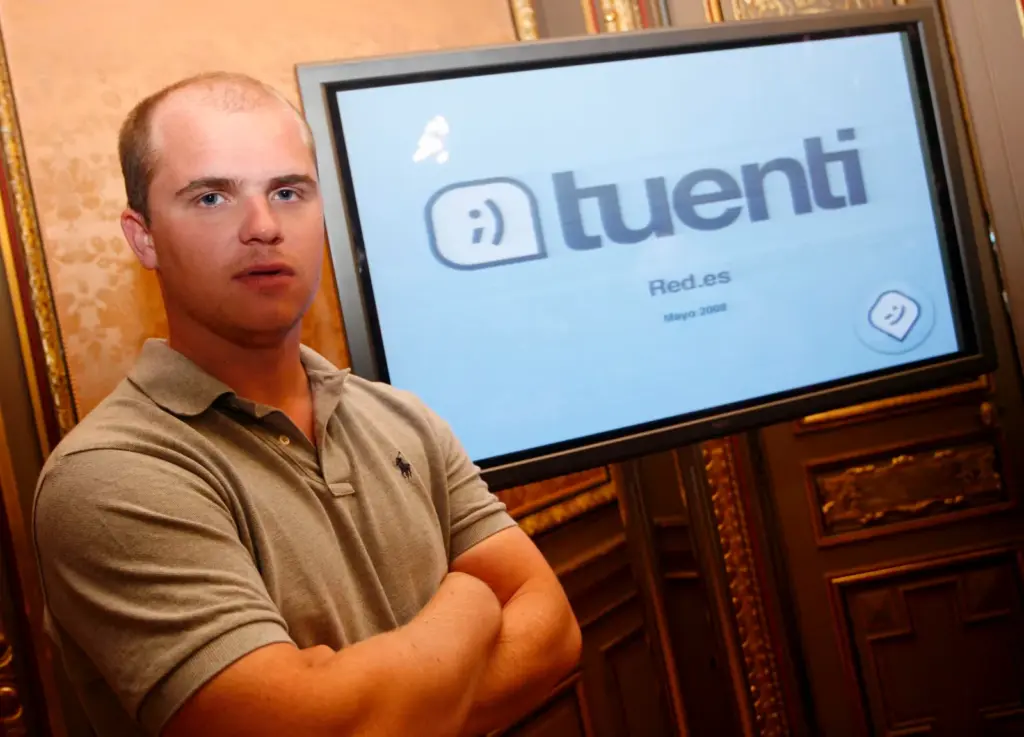
Tuenti (2006). The Facebook made in Spain
Created in 2006 as a social network for teenagers, Tuenti reached 13.5 million users and 300 employees. The one destined to be the “Spanish Facebook” founded by Zaryn Dentzel was unable to compete with other social networks and never managed to break even. The service ended up disappearing after several strategy changes. It launched a mobile operator to carve out a niche in the competitive flat-rate mobile market and tried apps for calling or chatting without data consumption. That didn’t work either.
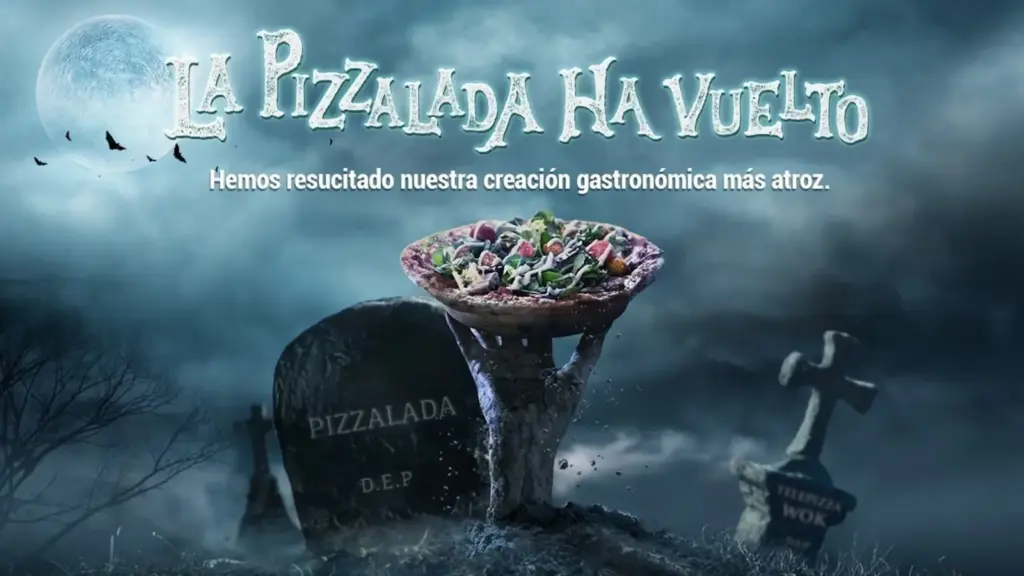
Telepizza’s Pizzaladas (2014). Strange Mediterranean nod
The Pizzalada was one of the strangest pizzas the fast food sector has seen. The hybrid between pizza and Caesar salad mixed a bacon base with lettuce, cherry tomatoes, arugula, and breaded chicken. It didn’t catch on, despite its intention to bet on a product with natural ingredients and make a nod to the Mediterranean diet.

Uterqüe (2008). Inditex’s stumble
It was born as a chain of quality accessories and aspired to be the most luxurious label of the Inditex giant. But Uterqüe, with a network of exclusive stores, never accounted for more than 0.5% of the group’s turnover. The commercial power of the Galician textile giant made it have more than 80 stores in 16 countries that were absorbed by Massimo Dutti, its other iconic chain, in 2022. It was, along with Often, the men’s fashion chain launched in 2003 (which no one remembers), one of the few failures of the Galician group.
Read more The Vatican bets on renewable energy with a large solar plant for self-sufficiency