I. The return and mourning of the territory
For the first time since 2018, I was able to return to Venezuela without the risk of being arbitrarily detained. In these August days, everyone asks me the same questions: how do I see the country? How do I read the political signs? How have I felt? My friends say I look fulfilled, that I smile with my eyes, and that my skin looks radiant. And yes: returning has made me deeply happy.
Read more The Vatican bets on renewable energy with a large solar plant for self-sufficiency
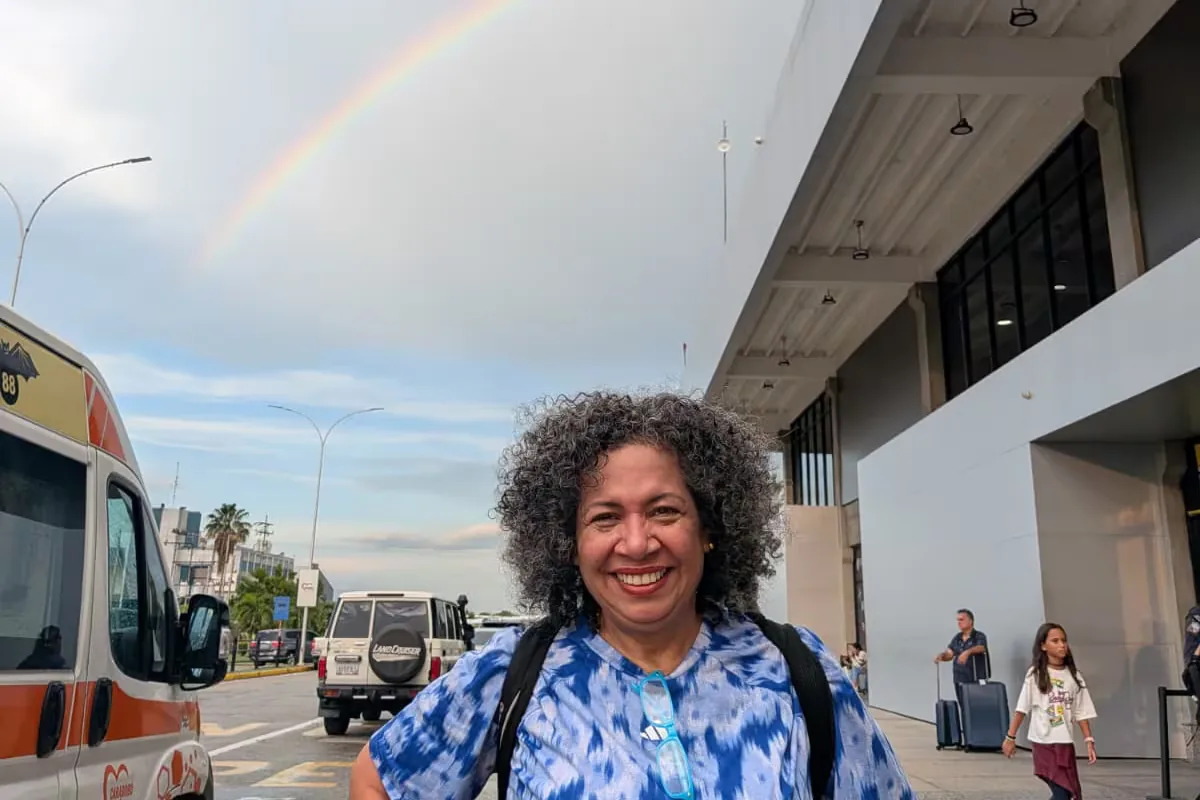
As soon as the plane door opened and I saw there was a staircase, I started to go down eager to kiss that ground. I didn’t. I gave it a spiritual kiss. Upon exiting, I saw a rainbow. I remembered the promise God made to humans after the Flood, the promise that He would never again try to end humanity.
As the days go by and I walk around the city, visit the zero zone of the double earthquake on June 24, and live the daily life; my feelings oscillate between joy, sadness, anger, and an infinite desire for the suffering of millions of Venezuelans to end.
This bright sun, the massive greenery that is El Ávila, the typical flavors illuminate my soul. In this return, my “Caribbean body wisdom” is activated, as García Márquez once described it.
I made a promise not to complain. I stoically tolerated the electrical fluctuations at the Valencia airport terminal, which canceled the air conditioning. It is an airport located about 180 kilometers from Caracas. On the way to my house, I passed through Maracay, a city plunged into strips of darkness due to lack of electricity. Some buildings had walls detached by the force of the earthquakes.
I arrived at my apartment in downtown Caracas and, fortunately, it only had scratches. However, the elevators did not work during the first days. I took the daily climb of ten floors as my exercise quota.
My happiness began to coexist with an uncomfortable realization: it is not the same to throw an insult from a distance every time there is a power outage or the salary is not enough, as it is to see how most Venezuelans live in prolonged precariousness.
II. Economy of daily life: a stopped and aged country
Where I live, running water arrives twice a week. In my kitchen, there is a plastic bucket for daily cleaning; I buy bottled water to brush my teeth. It is a preventive measure. Unlike the years of hunger between 2016 and 2019, and the post-pandemic convenience store economy, today supermarkets have any food product.
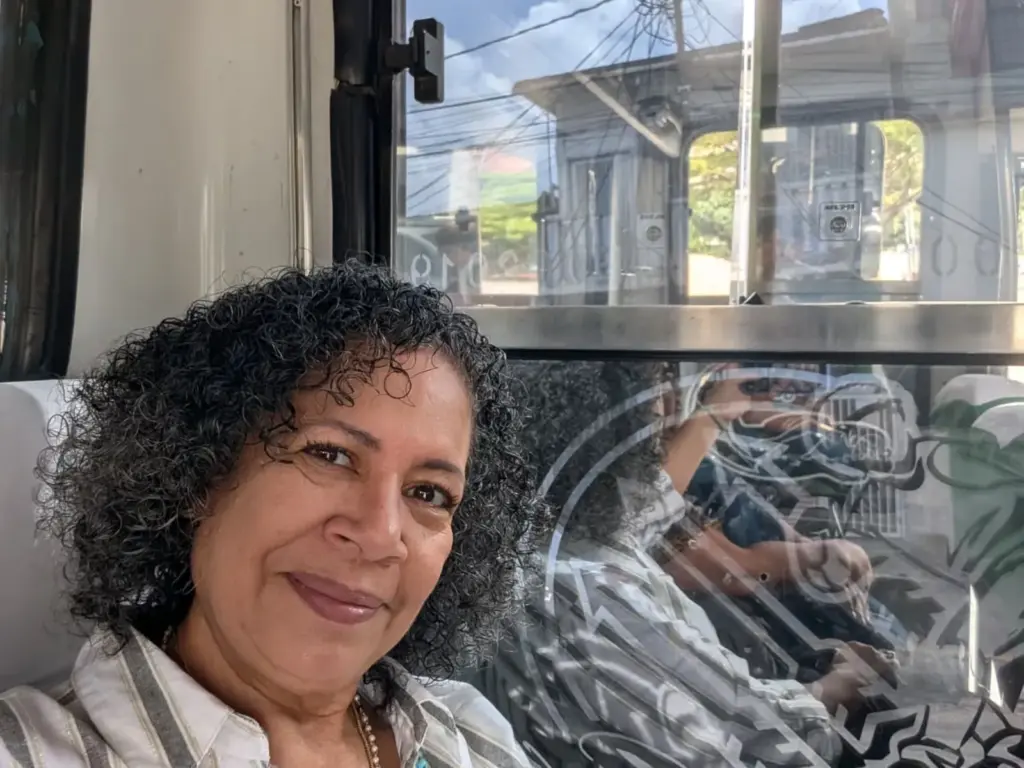
Prices are in dollars, even though the official currency is the bolívar. Since 2019, a de facto dollarization has been in place. In this very informal multi-currency system, some businesses set their rates according to the euro. I exchanged 50 dollars and received a wad of 100 bolívar bills that take up significant space in my backpack. I use them for public transport: the fare costs 190 bolívares, but since there are no coins for change, I leave two bills.
When boarding a bus over 30 years old, I notice that most users are elderly. In downtown Caracas, gray hair and wrinkled faces abound; the same happens in popular bars. Venezuela lost its demographic bonus due to migration. Now we are a country where many children are without parents and elderly without children.
In thirteen years, everything a country can experience in a century has happened: the death of a president, the installation of a dictatorship, hyperinflation, the displacement of more than eight million people, prolonged blackouts, food shortages, a superlative electoral fraud, state terrorism. And in the last seven months, the extraction of a de facto president in a US armed operation, the declaration of intervention, and a kind of annexationism. And to cruelly top it off, a double earthquake that has left thousands dead and missing.
In this space, however, there are certain contrasts: fancy cafés where a chai latte costs seven dollars and offer high-speed internet for an hour and a half; in Chacao, the hipster trend arrived; in La Candelaria, taverns and restaurants of Spanish heritage have resisted; in other places, nightlife has begun to resurge. There are areas where aspiring entrepreneurs and friends who dream of a better future in a country where structurally almost nothing has changed gather.
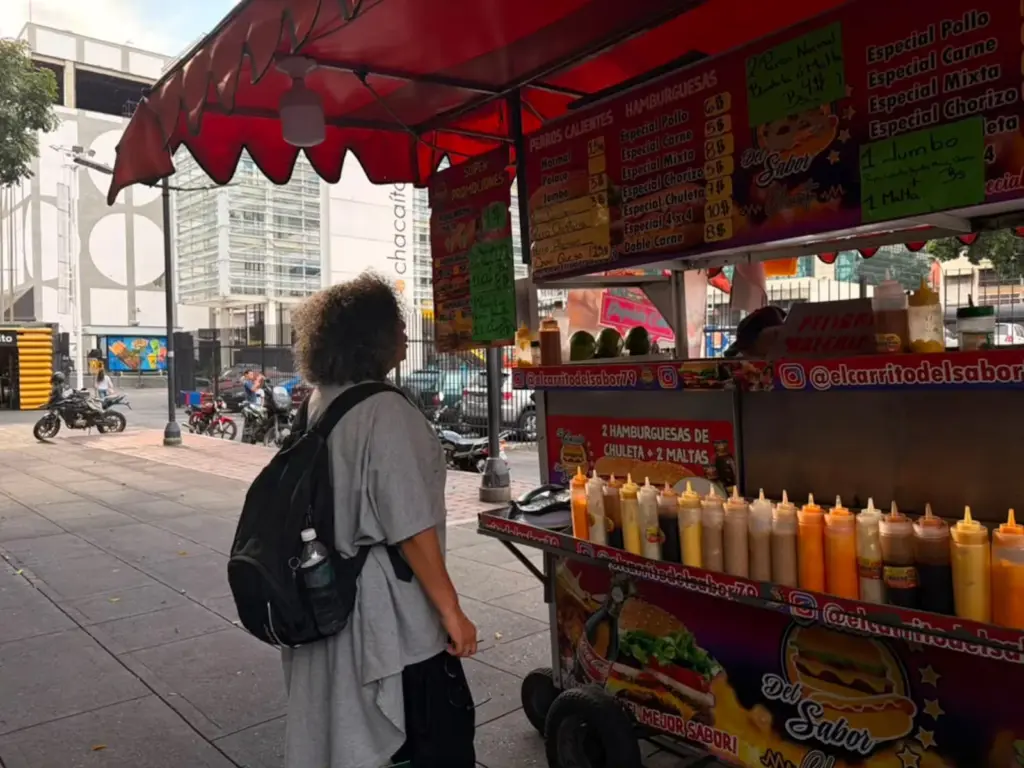
As necessity is the mother of all inventions, with no bank credit, a group of young people created a platform that allows buying in installments. The whole city is full of banners and advertising for this app, whose creatives seem to have a sharp dark humor: on some billboards, they play with the name Cashea and the police action of “cachear” (to frisk).
In this last month, daily life seeks to make its way amid brutal mourning.
III. Return to La Guaira: a raw wound
In the “zero zones” of the central coast, east and west, where the greatest devastation of the double earthquake occurred, there are desolations that not even the best chronicle can reflect.
Read more A federal judge annuls the US visa ban on citizens of 75 countries
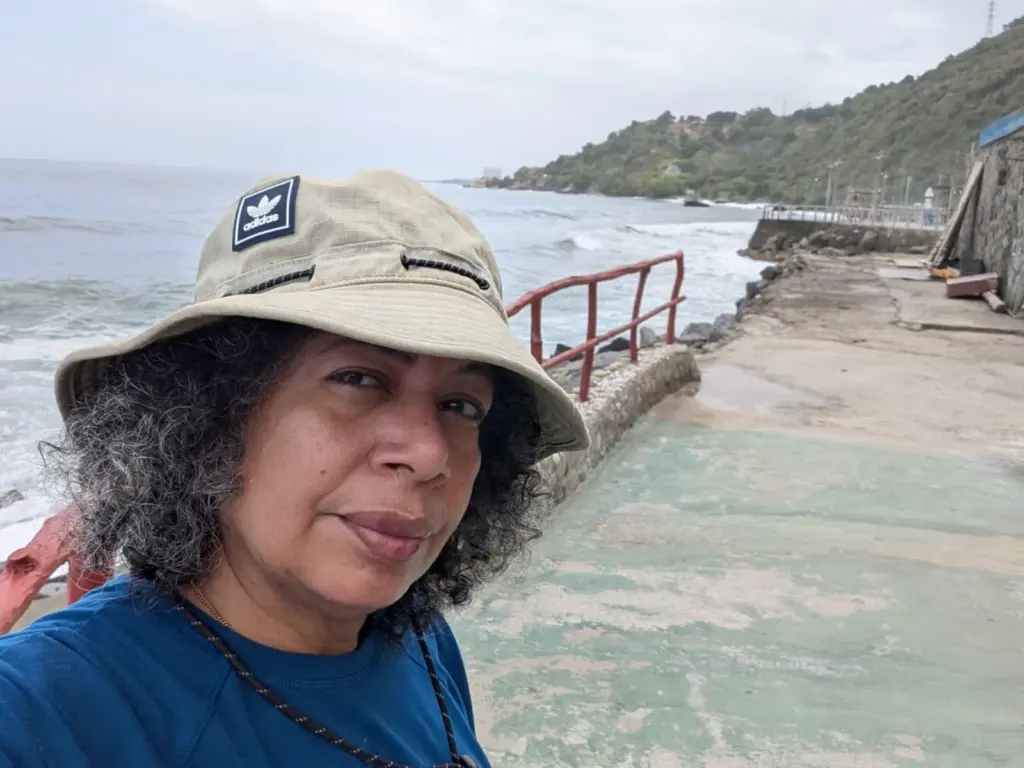
The beaches are empty, while tents on the shores of some beaches are full of refugees. After fifty days of the catastrophe, outside collapsed buildings there are people still searching for the remains of their relatives. The death toll exceeds 6,300 people. In recent weeks, updates have become less frequent. Due to the smell in some areas, it is presumed that bodies still lie under the rubble.
“In that building, there is still a girl that no one knows who she was,” Gabriel, a man guarding a house in Caraballeda, tells me, where there once was a Sheraton and a Meliá, both dismantled in the midst of economic collapse. He asks if I can help him get a “pluma,” a machine to move some columns that threaten to fall on his roof.
Several multi-block buildings collapsed here where hundreds of people lived. They were built between 2011 and 2012 in one of the most ambitious and opaque initiatives of Chávez’s government: the Housing Mission. Some plots where buildings stood have been cleared. The rubble, which may hide clues from so much collapse, is taken who knows where.
I go to an area that was the last I visited before leaving Venezuela without a return ticket. There is a popular housing complex named after Hugo Chávez. It was built by a Turkish company. It consists of about 120 five-story blocks, with armored windows for the cold. After the earthquake, the ground floors look like crushed and half-smoked cigarettes.
Looking at the ruin, I have no doubt: Chávez is dead. Although, in different areas, a new batch of official propaganda covers the walls with murals and graffiti under a new dictatorship slogan: Venezuela is reborn.
The destruction of the coast shows the magnitude of the disaster and the fragility of a country forced to survive without rest.
IV. Postscript: tenderness and ambivalence
Amid these days, tenderness became a daily gesture of resistance against adversity. Friends who take you all over the city, the one who makes you coffee or a pisillo of cazón. Those gestures—and many more—embraced me on this visit to Venezuela.
One of the few changes that persists is the reduction of the feeling of insecurity. People walk without hiding their mobile phones.
Caracas, however, has changed almost nothing since my last visit. It was 2023 when I had to leave definitively into exile. What I have seen leaves me with mixed impressions: on one hand, a country that refuses to die even though it has been in terminal crisis several times; on the other, a country of older people, with exhausted bodies, and in the middle a great gap between those who can pay five-dollar coffee and those who receive at most a monthly income of about fifty.
On one hand, I feel a joy that has even made my skin look rejuvenated; on the other, I feel something that comes in faint bursts: the impression of being before a society that wants to shout “enough already,” but still cannot do so.
I wonder how long resilience will be talked about, when what I notice in some is a desire to break down and not feel guilty about it.
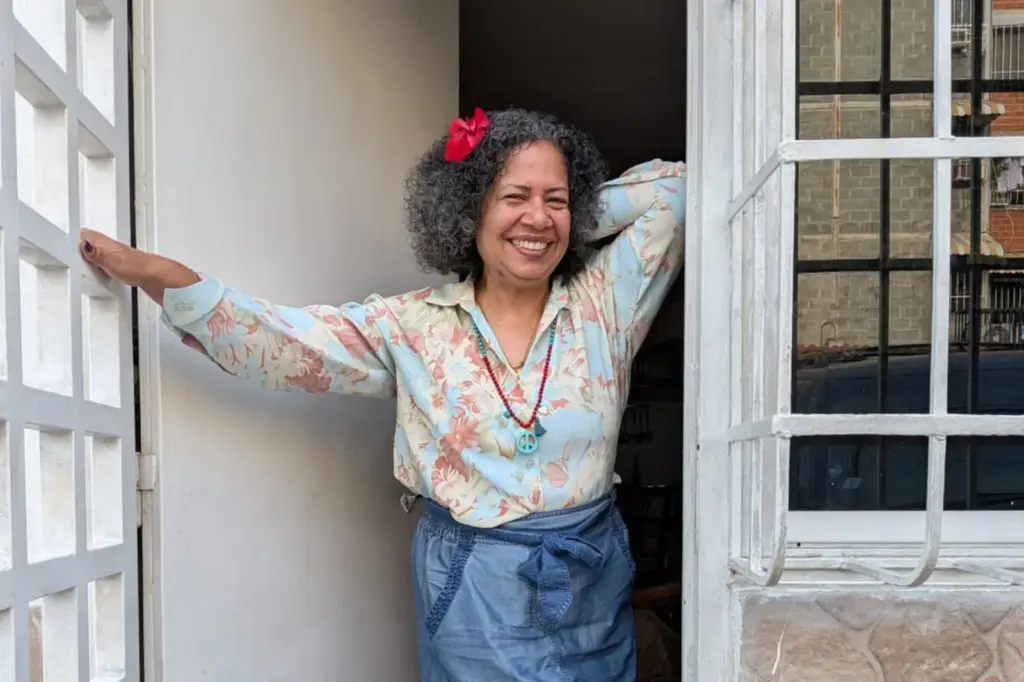
Caracas and Venezuela remain standing, with people who decided to continue being warm and dignified. With thousands of people trying to rebuild their lives. My feeling is strange. I heard someone say “the rain stopped, but everything is still soaked,” and I find meaning in it.
Returning made me happy, yes, but it also forces me to look at a country that has suffered too much. It is not enough to cling to the climate, the landscape, or daily tenderness: we must imagine a possible future. And for that, we need more than resilience; we need the lucidity and courage of those who still believe they hold the country’s destiny in their hands.