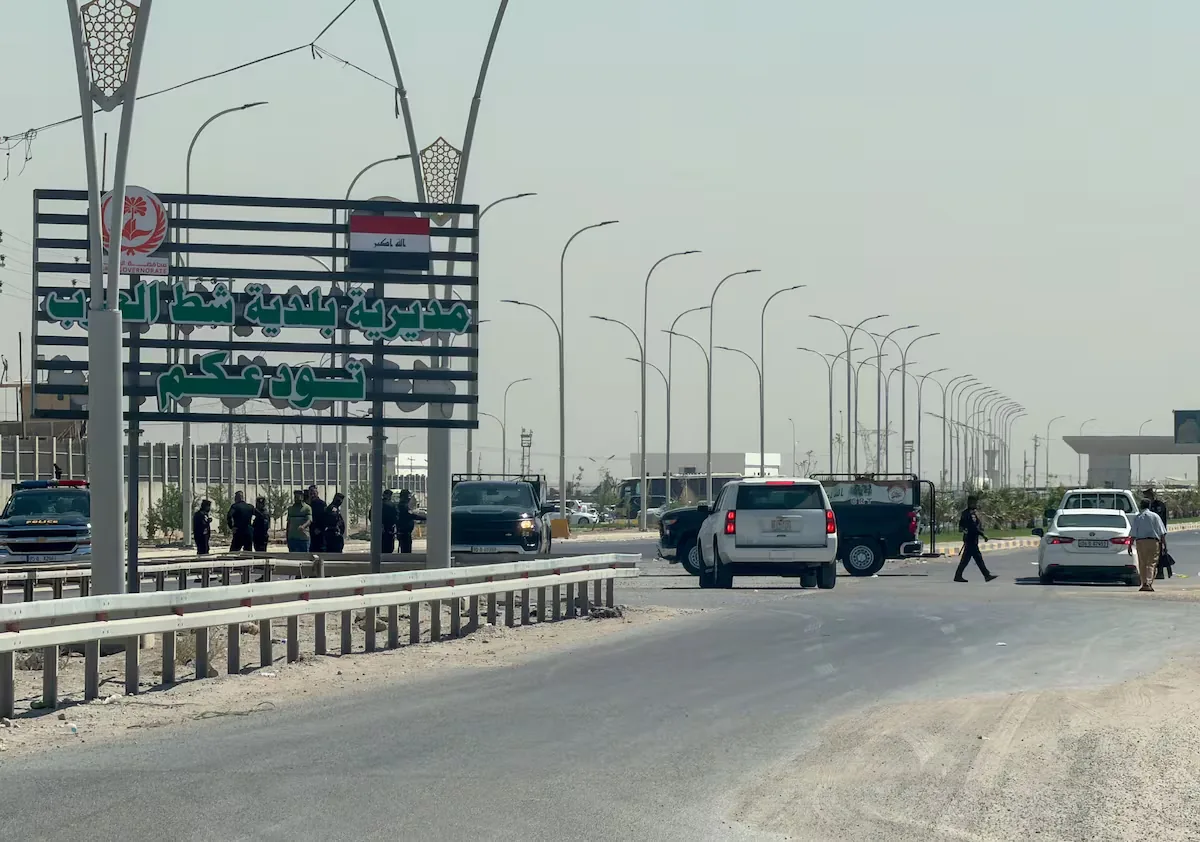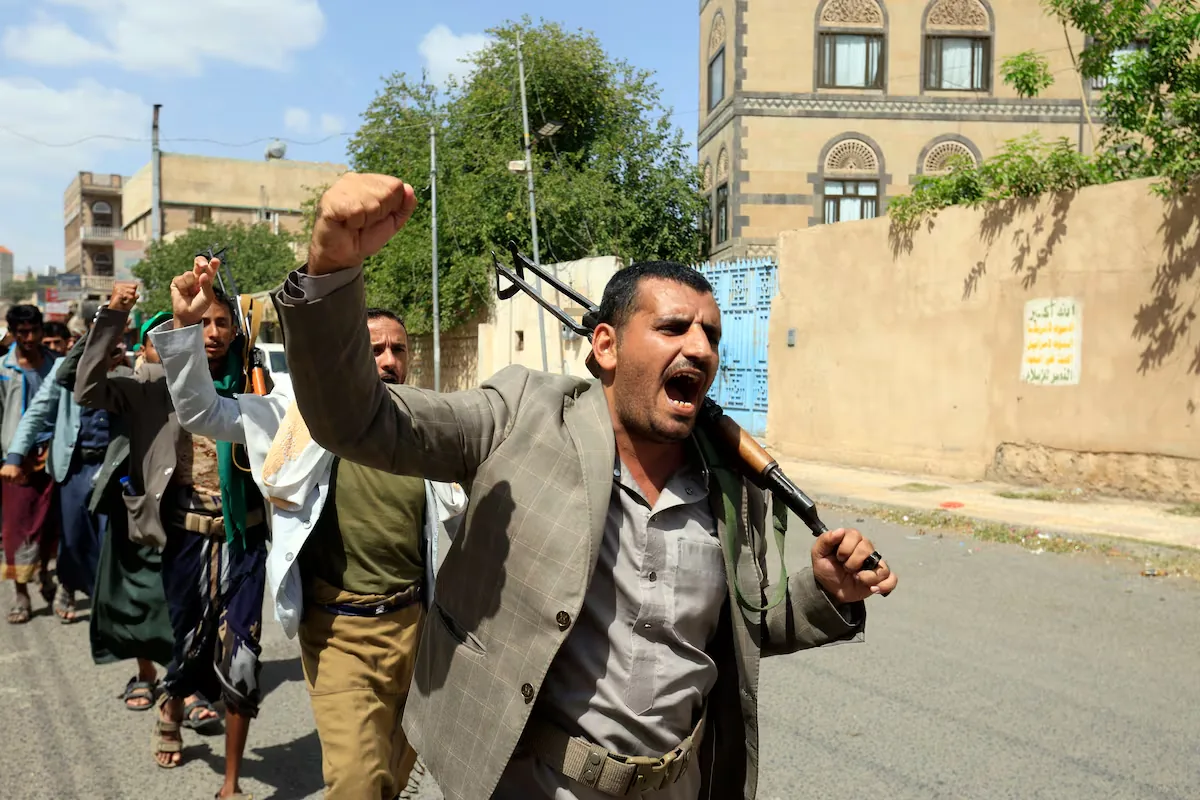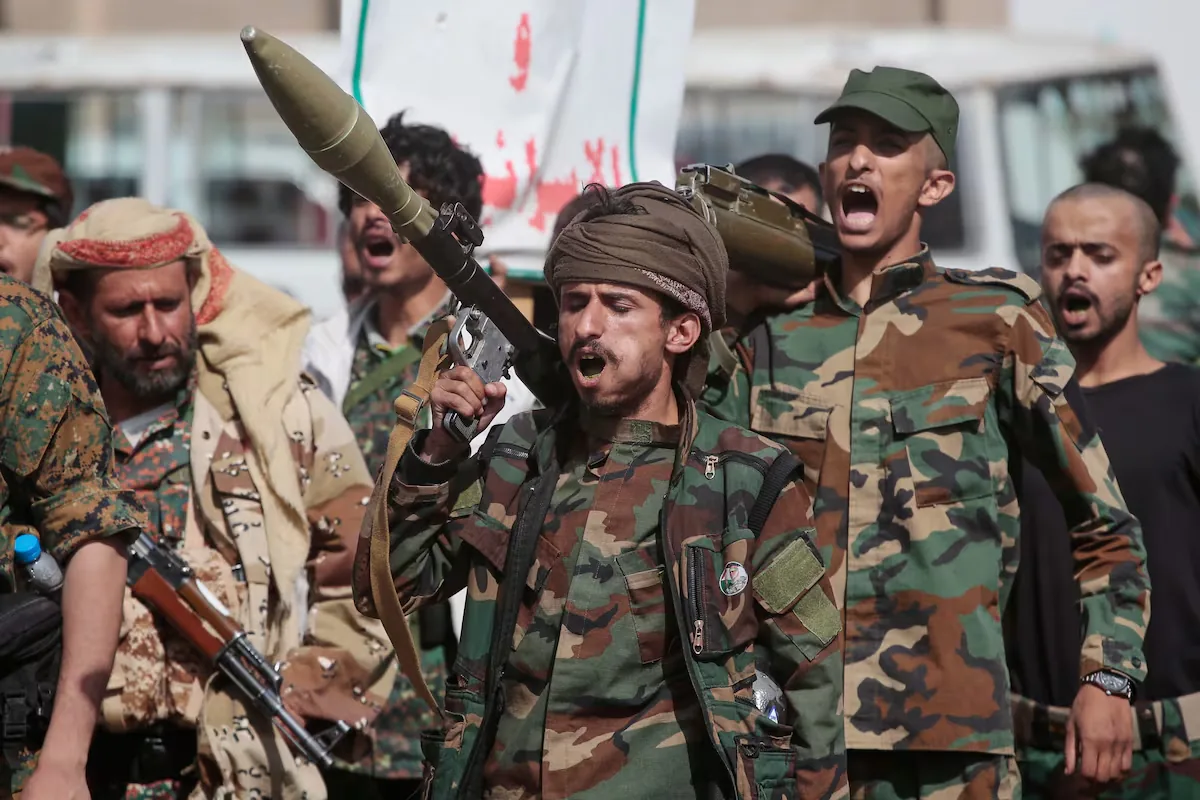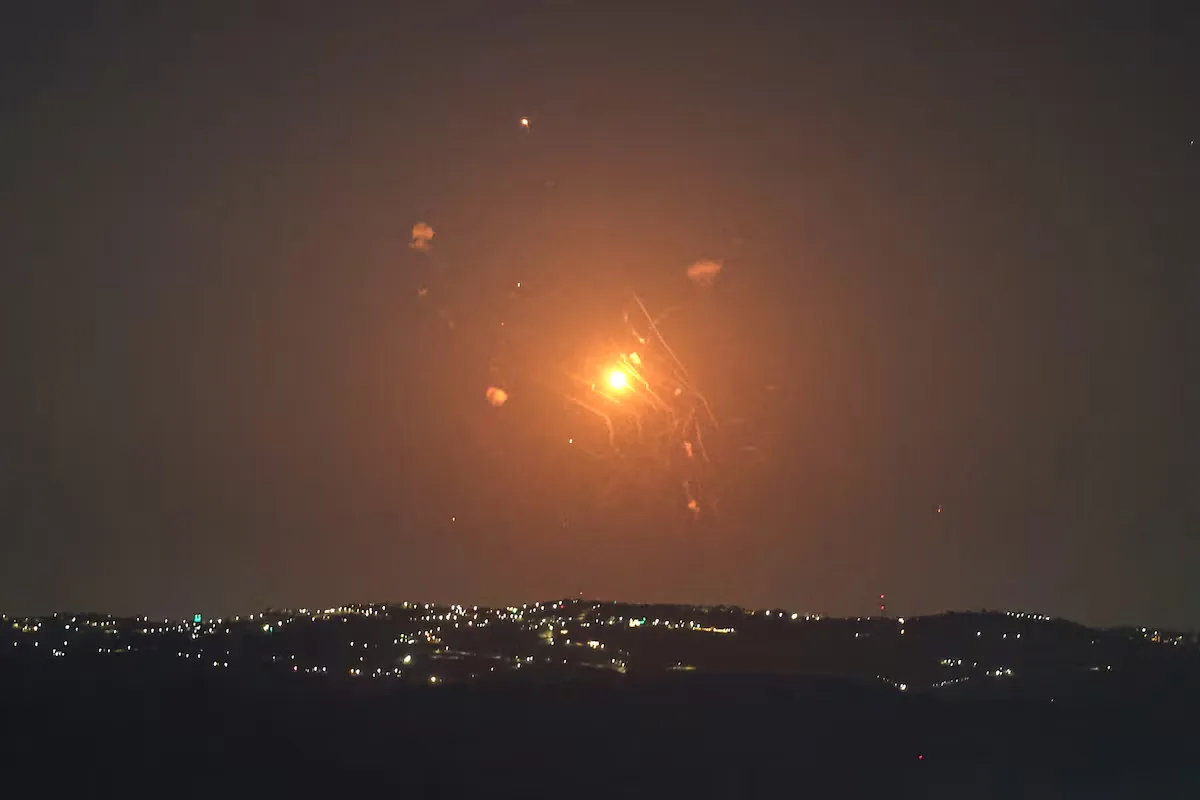
The new sanctions that the United States has announced against Iran and those who help this country survive economically are, according to the Treasury Department’s boast, the toughest in 50 years. With them, the Donald Trump Administration believes that Tehran will be completely isolated — it has named its new campaign Economic Pariah Operation — and will be forced to surrender in the war that will mark six months this Friday. They affect individuals, ships of the Iranian ghost fleet that distributes its oil, and companies that support those exports. But they have left out key elements that have allowed Iran to maintain its resistance so far, such as the large banking entities of China.
Read more Dolly Parton, the country music legend, dies at 80 years old
In part, the new sanctions, which include 60 individuals and entities in places from Turkey to Hong Kong, follow the model that Washington has adopted in the war in Ukraine: trying to shut off Russian income through measures against its fleet of export ships and against intermediary companies and individuals. In part, they adopt the pattern of economic strangulation that the United States has imposed on Cuba for six decades, through the threat of secondary sanctions on those who collaborate with the enemy country.
Thus, several natural and legal persons from China and Hong Kong appear on the lists published by the Treasury and State Departments, whom Washington holds responsible for helping to transport goods to and from Iran, including sensitive technology. The Hong Kong company Sweet Ocean Industrial Limited, specialized in the production and sale of laboratory equipment and optical material, is accused of helping Iran obtain strategic and dual-use products, including laser optical equipment.
Likewise, two residents in China, Tian Jianbai and Zhang Limei, have played, according to Washington, a key role in supplying an accelerometer (a navigation instrument that can be used in airplanes and missiles) and in the payments and deliveries of the Hong Kong firm, respectively. A third person, Li Na, director of the Hong Kong RPT Technology Limited, is also attributed responsibility for supplying material to Iran on behalf of Sweet Ocean. At least part of the equipment transferred through this network ended up at Malek Ashtar University of Technology, a research institution related to the Iranian Ministry of Defense and sanctioned by the European Union.
That type of network has allowed Iran to obtain dual-use technology through “a broad system of shell companies, covert financial channels, and logistical intermediaries in East Asia,” points out the Treasury Department.
Other Hong Kong companies also appear on the sanctions list, accused of acting as shell companies for the purchase and payment of sensitive products by Iran. Among them, the firms Feili, Minvur, or Feisu. Others are accused of handling logistical matters, such as Shenzhen Huamei Lianyun International Logistics or Bositong Supply Chain Shenzhen.
“A warning shot”
Despite the pomp with which the United States had announced the measures presented by Treasury Secretary Scott Bessent this Monday, and the grandiloquence with which he describes the sanctioned entities, the head of the world’s largest economy himself acknowledged in his press conference that they are not enough. It is only, he admitted, “a warning shot” to give time to governments that collaborate with Iran to disengage from that regime, without meanwhile triggering “an explosion in global financial systems.”
“None of the measures change anything substantial. The rhetoric with which they are presented is fierce, but the blow they deliver is much less so,” opines Dan Fried, former head of the State Department for Europe and currently an analyst at the think tank Atlantic Council. “Delivering a devastating blow to the Iranian economy would require going after the large firms and banks of China, and those steps have not been taken.”
Bessent promised that, if those governments and entities ignore the U.S. threats, Washington will gradually announce increasingly forceful measures. This very week, he declared, punishments could come against a “large financial institution.”
That intention explains, at least in part, why the Trump Administration, despite its threats, has chosen not to go for Iran’s economic jugular and punish where it hurts the main collaborating governments of the Islamic Republic: the banks of China — the main buyer of the Persian country’s oil —, Russia, or even Pakistan and the Arab Gulf partners. “It is revealing,” considers Fried. “The United States threatens measures against third countries that do not break economic ties with Iran, but doing so involves costs and risks that Bessent has implied he does not want to assume.”
Another reason is the risk of possible retaliation that governments like Beijing’s could undertake against the U.S. economy if seriously harassed. And, a third, the difficulty of applying them: the financial systems of Russia or China are not strongly linked with the U.S. Chinese Foreign Ministry spokesman Li Jian already warned this Tuesday in his daily press conference: “China will take all necessary measures to firmly safeguard its rights and interests.” “Economic blockade and maximum pressure policy are not the solution. The priority now is to favor de-escalation and return as soon as possible to the path of dialogue and negotiation,” he added.
The new sanctions alone will not precipitate the collapse of an Iranian regime that has weathered, for better or worse, the punishments imposed by the West since the Islamic Revolution of 1979 and the U.S. attacks on its territory during the current war. But they do mark a change in Washington’s tactics to try to manage a conflict in which it has not achieved its goals — the Strait of Hormuz remains blocked and Iran does not give up its nuclear program — and from which it wants to move on as soon as possible. The Trump Administration rules out the military path to focus on economic warfare.
But economic wars, and sanctions, take time, and the current U.S. president is not exactly famous for his impassivity. One of the unknowns now is whether Washington will maintain the necessary patience to wait for the measures to take a toll on its enemy’s economy.
“It seems that some in the Administration are aware that a major victory by force against Iran is unlikely, and they are trying to return to a sustainable and longer-term situation. It is a rational decision. Iran’s weaknesses will increase as time passes. But that strategy will not be easy to maintain, especially for an Administration known for its impatience and volatility,” points out Fried.
Read more The rise in energy prices causes the EU’s first trade deficit since 2023