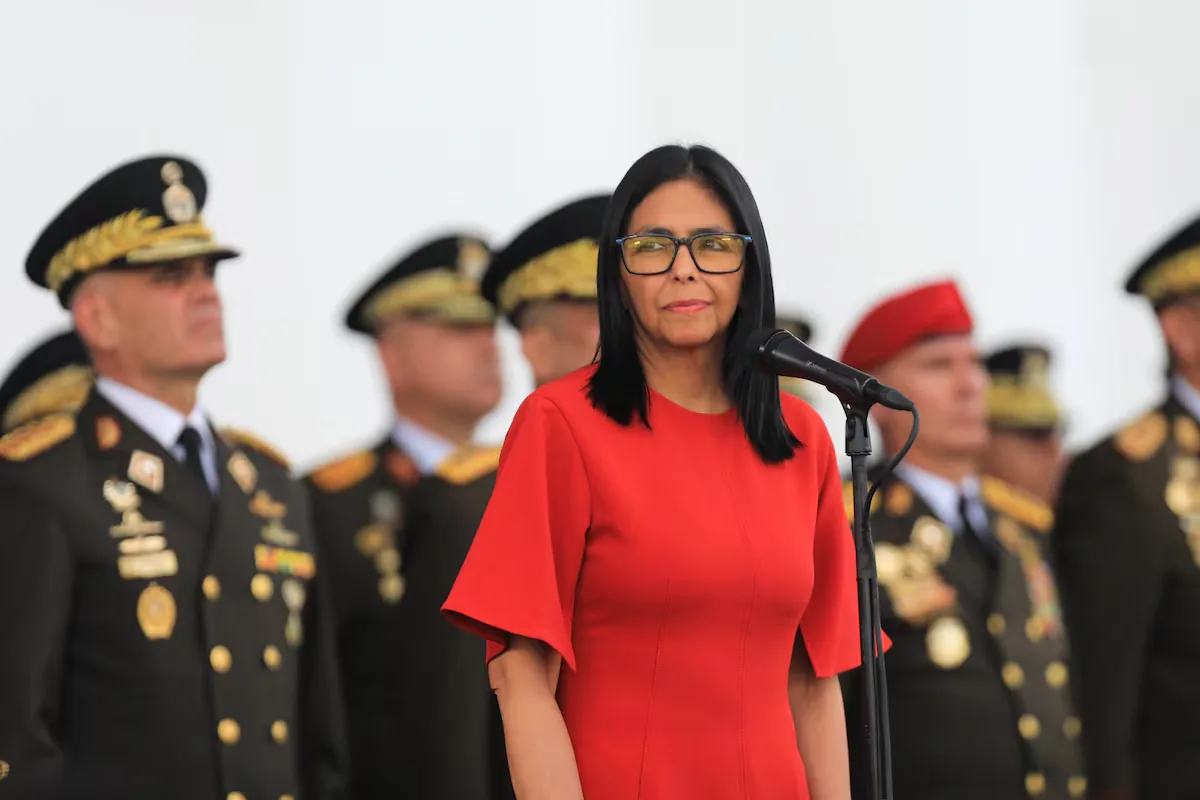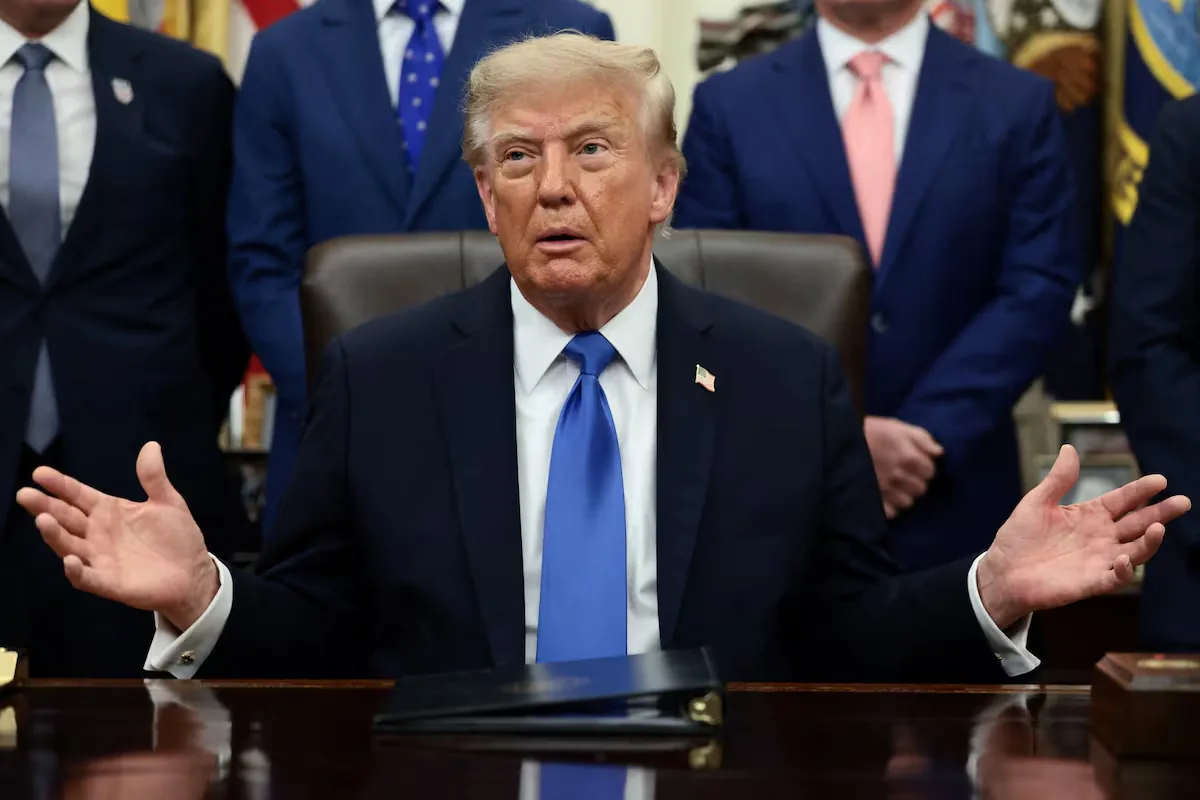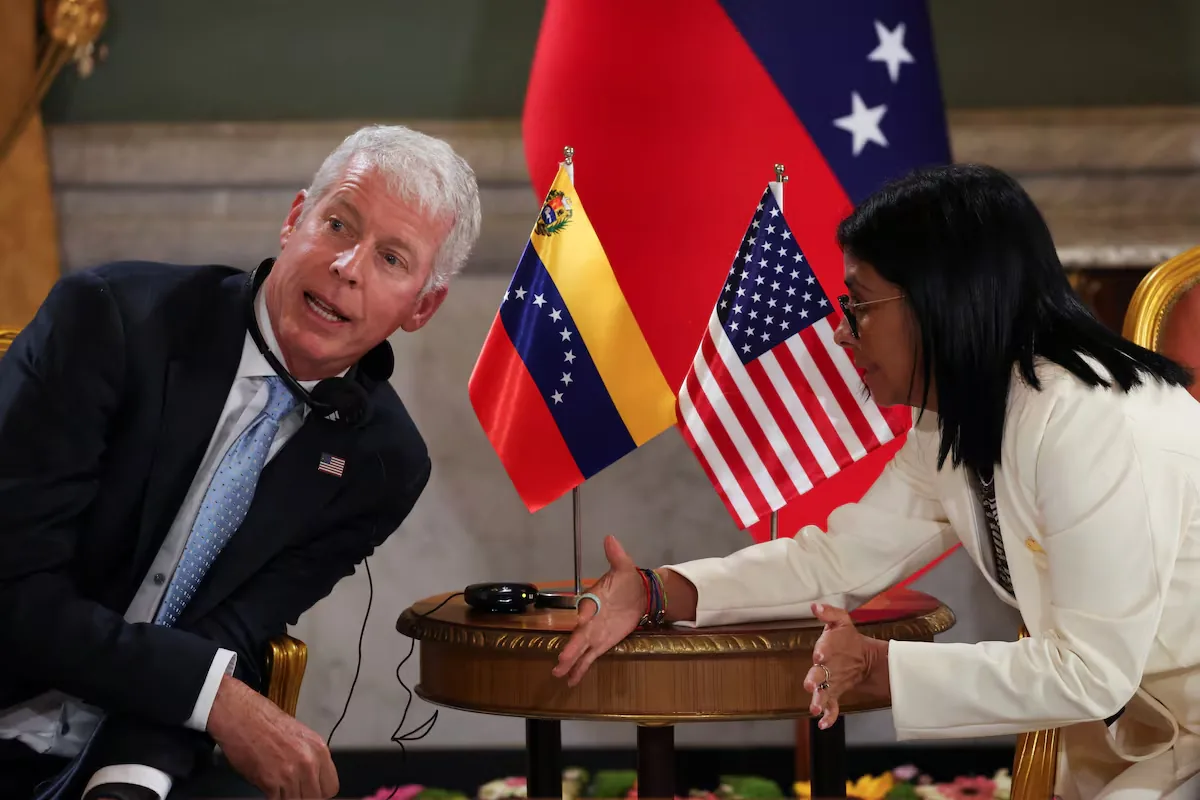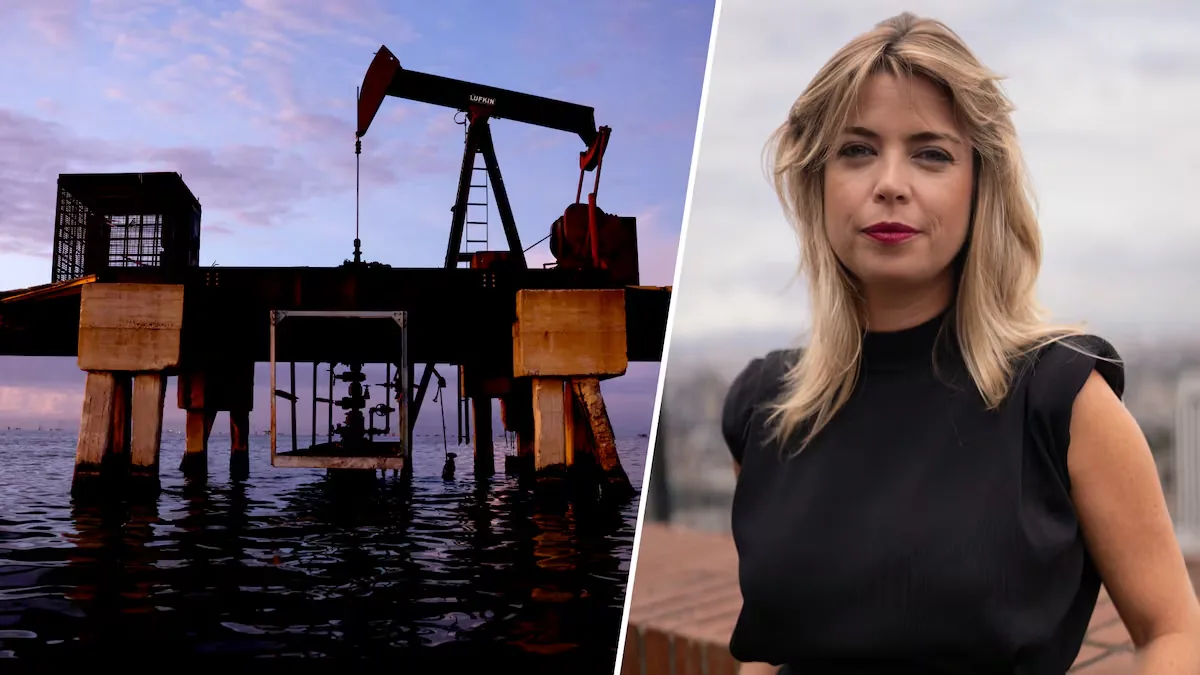








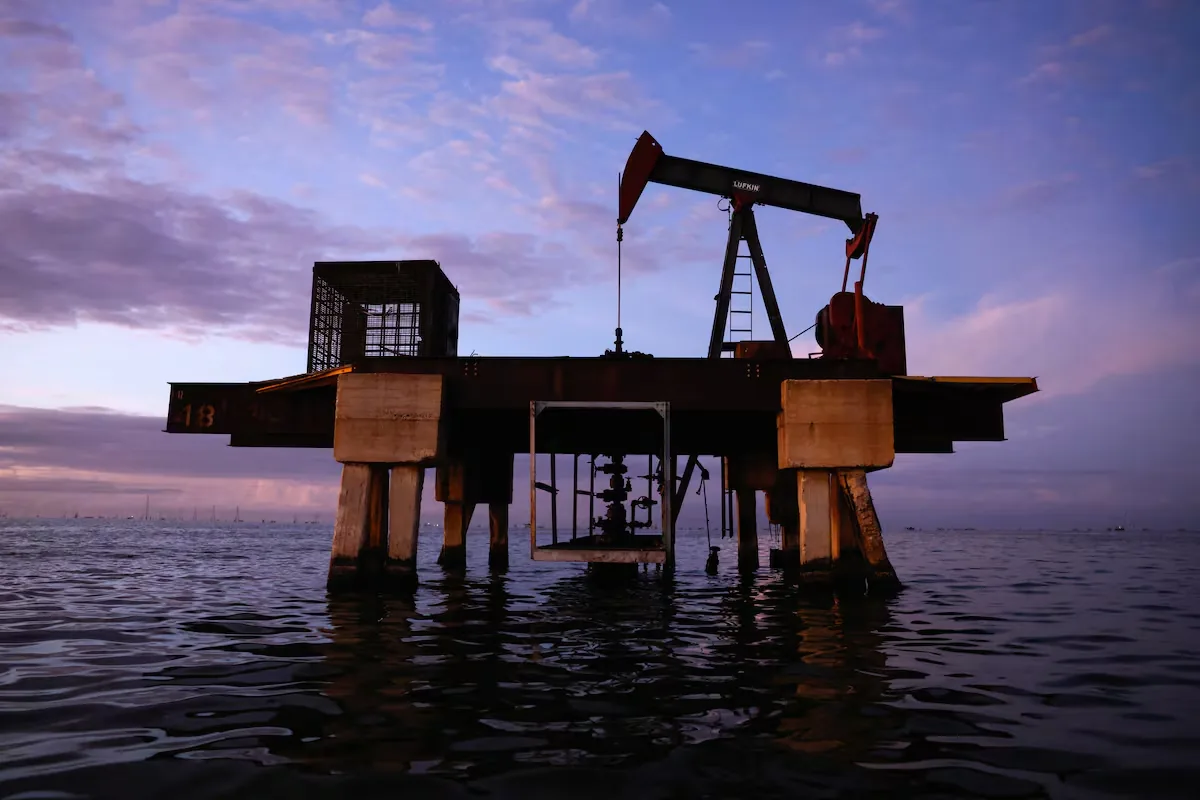
The White House has officially confirmed the “privatization” of Venezuela’s hydrocarbon sector, in a statement released late Monday detailing the pact by which the U.S. Administration takes control of one-fifth of the South American country’s oil reserves. According to this version, the interim government of Delcy Rodríguez has granted for an entire century 17 oil fields holding nearly 65 billion barrels in reserves to the company North American Blue Energy Partners (NABEP), owned by Venezuelan billionaire Alejandro Betancourt, who is under investigation by the Justice system. This company has partnered with the U.S. Government, as confirmed by the presidential office.
Read more Somali pirates display their growing power with new ship hijackings
The release of the new details comes three days after U.S. President Donald Trump announced the pact, which he described as “the largest oil deal in history.” Analysts and industry experts point out, however, that what is known so far about the terms raises numerous questions about how and if it will be fulfilled. Updating Venezuela’s deteriorated oil industry will take years, they say. Some also warn of the possibility that a different Venezuelan government might repudiate the pact in the future. And of the shadows surrounding Betancourt, investigated in Switzerland and Spain for his alleged involvement in a scheme laundering billions from PDVSA, the state oil company.
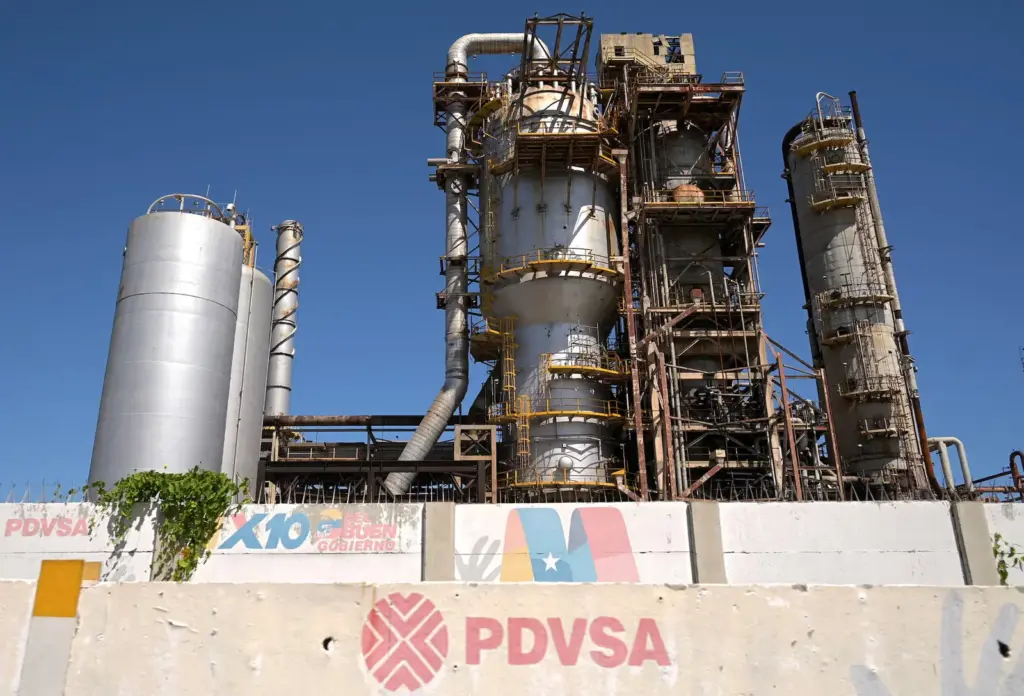
The Republican Administration argues that the pact will create a new oil power on the continent, at no cost to the U.S. taxpayer and benefiting the national security of the North American giant.
As part of the plan, the pact grants the Pentagon, through its Office of Strategic Assets, ownership of 35% of NABEP’s parent company. The State Department will have guarantees to acquire 20% of the production from all oil wells currently and in the future operated by the Venezuelan company, at cost price. It will also have the right of first refusal to purchase the remaining 80%, “which will provide a guaranteed energy source in our hemisphere in emergency situations.”
That supply will allow replenishing the U.S. strategic petroleum reserve, now at its lowest level in four decades, and will also be allocated for “military and other sensitive purposes.”
Veto right
The U.S. Government will have veto power over the appointment of all members of the new company’s board of directors. The White House specifies that a majority of them must be U.S. nationals. The new entity will have “prestigious U.S. auditors, lawyers, and advisors.” The agreement between the Administration and NABEP will be subject to the jurisdiction of U.S. courts and U.S. law. The oil concessions, under the new Venezuelan hydrocarbon law.
Read more Morocco views a royal visit to Ceuta amid its election campaign as a provocation
“NABEP has developed an ambitious plan to rapidly expand production, investing up to $100 billion in new oil infrastructure in Venezuela. That will help create economic growth, support thousands of well-paid jobs in Venezuela, and generate hundreds of billions in broader economic activity,” the White House states in a communiqué. It also confirms the estimate that NABEP is expected to pay nearly $200 billion in royalties and taxes during the first 25 years of the pact — Delcy Rodríguez mentioned $209 billion. These revenues, it maintains, will provide “fundamental” support for “the current and future governments in Venezuela to fund reconstruction and social development.”
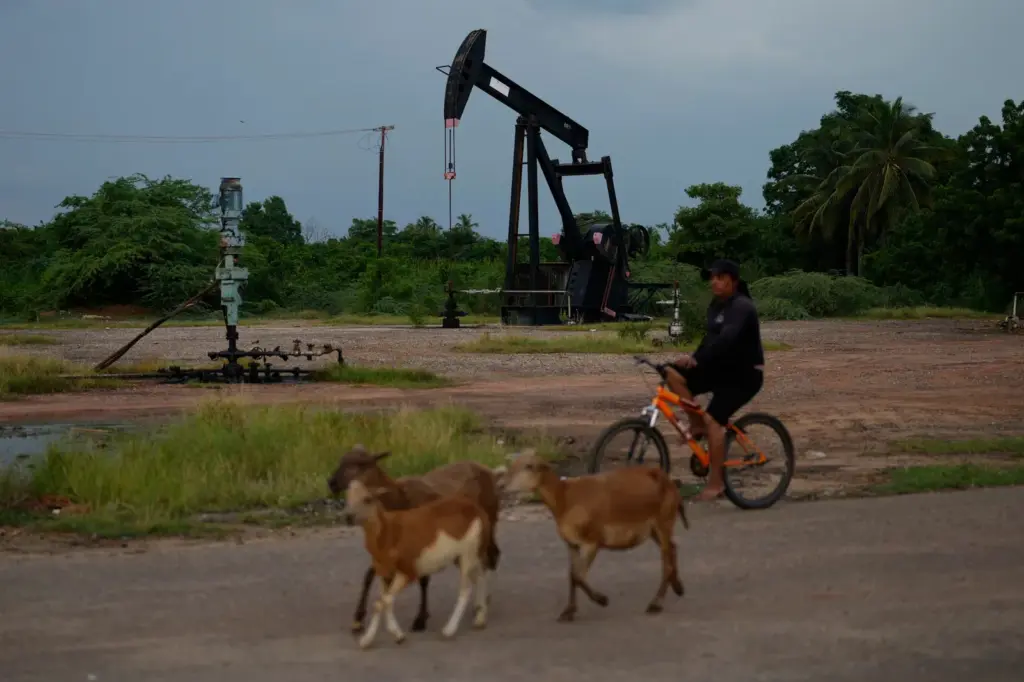
The presidential office presents the agreement as a triumph of the so-called Donroe Doctrine —a play on words combining the current president’s name and the Monroe Doctrine, which in the 19th century proclaimed that America should be for Americans—, the Trump Administration’s policy for Latin America. This new “Doctrine” advocates intensifying U.S. political and economic influence in the region to the detriment of its rivals.
Thus, it specifies that the oil concessions included in the agreement —which Caracas had revealed are located in the Orinoco Belt and Lake Maracaibo, and some of which have never been exploited— had been under the control of Russian and Chinese interests, or corrupt oligarchs associated with Chavismo, during the governments of Hugo Chávez and Nicolás Maduro. “Those malign foreign agents plundered Venezuela’s resources for the benefit of U.S. adversaries such as Cuba, Russia, and China,” the statement says. “President Trump has restored the Monroe Doctrine, to purge malignant foreign influence from our backyard and ensure that U.S. dominance in our hemisphere is never again questioned.”
The White House also argues that Washington has promoted reconciliation talks between part of the opposition and the country’s interim authorities. According to this version, the process has already resulted in “significant reforms” in the country’s judiciary and has allowed the release of hundreds of political prisoners.
Despite the triumphalism with which the U.S. Administration has described it, the plan has received numerous criticisms in Venezuela, both from Chavismo and the opposition, who denounce an operation to seize the national resources of a country in a manner that seems straight out of 19th-century colonialism, and with the acquiescence of a Venezuelan interim government forced to say yes to everything from the United States to stay in power.
Read more A 20-year-old young man seriously injured in a stabbing attack in San Blas