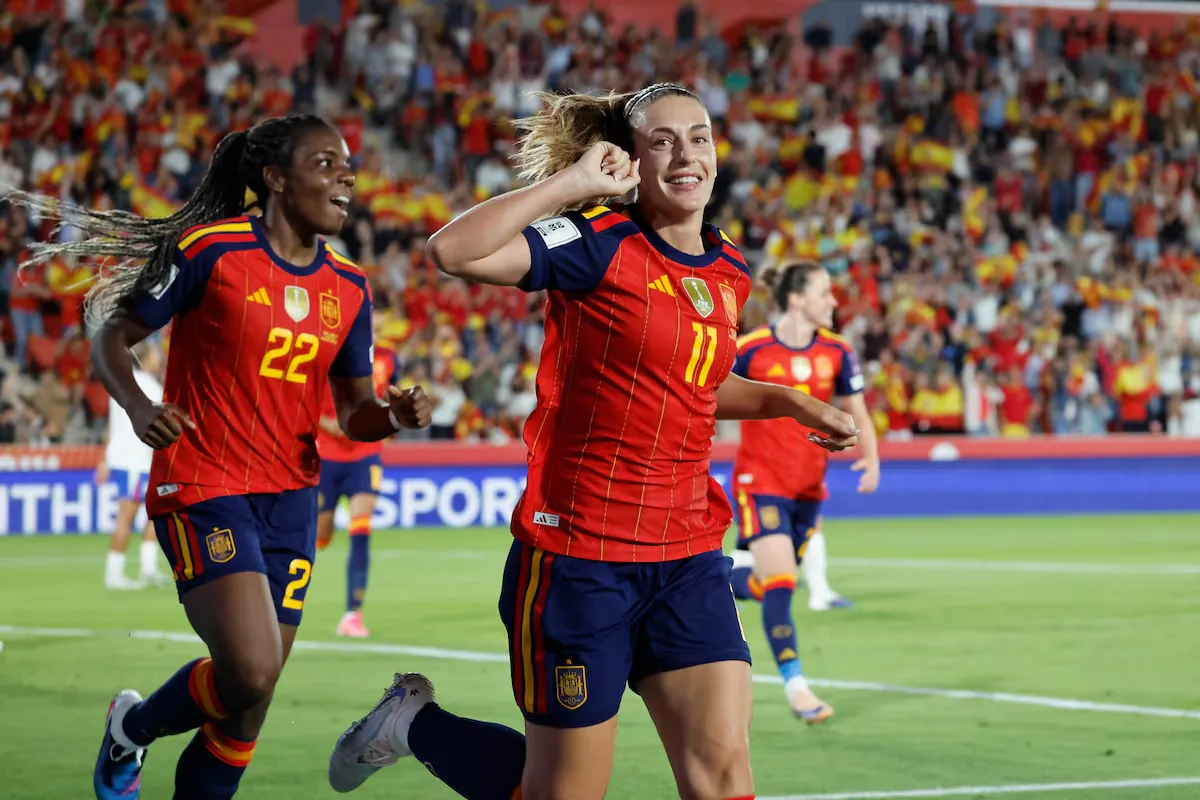
Elite athletes have been opting to freeze their eggs on their own for years, whenever they find a gap during vacations, or even during rehabilitation time after surgery for an injury. Right in the period when they are focused on achieving victories and records, they must ask themselves if they want to become mothers, because the peak of their career coincides with the highest quality of their eggs and the best time to get pregnant. What is new now is that national teams, leagues, and clubs are beginning to take charge of the process. The Royal Spanish Football Federation is finalizing an agreement with a fertility clinic to offer vitrification treatments to its players, which will be made public in September. Additionally, the Spanish Footballers’ Association announced this Monday a collaboration agreement with a private hospital “to put the experience of its assisted reproduction unit at the service of its members.”
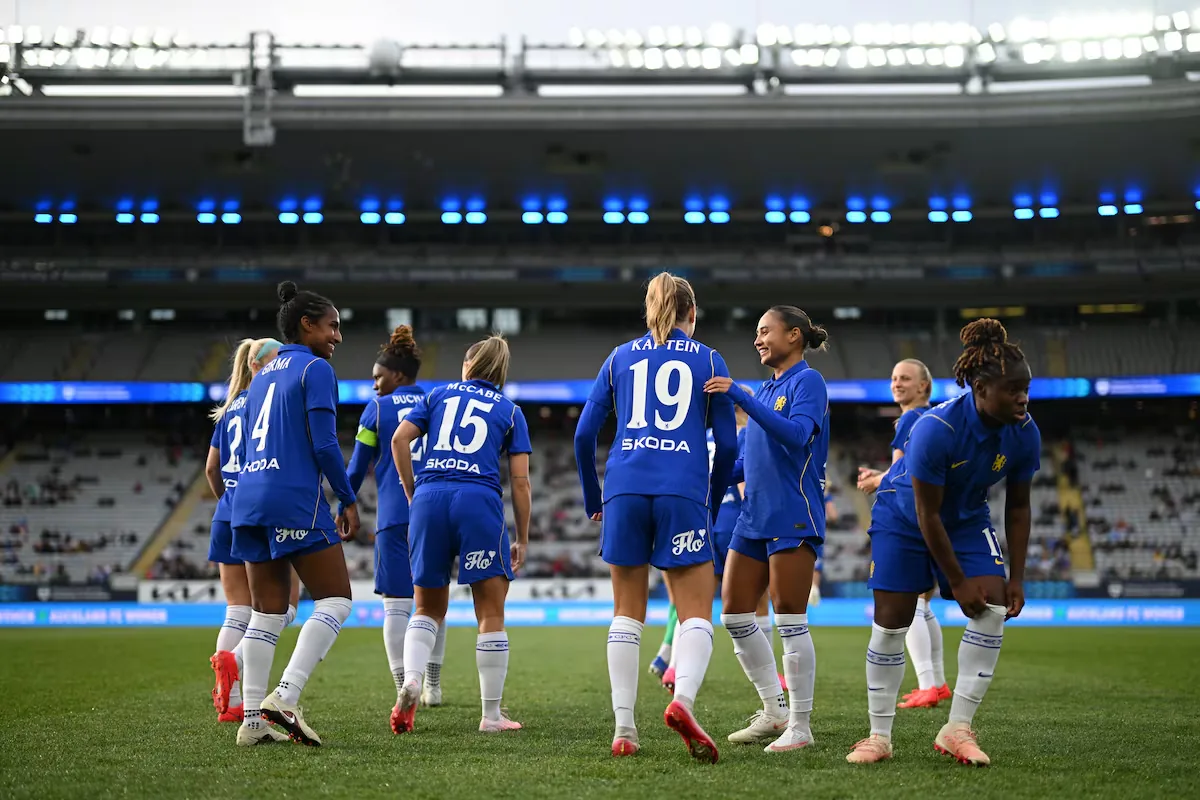
The first football club to have an agreement with a clinic for treatments was Racing Louisville, from Kentucky, in 2021, which committed to covering the costs of subsequent cryopreservation for those who leave their contracts. The process costs between 2,000 and 4,000 euros, plus the cost of medications, between 800 and 1,000 euros, and preservation of 400 euros per year. UEFA recommended this year to “incorporate fertility and reproductive treatments into labor policies” and Chelsea announced a few weeks ago an alliance with a clinic, along with a fund to cover “evaluations, treatments, and counseling.”
The sports career can start at 17 years old and extend up to 36. “Before, women’s football was not at the levels it is now, it was not given the current attention and that means players have more resources; in terms of performance, we are better prepared,” explains Eva Ferrer, a specialist in Sports Medicine. She is also a former women’s football doctor for FC Barcelona and a member of UEFA’s female health expert committee, stating that vitrification has started to be talked about more in the last couple of years, but it is still something new.
“There are not enough studies on how the treatment [ovarian stimulation] could affect joints, for example, soft tissue,” adds the expert, and that influences how to adjust training to avoid injuries. She also reminds that the medications used must be declared in the drug exemption document, the TUE, so the player is not sanctioned for doping, and there is still not full awareness of this.
In May, the largest national professional athletes’ union in the world, the Professional Footballers’ Association of England, published its alliance with a fertility clinic for men and women. In 2024, the US players’ union established in its labor agreement that it would assume the administrative costs of a management and counseling provider, although the treatment falls under the member’s health insurance. In Spain, the latest collective agreement for first division female footballers included some points on pregnancy and postpartum, but does not contemplate support for ovarian preservation or fertility.
The treatment for egg freezing lasts about two weeks. The woman must administer injections of hormonal medications that stimulate the ovaries so that, instead of maturing a single follicle, more develop, allowing several eggs to be obtained in the same cycle. Then, the doctor performs an ovarian puncture, under sedation, to extract them. The patient may experience discomfort and bleeding during the following days, while the ovaries return to their normal size after stimulation. Clinics recommend collecting about 10 oocytes; if not, the procedure can be repeated. Risks include hyperstimulation, where too many follicles develop uncontrollably, or ovarian torsion, where a follicle twists on itself and compromises blood circulation.
“The medical protocol details that normal life can be maintained, but for a high-performance athlete these are days when you do not perform the same: you will not run as fast nor have the same intensity,” details gynecologist Rebeca Beguería, who has accompanied the process of various players. They will feel a lack of energy and increased risk of injuries, as well as possibly suffering greater damage from a blow to the abdomen. The doctor, co-founder of the Blivf clinic in Barcelona, explains: “The blood in your body is distributed differently, it concentrates there; the belly and chest are more swollen, there is a tendency to have migraines and fluid retention.”
Read more Somali pirates display their growing power with new ship hijackings
Beyond the sports world, there are companies that also cover these treatments for their female employees and have received criticism from those who consider that they were pushing them to postpone motherhood to perform longer. Vitrification offers an option not to interrupt their career, but it also delays pregnancy beyond the ideal age. Specialists insist it is important that everyone knows as soon as possible; both the risks and the possibilities of the process.
Sports medicine for women
“Medically, it is recommended that the woman gets pregnant as soon as possible, because in the end we are biologically designed to be mothers by a maximum of 35 years old and we have extended that,” explains Beguería. Eggs and embryos lose quality over time and there is much more risk of pathology, hypertension, or diabetes in a pregnancy at 45 years old. The doctor adds: “There is a dissociation between what we should do biologically and what life really allows you to do, and there the strategy of vitrification is the least bad.” The first professional female footballer in Spain who gave birth and continued playing afterwards was María Alharilla. She did so in 2021 and is now captain of Levante.
Beguería comments that “sports medicine is trying to have more information from a female perspective, because until now it was viewed, diagnosed, and treated from the male body.” There is a lack of studies on how these hormones influence performance, and how they affect ligaments, joints, and muscles. “More women are needed in professional teams to accompany them because the vision is not the same. Many of them are surrounded by men all day,” emphasizes the gynecologist.
The decision of when and how to become a mother sometimes also depends on the type of sport discipline, because each has a different calendar. The Women’s Tennis Association, which organizes the professional world circuit, launched last year a rule so that players in the top 750 who were out of competition for more than 10 weeks due to a fertility preservation procedure would return to the circuit with a special entry ranking for the next three tournaments. Clubs of the Women’s National Basketball Association in the United States reimburse up to $20,000 annually (about 17,000 euros) for expenses of this kind not covered by insurance.
“The world of athletics was one of the first where it was seen that athletes got pregnant and returned to very high levels,” recalls Ferrer. Being a mother is not incompatible with continuing the career, but it was not common until recently and teams still have to adapt to learn to support this recovery with its particularities. However, there are still more barriers than supports in favor of this break.
Triathlete María Pujol Pérez says that being a mother was not in her plans: “In my best years it was training at maximum and dedicating myself exclusively to myself in body and soul.” She used to do up to four sessions a day, 7 days a week, averaging 30 hours weekly. She did not know this option until gynecologist Manuel Fernández, director of the Vida Sevilla Recoletas clinic, told her about cryopreservation and accompanied her in the process. “It is costly, but it is an alternative for the future,” she says years after having become a mother to a girl. For her, it is still very difficult to get pregnant in the middle of high performance: “Almost all the athletes I know [who have been mothers before retiring] are in their thirties and have already had a successful career.”
Read more Morocco views a royal visit to Ceuta amid its election campaign as a provocation