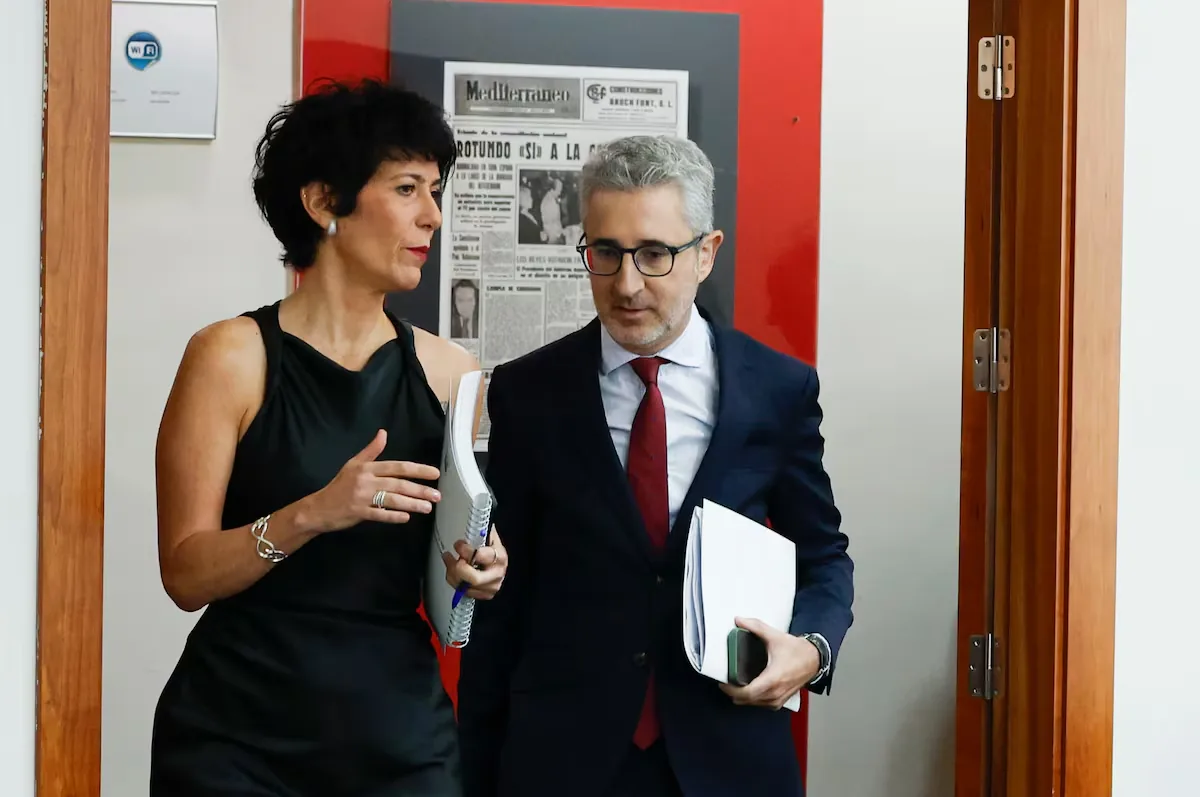
The Ministry of Finance has decided to loosen restrictions so that the communities can spend their surplus in the coming years. This was announced this Tuesday by the head of the department, Arcadi España, who framed the initiative, which comes after the autonomous communities almost unanimously rejected the Government’s proposed reform of the financing system, as a new step in the policy of support by Pedro Sánchez’s Executive for regional finances. According to what was agreed by the Council of Ministers, not only will the communities be able to invest, over the next two years, the savings they have achieved in 2025, but those with the healthiest accounts will enjoy even more flexibility and will not have to previously use those surpluses to amortize debt, as dictated by budgetary regulations.
Read more Kalie McCrystal, the high mountain runner missing in the Matterhorn
“It is the Government in the history of democracy that has most supported the financial sufficiency of the autonomous communities, which is another way of saying that it has most supported the welfare state in our country (…). And it has not always been like this in other periods governed by the Popular Party,” the minister said during the press conference held after the Council of Ministers. At the start of his appearance, España reviewed the policies implemented by the Executive in favor of the autonomous communities, from the forgiveness of negative settlements during the pandemic to the provision of record resources from the financing system, reproaching the almost unanimous rejection by the regional governments of the proposed reform of the financing system, which would contribute more than 21 billion euros to the common basket.
With the measures approved this Tuesday, which according to the minister are “in line” with the support provided so far to the communities, Finance authorizes the regional governments to use the budget surplus achieved in 2025 during the remainder of this year and the next in the so-called financially sustainable investments (IFS), such as social and affordable housing. These financial vehicles refer to projects with the capacity to have positive effects on the economy and are usually associated with local corporations, but are also contemplated for the autonomous communities. The territories will be able to invest their savings in these initiatives once the outstanding debt has been amortized, without counting towards the spending rule.
According to the head of Finance, eight communities will be able to benefit from this measure, with the potential to mobilize almost 4 billion euros for investments in their territories: Asturias, Canary Islands, Navarra, Basque Country, Andalusia, Balearic Islands, Cantabria, and Galicia, which are the autonomous communities that registered a surplus in 2025.
Read more Trump asks Putin to end the war in a phone conversation
The ministry had already provided this same authorization last year for the savings achieved in 2024, but now it has approved an additional flexibilization. The decree will allow surplus autonomous communities that had a debt-to-GDP ratio below 12.4% at the end of 2025 — Asturias, Canary Islands, Navarra, and the Basque Country — to allocate their surpluses directly to investments instead of previously reducing debt, as established by the Organic Law of Budgetary Stability.
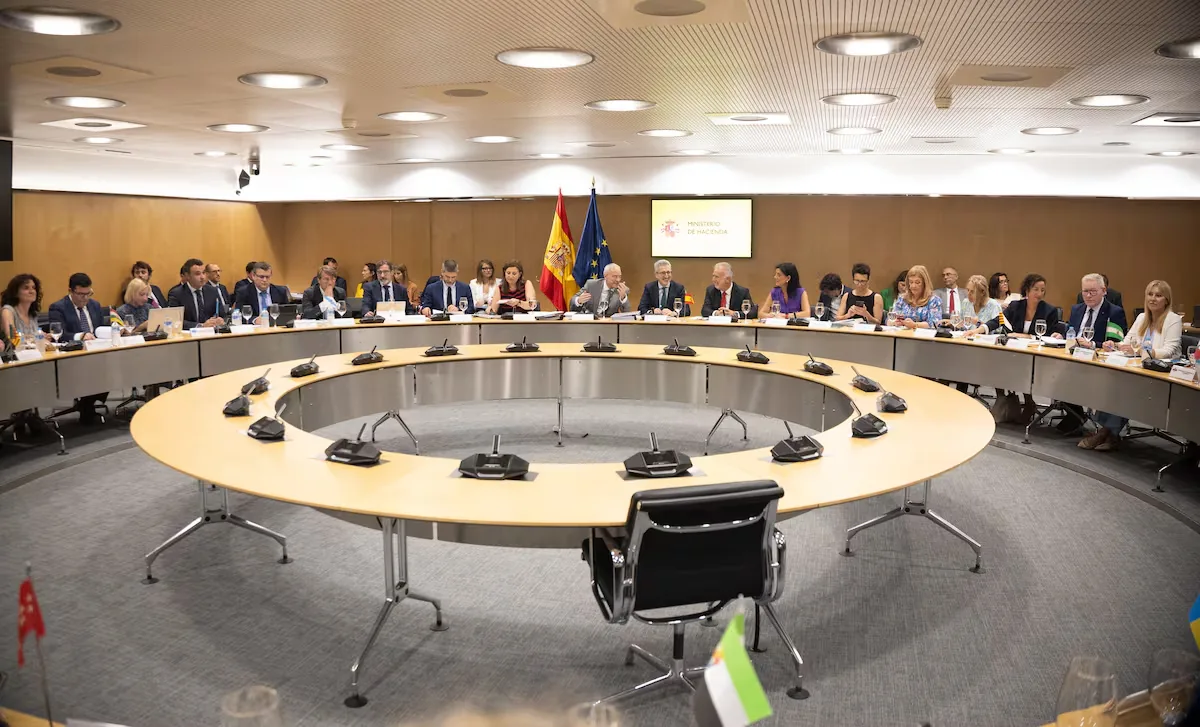
The head of Finance took advantage of the press conference to remind that the communities are receiving record resources and to call for responsibility from the PP barons regarding the reform of the financing system. Last Friday, the Fiscal and Financial Policy Council (CPFF), the meeting where communities and the central Executive gather to address the most relevant issues related to regional finances, gave the green light to the new model designed by the Government, but only obtained the support of two communities, Catalonia and the Canary Islands. The rest of the territories, both those governed by the PP, which are the majority, but also the socialists, voted against the initiative, reproaching that it was agreed bilaterally between the PSOE and ERC, instead of arising from a multilateral negotiation among all territories.
Read more Arrested a suspected climate activist as the perpetrator of sabotage against the German power grid