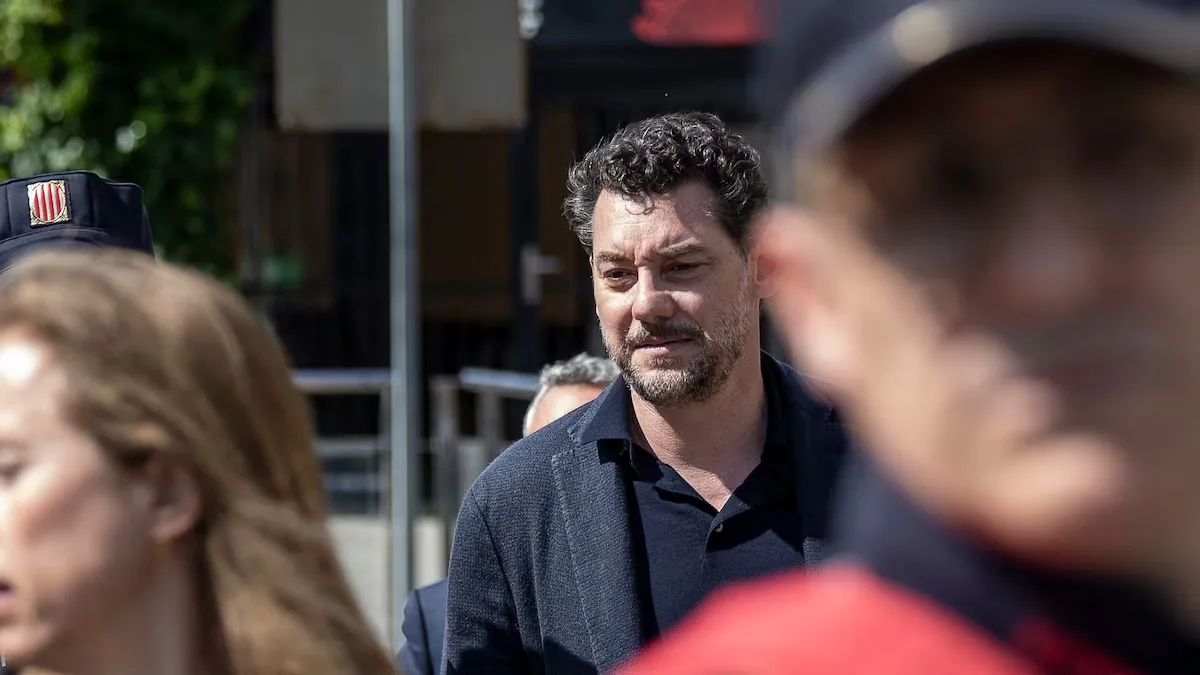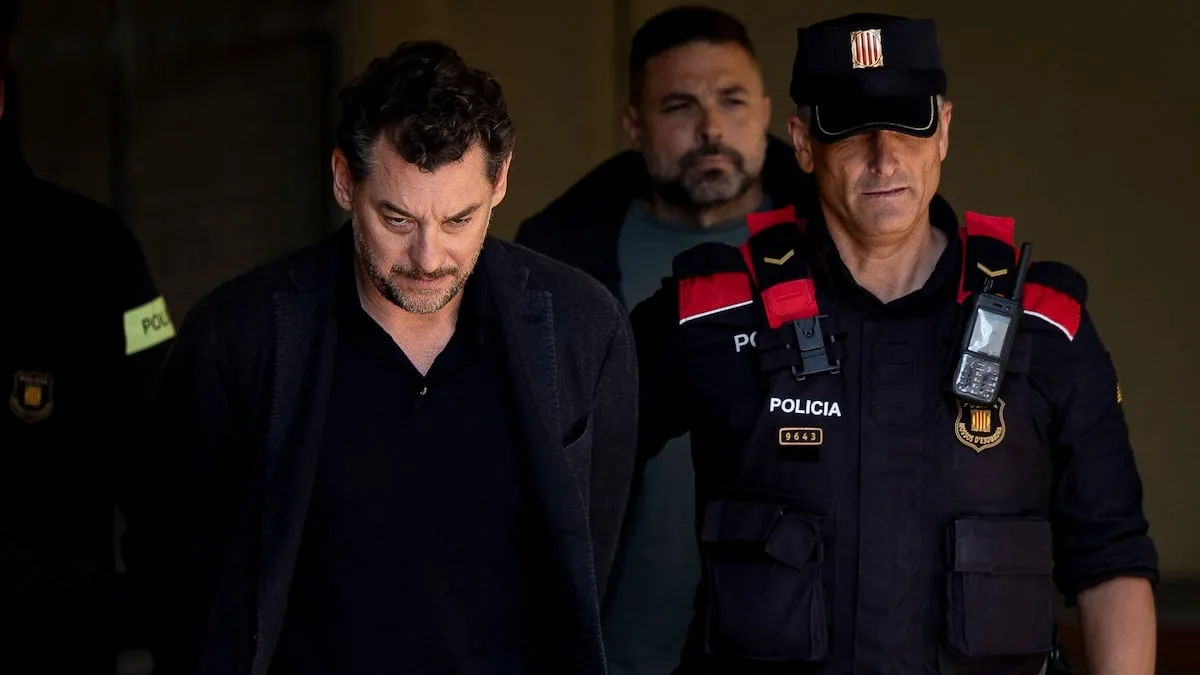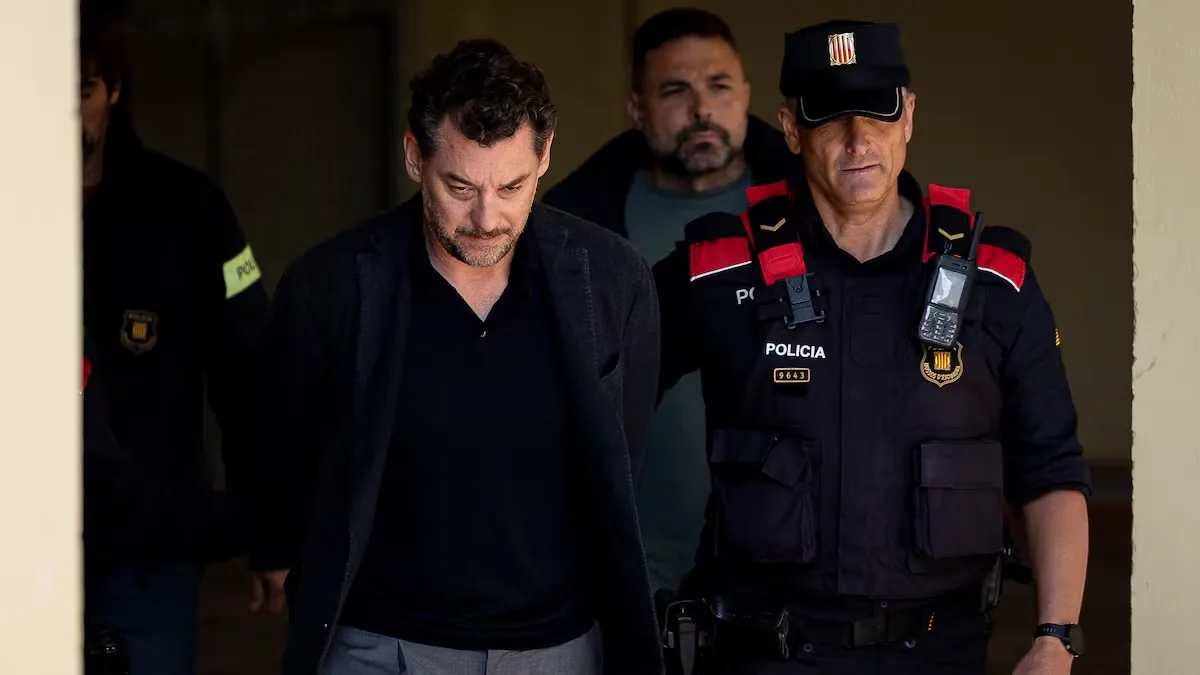
The judge investigating the Andic case ordered the Mossos d’Esquadra last July to provide a detailed report on the lightning trip to Quito (Ecuador) during which Jonathan Andic, investigated as the alleged perpetrator of the homicide of his father, Isak Andic, supposedly lost his mobile phone. In an order to which EL PAÍS has had access, Judge Raquel Nieto instructs the police to find out the credit card expenses incurred by the eldest son of the family during the trip, which lasted barely 48 hours between departure and return to Barcelona. Nieto has also requested the record of phone calls made from that country, as well as whether he accessed a specific iPhone application that allows locating the device in case of loss.
Read more What makes AfD a threat to democracy in Germany?
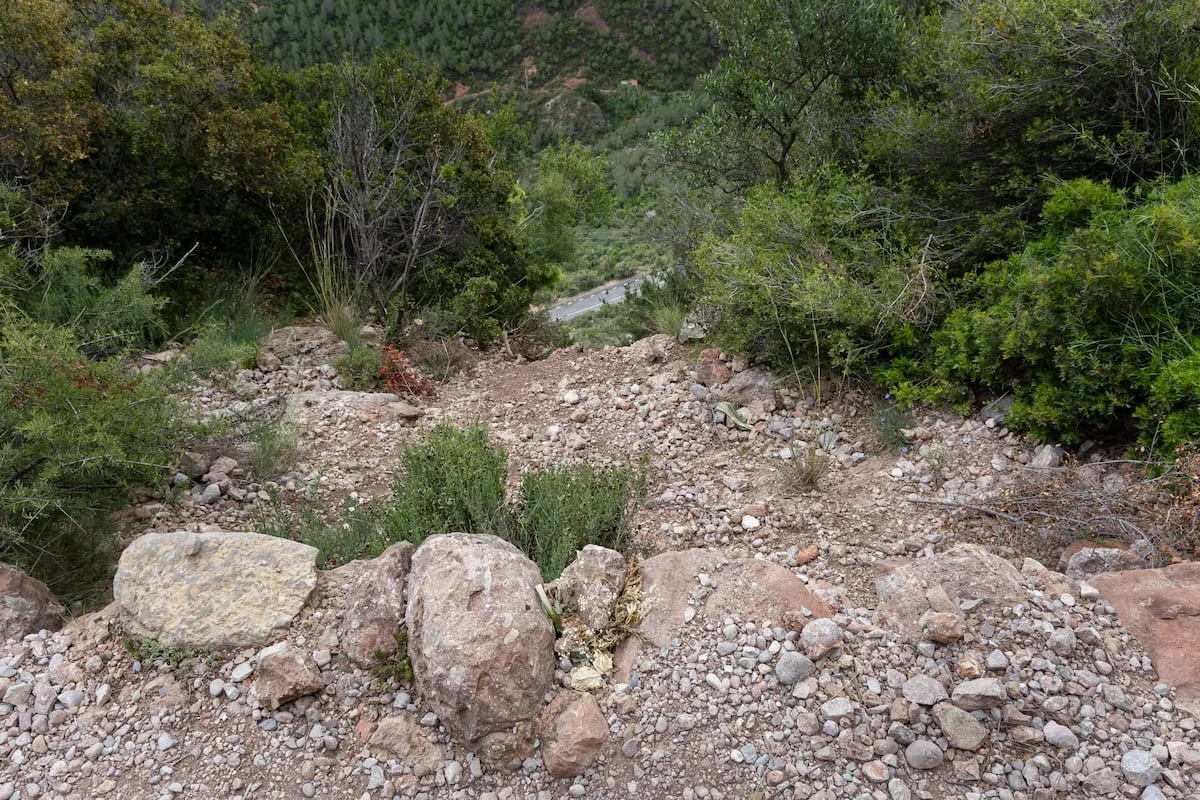
On March 24, 2025, four months after the death of Isak Andic following a fall from a height of nearly one hundred meters during a hike to the Montserrat mountain (Barcelona), Jonathan Andic left Barcelona on a trip to Quito. He returned barely two days later, on March 26. During his stay, according to the defense’s version, the phone was stolen from him in a public square in the capital. Jonathan, who did not file a complaint, communicated this circumstance to his secretary at Mango.
The loss of the mobile phone “under strange circumstances” is one of the seven indications included in the provisional bail detention order issued by the judge on May 19, following the arrest of Jonathan Andic as a suspect of parricide. After testifying and defending his innocence, the eldest son of the founder of Mango posted the one million euro bail requested by the Prosecutor’s Office and was released. In the resolution, the judge, who adopts the conclusions of the Mossos, emphasizes that the date of disappearance of the device (an iPhone 14) “coincides with the information given by the media about the reopening of the judicial file.”
Investigators suspect that Jonathan Andic traveled to Quito with the intention of making his device disappear, or that the device never even boarded the plane, so that compromising messages with his father and other family members would remain safe. The Mossos verified that on the morning of his trip, still in Spain, the Health app on Jonathan Andic’s mobile phone was not activated at any time, nor was it activated in Ecuador, something that had never happened before. It is an app that counts steps and has been one of the key elements of the investigation. Communications between Isak Andic and his son, however, are included in the case file, as they were preserved (those from the last ten years) on the phone of the founder of Mango. Some of those messages, though not all, reveal episodes of a bad relationship between them and also how they underwent intense and unusual therapy to try to revive it.
The Mossos d’Esquadra made efforts to check if the device was reported stolen, but the result, the judge recalled, was “negative.” It could not be otherwise because, as the defense admits, Jonathan Andic never reported the alleged theft. Months earlier, the eldest son had already requested the new device, an iPhone 16, from the company (executives like him change them periodically), but he did not pick it up and only did so once he was forced to, after losing it in Ecuador. Investigators consider that, with this maneuver, Jonathan managed to have part of the phone’s content deleted.
Read more The Sahrawis receive the nationality law as a historical reparation with recognition of rights
Jonathan Andic’s defense vehemently rejected that thesis. They consider it is not true that he deleted content from the phone, but simply that “the backup of WhatsApp conversations was not recovered”; they also point out that there is no record that the eldest son had those backups activated in the messaging app. In his appeal to the Barcelona Court — whose decision, pending, will weigh the strength of the evidence accumulated so far — lawyer Cristóbal Martell also rejected that it was a “strange” circumstance. It is not unusual, he argued, to suffer a mobile phone theft in a square in Quito, “just look at open sources on statistics of thefts and robberies in public spaces.”
That the trip was, indeed, “lightning,” also neither adds nor subtracts anything, always according to the defense. It is common for senior executives to have to travel to a remote place “for very brief meetings of hours, which require their physical presence.” Sources close to the family mention that, in this case, Jonathan traveled to Quito for a project linked to the publishing world. The defense also criticizes the idea that he left hastily due to news appearing in the media, since these are from March 4 and the trip did not take place until twenty days later. “It does not seem like a reaction causally linked to pretrial panic.”
The detective hired by the defense, Paco Marco, also spoke about that trip in the strong defense he made of Jonathan Andic in an interview on the Rac1 radio station, days after his arrest. According to the Mossos, the device was not connected in Ecuador. But Marco challenged that suspicion by providing, on the station, a list of calls that prove, according to the defense, that the number was active and that Jonathan made calls through a company in the Latin American country.
The judge, in any case, has wanted to clarify the doubts herself to resolve one of the indications accumulated in an investigation in which there is no direct evidence of what happened in Montserrat: a homicide in the eyes of the Prosecutor’s Office, an unfortunate accident in the defense’s version.