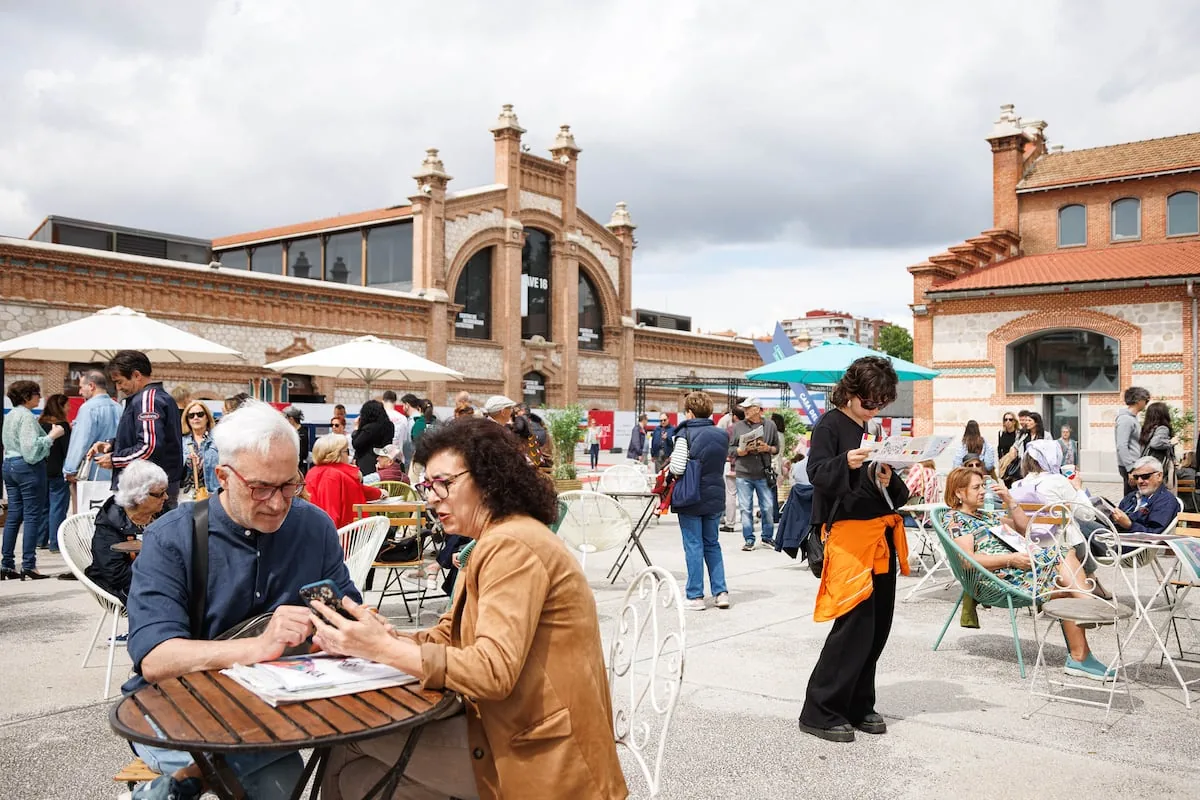
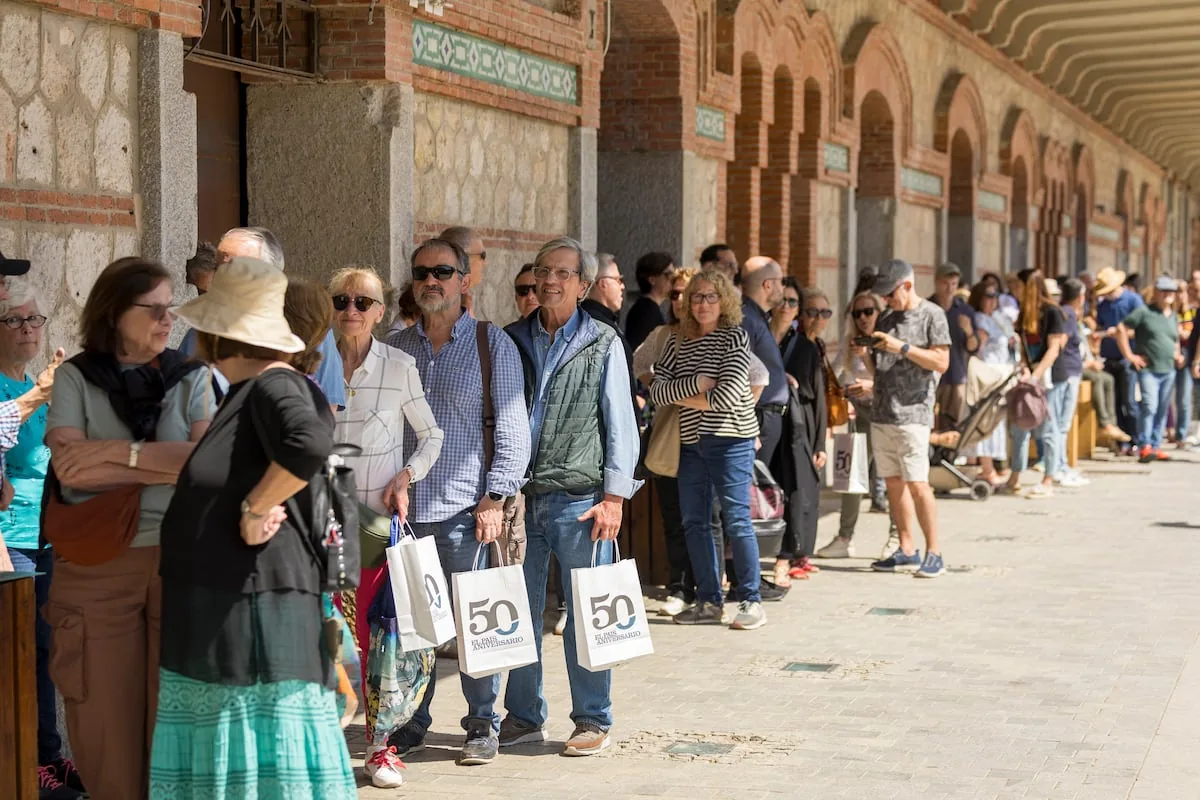
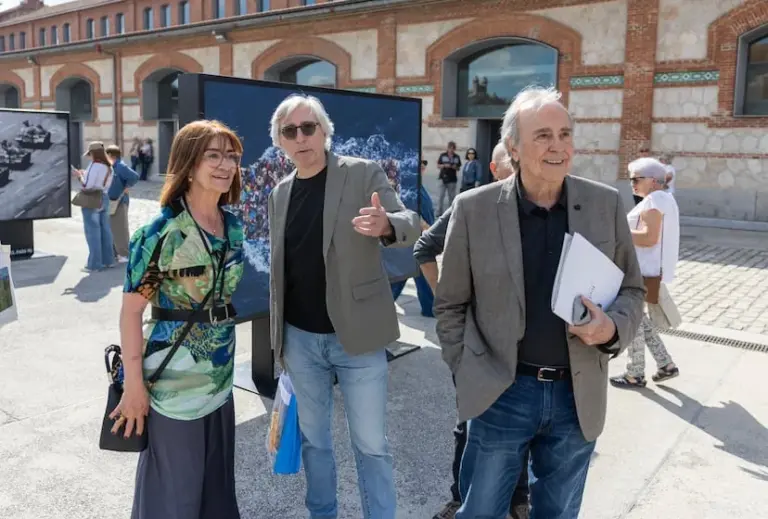
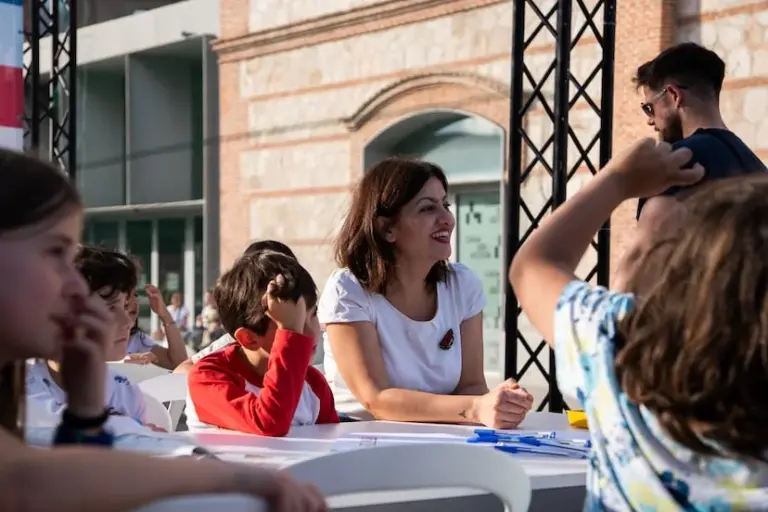
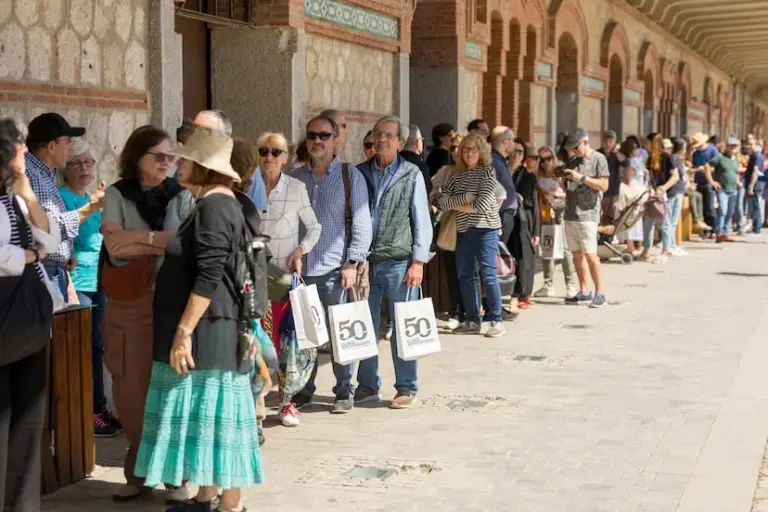
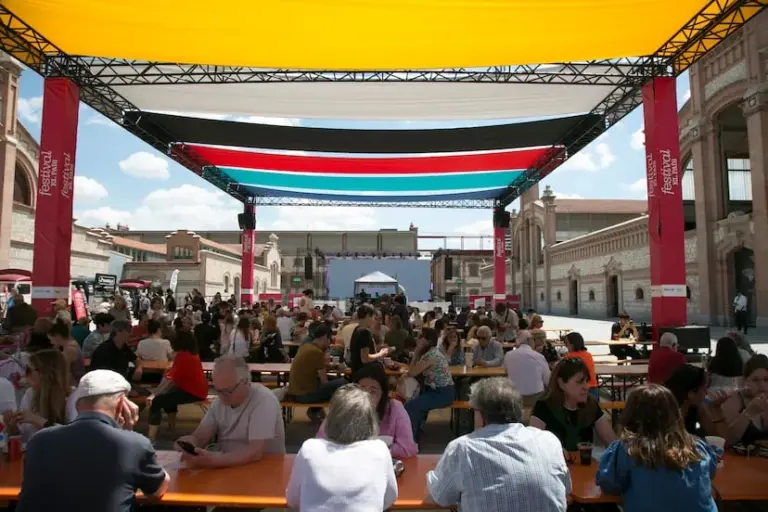
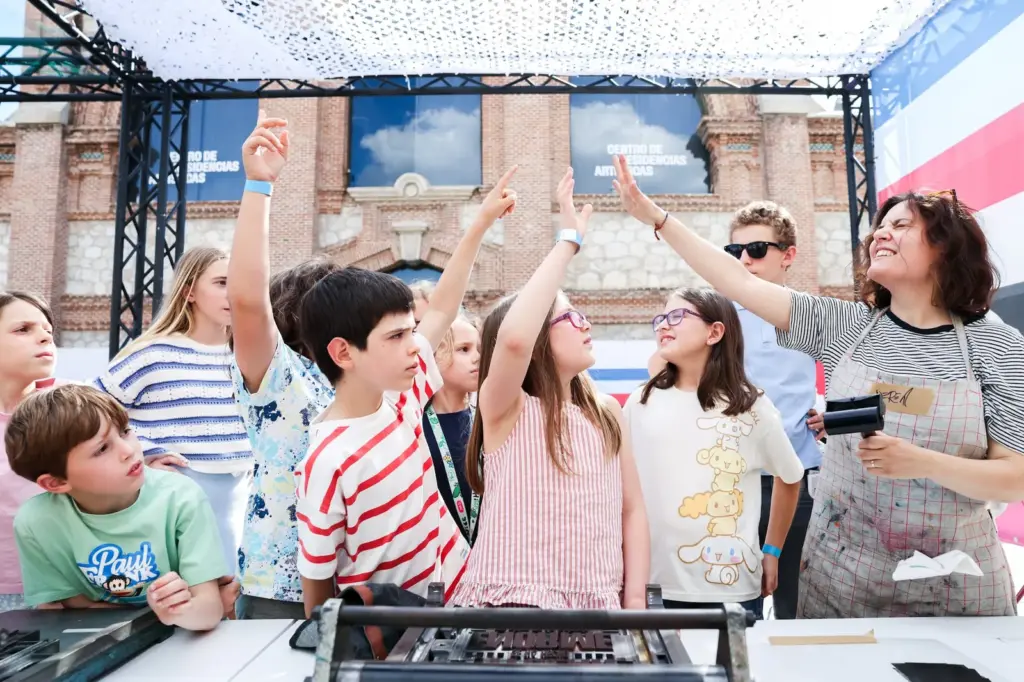
And 50 years later, El PAÍS jumped from the pages to the street. The editors, the executives, the correspondents, the photographers, the illustrators, the columnists; the stories, the mistakes, the successes, the coincidences, the challenges; all and everything that makes it possible for the whole world to fit every day in a handful of pages or on a mobile screen has gathered today in a single space to explain to the true protagonists of this—the readers—how their newspaper is made and has been made for half a century. Journalists, somewhat schizophrenic, are fond of talking about everything, even without knowing much, except for one thing: themselves. But, for once, the journalists of El PAÍS have committed to putting themselves in front of the camera or the audience, to get on stage and tell others the most human and often most unknown part of their work. It’s the world upside down. It happened—and will happen until Sunday—in the old warehouses of the Matadero in Madrid, in the Legazpi neighborhood. Come see it.
Read more Ukraine will demobilize soldiers who have been fighting since the beginning of the war
Shortly before the first act began, the director of EL PAÍS, Jan Martínez Ahrens, was reviewing the first speech by reading it aloud, walking alone up and down a hallway. One would think that the director of a newspaper is used to giving speeches and does not get nervous about speaking in public. But that is one of the things that this type of event teaches. In the speech, Martínez Ahrens recalled the words of the founder José Ortega Spottorno spoken five decades ago, which served as a guide and are still fiercely relevant today: “El País is an independent, liberal, and socially supportive daily.” The past and the future. It’s good to know where you come from to know where you’re going.
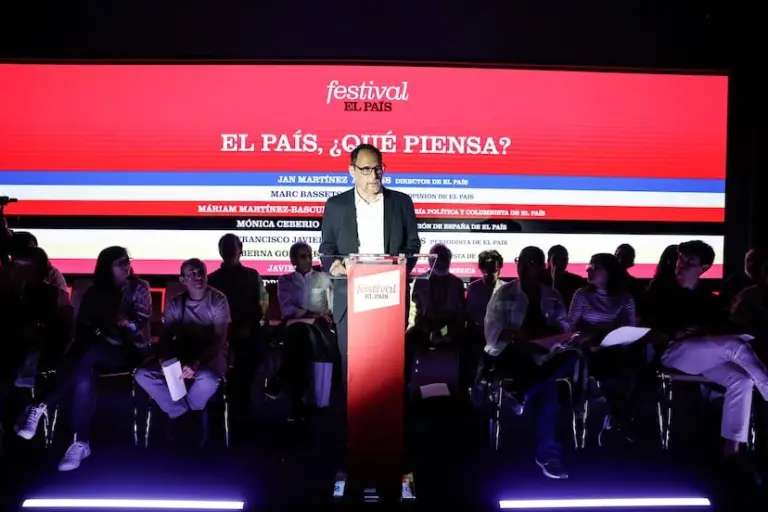
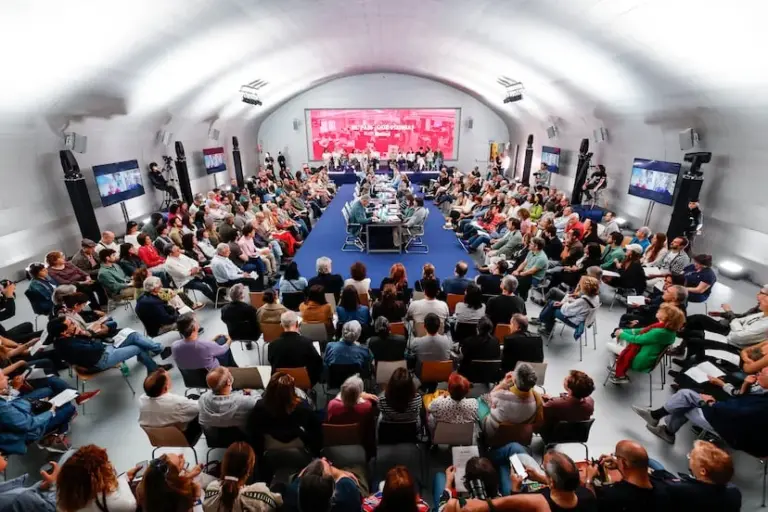
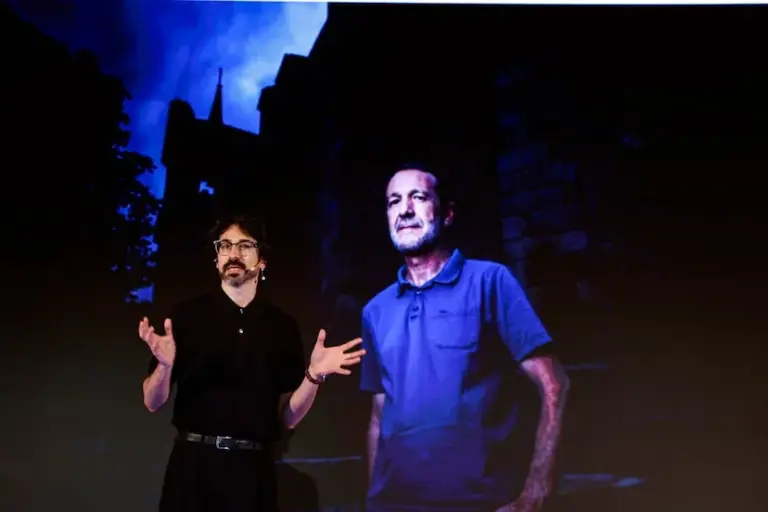
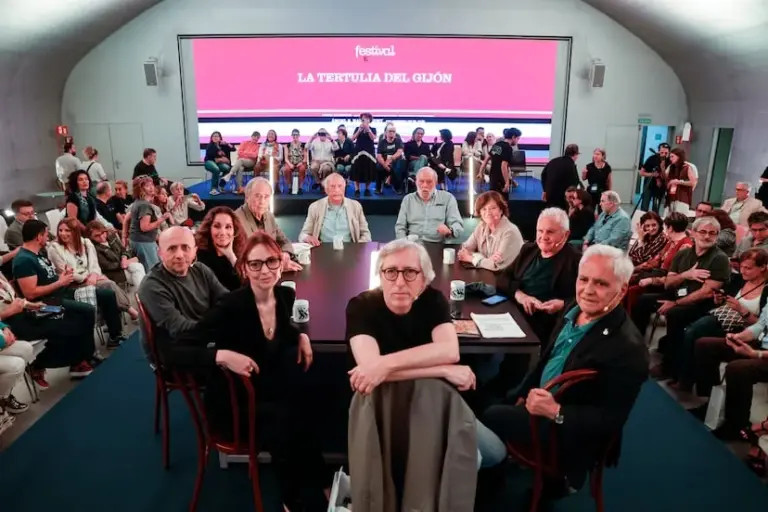
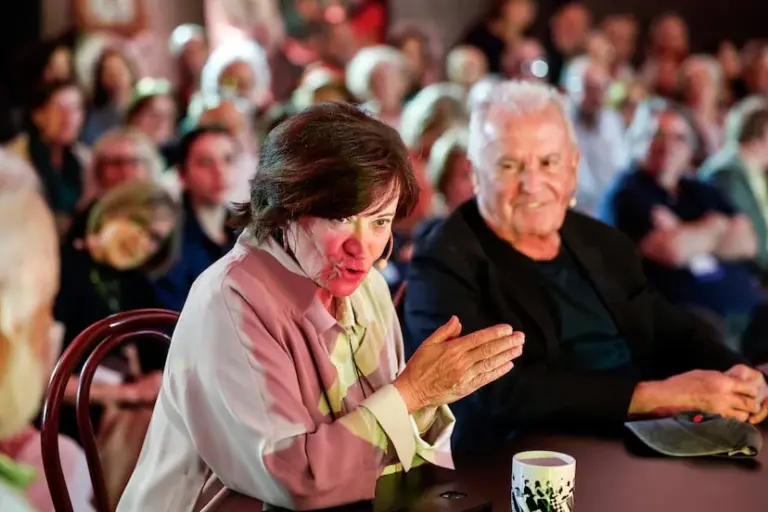
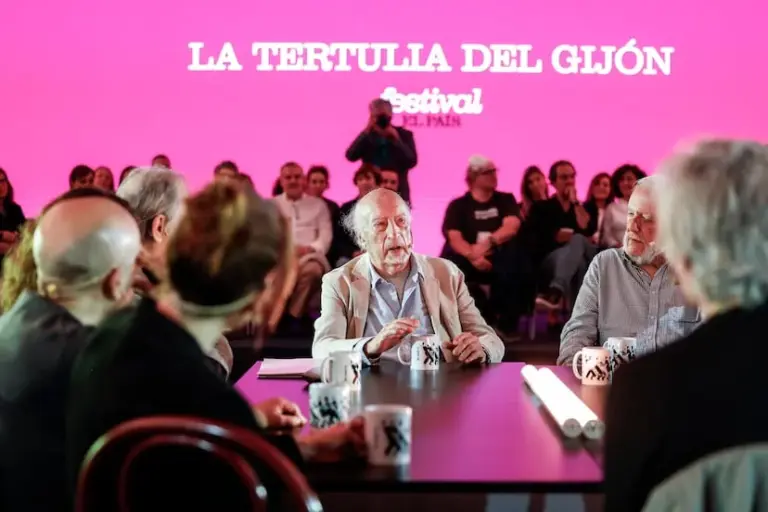
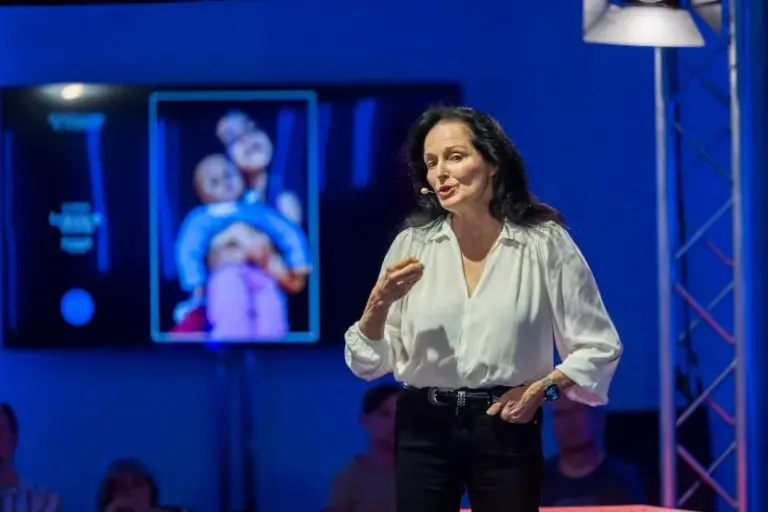
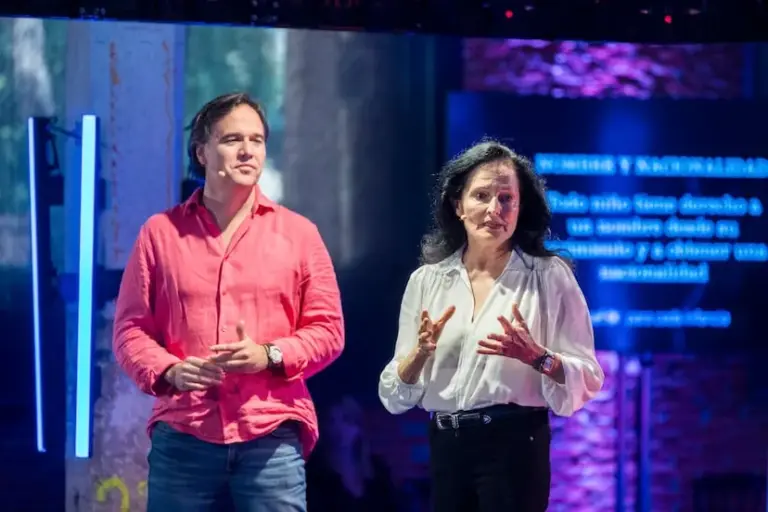
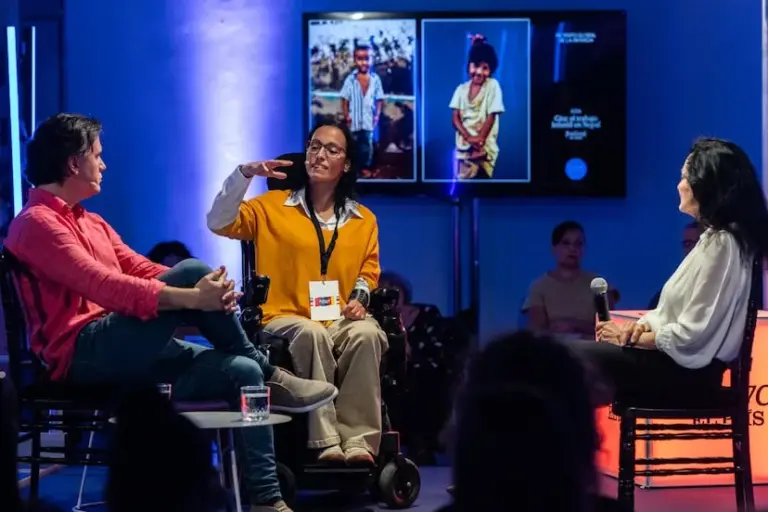
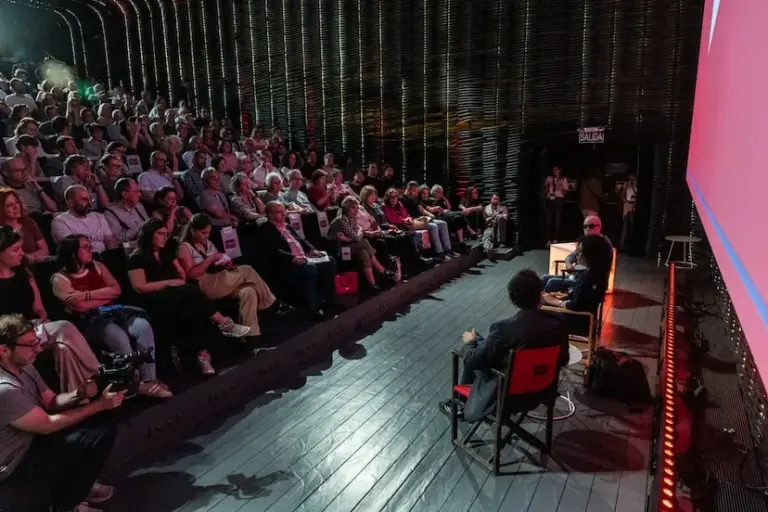
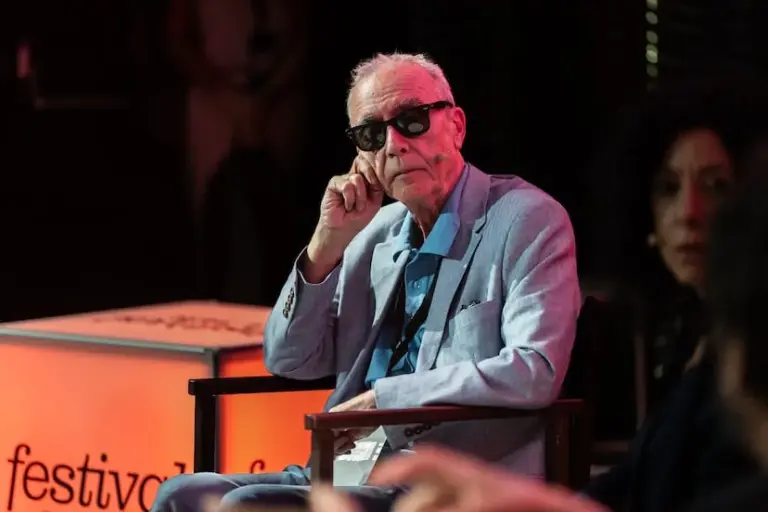
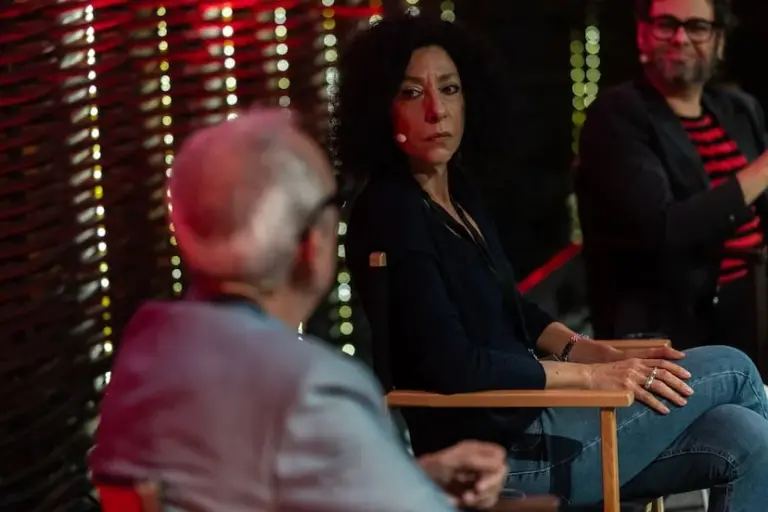
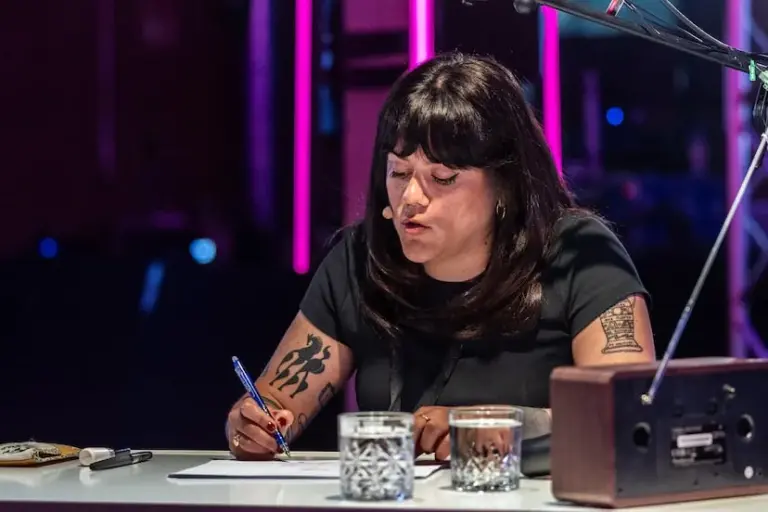
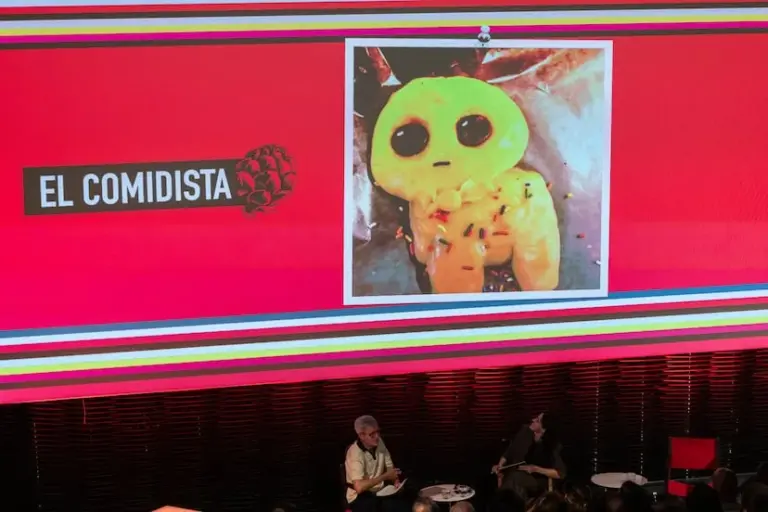
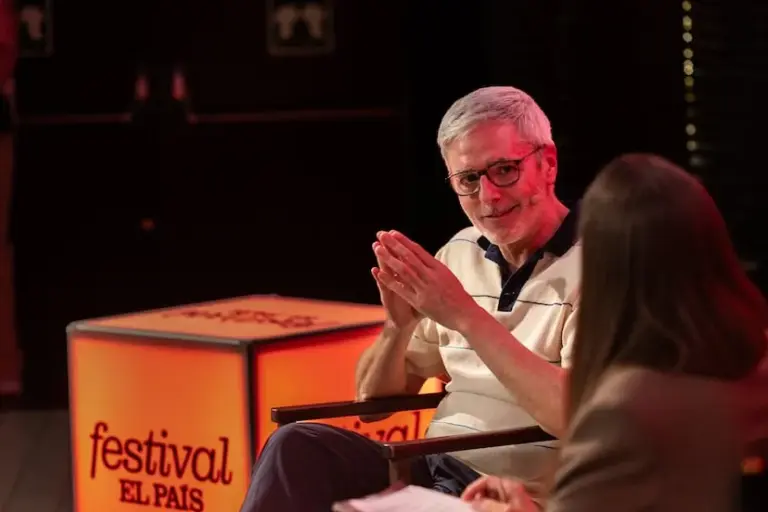
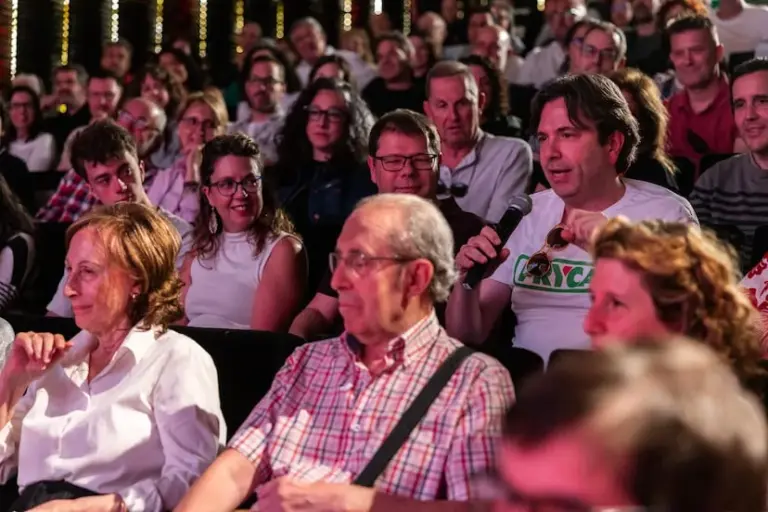
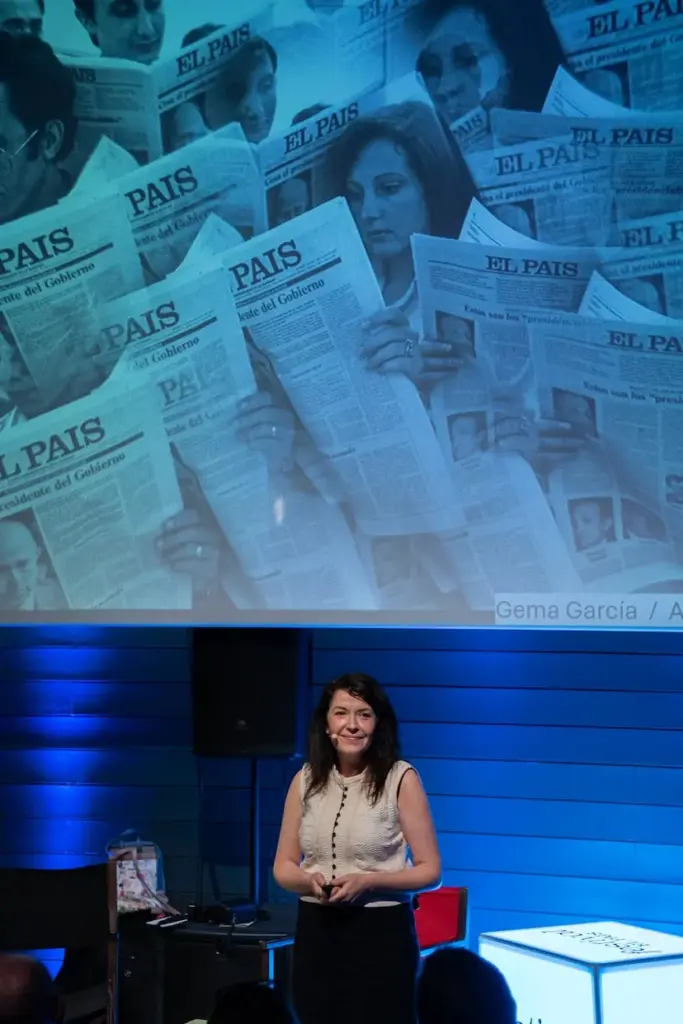
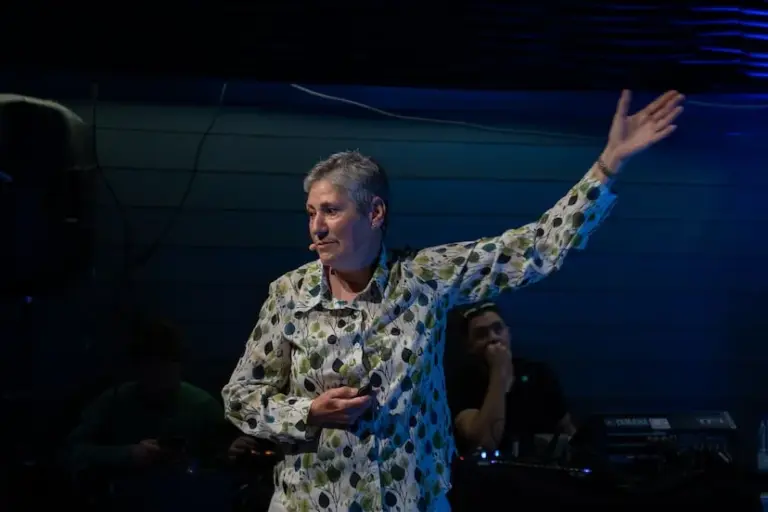
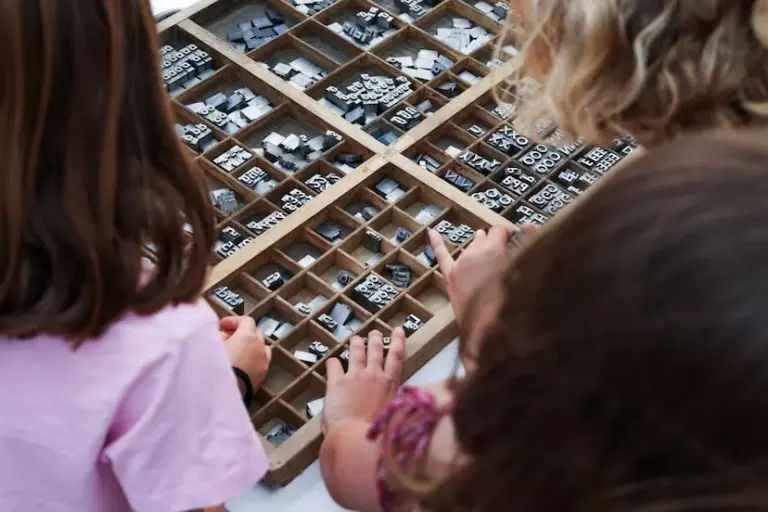
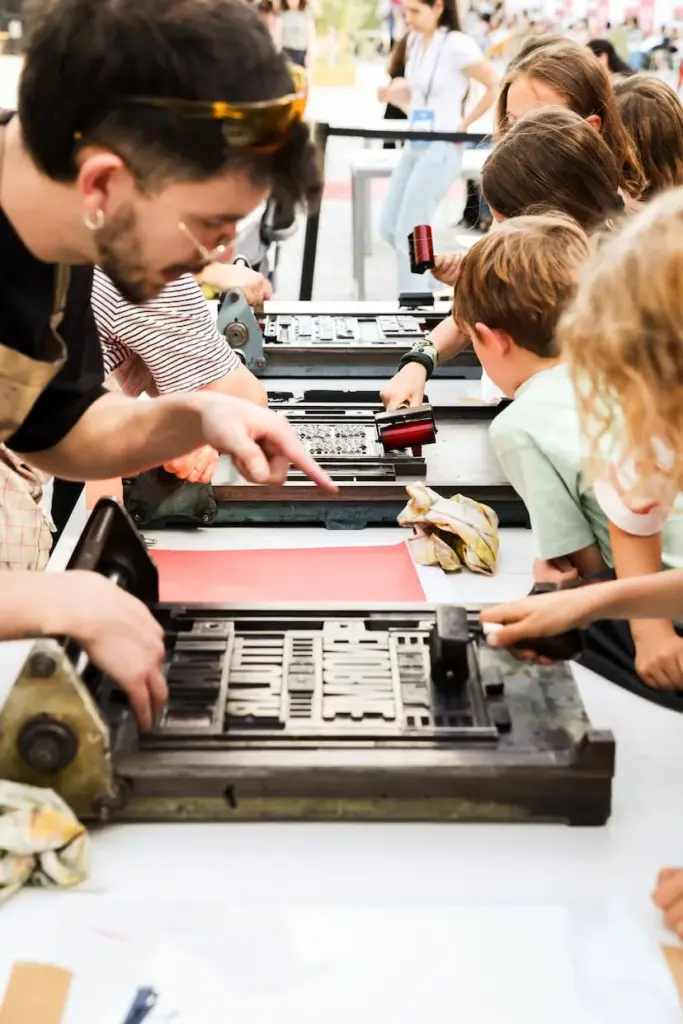

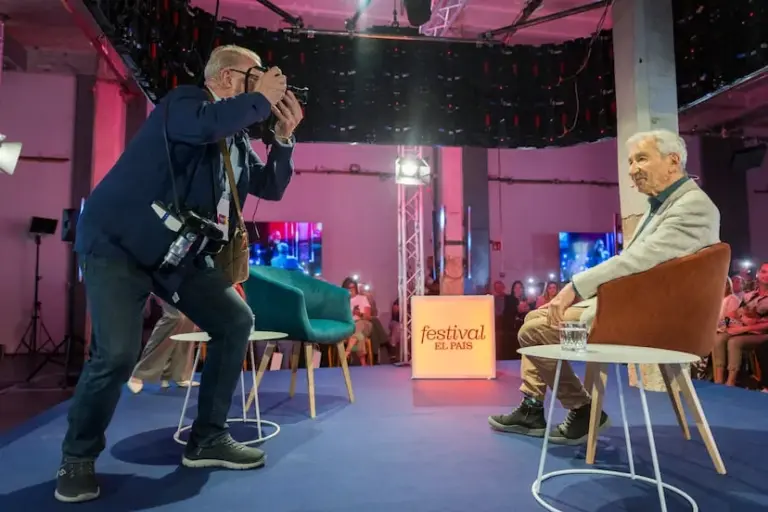
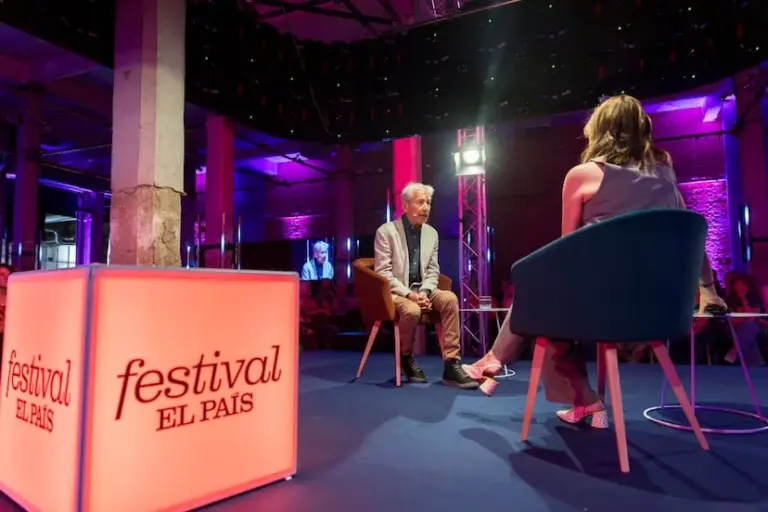
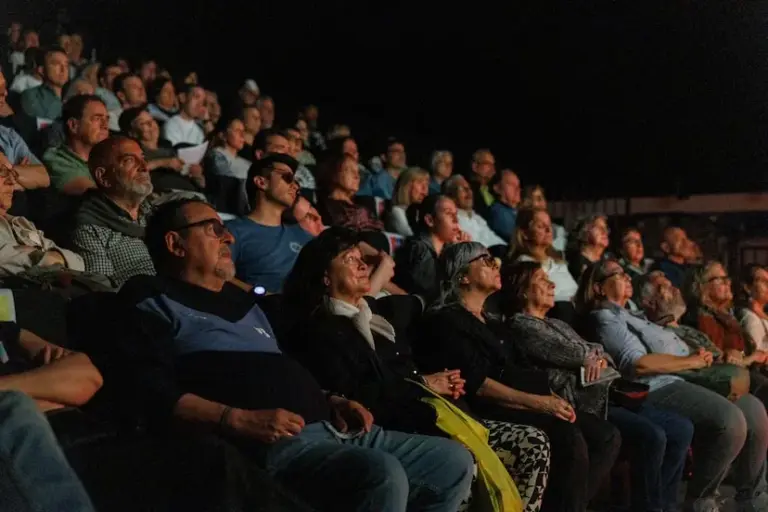
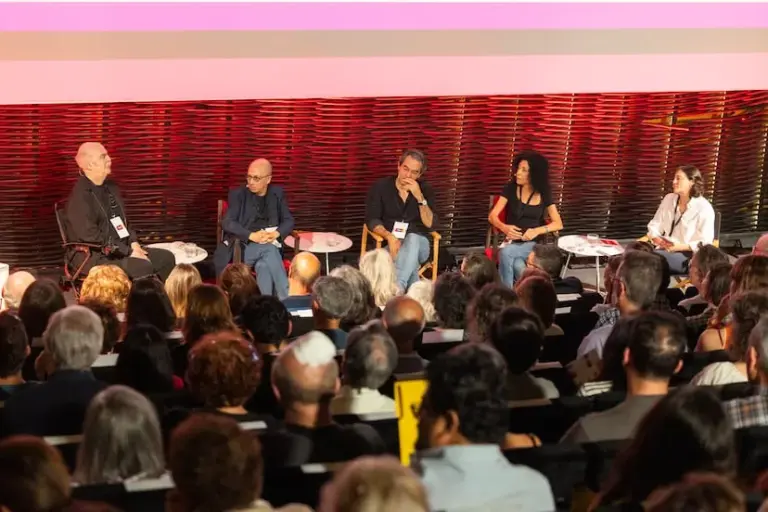
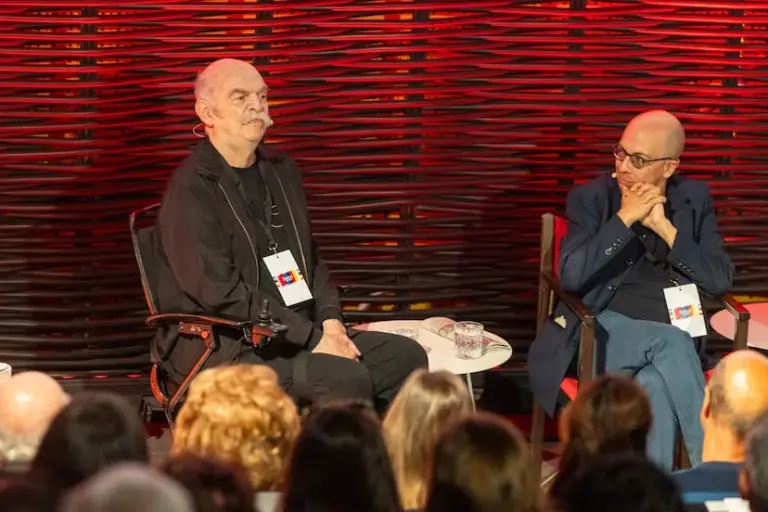
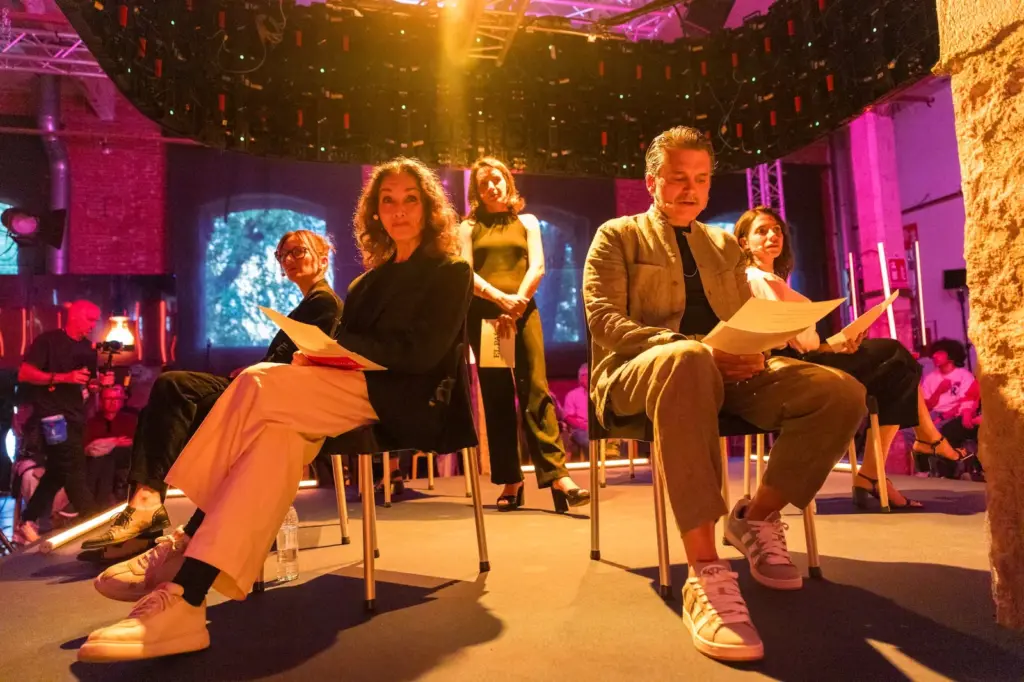
Then the festival’s opening event began in a packed auditorium: the public meeting, for the first time in history, of the newspaper’s editorial committee. The members of this committee, composed of editorialists, experts, specialists in various fields, and experienced journalists, are responsible for deciding each week what the newspaper thinks about almost everything. About easy topics and about thorny issues. “Because it’s not the same to decide on youth euthanasia as on the reform of the fishing fleet,” as Martínez Ahrens specified. Sitting at a very long table that somewhat resembled the Last Supper, the 18 members of the committee, nine on each side, began to discuss. They initially talked about Geopolitics and ended up questioning the future and dangers of Artificial Intelligence: an amazing journey through the dilemmas that afflict the planet and the country and a necessity: to take a stand while walking the tightrope of current affairs.
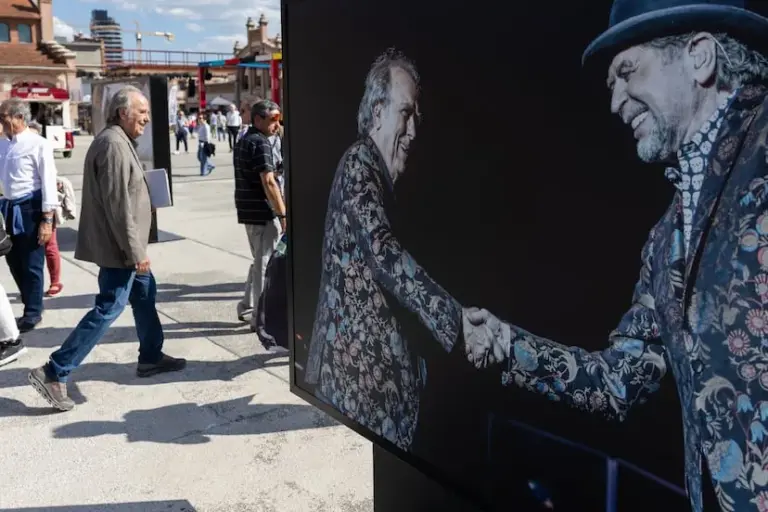
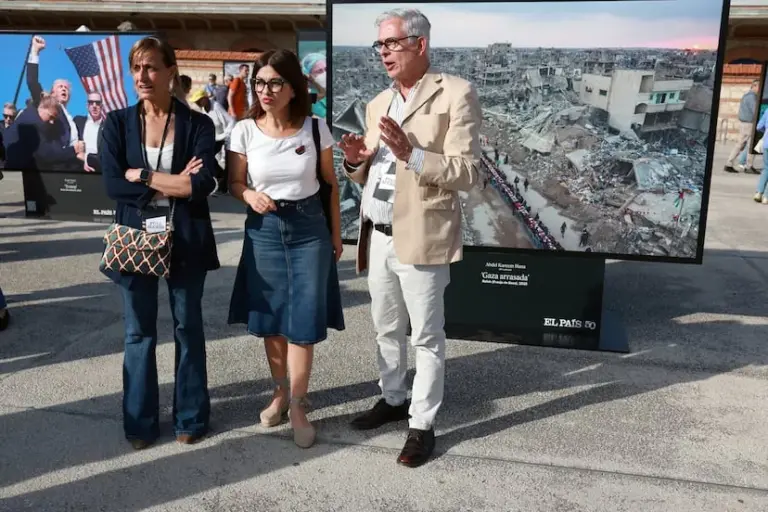
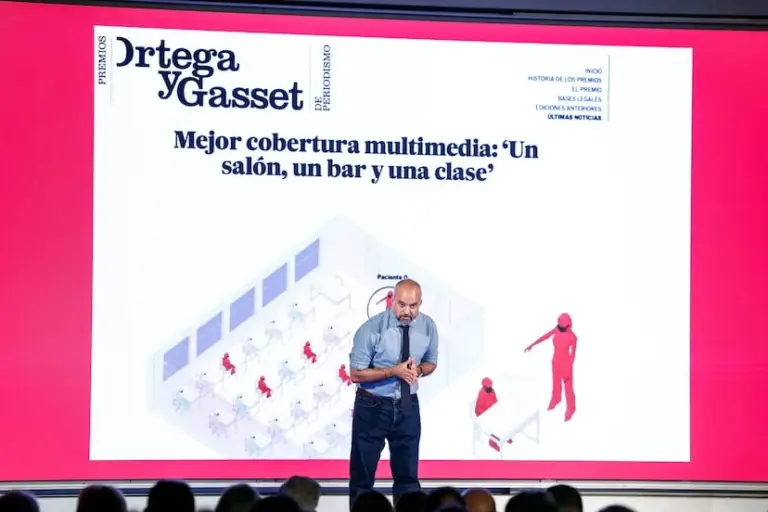
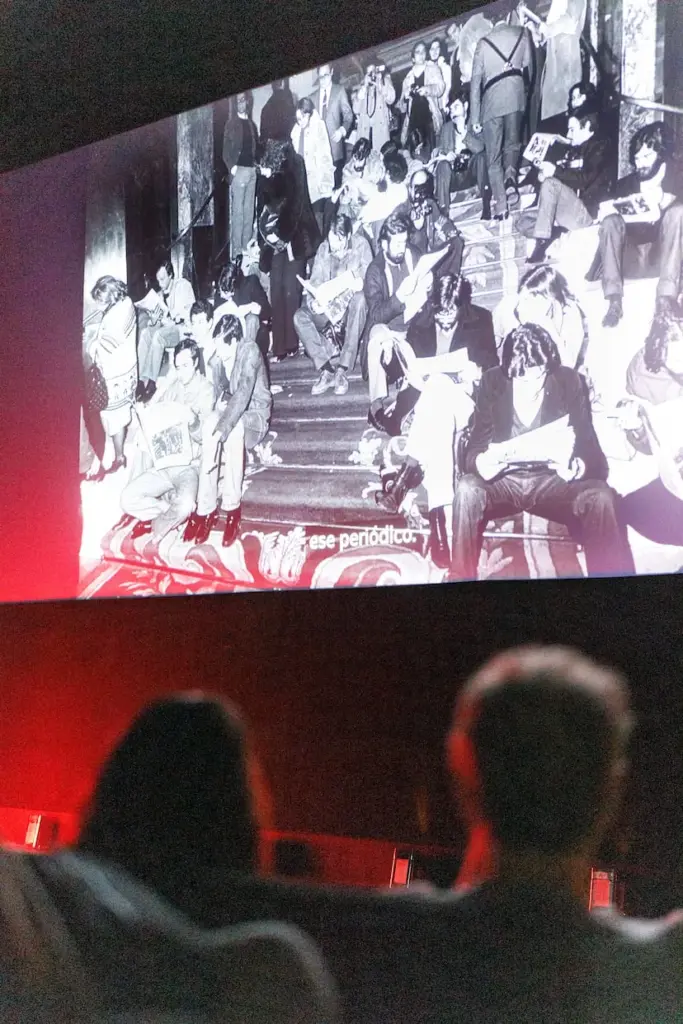
While the newspaper was thinking about itself—the event’s motto was The Thinking Country—Cristóbal Manuel, a photographer for the newspaper who retired a few years ago, was explaining to some friends on the central esplanade of the Matadero the details of his most famous photo: the one he took in 2010 during the Haiti earthquake of a young Haitian man walking naked down a street full of rubble in Port-au-Prince. The young man is seen from behind. His identity is unknown. But the photo, winner of the Ortega y Gasset Journalism Award, became the absolute symbol of the sadness and helplessness of a country crushed by misfortune. How a photograph comes to mean much more than it apparently shows is a mystery, and no one explains it. Not even Cristóbal Manuel. The image is one of the 50 press photographs that make up the exhibition Moments and can be seen at the Festival, curated by photographer and former graphic editor of EL PAÍS Marisa Flórez. There were old photographers remembering old photographs; and old and good retired editors like Carlos Castro attending the Festival alongside students from the EL PAÍS Journalism School, who are preparing a report on the Festival’s events: again the past and the future.
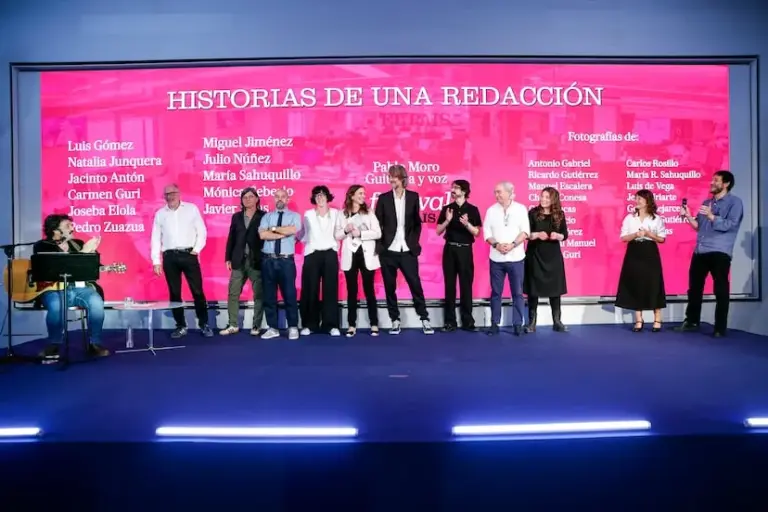
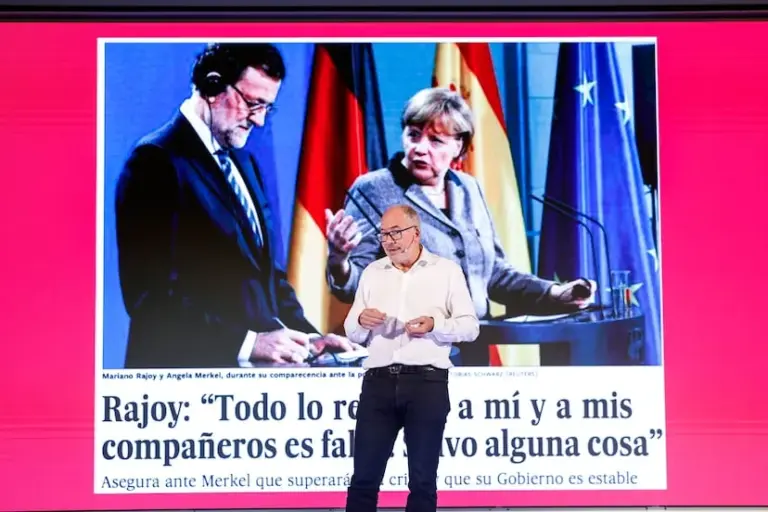
Joseba Elola, current head of the supplement Ideas and for many years a reporter for the Sunday section, spoke about the sense of opportunity and how, at the last moment of an interview with Julian Assange, he somewhat desperately and on his own initiative proposed including EL PAÍS in the group of international newspapers that had access to the momentous WikiLeaks leaks. Assange agreed. Months later, the newspaper received 250,000 confidential diplomatic cables. Sometimes, the difference between success and failure is a question asked just in case. Elola was one of the eleven participants in the event Stories from a newsroom. Only eleven were counted, but you could say there were 250,000. Luis Gómez, current chief editor of Madrid, for example, recounted that many years ago one night he was alone in the newsroom to cover the closing, a deputy director came and, not finding anyone else, kindly sent him to the Tour de France. Gómez eventually became a recognized sports chronicler—among many other things—and never forgot two things from that night: that chance plays a role in this game and that deputy directors are a devil’s burden.
Read more 60 days of conflict: Trump’s war in Iran is now as unpopular as Vietnam’s
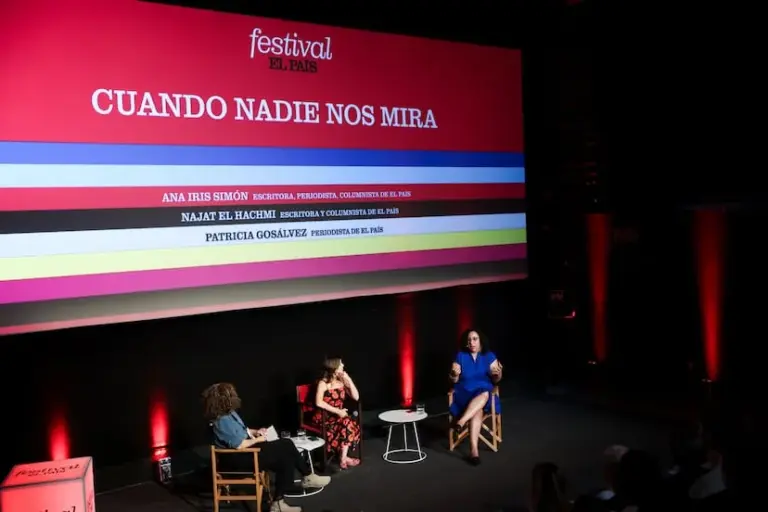
In the afternoon, in one room, columnists Ana Iris Simón and Najat Al Hachmi, both from very humble families, talked about how they felt having risen socially and considering themselves members of the middle class. “Although I always have a Plan B,” warned, cautiously, Al Hachmi. And in another nearby room, almost simultaneously, former director Joaquín Estefanía stated that one of the challenges for the newspaper of the future will be to define what is considered now and in the coming years precisely the middle class. And one realized that the events held at the Matadero strangely resembled the different pages of a newspaper or the different articles on the web, where the same topic is discussed from different perspectives. As said: EL PAÍS jumped from paper to the street yesterday for once.
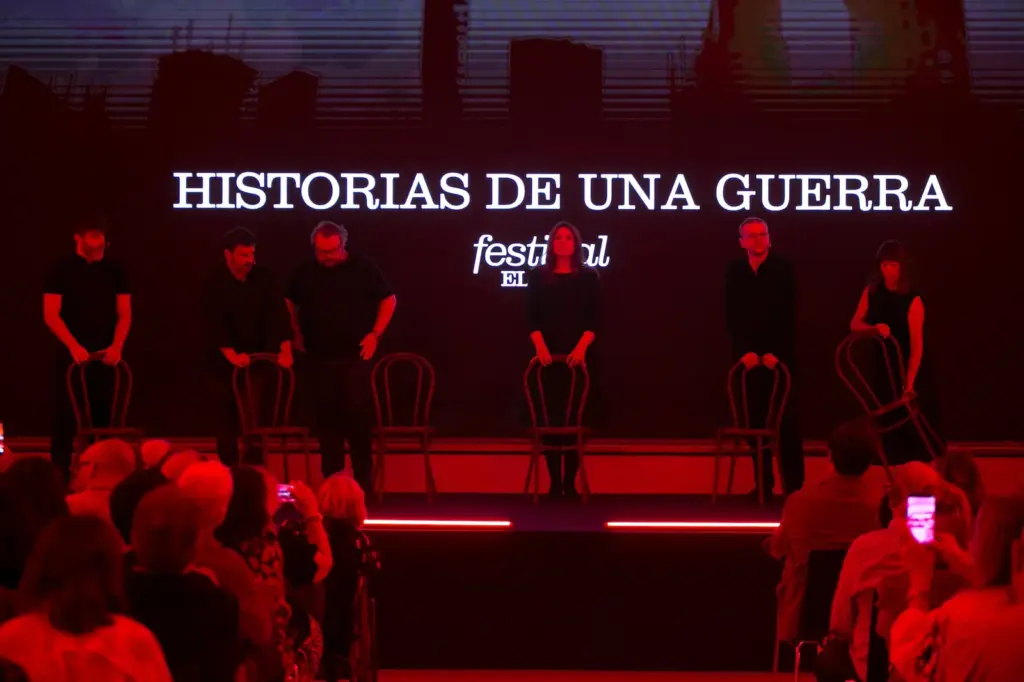
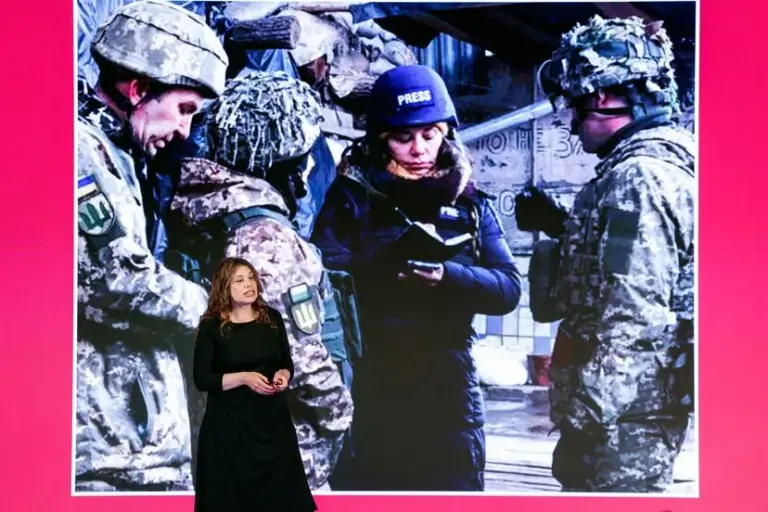
Luis de Vega, war correspondent and experienced reporter worldwide, spoke about something generally forgotten: the witnesses. De Vega recounted how in the early days of the Ukraine war he met people who told him what had just happened to them because they felt an almost obsessive need to do so, and he limited himself to collecting the testimonies as faithfully as he could and transmitting them to the readers. There were witnesses who approached De Vega in Ukraine, but there were also witnesses in the recent Adamuz train accident or in the Dana of Valencia, or in countless other cases, and on all occasions they gave the journalists they met the most valuable thing they had: the story they suffered and that marked them, for better or worse.
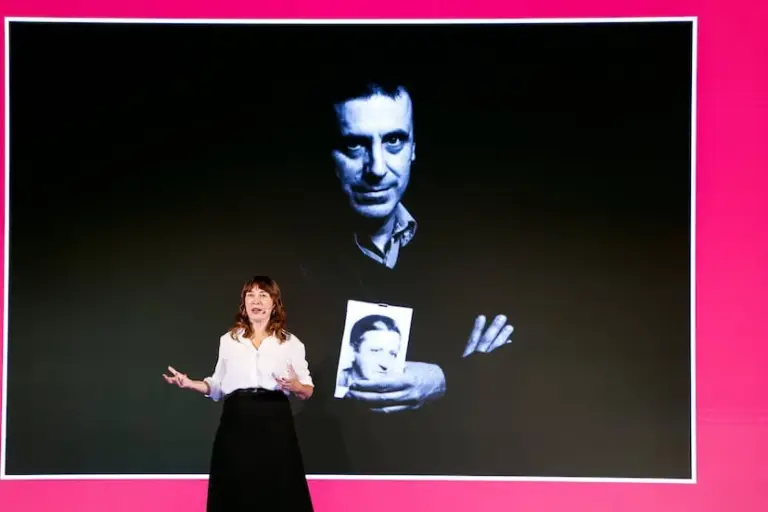
And while De Vega, one of the participants in the event Stories of a war, finished telling, assuring that sometimes he needed a colleague to hug him because he could not bear to live so close to so much horror and misfortune, in another room, journalist Carla Mascia began a talk that had nothing to do with that or maybe it did. Mascia has been in charge, for a decade, of receiving letters to the editor. And she spoke about some of those letters, like the one Carolina Alguacil wrote in 2005 titled “I am a mileurista.” Carolina was then a 27-year-old advertiser who described her precarious young life without job stability and without a certain future. And she got the term right—which has entered the RAE—and the portrait she made, in a few words, of an entire generation condemned never to see clearly what lies ahead. Sometimes readers are more journalists than the journalists themselves.
Another letter Mascia highlighted was the one sent in 2019 by actor Viggo Mortensen to denounce the use by Vox of the image of his character Aragorn, one of the heroes of The Lord of the Rings, for an electoral campaign. Many notable people can write to the Letters to the Editor section. But if Aragorn writes to you, you can be satisfied and feel that you are doing a good job. There were many more stories, happy and sad, beautiful and not so beautiful, that do not fit here, and there will be many on Saturday and Sunday. As said: come see it.
Read more US blockade saturates Iran’s oil deposits and threatens to shut down wells