The start of the United States’ war against Iran marks half a year with a colossal energy bill: importing countries have had to pay an additional 330 billion dollars (about 282 billion euros) for fossil fuel purchases, according to a new study by the Center for Research on Energy and Clean Air (CREA). This independent analysis center also calculates that “without the expansion of clean energy over the past five years, the fossil fuel import bill would have been 30 billion dollars higher.”
Read more The Collserola fire, in Barcelona, stabilized
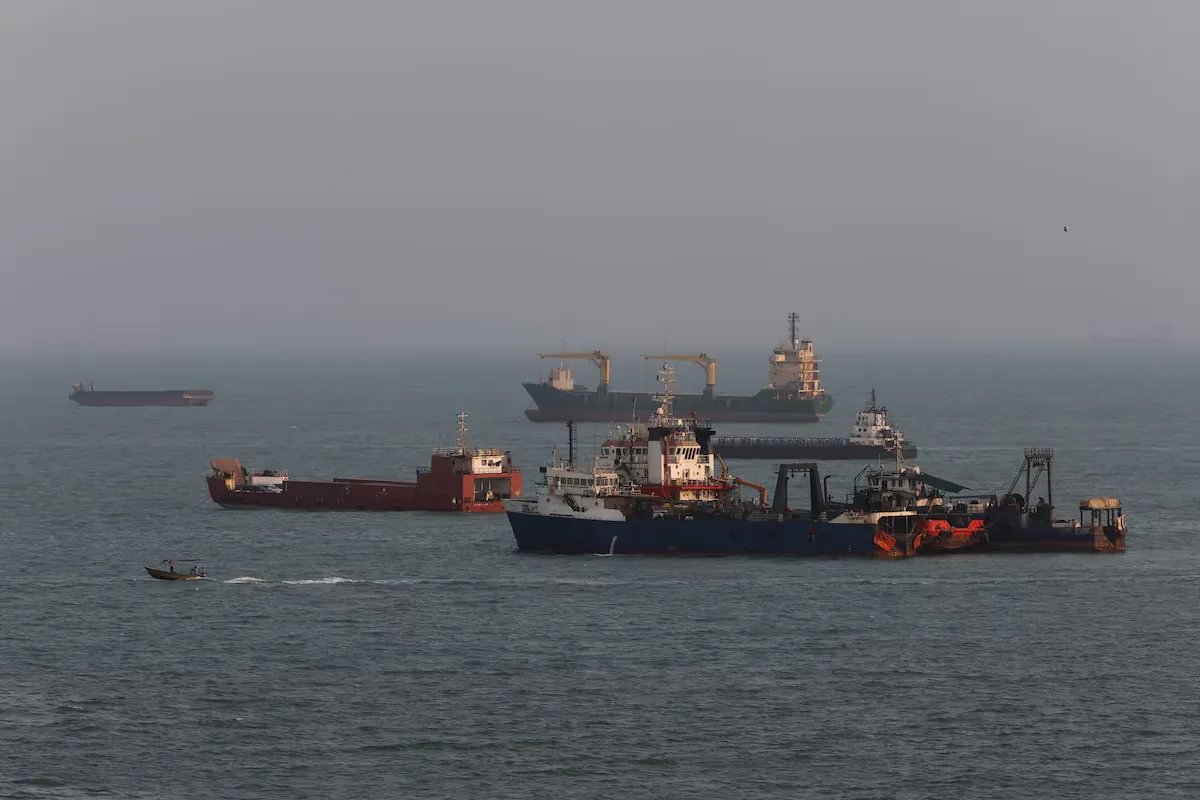
The conflict cut off traffic through the Strait of Hormuz, which at times meant an almost total halt to oil and gas supplies from the Persian Gulf countries. The rise in prices of these materials has led many countries to reduce energy demand and change supply sources, driving investment in renewables on one hand but also accelerating the return to coal, or opening the door to new nuclear power plants. Although the war has entered a phase of less intense fighting, Hormuz remains practically closed because for many shipping companies the risk outweighs the benefits.
Based on the increase in market prices of oil and gas compared to market expectations before the war, purchasing countries would have spent an additional 47 billion euros each month. This “represents the largest sustained price crisis since the Gulf War of 1990,” says the Helsinki-based (Finland) think tank.
Spain is among the top ten countries — in ninth place — that have had to pay the most extra due to the conflict: around 8.8 billion euros. But at the same time, it is the third largest country in the world to have benefited the most from its investment in renewable energies. CREA calculates that Spain has saved more than 2 billion in these six months thanks to having done its homework with renewables since 2020. Ahead are China and Japan, two Asian countries that import large amounts of oil and whose economies are enormous, so the savings are also proportional to that size (and the extra cost they bear).
The CREA study says that electrification in key sectors such as heating and transport has also been a destroyer of fossil fuel demand (and therefore has helped savings). It predicts that the global fleet of electric vehicles will offset the consumption of five million barrels of oil per day by 2030, the same amount of crude that Saudi Arabia transports through the East-West pipeline to bypass the Strait of Hormuz.
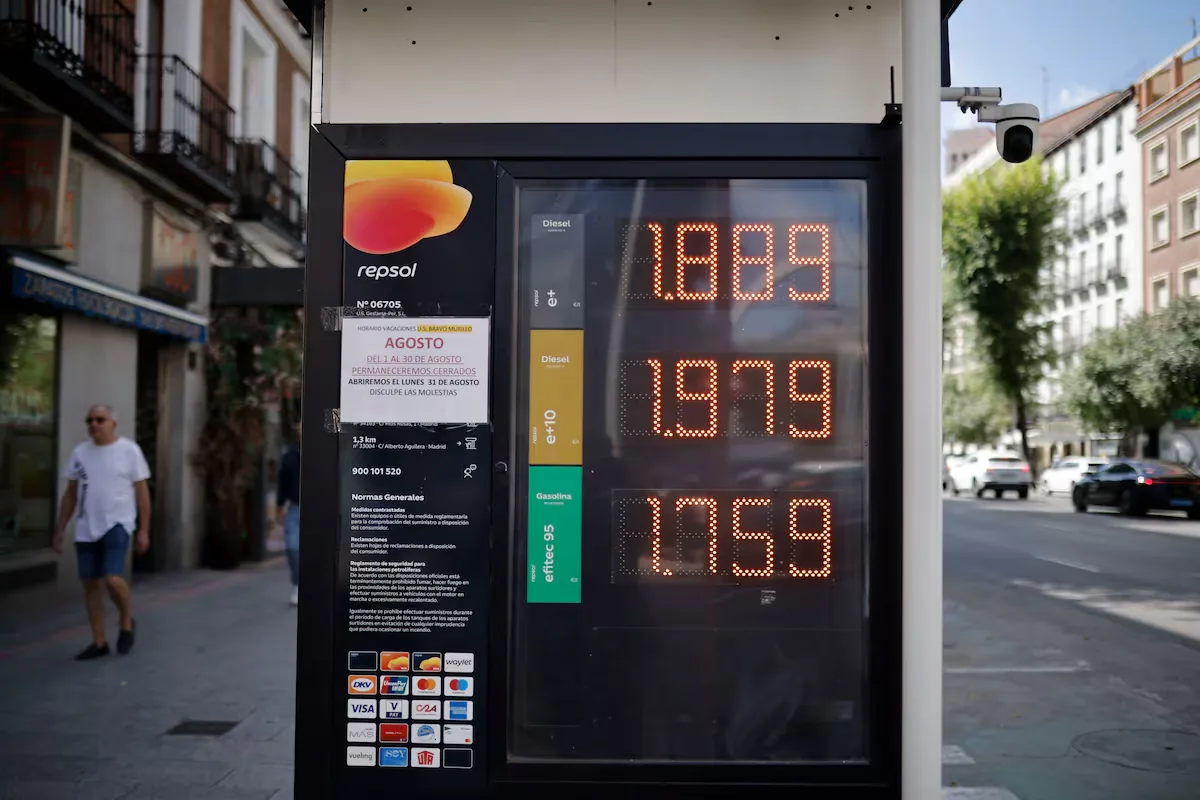
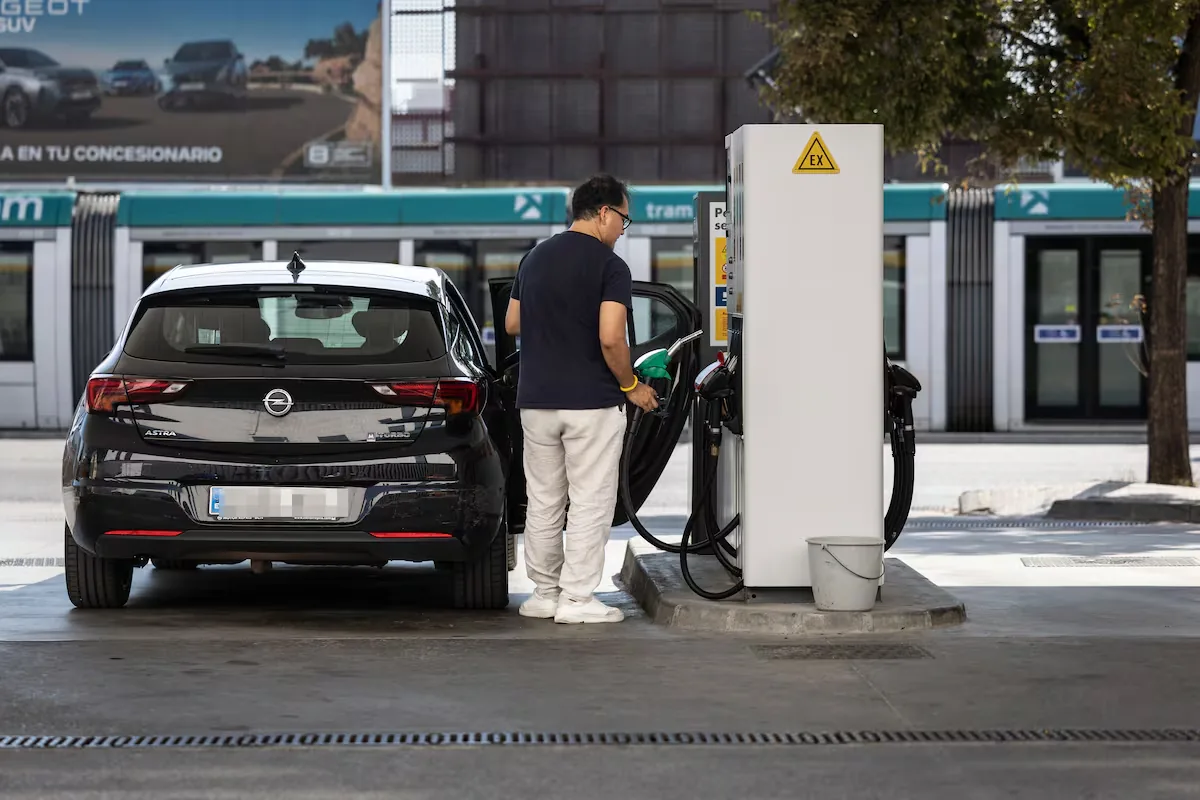
Refined fuels have risen in price proportionally more than crude since the United States and Israel began bombings over Tehran last February 28. Diesel rose 59%; gasoline 43%; liquefied natural gas (LNG) 60% in the Atlantic basin and 75% in the Pacific basin; and jet kerosene has climbed 59%. The report points out that the rise in diesel has “repercussions everywhere that drive inflation,” since industry, freight transport, and agriculture heavily depend on diesel.
In 134 of the 170 countries included in the analysis, more was paid for diesel than their pre-war futures contracts implied. Not even the United States, the world’s largest oil producer, has been able to isolate itself from the crisis, as the average price per gallon of diesel rose to 5.57 dollars in the week of August 17 — the highest since 2022. In fact, CREA calculates that the US is the third country that has had to pay the most for the price increase, around 14.1 billion euros, only behind China and India. And it is not included in the list of savers due to the limited investment effort in clean energies. But what the study does not say is how much it has earned by selling Liquefied Natural Gas and unrefined crude to the EU, for which it has become an essential supplier, also thanks to the crisis.
Read more ‘Farming’ aura, the phenomenon that captivates Rosalía and scares millennials and ‘boomers’