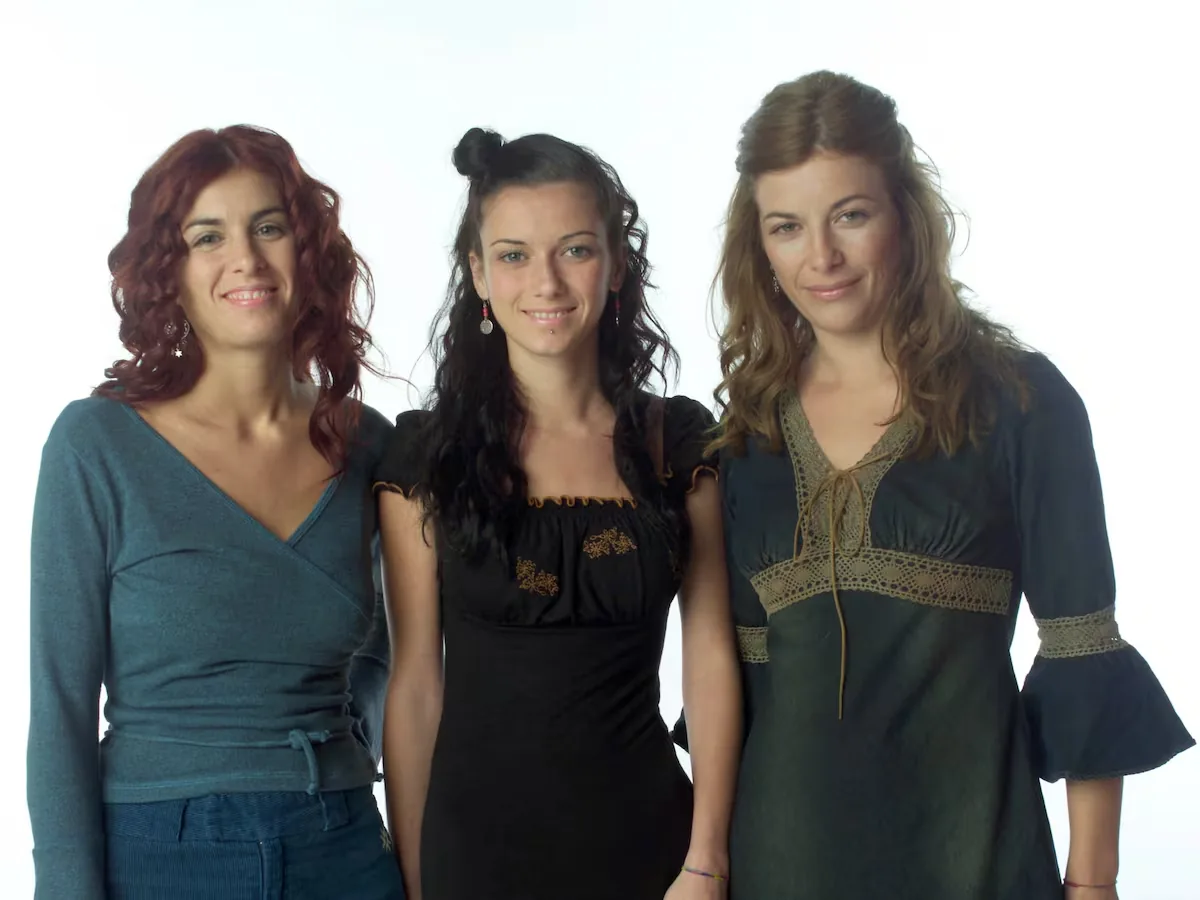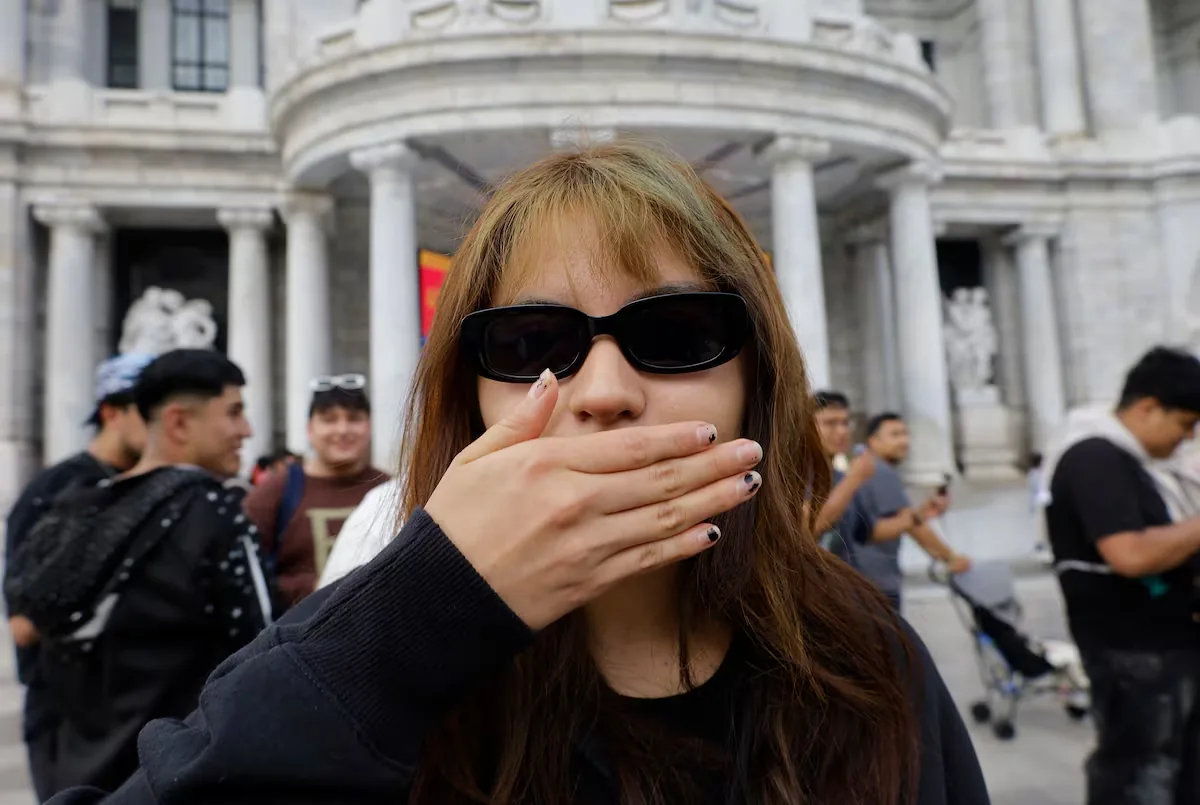
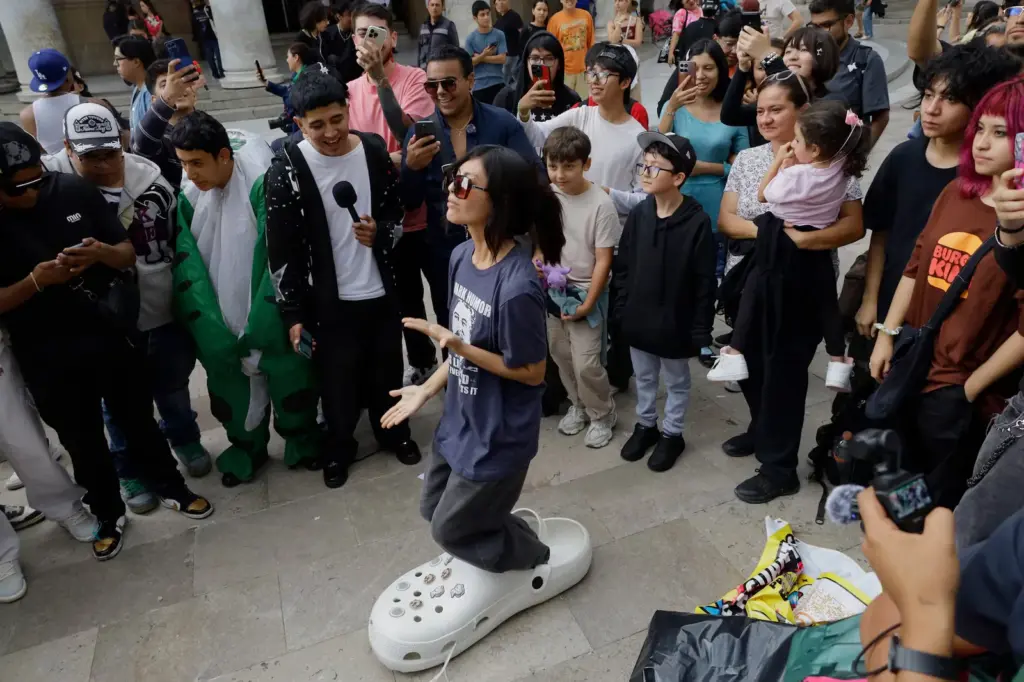
In recent days you have probably heard a concept: farming aura. If you are not part of Generation Z and have seen some of the videos illustrating this trend, it is very likely that your first reaction was one of bewilderment. In these gatherings, participants meet in public spaces to compete with each other using poses, gestures, flips, and looks based on the repertoire of viral content and memes. The goal is to be clever, achieve recognizable nods, and, in a way, surprise the opponent. But still, you have to see it to understand it. And that is what Rosalía and Loli Bahía did when, during their recent stay in Mexico, they went to check out one of these battles and, of course, were captured by the attendees’ cameras.
Read more The unsolved mystery of the missing mini-Mozarts in Salzburg
To understand the meaning of this phenomenon, it is worth first looking at the term itself. Farming comes from gamer culture and refers to repeating a series of actions to earn points, resources, or experience. In turn, ‘aura’ refers to charisma, style, presence, or the ability to generate admiration. This last concept has become very popular on social networks and in the streamer universe, although it may recall that intangible quality of art that, according to Walter Benjamin, was being annihilated by mass copies. But in 2026, in aura farmings, far from being destroyed, aura is produced, accumulated, and valued by the external gaze. In the battles, which take place in physical spaces, the physical and digital hybridize: they are face-to-face encounters but full of gestures, memes, and references from the virtual world. It is no coincidence that one of the most repeated gestures is the now well-known ‘six seven’.

Mockery and code updating
With the popularization of the term, and as happened with the therians (people who identify, psychologically or spiritually, with a non-human animal), discourses about an alleged moral decline of society that refuse to understand this phenomenon and its particularities begin to emerge. These criticisms ignore, for example, that these gatherings have managed to get teenagers away from screens, something that paradoxically and precisely was what they were previously criticized for. “Many of the mockeries come from something very simple: we are seeing from the outside a culture that was no longer made for our generation. When we don’t understand the codes, language, or logic behind a trend, it’s very easy to reduce it to ‘how ridiculous’ or ‘how cringe.’ But that has happened with practically all generations,” explains the ICON team from Casi Creativos, who approach therapy from a social and feminist perspective. “We live a generational amnesia: when we remember our own, we see it with nostalgia; when we see theirs, we judge it from above. And that is where we should do the opposite exercise: ask ourselves if it is really something negative or if we simply don’t understand it because we are no longer part of that stage,” they assure.
They add that young people are not obliged to create a culture that is understandable or pleasant for adults, since growing up consists precisely in building their own codes, forms of belonging, ways of expressing themselves, and activities that differentiate them from previous generations. “If each generation had to do only things that their parents consider valid, there would be no youth culture of its own,” they clarify.
For some of its fans, these battles, which have already reached A Coruña, La Laguna, or Barcelona, are not just a pastime but “a lifestyle.” This is the case of Argentine Gonzalo Martin Alonso, who proclaims himself “the first national aura farmer.” “Farming aura is a lifestyle because it is something you never stop doing. Aura is carried everywhere and never stops being obtained; it is impregnated in our clothes, our way of being, moving, and even in our language. It is my lifestyle, as well as my way of expression and having fun. I can’t live without aura and it can’t live without me,” he tells ICON.
Social anthropologist Belén Silva warns that although it is possible to think of an online-offline continuity, it is advisable to avoid the idea of a simple sequence that goes from the internet to the street. “The process is more circular,” she explains. “It goes from social networks to bodily imitation, then to the face-to-face meeting, which is recorded, published, and commented on, giving rise to new performances. The face-to-face practice updates digital codes but also modifies them. A pose that on the Internet was an isolated gesture can become a competitive round. An ironic expression can acquire rules. A meme can turn into a ritual,” she explains.
Read more Dolly Parton, the star who refused to choose a political side but never stayed silent
Regarding this, Érika García, a lifestyle journalist, reflects: “It makes me happy to see that something born on the internet is making kids put down their phones for a while, go outside, do things together again, and interact face to face. Obviously, then they will record it and upload it to TikTok, because that is their way of sharing it, but the experience is happening off-screen,” she assures. “Many of these things that seem so new are behaviors that have always existed: competing, playing, doing things to impress others, flirting, ‘acting cool,’ having their own codes within a group… What changes is the way of telling it and, above all, that the internet names everything. With farming aura, it’s a bit like that. You can gain or lose aura by how you do something, by a response, by making a fool of yourself, or by having a particularly cool moment. These are things that have always happened in friend groups, only now they have a name and more or less shared rules,” she adds.
The celebration of diversity
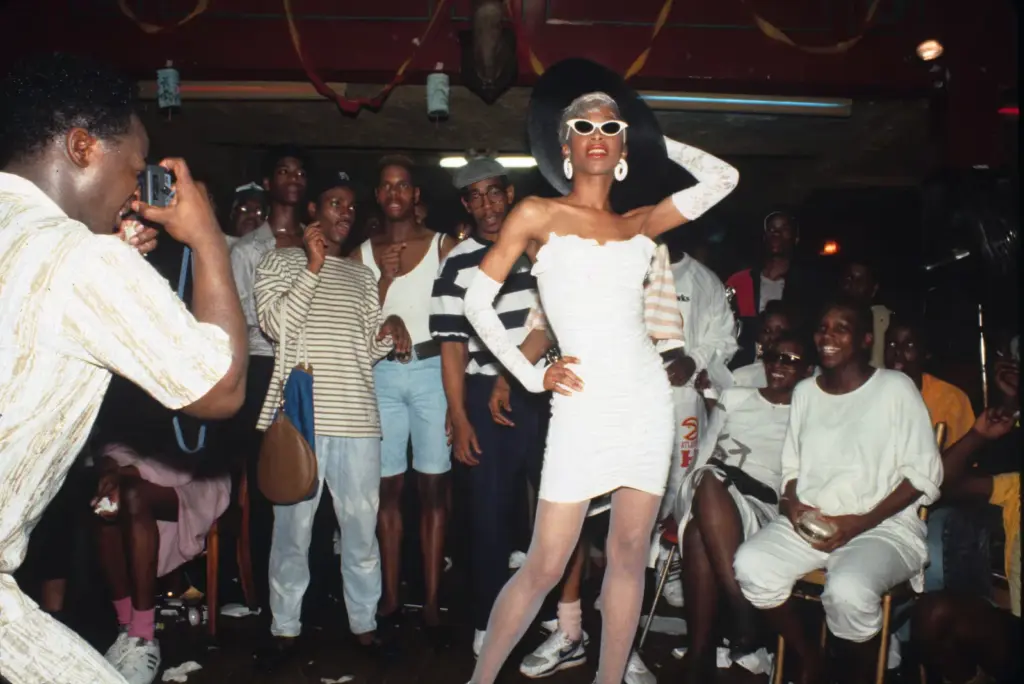
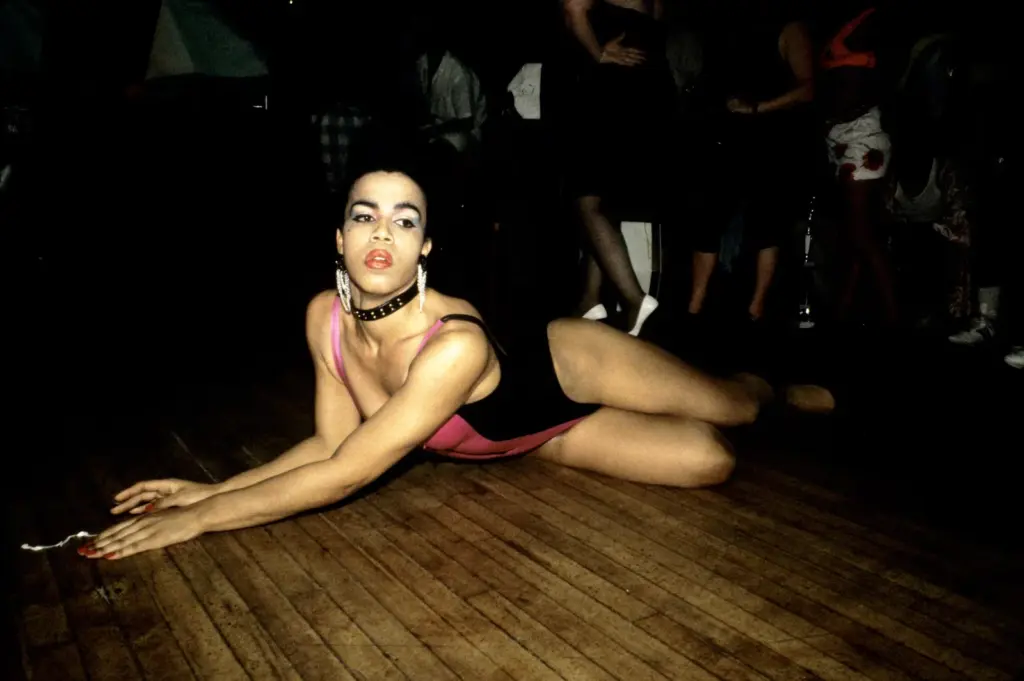
The LGTBIQA+ Diversas Canarias Association comments that there are many common points between this new expression of digital culture and some dynamics of ballroom culture, the seed of the drag scene that was born in the 1980s from competitions of wit, dance, or characterization. “The phenomenon of farming aura does not use a new language. We detect that aura battles draw from the ballroom culture driven by LGBTIQA+ communities at the end of the last century, mainly Black and Latinx communities. It is worth remembering, although the current farming does not arise from a structural context of historical oppression and social dissent as happened with our community,” says its secretary and spokesperson, Sergio Siverio. The activist points out some similarities. “In both phenomena, the aim is to grant social recognition through healthy competition, build a dissident performative aesthetic, demonstrate skills with various categories, build stage identities by creating characters, reinvent aesthetic codes by copying existing trends to give them a personal style, move from words to action with a demonstration of aura and dissent,” he explains. The presence of an audience, who must evaluate the various performances, also brings it closer to the ballroom scene.
There are more similarities. If ballroom parties served to create a space of freedom away from dominant homophobia and transphobia, aura farming battles set aside shame, something very liberating for a generation that is terrified of being cringe. “Making a fool of yourself has value: learning that you can expose yourself, laugh at yourself, and discover that nothing happens,” says the Casi Creativos team, who add other positive aspects to the list. “They promote face-to-face socialization, a sense of belonging, and the creation of new friendships, but also involve losing a bit of the fear of interacting with strangers, participating in front of others, expressing oneself, playing, and sharing codes specific to their generation. Also, they are reclaiming public spaces. A square ceases to be just a place to pass through when young people feel they can gather, stay, and make it their own. From those coexistences come memories, friendships, groups, and a sense of community,” they explain.
To conclude, Érika García emphasizes that all generations have participated in fashions that adults mocked. “The fundamental difference is that there wasn’t a phone recording us all day nor a social network to upload it so thousands of people could see it. We also made fools of ourselves, a lot. The thing is, fortunately, there is no graphic documentation of most of those things. Names, codes, and the showcase change, but I don’t think we are that different. Each generation does its own silly things; the difference is that now they are recorded,” she says. Therefore, the next time you raise an eyebrow at one of these encounters, don’t forget that someone did the same when you participated in some contemporary trend in your youth.
Read more Irish couple aged 50 and 45 found dead in the jacuzzi of a chalet in Cullera (Valencia)