It is found in deserts, where not a drop of rain falls for months, and botanists call it the resurrection plant because of its seemingly miraculous return to life. When it does not receive water, it looks brittle, shriveled, and brownish; apparently dead. But as soon as the first drops begin to fall, its leaves unfold and turn green again within a few hours. The best known is the Rose of Jericho (Selaginella lepidophylla), but there are others, and all of them are capable of surviving almost completely dried out thanks to, among other mechanisms, a sugar called trehalose that protects the plant’s cells until water returns. This substance now appears as a promising tool to meet a historic challenge: that vaccines do not spoil when they stop being refrigerated.
Read more Peridis: for the crown prince
The proposal, if successful, would stand as a solution to one of the most insurmountable obstacles so far in global health: the cold chain. Most childhood vaccines must be kept between two and eight degrees Celsius from the moment they leave the laboratory until they reach the recipient, and any interruption in transport or storage that alters their temperature can render them ineffective. Each year, according to WHO estimates, up to half of vaccines can be spoiled, and the health agency has repeatedly warned about deficiencies in refrigeration systems, especially in health centers in low- and middle-income countries, where it is common for equipment to be missing, to fail, or for the power supply to be intermittent.
The inspiration came from Bruce Roser, a British researcher who was looking for a solution to a problem that continues to hinder global vaccination because it costs lives: how to deliver doses to the most remote places in the world without losing their effectiveness if the cold chain breaks, a circumstance that often occurs due to complicated logistics and transport conditions.
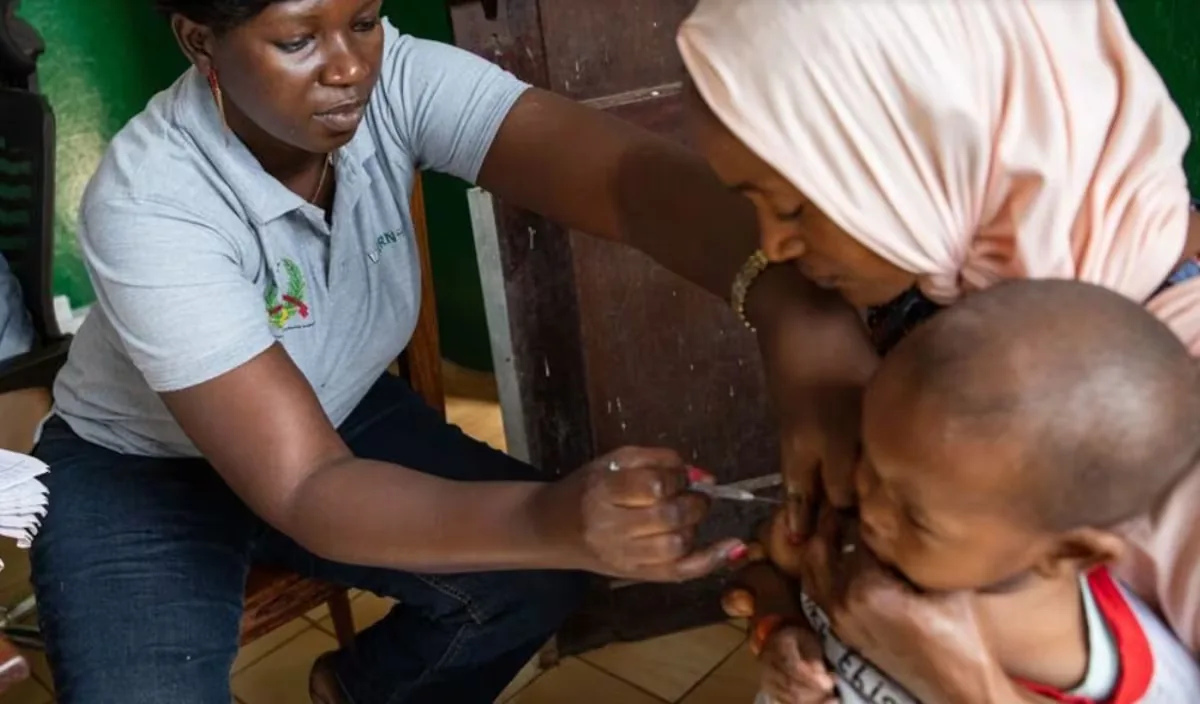
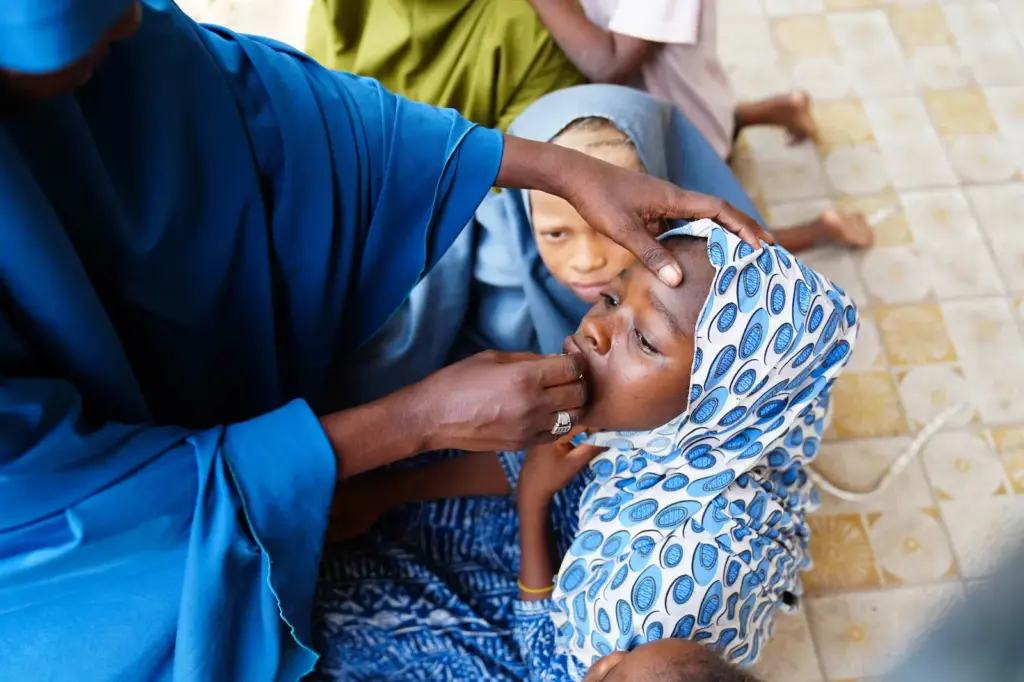
The World Health Organization (WHO) estimates that immunization saves between 3.5 and 5 million lives annually, but still 1.5 million children under five die from diseases that could have been prevented with a shot in the thigh or by ingesting a few drops. And so, one day like any other, Roser was reading a scientific article about this family of plants while preparing a lecture and thought that trehalose could be the solution. His idea has ended up becoming a technology called StablevaX that has just passed its first clinical trial in humans.
The test was conducted at the Clinical Research Unit of Southampton University Hospital (UK) with 60 healthy adults who were given the so-called SPVX02, a thermally stable version thanks to trehalose of an existing vaccine that saves millions of lives: tetanus and diphtheria. The safety profile was positive, and the immune response was similar to that of two already authorized vaccines. The promising results of the trial, peer-reviewed, were published this August in the scientific journal eClinicalMedicine, which belongs to the prestigious The Lancet group.
Saul Faust, principal investigator of the trial, celebrates the results. “We have demonstrated proof of concept in humans,” he assures. The version of the vaccine that does not require refrigeration generated immune responses comparable to existing vaccines and maintained a similar safety profile, he states. But Faust adds a caveat: “This was an early-phase study conducted on a relatively small number of volunteers, so a larger trial is needed to confirm these results.”

Özgur Tuncer, CEO of Stablepharma, the British laboratory behind this technology, says in a phone interview that their technology allows refrigeration to “disappear completely,” and compares the SPVX02 vaccine to any other medicine whose leaflet simply states to keep it below 30 degrees and protected from the sun. “It shows that it still does exactly what it should even after being out of the fridge for a year,” he celebrates. And he emphasizes that their product can withstand temperatures up to 40 degrees for six months.
A WHO spokesperson, however, qualifies that it is “too early to say” that we are facing a vaccine that does not need refrigeration, and reminds that greater thermal stability does not necessarily mean the cold chain can be abandoned. “More stability data, regulatory review, and larger trials will be needed before knowing its real storage conditions and its value for public immunization programs,” the agency representative states in an email.
Read more The debate | Does it make sense to keep searching for Lorca’s body?
Faust, however, considers the description accurate. “It is definitely accurate,” he agrees, although he points out that public claims are even more cautious than the technical data included in the study would allow.
A safe, effective, and stable vaccine at room temperature could relieve pressure on very limited refrigeration systemsWHO spokesperson
“A safe, effective, and stable vaccine at room temperature could relieve pressure on very limited refrigeration systems,” acknowledges the WHO spokesperson, adding that freeing up space in refrigerators would allow other vaccines to be introduced, facilitate mobile immunization campaigns, and reduce the risk of accidental freezing of formulations.
For vaccination agents in Sahel settlements, or in the most hidden villages among the forests and mountains of Tanzania, transporting a refrigerator with injectables is not as simple as it sounds. It is kilometers of bad roads, if not just dirt tracks. It is extreme temperatures, often above 40 degrees; power outages and unforeseen obstacles that can spoil the product and its life-saving capacity. During the conversation, Tuncer insists that another obstacle they face is that there are still people who really believe that breaking the cold chain is not a problem. “Many people think that nowadays everyone already has refrigerators, but it’s not that simple,” he insists.
Once both are demonstrated, the next step will be to verify clinical efficacy on a large scale, Tuncer says. They have just started a phase IIb trial with 160 participants whose goal is to demonstrate that their tetanus and diphtheria vaccine with trehalose is not inferior to the conventional one. If they pass this test, the company plans to complete its clinical development in the coming years.
Tuncer describes StablePharma as a small biotech and says their biggest obstacle is no longer scientific. “The technological challenges are solved; what we need now is investment,” he points out. The company, which has a research center in Tres Cantos (Madrid), has received a 2.5 million euro grant from the European Innovation Council to boost this development, but the CEO acknowledges that manufacturing and scaling new vaccines requires public and international partners, and mentions as possible allies WHO itself, UNICEF, and Gavi, the Global Alliance for Vaccines and Immunization.
The company believes there are still pieces to fit together. “What makes SPVX02 so exciting is that we are bringing together all the elements a thermostable vaccine needs to succeed in the real world: solid clinical data, long-term stability, scalable manufacturing, and a real advantage for health systems,” says Juana de la Torre Arrieta, Associate Director of CMC and Clinical Development at Stablepharma.
If everything works, regulatory approvals will have to be overcome, a manufacturing process still unfunded, and finally, the ultimate test: to verify if a vaccine is really capable of withstanding heat and remaining intact after traveling the thousands of kilometers that separate laboratories from the most remote health centers in the world.
Read more ‘Tadeo Jones and the Wonderful Lamp’: good cultural adventures with a comic imbalance