There is great concern among the population, especially because it is the second major Ebola epidemic in our region, Alto Uélé, after that of 2012-2013. We are also witnessing cases of misinformation and even denial of the disease. A good part of the youth believes that the disease exists, but that it benefits the agents in charge of the health response and Westerners to sell their surplus medicines.
The fact that, unlike the Zaire Ebola virus, there is no approved vaccine or specific treatment for the Bundibugyo strain makes the population distrust health centers. When informed that the only option is isolation and intensive supportive care, some decide to rely on therapeutic formulas based on traditional recipes. Hence the high number of deaths in the community and/or the very late arrival of patients at health centers.
My name is François Zioko, I am a general practitioner from the University of Kinshasa with a master’s degree in public health from the Institute of Tropical Medicine in Antwerp and the head of the NGO Medicus Mundi in the Democratic Republic of Congo. Alto Uélé, where we have health projects, is the fourth province where the epidemic has been declared; a confirmation that was delayed due to the late reception of laboratory results. Alto Uélé borders the province of Ituri and is on the border route to Uganda and the Central African Republic.
Figures as of August 25 speak of more than 5,500 confirmed cases and more than 2,600 deaths. The second largest Ebola epidemic ever recorded. Although in my province this outbreak doesn’t smell like statistics: it smells like chlorine, a substance that kills the outer layer of the virus.
Figures as of August 25 speak of more than 5,500 confirmed cases and 2,600 deaths nationwide. The second largest Ebola epidemic ever recorded
The response is under the direction of the Congolese health authorities, and this time what I observe is a low mobilization of technical and financial partners. The World Health Organization (WHO), the National Red Cross, Village Rich and Africa Centres for Disease Control (Africa CDC) are the only ones present on the ground, but they lack sufficient resources and face logistical difficulties in accessing crisis areas. WHO is warning that many people die in their homes out of fear or distrust.
We should leverage our network of members, including community agents, to disseminate appropriate information. Our monitors and students are listened to more, as they are members of the local community and are familiar with it, compared to communication experts that partners bring from other regions and countries. But we would have to provide our agents with communication tools and personal protective equipment (PPE).
Frontline health personnel are extremely exposed to the risk of contagion. When asked from Europe if governmental and international aid is arriving, I try to explain that training is provided and some material is supplied, but in very scarce quantities. The proportion of trained health personnel is very low, as is that of community agents. Awareness materials are also scarce.
The proportion of trained health personnel is very low, as is that of community agents
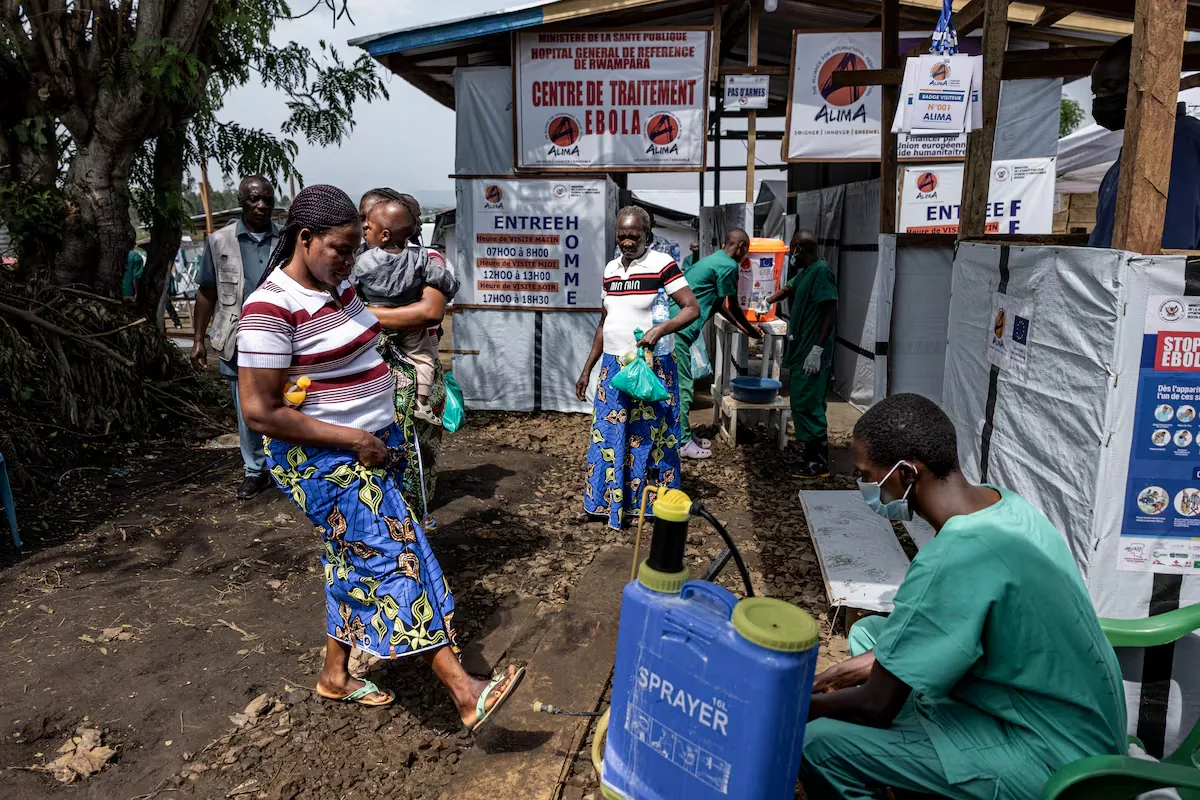
The reality is that, in the absence of a known treatment against this variety of Ebola, palliative treatment is applied with the medicines available at the center and at the expense of the patients, unless the patients are admitted to Ebola treatment centers, which practically only exist in the capitals of the affected provinces.
Read more A woman dies after receiving an “accidental” shot from her husband while hunting in Palencia
Mine workers
Patients in our region mostly come from the surrounding mining quarries. They arrive without resources and are left in the care of host families, which impacts their already precarious economy. In the absence of information, these patients infect those around them.
Due to prevention measures, which mainly focus on avoiding crowds, contacts with aid beneficiaries have been reduced. As a result of this policy, accompaniment and supervision missions have been reduced to a minimum, so they are only carried out in urgent cases, and local agents are assigned to perform them.
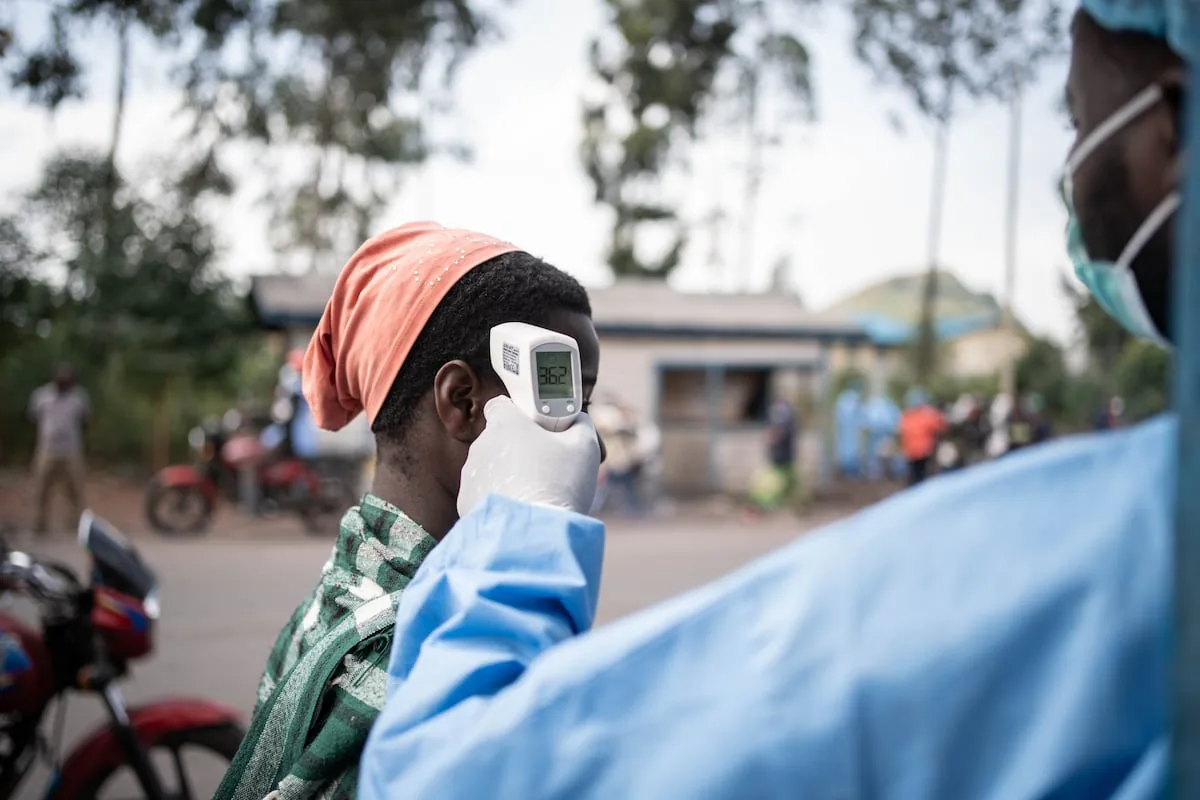
The National Border Hygiene Program (PNHF), supported by the International Organization for Migration (IOM), tries to establish control mechanisms at entry points to affected areas, but resources remain insufficient: from handwashing devices, chlorine, bleach, water to staff mobility and motivation capacity.
These devices have been installed on main public roads; however, the population that often moves uses secondary roads whose control escapes these services. Furthermore, this checkpoint personnel does not even have personal protective equipment.
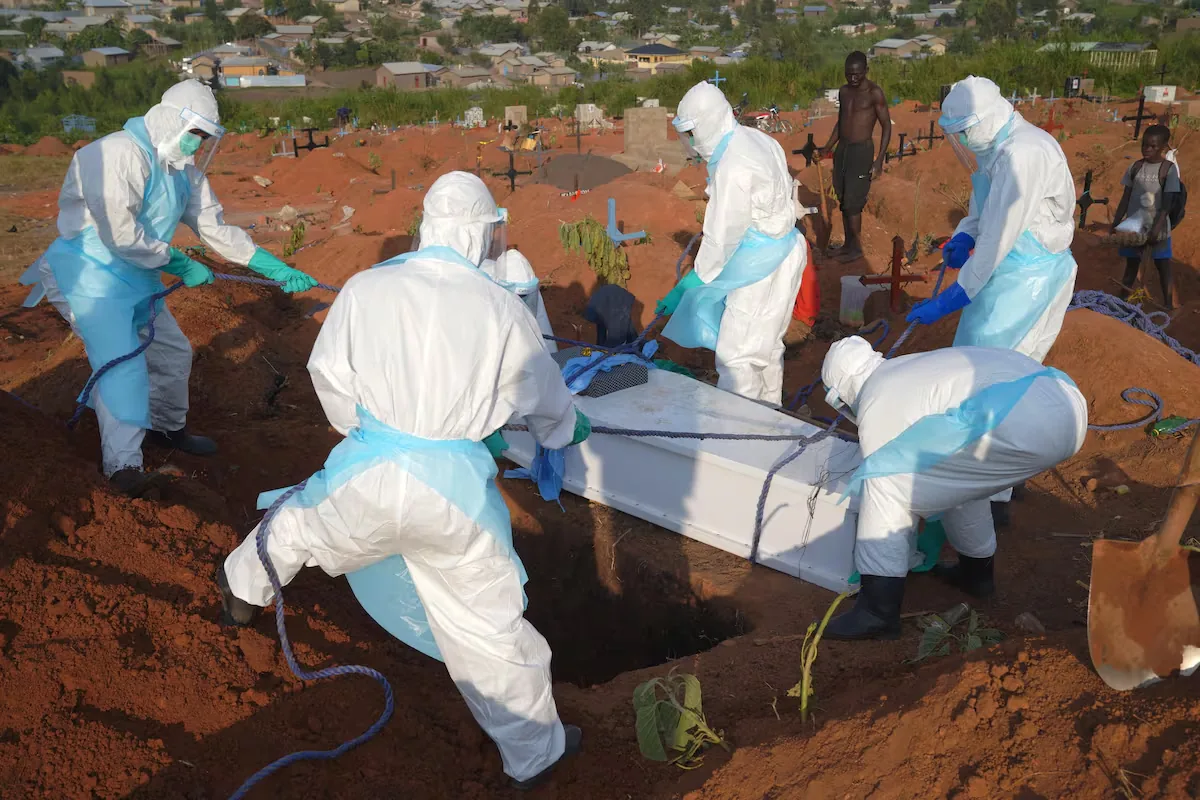
Contagion at burials
In the Congolese context, traditional funeral practices are fundamental, and today they constitute a critical focus of Ebola transmission. Only deaths that occur in hospital settings benefit from safe burial procedures, and always thanks to the support of religious and community leaders, who have been sensitized in this regard. Partners or the Government cover the costs of coffins, shrouds, and transport, in addition to the hygienist teams.
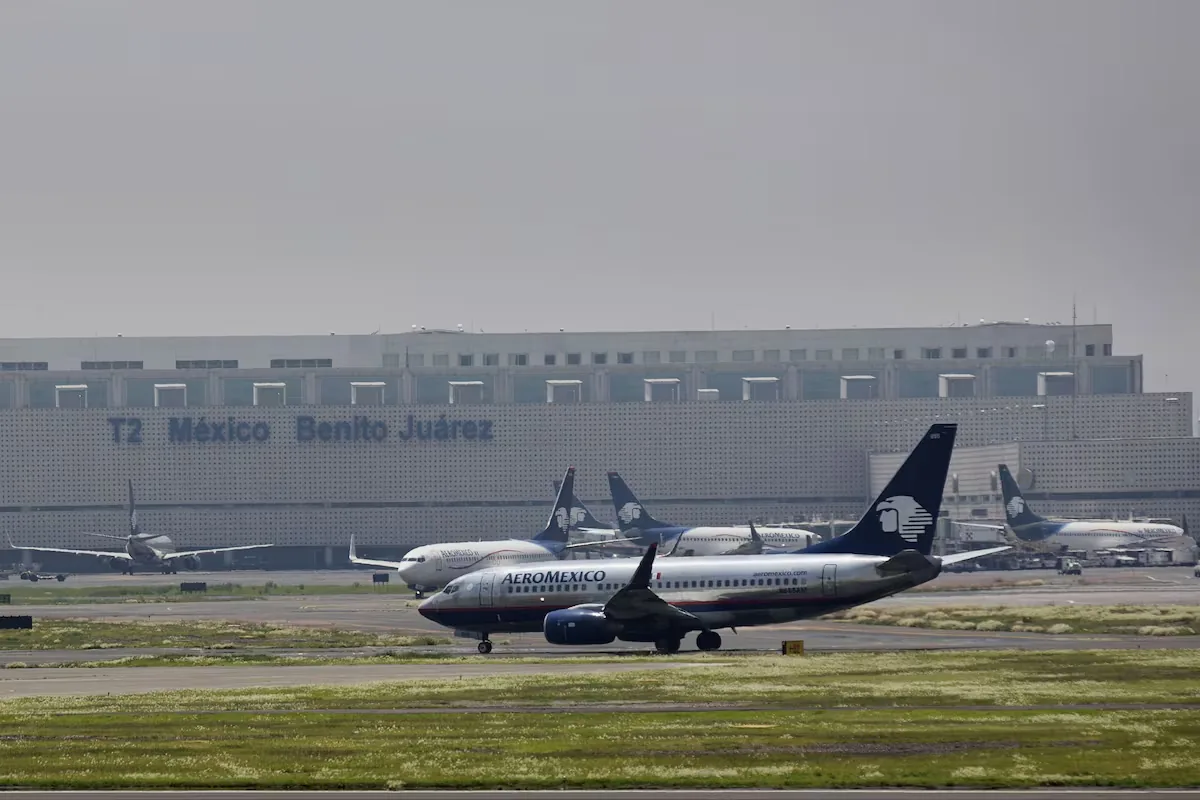
Inflation, the partial closure of borders, especially with Uganda, and trade restrictions are not helping. On the contrary. Prices of basic foodstuffs have experienced substantial increases; there are no longer direct flights from Kinshasa and Bunia airport has closed to commercial traffic.
Read more Hundreds missing, including foreigners, due to a severe flood and landslides between Nepal and Tibet