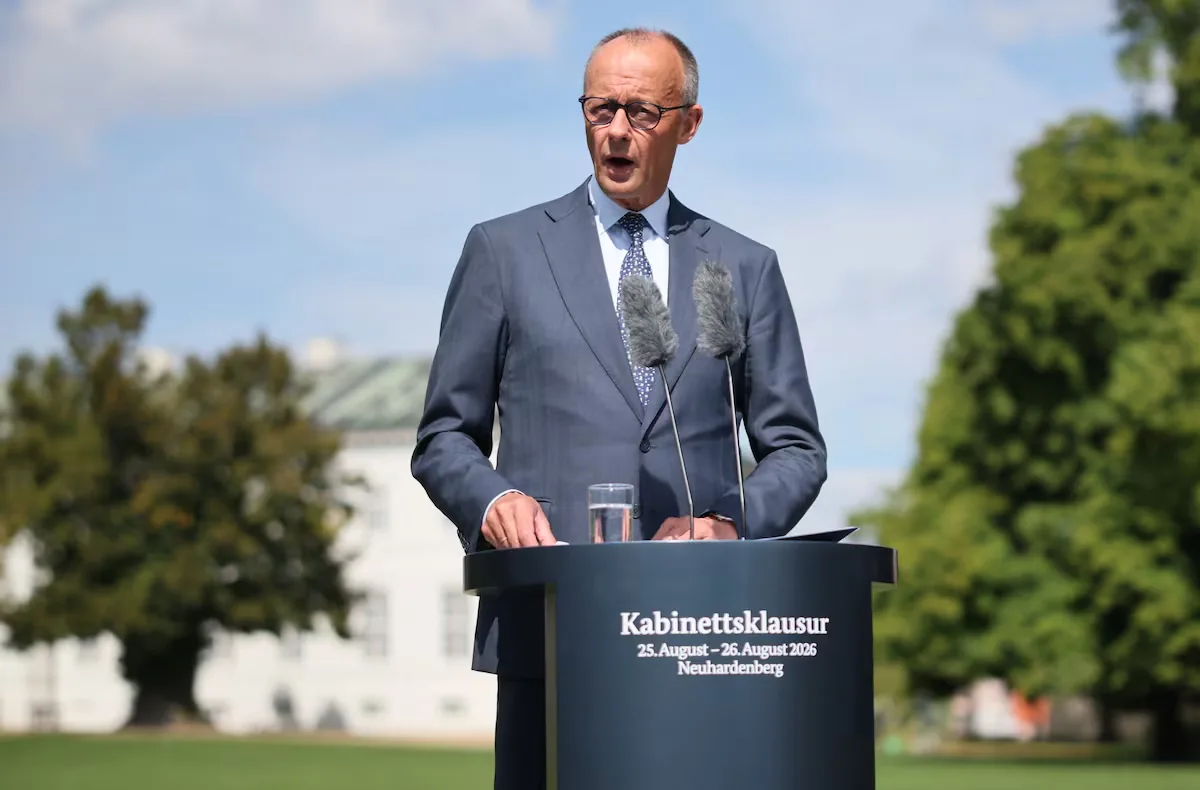
That Germany is at the forefront of the “fourth industrial revolution”. With these words, Chancellor Friedrich Merz expressed this Wednesday the urgency for his Government to present a plan in the coming months for Germany to be among the leading countries in artificial intelligence. No service, neither public administration nor business, will be able to function without this technology, Merz said. The threat to Germany, as for most European countries, is that it now depends on third powers that jeopardize national security.
Read more A doctor from the field: “In Congo, Ebola doesn’t smell like statistics; it smells like chlorine”
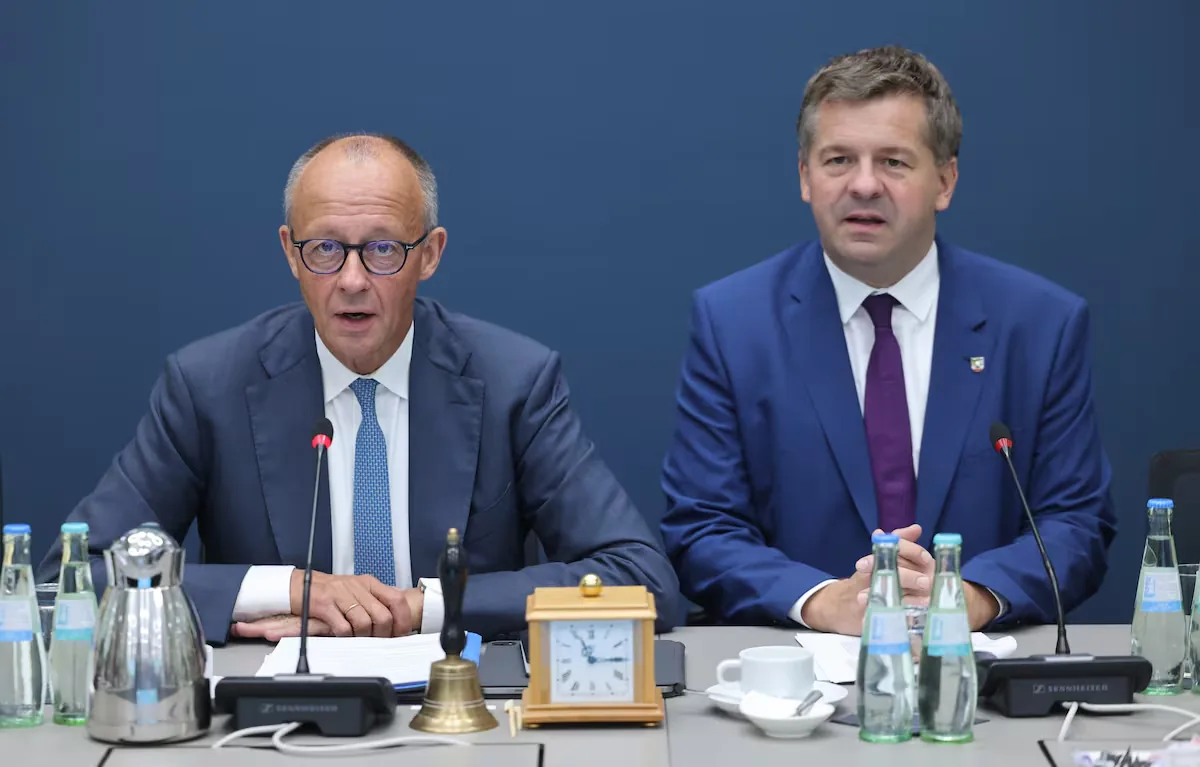
“We must return Germany to leadership positions. Our future cannot be decided from Beijing and Washington,” said Vice-Chancellor and SPD leader, Lars Klingbeil, in a joint appearance. Merz, leader of the Christian Democrats of the CDU, with whom they form a governing coalition, avoided mentioning the United States as a threat to national security and sovereignty, but hinted that Donald Trump’s White House is not a reliable partner. Merz specified that Germany must develop a new artificial intelligence industry “together with countries with whom we share the same values,” and specifically cited Europe as a whole and Canada.
Government sources explained that Merz avoids upsetting Trump, which is why the CDU only publicly considers China a danger to German security. Social Democrat Klingbeil was more explicit: “We do not want dangerous ideologies emerging from Silicon Valley to decide our future.” His statement could refer to tech entrepreneur Elon Musk, a declared supporter of Germany’s far-right AfD party.
Economic improvement
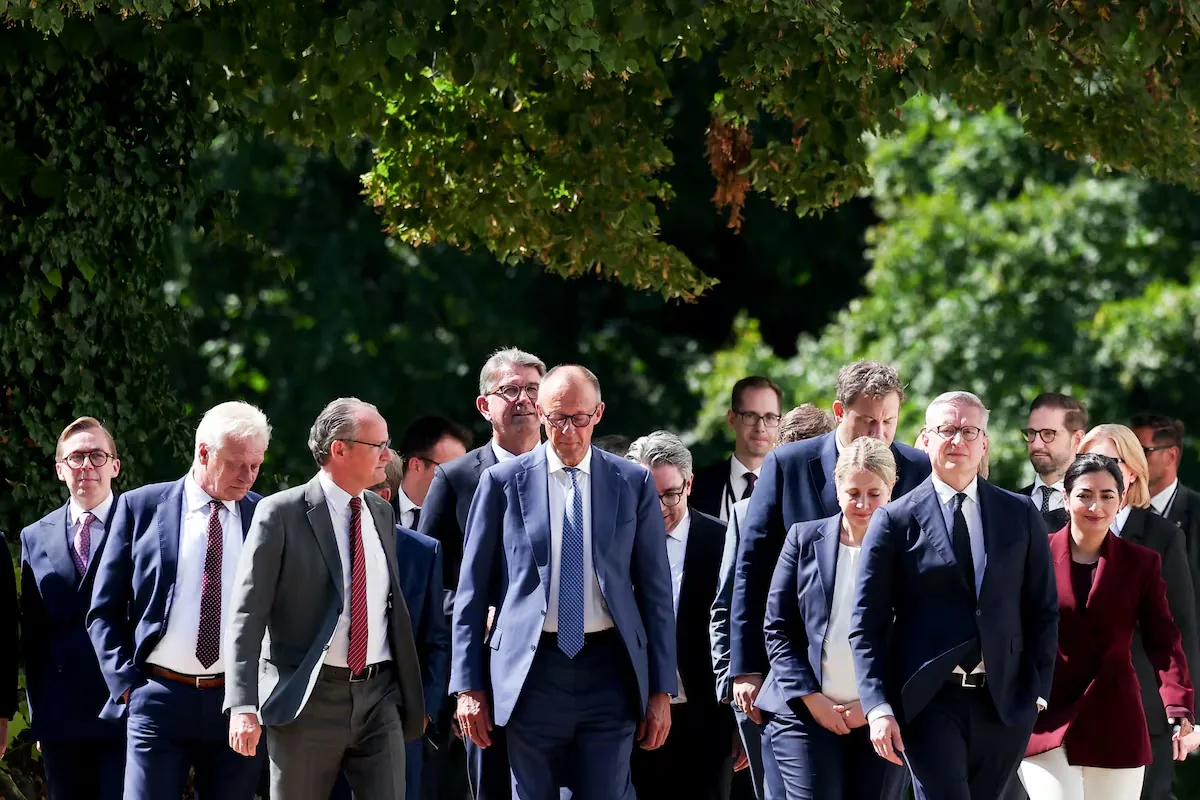
Giving more competitiveness to German industry has been the central theme of the conferences held by the Government this Tuesday and Wednesday at Neuhardenberg Castle. Both Klingbeil and Merz have boasted about recent German macroeconomic data, which point to an improvement in growth. German GDP rose by 0.3% in the second quarter of the year compared to the previous quarter, one tenth more than expected.
“Confidence in the economy is surprisingly growing for the fourth consecutive month, and we have left three years of recession behind,” Merz said. The Chancellor assured that German GDP will grow by more than 1% in 2027, something that has not happened since 2022. That year marked the beginning of the Russian invasion of Ukraine and, with it, the suspension of cheap Russian gas that fueled the German economy.
Merz has guaranteed that the reforms agreed upon in the coalition with the SPD and the Bavarian Christian Socialists of the CSU will be approved quickly in the autumn. This will allow, according to the Christian Democratic leader, that “by the end of the year, Germany will leave discontent behind and look to the future with optimism.”
The most important reform, for saving public funds, is that of the pension system. The three governing parties presented the pension agreement in July. A measure that has caused electoral rejection and discomfort in the SPD and CDU is that it abolishes early retirement at 63 for people who have contributed for 45 years by then. Bärbel Bas, co-chair of the SPD and Minister of Labor, requested in August that retirement at 63 be maintained. Merz reiterated to Klingbeil that this abolition will be carried out because “it is a central measure” and because the three parties agreed to it.
Klingbeil, for his part, has received public support from Merz for the Social Democratic proposal to introduce a new tax on sugary drinks this autumn. Sectors of industry and the CDU have criticized it, but the Chancellor has admitted that health experts recommend it and that it has been agreed upon in the Executive.
Merz has insisted that citizens must trust the work of the coalition, something that polls periodically indicate is just the opposite: the latest opinion poll on the Government, from August 23 by the YouGov center, indicates that only 23% of Germans believe Merz will finish the legislature in 2029. Representatives of the three governing parties have reiterated that they are united to move forward with the coalition.
Read more A woman dies after receiving an “accidental” shot from her husband while hunting in Palencia