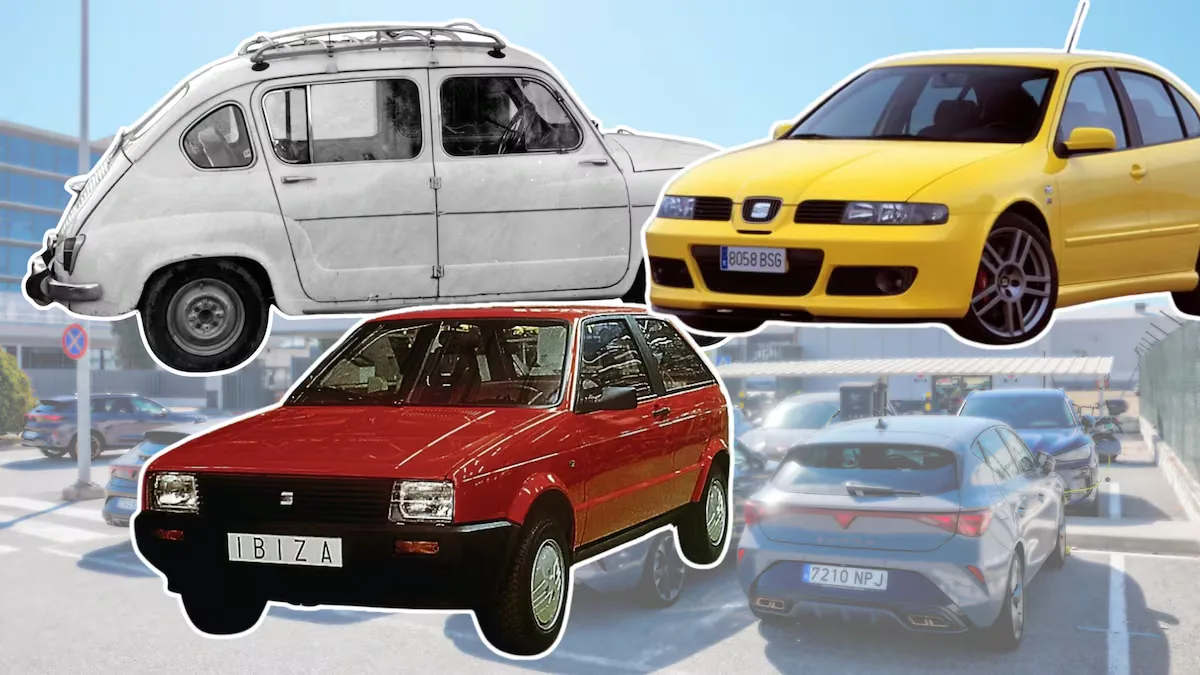
The Volkswagen group announced this Friday in a statement that the future of the Seat brand will depend on emissions regulations in Europe, so it does not guarantee its continuity beyond 2030. “In the current context, with increasingly stringent regulations, the cost of electrification and the necessary investment to develop a new generation of electric models make this analysis to continue investing in the Seat brand increasingly complex,” the company acknowledged. The German consortium highlighted, however, that they will continue with the planned launches and updates such as the introduction of mild hybrid versions for the Ibiza and Arona models, both manufactured at the Seat Martorell plant (Barcelona), scheduled for 2027.
Read more Carla Toscano resigns her councilor seat in the Madrid City Council after her expulsion from Vox
The global CEO of the German consortium, Oliver Blume, emphasized that Seat as a company “has an important role to play in the future of the group. The company has demonstrated its capacity for transformation, with a solid industrial base in Martorell and the unstoppable growth of Cupra (…) At the same time, we must remain flexible and adapt our brand and product strategies to regulation, market conditions, and what our customers demand.” Volkswagen stressed that “several scenarios beyond 2030 remain possible. Depending on how regulations, customer demand, and market conditions evolve, the continuity of the Seat brand will be evaluated. No decision has been made yet.”
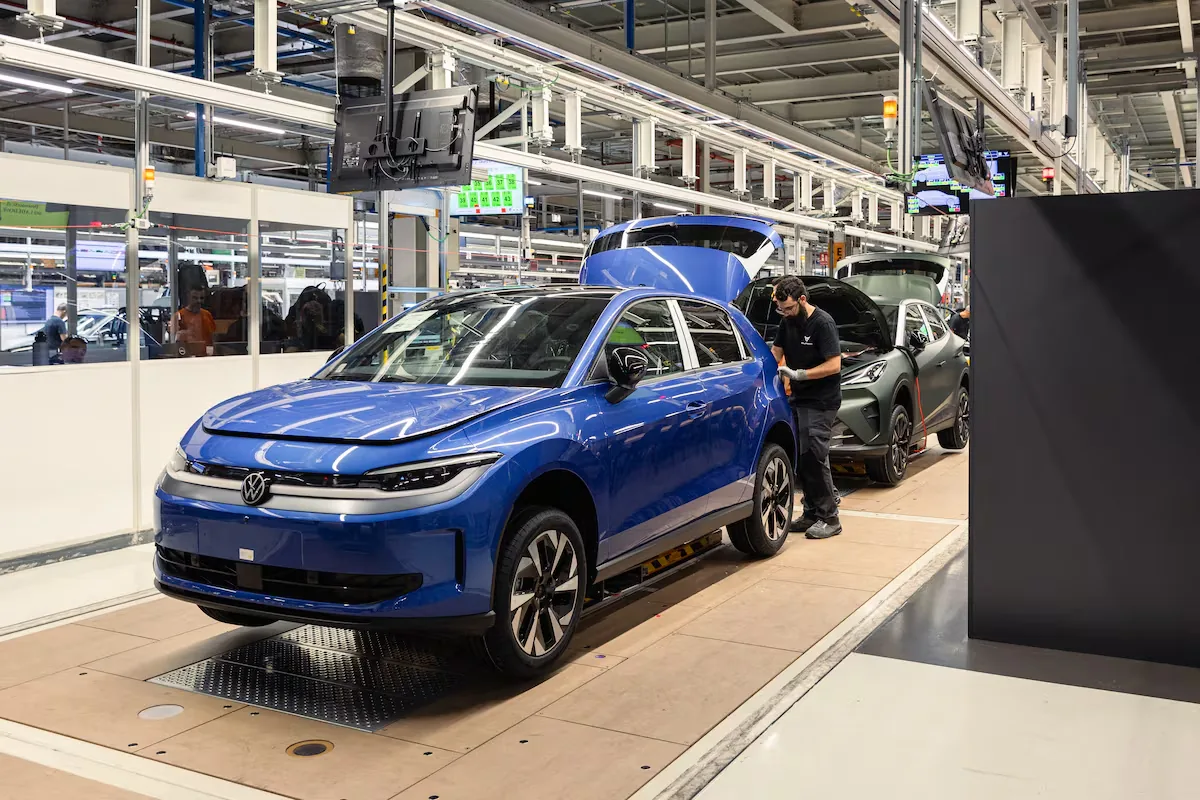
For his part, the CEO of Seat and Cupra, Markus Haupt, highlighted that the company is becoming “an automotive powerhouse within the group, with Cupra reaching its full potential.” Haupt, who had previously stated that making an electric vehicle for the Seat brand was not profitable, affirmed that they are “building a solid future for Seat SA and Martorell.” The executive recalled the 10 billion euros in investments that the group has mobilized in Spain to electrify its national production. This includes adapting Martorell to install the production platform for urban electric vehicles, with which the Volkswagen ID. Polo and Cupra Raval are already made, two of the four electric models made in Spain starting at approximately 25,000 euros. The other two, the Skoda Epiq and the Volkswagen ID. Cross, will be made on the assembly lines of the Landaben factory (Navarra). Added to this is the investment to build a battery pack assembly plant (which required about 300 million euros) in Martorell and the battery cell factory in Sagunto, Valencia, which mobilized about 3 billion.
This Friday’s statement comes after it was leaked to the German press this week that the group had plans to end the Seat brand, a historic company founded 76 years ago. According to information published by the magazine Wirtschafts Woche, the Spanish-origin badge will disappear in 2029. This puts in black and white what the consortium had been doing for years after the success of the Cupra brand, a company born within Seat in 2018 that was overtaking the original brand: all new investments this decade were going to Cupra, which offers better profit margins and has been a success among customers since its launch in 2018. Between 2019 and 2024, the fiscal year in which Seat SA achieved a record operating profit (633 million euros), profits per vehicle sold had increased by 35% thanks to Cupra.
Read more Carlos Alcaraz — Yibing Wu: when and where to watch the US Open 2026 match
The brand currently has an outdated range, beyond the restyling of the Ibiza and Arona (both manufactured in Martorell) launched at the end of 2025. In a Europe moving towards total electrification of the vehicle fleet, despite Brussels opening the door to allow 10% of combustion vehicles to be sold in 2035 —the original goal was to ban them completely—, Seat is left out of the game by not having any electrified model in sight. Matías Carnero, chairman of the works council and general secretary of UGT at Seat, explains to this outlet that if the brand is not electrified (Martorell makes three models of the brand: the Ibiza, the Arona, and the León, in addition to other Cupra cars and the mentioned Volkswagen electric), the second electric vehicle production platform that UGT has long been demanding becomes even more necessary, which would complement the already installed platform from which the ID. Polo and Cupra Raval come out. In the statement sent this Friday, Haupt assured that they will continue working to “secure an additional platform for Martorell.”
“The priority has always been clear: to ensure the company’s future and quality employment for future generations. Seat SA is not just one brand. It is a company that has Seat and Cupra, a strategic industrial footprint, and an increasingly important role within the Volkswagen group. Transformation is never easy, but if it brings investment, more responsibility, and growth to Martorell, it can also create new opportunities for our people. We will continue working together to ensure that Seat SA has a solid industrial and labor future,” Carnero said in the statement released this Friday by the group, as he is also part of Volkswagen’s Supervisory Board, which on Thursday approved a new workforce adjustment in the consortium of 50,000 people by 2030.
Read more Video | Iceland says «no»: Are the richest losing interest in the European Union?