






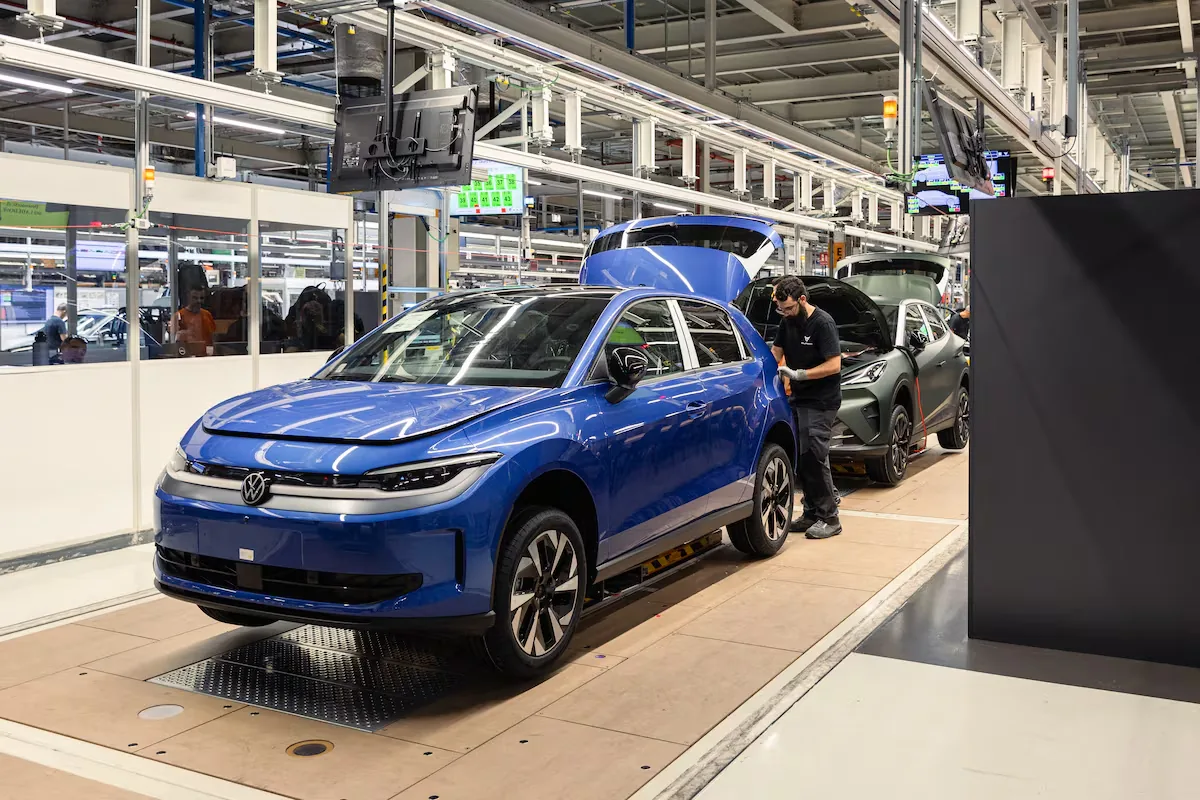
The Supervisory Board of the Volkswagen group approved this Thursday the company’s major adjustment plan to ensure its future competitiveness in a very delicate context for the manufacturer due to its weakness against Chinese manufacturers. According to a statement sent by the company, it will cut 50,000 jobs by 2030, half the figure that had been leaked to the German press in June. It should be noted that the amount announced now is added to the other 50,000 layoffs that had been approved from the end of 2024 until now. The group has also reported that it cannot guarantee the continuity of four plants in Germany in the towns of Emden, Zwickau, Hannover, and Neckarsulm between 2031 and 2034. The company has indicated that “alternative uses” for these factories are being evaluated.
Read more Ceuta, there is no more time to lose
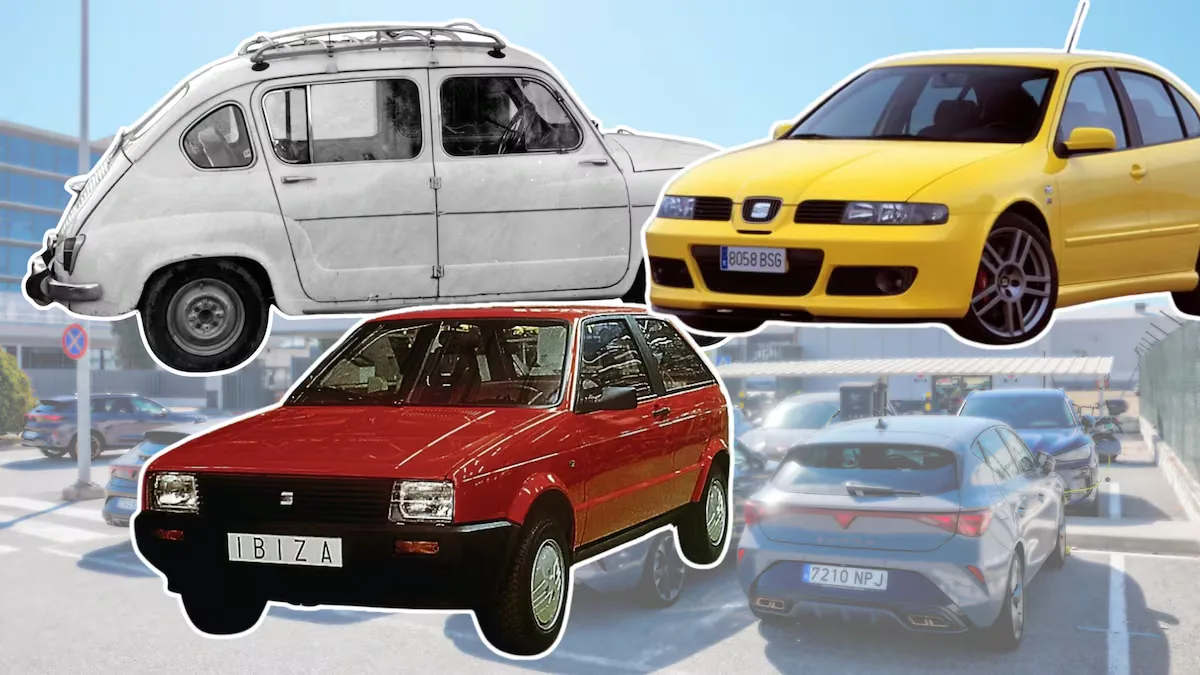
Additionally, the group has admitted to having an annual production surplus of 500,000 units, which is equivalent to a large factory like the Stellantis group in Vigo or slightly above the production of Seat Martorell (Barcelona). Regarding the Spanish-origin brand, the statement does not mention it, but it does specify that the consortium will focus on the most attractive models and will simplify its product portfolio by 50% and “reduce the complexity of its offer by around 75%.” The company added that “the prioritized models aim to stand out for their design and technology, benefiting from concentration on a smaller number of variants: higher volumes per model, lower costs, and greater economies of scale.” This puts a brand like Seat at risk, with an outdated product range compared to other consortium brands and for which no new models are planned in the coming years, as the company’s priority has been to bet on its sister brand, Cupra.
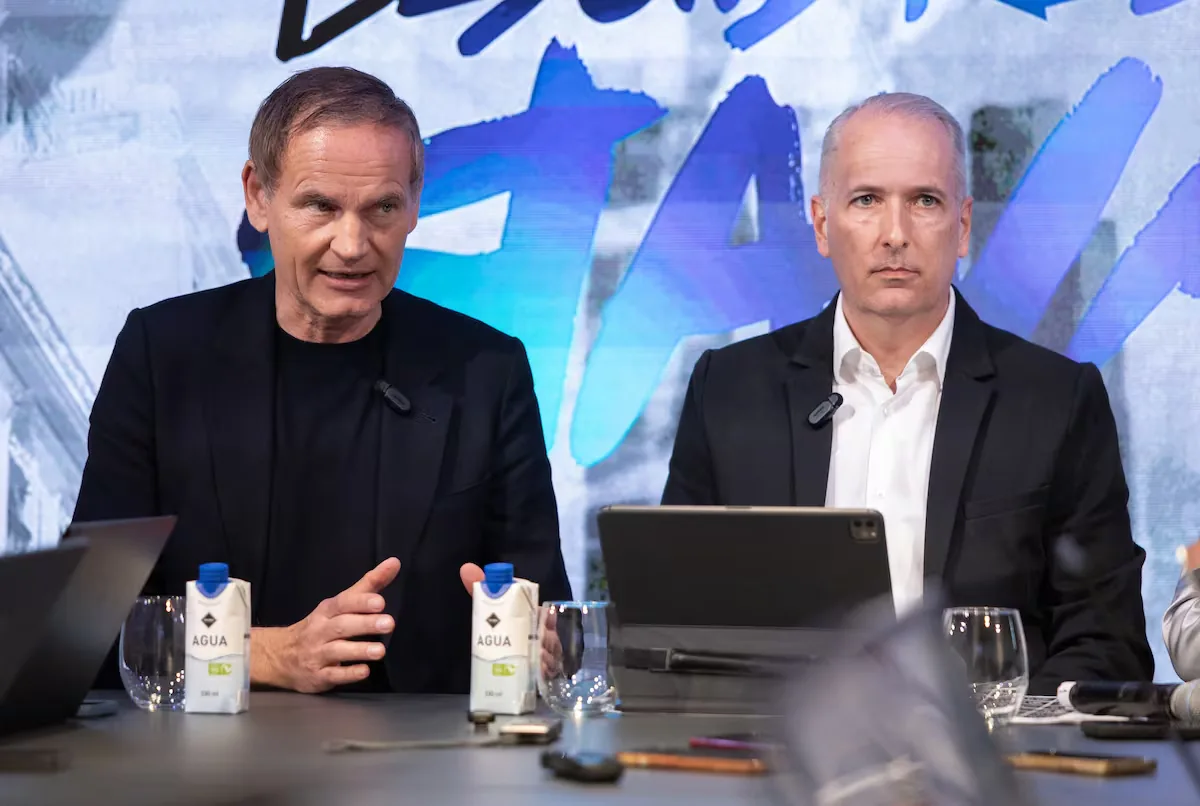
The company stated that the decision was made unanimously “after intense and constructive discussions” within the Supervisory Board. “This is a very positive signal for the future of the Volkswagen group. We take responsibility for our entire team, our partners, and industrial jobs worldwide. In the coming years, we will invest billions to make our flagship brands even more attractive, strong, and competitive,” said the group’s CEO, Oliver Blume.
The agreement has been approved by both the unions and the State of Lower Saxony (Volkswagen shareholder where the Emden and Hannover plants are located, both with an uncertain future). “In this crisis situation, we are fighting hard to find good solutions (…) It is positive that the management board now has the necessary basis to tackle the major tasks ahead. This explicitly includes the development of future scenarios for all plants. As Germany’s largest industrial company, Volkswagen continues to have enormous responsibility for its employees and the regions in which it operates. We will demonstrate that the best results are achieved when all parties face even the most difficult challenges head-on and together,” said Christiane Benner, vice-chair of the supervisory board and first chairwoman of the powerful German union IG Metall.
Olaf Lies, Minister-President of Lower Saxony, said that “facing international competition, the challenges Volkswagen and the German automotive industry face make it even more important that we now embark on a common path towards the necessary transformation.” The group has called this agreement, called “Future Plan 2030,” the deepest strategic transformation in the history of the German consortium. The company plans to achieve an operating result of 31 billion by 2030 with a profit margin of 9%, with R&D investments of 135 billion in the 2027-2031 interval.
One of the main reasons that have led Volkswagen to this moment is not only the competition with Chinese brands in markets such as Europe and in the electric car field but also its continued loss of market share in China, a place where it has traditionally dominated with combustion vehicles. In its statement, it limits itself to pointing out that the group “is adapting to the new growth forecasts of the Chinese automotive market and is expanding its export business towards the Global South.”
With information from Yetnaleci Alcaraz.