









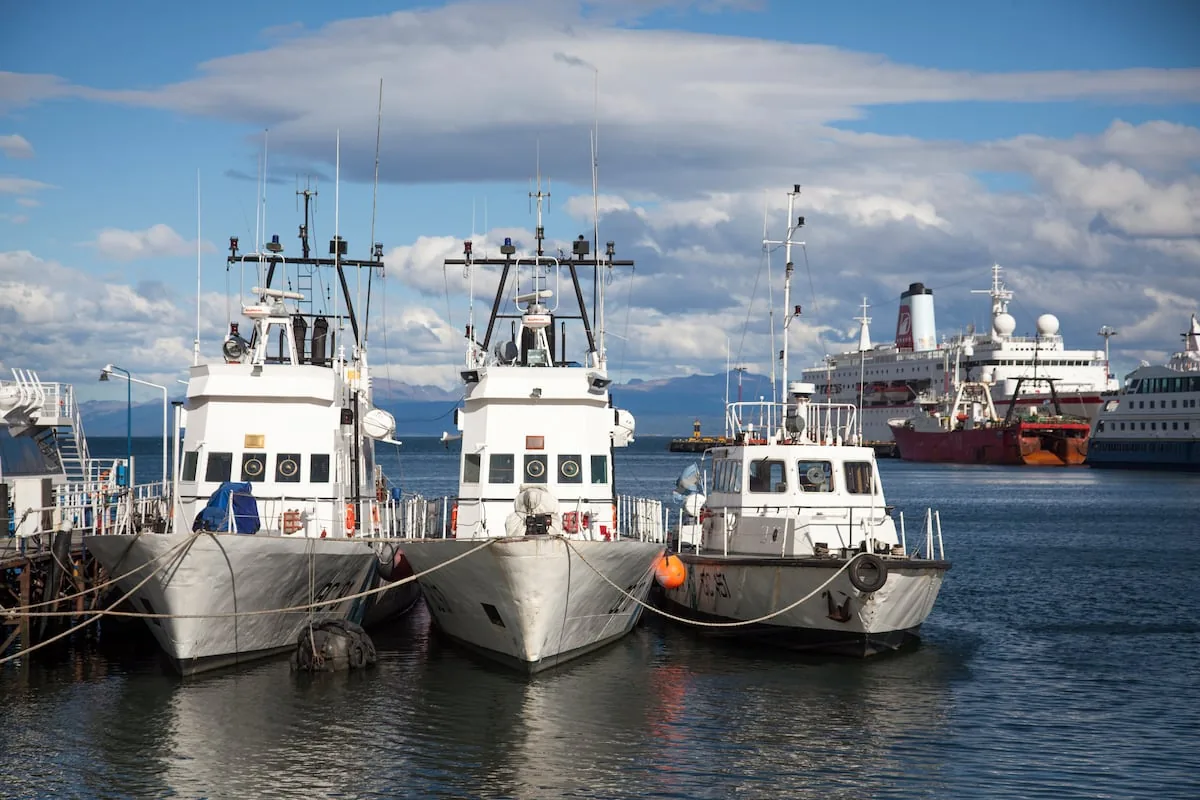
The health authorities of Argentina are working together with the World Health Organization to investigate and clarify the origin of the possible hantavirus outbreak that has turned the luxury cruise MV Hondius into a nightmare. Since it set sail from Ushuaia, at the southern tip of Argentina, on April 1, with its final destination the Canary Islands in Spain, three people have died and three others are seriously ill. In one of the cases, that of a British passenger who is hospitalized in critical condition in Johannesburg, tests have come back positive for this respiratory virus, which is usually transmitted through contact with the saliva, feces, and urine of infected mice. Health authorities suspect that the other cases are related and are trying to find out where and how they were infected.
Read more The emergency wealth tax fails to reduce the Government’s fiscal gap
The vessel, a polar cruise ship from the tourist company Oceanwide Expeditions with a capacity for 170 passengers, entered the port of Ushuaia on November 16, 2025, coming from Montevideo. From there, it made various trips to Antarctica and the South Atlantic islands, a route that can only be made during the warmest months of the Southern Hemisphere and that attracts thousands of tourists every year.
The last departure of the MV Hondius from Ushuaia was on April 1. It left with 149 people on board from 23 nationalities, including 14 Spaniards and one Argentine. As a protocol, passengers had to answer a health questionnaire, but the shipping company did not report that anyone showed symptoms that would prevent them from boarding.
The confirmation of a hantavirus case on the cruise and the suspicion of five others has puzzled the Argentine Ministry of Health, which on Monday reported in a statement that there are no registered cases in the province of Tierra del Fuego, to which Ushuaia belongs. The epidemiological director of Tierra del Fuego, Juan Facundo Petrina, detailed that the long-tailed mouse, the transmitter of this virus in other regions of Argentine Patagonia, is not even present. “We do not have that rodent nor any of the other reservoirs that exist in other parts of the country. Nor do we have human cases in the epidemiological history of our province,” Petrina told the Todo Noticias network.
The epidemiology director of Tierra del Fuego indicated that they have requested the government of Javier Milei to provide them with the necessary tools to try to determine the origin of the possible outbreak. It is necessary to reconstruct “how these people entered the country and if they traveled through areas where there are cases,” he added.
Read more First National Drill 2026: Date, Time, and How to Register Properties to Participate
In Argentina, 32 hantavirus cases have been confirmed so far this year, distributed across six provinces: Buenos Aires, Salta, Chubut, Río Negro, Entre Ríos, and Jujuy. In Patagonia, the Andes strain predominates, which has a unique characteristic that makes it more severe: the ability to be transmitted from person to person. In other strains, so far, contagion has only been demonstrated when the virus is transmitted by inhalation of airborne particles from the excrement of infected rodents or, in exceptional cases, by bites or scratches from these animals.
Last year, the Argentine Ministry of Health issued an alert due to the increase in registered cases and the rise in lethality. Facing an average lethality rate of 18.5% in recent years, in 2025 it approached 34%.
The first symptoms can be confused with those of the flu: fatigue, fever, muscle and headache pain, chills, and stomach problems. However, hantavirus can lead to two potentially fatal diseases: hantavirus pulmonary syndrome and hemorrhagic fever with renal syndrome. There is no specific treatment for either, and what is done is to treat the symptoms.
The occupants of the MV Hondius cruise ship are stranded off Praia, the capital of Cape Verde. Authorities are not allowing the vessel to dock for fear of possible contagion. Among the possible destinations for the vessel are ports in Las Palmas or Tenerife, according to the shipping company. The Government Delegation in the Canary Islands is already preparing for a possible arrival of the cruise.
Read more More than 800 ships and 20,000 sailors remain trapped by the Strait of Hormuz blockade