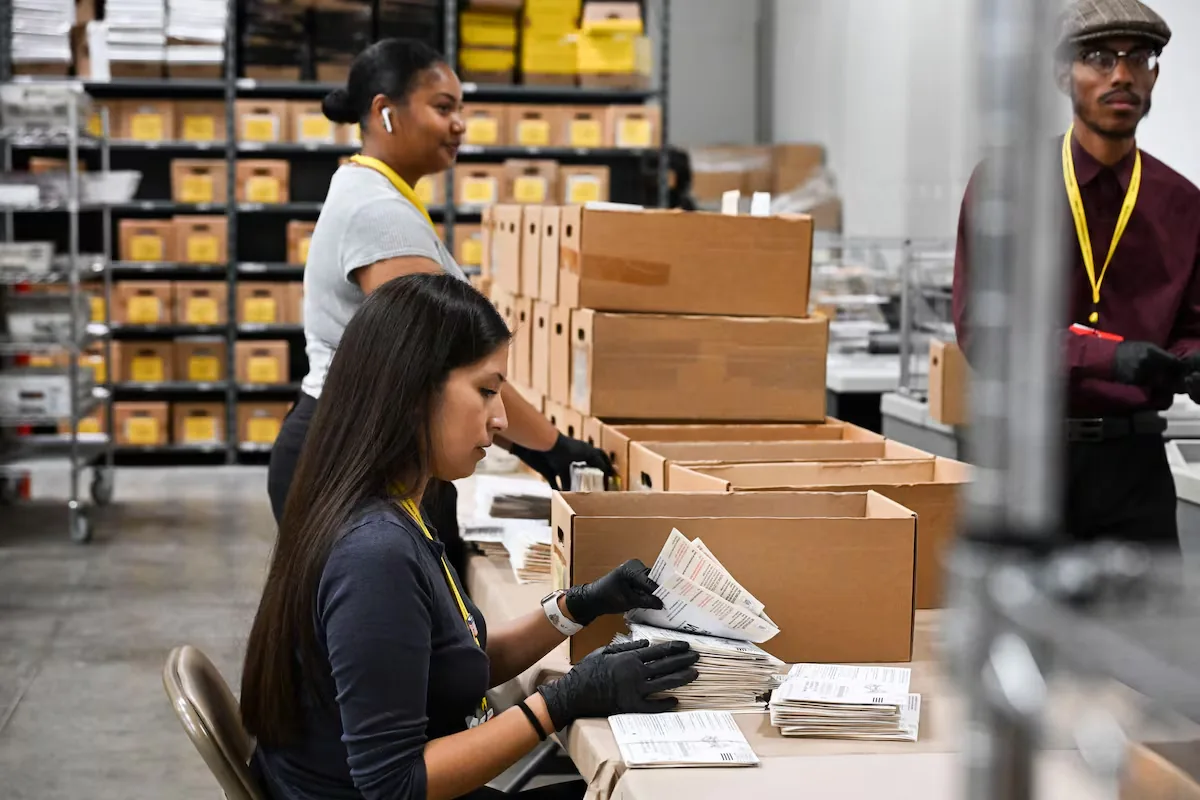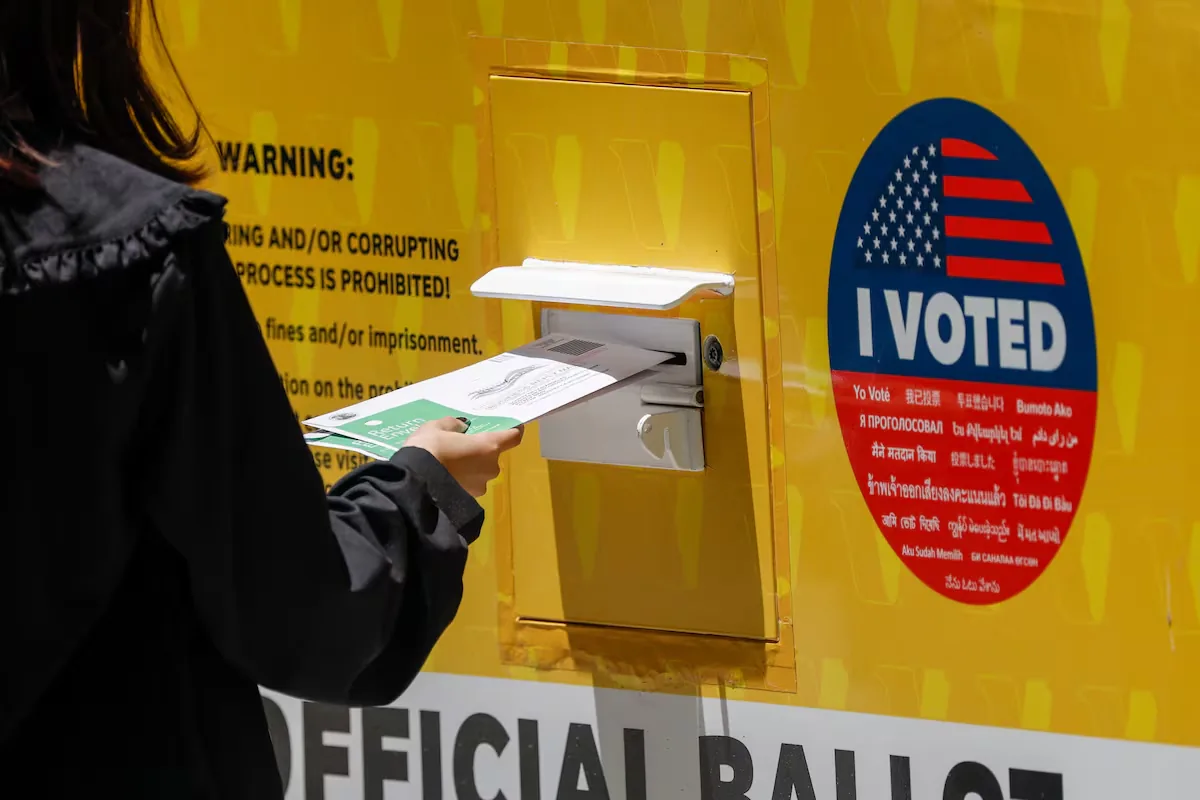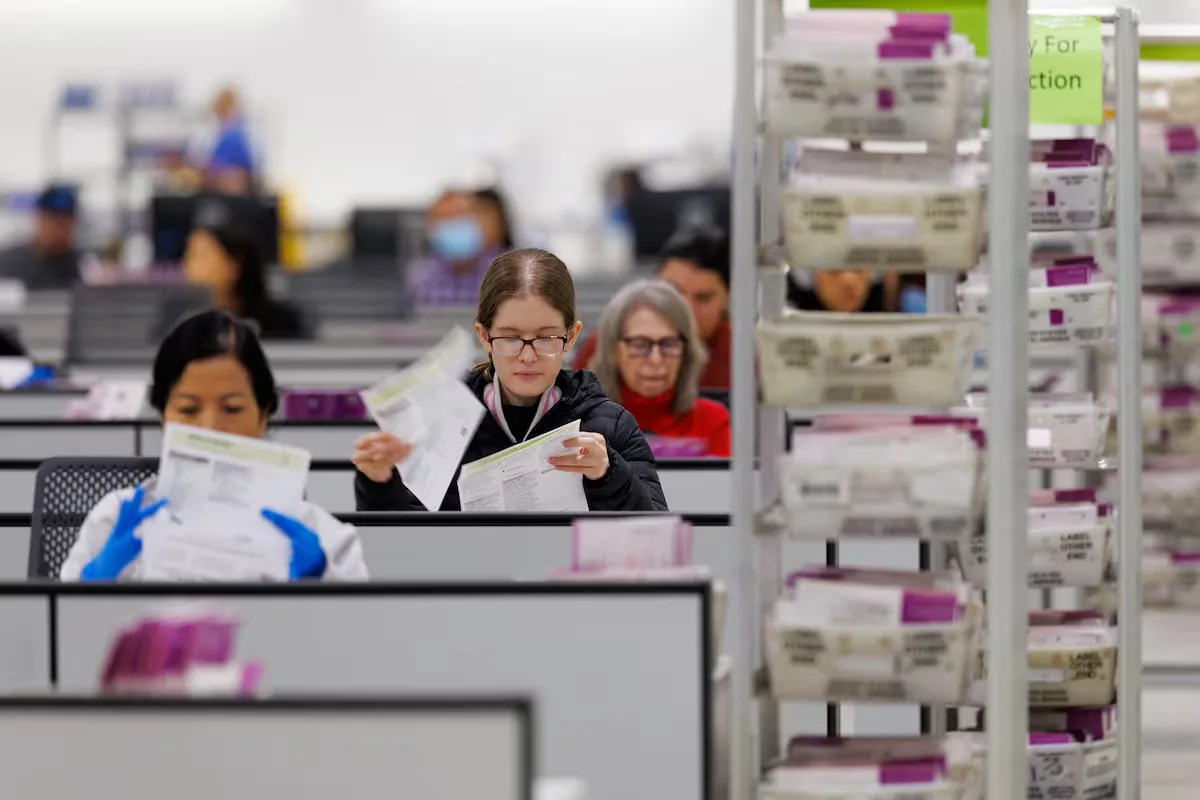
A court decision this Wednesday removed a significant obstacle that prevented the imposition of mail-in voting limits decreed by President Donald Trump in March. Boston federal district judge Indira Talwani withdrew an order she herself had imposed against the presidential decree, which establishes new requirements for remote voting. It is unclear whether the rules Trump wants to impose will come into effect for the midterm elections (the midterms), as the president wanted, and legal challenges surrounding the decree are expected to continue.
Read more Román takes an ear from a La Quinta bullfight with many options for victory in Bilbao
Talwani, appointed by former Democratic President Barack Obama, decided to withdraw her previous ruling following the Supreme Court’s decision, which last Monday overturned another decision by the same judge that limited the entry into force of the presidential decree in a lawsuit filed by Democratic states. Talwani stated that the decision made by the Supreme Court on Monday “compelled” her to annul the injunction. However, she affirmed that the executive order could unleash “chaos” and described it as “probably unconstitutional”.
The order withdrawn this Wednesday was issued on August 11 in response to the lawsuit against the presidential order filed by the League of Women Voters and other voting rights advocacy groups while the Supreme Court was analyzing the government’s appeal against the judge’s first order.
President Trump has claimed without evidence that mail-in voting facilitates electoral fraud, one of the reasons why, according to his already debunked theory, he lost the elections to Joe Biden in 2020. The new rules, formally published this Wednesday, establish that if states wish their mail-in ballots to be delivered, they will need federal approval for the design of the envelopes, which will bear a trackable barcode. Additionally, they must provide the Postal Service (USPS) with a list of eligible voters to receive them. States that fail to comply with the rules could lose federal funds.
Lauren Bis, White House spokesperson, stated that the USPS proposals were “common-sense measures that protect the security of mailed ballots” and that the Administration would continue to work to implement them to strengthen “the security and integrity of our elections,” according to AP.
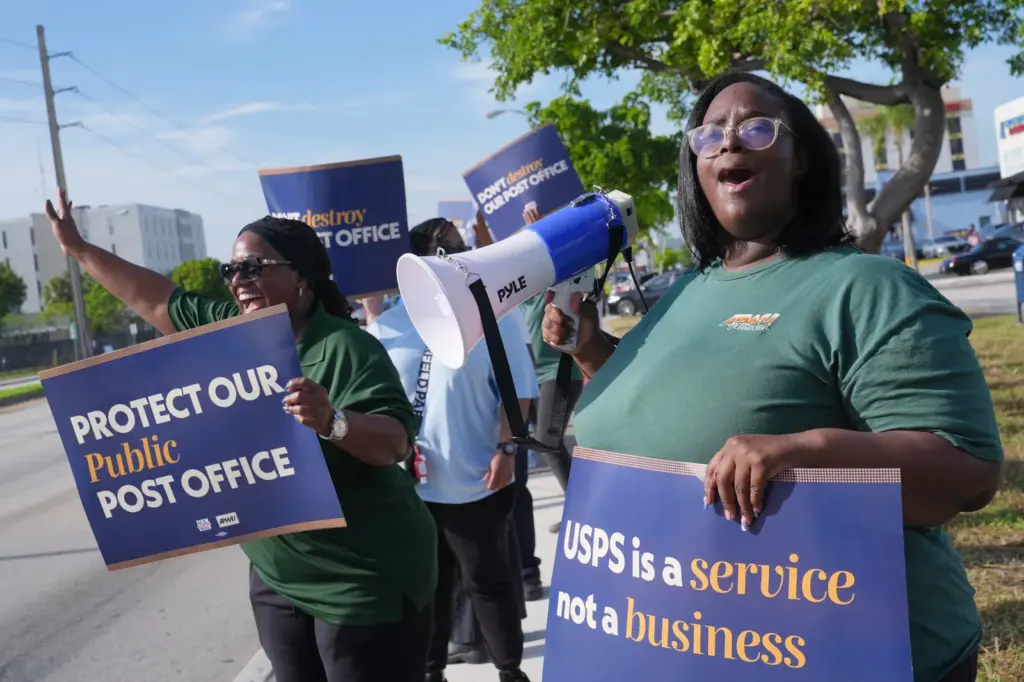
Supreme Court Ruling
The conservative-majority Supreme Court ruled that Talwani’s first decision was not supported because the new rule did not impose final legal requirements on the states. In her ruling, Talwani had considered that the Executive was trying “to unconstitutionally interfere in the realm of election regulation.” The Court determined that the Democratic states had filed the lawsuit prematurely, but did not evaluate whether the restrictions imposed by Trump were, ultimately, legal. The three progressive justices of the High Court, Sonia Sotomayor, Elena Kagan, and Ketanji Brown Jackson, dissented.
Read more Nvidia manages to double revenue and profits amid the AI stock market hangover
Trump has sought to impose limits on mail-in voting with an eye on the November elections, in which the Republican Party is vying for control of the House of Representatives and the Senate, which it currently holds, but there are many doubts as to whether there will be enough time to implement his rules.
Loss of Voting Rights
This Wednesday, more than twenty Democratic-governed states argued that the new rule interferes with states’ authority to administer their own elections and carries the risk of disenfranchising eligible voters. “If not suspended or an injunction issued to prevent its application, the rule will directly frustrate or prevent plaintiff states from administering their mail-in voting programs in November and, predictably, will disenfranchise voters who vote by mail. Indeed, this appears to be what the president prefers,” the lawsuit text states.
Election officials warn that it will be impossible to comply with the new rules in the days leading up to the mailing of the first wave of ballots, scheduled for next week.
“Across the country, states are already immersed in preparations for the 2026 elections. Now, at the last minute, the federal government is trying to interfere with those preparations and potentially threatens the voting rights of countless Americans,” declared Letitia James, New York Attorney General and one of the 25 Democratic attorneys general who filed the lawsuit. “The USPS has no authority to decide who can vote by mail and who cannot,” she added.
Read more The Somos party will change its image following the order of the Electoral Tribunal